How to Get to Las Fallas: 7 Essential Travel Tips
Learn how to get to Las Fallas 2026. Expert guide on trains, planes, and Valencia public transport to help you navigate the festival like a local.
On this page
How to Get to Las Fallas: A Complete Transport Guide
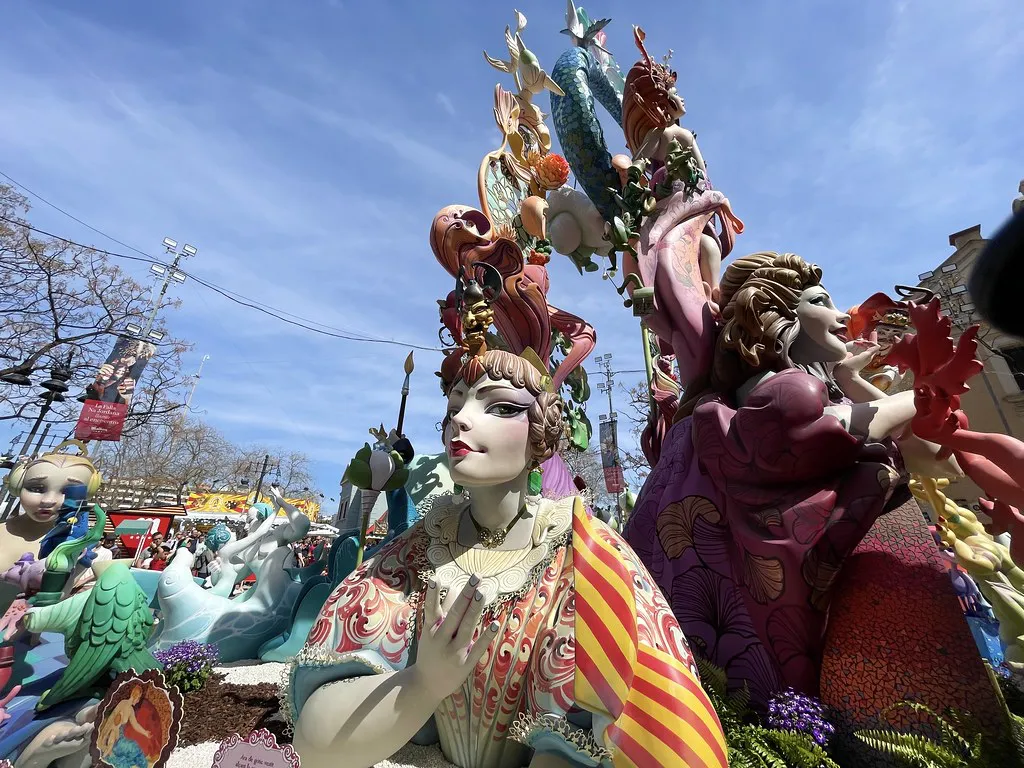
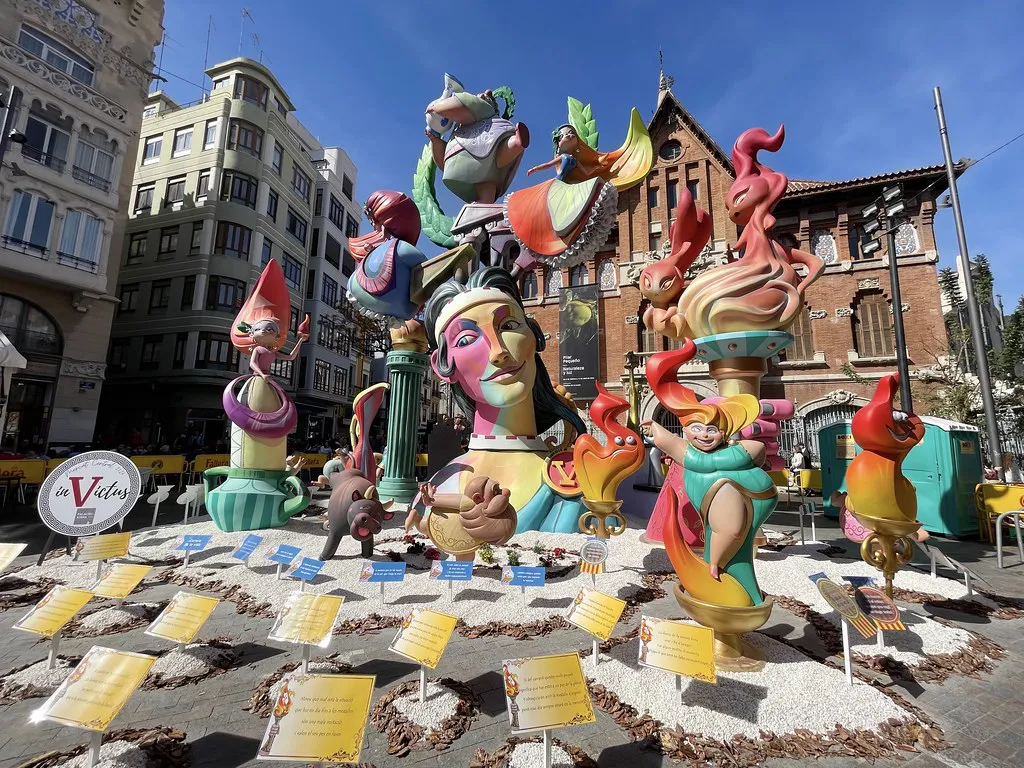
Last updated March 2026. Las Fallas stands as one of the most vibrant events in the best festivals in Spain lineup. This massive celebration is recognized as a UNESCO Intangible Cultural Heritage event every year. Visitors flock to Valencia to witness the burning of giant wooden sculptures called ninots.
Reaching the city requires careful planning due to the millions of attendees expected. Public transport undergoes significant changes to accommodate the massive crowds and street closures. Understanding how to get to Las Fallas efficiently will save you hours of frustration. This guide covers every logistics detail from international flights to local metro cards.
Free guide: Europe's Festival Calendar
A month-by-month map of Europe's unmissable festivals — with the best dates to visit each and a local tip you won't find in the guidebooks.
How to get to Las Fallas: Quick Answer
Quick Answer: The high-speed AVE train is the best option, costing €30–€90 and taking 1 hour 40 minutes from Madrid. Regional buses from Barcelona provide a budget-friendly alternative for €20–€40 with a four-hour travel time. Travelers arriving from Ibiza should use the Trasmed ferry to access exclusive 50% festival discounts.
Booking your tickets at least three months in advance is essential for the March dates. The high-speed rail lines connect Valencia directly to Madrid Atocha and Barcelona Sants stations. Most international visitors find that flying into Valencia Airport (VLC) is the most convenient starting point. Always check the las fallas dates before finalizing any non-refundable travel arrangements.
Getting to Valencia: Flights, Trains, and Buses
The Renfe AVE high-speed train remains the gold standard for domestic travel within Spain. Trains from Madrid Atocha reach Valencia Joaquín Sorolla in approximately 1 hour and 40 minutes. Tickets fluctuate between €30 and €120 depending on how early you book. Barcelona Sants connections take roughly 3 hours and 10 minutes on the Euromed service.
Valencia Airport serves many European hubs with budget carriers like Ryanair and Vueling. A taxi from the airport to the city center typically costs €20–€25. The metro offers a cheaper alternative for €4.80, including the airport supplement fee. Reviewing is las fallas worth it can help you decide on your total travel budget.
Long-distance buses operated by Alsa connect Valencia to almost every major Spanish city. While slower than trains, these coaches often feature comfortable seating and free Wi-Fi. Expect to pay around €35 for a return trip from southern cities like Alicante. Bus stations remain open 24 hours but expect heavy delays during the final festival days.
How to Navigate Valencia During the Festival
Navigating the city requires a mix of public transit and strategic walking due to massive crowds. Over 400 streets close to vehicle traffic to make room for the towering fallas monuments. The Metrovalencia Official Site provides real-time updates on station closures during peak hours. Walking is often faster than the bus when moving between monuments in the historic center.
The 10-trip Bonometro card is the most cost-effective choice for groups or frequent riders. It costs €7.60 and can be shared among multiple people at the turnstiles. Individual Valencia Tourist Cards range from €13.50 to €22.50 for 24 to 72 hours, and include unlimited transit plus discounts at local museums and historical sites. A single one-way ticket costs €1.50, making the Bonometro a far better deal for anyone seeing multiple fallas in a day.
Avoid the Xàtiva and Colón metro stations during the daily 14:00 Mascletà firework display. These hubs become dangerously overcrowded and often close their entrances for safety reasons. Exiting at Plaça d'Espanya or Àngel Guimerà allows for a safer 10-minute walk to the square. Check the where to stay for las fallas guide to find hotels near these quieter stations.
- Step 1: Purchase a reusable transport card
- Buy a Suma or Bonometro card at any metro station or licensed tobacco shop.
- Expect to pay €7.60 for 10 trips within the central city zone.
- Avoid buying single tickets as they cost €1.50 and do not offer transfers.
- Step 2: Download the official festival map
- Use the official Fallas app to locate the Seccion Especial monuments across the city.
- Downloading the map takes seconds and helps you avoid dead-end street closures.
- Keep your phone charged as you will rely on GPS to navigate the labyrinthine streets.
- Step 3: Plan for the Mascletà arrival
- Arrive at Plaza del Ayuntamiento by 13:15 for the 14:00 firework show.
- Standing in the square is free but requires early arrival to secure a view.
- Bring earplugs to protect your hearing from the intense 120-decibel rhythmic explosions.
- Step 4: Use the Metro for cross-town travel
- Take the metro to reach outlying fallas like those in the Campanar neighborhood.
- Trains usually run every 5-10 minutes during the day and every 20 minutes at night.
- Check for late-night service extensions which often run 24 hours during the final weekend.
- Step 5: Walk the final mile
- Budget approximately 20 minutes of walking time for every mile of distance covered.
- Walking is the only way to see the intricate details of the ninot sculptures.
- Wear comfortable sneakers as you will likely walk over 10 miles in a single day.
Valencian vs. Spanish Street Names: A First-Timer Trap
Valencia has two official languages — Spanish and Valencian — and both appear on street signs, maps, and navigation apps. The same street can appear under completely different names depending on your source, which causes genuine confusion when you are trying to reach a falla quickly. Plaza del Ayuntamiento, for example, is Plaça de l'Ajuntament in Valencian. Avenida del Oeste becomes Avinguda de l'Oest. If your GPS and your paper map do not agree, this is why.
The practical fix is to cross-reference the metro station name with a recognizable landmark rather than the street address. When using the Fallas app for monument navigation, check whether the app is set to Spanish or Valencian labels and keep it consistent with whatever map you printed or saved offline. During the festival, volunteers in yellow jackets stationed near the Seccion Especial fallas can help if you are genuinely lost. No SERP competitor addresses this bilingual signage issue directly, but it is one of the most common reasons first-timers arrive late to the 14:00 Mascletà.
The Ibiza Alternative: Ferries and Special Events
Travelers coming from the Balearic Islands can utilize the Trasmed ferry service for easy access. The company often provides a 50% discount for residents and festival-goers during the March period. The journey from Ibiza to Valencia takes approximately 5 to 6 hours on the fast ferry. Fares typically start around €45 for a one-way foot passenger ticket.
If you cannot reach Valencia, Sant Antoni de Portmany in Ibiza holds its own Mascletà. This event offers a smaller but equally loud firework experience for those staying on the island. It is a great way to experience the culture without the massive mainland crowds. Consult the festivian blog for more niche festival alternatives across Spain.
Is the train worth it? Logistics and Timing
Choosing the train over a rental car is highly recommended for this specific festival. Parking in Valencia becomes nearly impossible as police tow cars from the main parade routes. The high-speed rail stations are located centrally, allowing for immediate access to the festivities. A rental car will likely sit in an expensive garage costing €25 per day.
High-end ninots can cost up to €200,000 to build for the Seccion Especial category. Below that, Seccion 1A ranges from €33,500 to €75,000, while Section 8C — the most modest tier — runs €600 to €2,300. Seeing the most expensive works of art requires moving between different neighborhoods across the city. The metro remains the most reliable way to reach these high-budget displays on time. Plan your route using the how to watch las fallas guide for maximum efficiency.
- Checklist: Before you go to Valencia
- Book your accommodation at least four to six months in advance.
- Purchase your AVE train tickets as soon as the booking window opens.
- Pack comfortable walking shoes that can withstand long hours on pavement.
- Bring a portable battery pack to keep your phone charged for maps.
- Carry a small amount of cash for street food like bunyols.
- Confirm your arrival time with your host to avoid street closure delays.
- Troubleshooting: Common transport problems
- Metro stations near the center often close during the 14:00 Mascletà.
- Buses are frequently rerouted and may not follow the digital display maps.
- Taxis cannot enter the historic center and will drop you at the perimeter.
- Expect long queues at ticket machines during the final three days of Fallas.
- Trains to Madrid often sell out completely weeks before the festival starts.
- Late-night metro service can be extremely crowded after the fireworks end.
Key Festival Dates and Arrival Timing
The most critical events occur between March 15th and March 19th each year. The daily Mascletà starts on March 1st and occurs every day at 14:00 sharp in Plaza del Ayuntamiento. Arriving on the 15th allows you to see La Plantà, when the monuments are finished and installed across the city. The final La Crema burn begins at 20:00 on the 19th for children's fallas, with the main neighbourhood fallas burning at 22:00, and the grand city falla in Plaza del Ayuntamiento burning last at 23:30.
Morning parades often begin as early as 08:00 with loud firecrackers and music. The Ofrenda de Flores is a two-day flower offering on March 17 and 18 that fills the Plaza de la Virgen with a tapestry of thousands of bouquets carried by falleras in traditional dress. Navigating these parades requires patience as thousands of falleros march through the streets and cause road closures that limit your mobility. Most visitors find that a four-day stay from March 16 covers all the major highlights comfortably.
The Nit del Foc — Night of Fire — on March 18 is the largest fireworks show of the festival. It takes place near Paseo de la Alameda and the Turia Gardens, with displays that last up to 30 minutes. Arriving early and positioning along the riverbed park gives the best unobstructed view. The crowds thin noticeably during Nit del Foc, which makes it an ideal moment to photograph the remaining fallas sculptures with fewer people in the frame.
Food of the Fallas Festival
Street food stalls appear across the city throughout the festival, with the heaviest concentrations near Valencia Nord train station, the Mercat Central area, and the Ruzafa neighbourhood close to the Seccion Especial fallas. The signature festival pastry is buñuelos de calabaza — pumpkin fritters dusted with sugar or dipped in chocolate. They are sold from portable fryers by vendors who set up from early morning, and the smell of frying batter is one of the most distinctive sensory memories of the week.
Paella Valenciana is everywhere during Fallas, with many neighbourhood casales falleros running their own cooking competitions in the streets. The traditional version uses chicken, rabbit, flat green beans, large white beans, artichokes, and saffron. Restaurants typically operate on a fixed festival menu during this period and reservations for midday meals are essential — walk-ins become very difficult by March 17. Valencia's local drink is horchata, a cold milky liquid made from tiger nuts, and it pairs well with buñuelos on a warm afternoon in the historic centre.
Frequently Asked Questions
What is the best way to get around Valencia during Fallas?
Walking is the best way to navigate the historic center where streets are closed. For longer distances, use the Metrovalencia system with a 10-trip Bonometro card. Avoid buses as they are frequently rerouted due to the monuments.
How do I get to Valencia from the US?
Most US travelers fly into Madrid Barajas or Barcelona El Prat and take the AVE train. There are no direct flights to Valencia from the US. The train ride from Madrid takes under two hours and is very reliable.
How much does it cost to attend Las Fallas?
Attending the street festivities and firework shows is entirely free for all visitors. You only pay for transport, food, and accommodation. Budget around €100 per day for a comfortable mid-range experience.
Visiting Valencia for more than one festival? See our complete guide to festivals and events in Valencia.
Getting to Las Fallas requires a balance of early booking and local transport knowledge. By using the high-speed train and the metro system, you can avoid the chaos of street closures. Remember to walk whenever possible to experience the true scale of the ninot monuments. Valencia is a welcoming city that transforms into a spectacular stage for fire and art.
Always keep a close eye on the official metro schedules for any last-minute service changes. With your transport plan in place, you are ready to enjoy one of the world's most unique festivals. Safe travels and enjoy the incredible energy of the Fallas celebration in 2026.
Free guide: Europe's Festival Calendar
A month-by-month map of Europe's unmissable festivals — with the best dates to visit each and a local tip you won't find in the guidebooks.
You might also like


Continue reading
More guides you'll find useful