Festivals and Events in Dublin 2026: The Complete Calendar
Dublin's 2026 festival calendar: St Patrick's Festival, Temple Bar TradFest, Bloomsday, Dublin Fringe, the Bram Stoker Festival and the summer music line-up.
On this page
Festivals and Events in Dublin 2026: The Complete Calendar
The first time I stood on O'Connell Street for the St Patrick's Festival parade, wedged between a family from Cork and a stag party from Manchester, I understood something about Dublin that no guidebook had managed to tell me: this is a city that celebrates out loud. The bridge over the Liffey was a wall of green, a marching band from Ohio was tuning up somewhere behind the Spire, and the whole street had the electric, slightly chaotic warmth that I have only ever found in Ireland. It is the busiest day of the Dublin calendar, but it is far from the only one worth crossing a sea for.
Dublin is one of Europe's great short-break capitals — an English-speaking, walkable, literary city where you can go from a traditional music session in Temple Bar to the Book of Kells at Trinity College in the time it takes to finish a pint. Its festival programme runs the full year and reflects everything the city is proud of: traditional Irish music, its extraordinary literary heritage from Joyce to Beckett, contemporary theatre and comedy, and a genuinely gothic streak that peaks every Halloween. For the official month-by-month picture, the Visit Dublin events calendar is updated regularly and worth a look before you book.
This guide maps Dublin's 2026 festival year from end to end — from the fiddle-and-bodhrán sessions of TradFest in the dark of January, through the parade in March and the Joycean pageantry of Bloomsday in June, to the fringe theatre of September and the candlelit gothic weekend of the Bram Stoker Festival at the close of October. Whether you are planning a trip around a single event or trying to work out the best week to come, the sections below will help you decide.
Free guide: Europe's Festival Calendar
A month-by-month map of Europe's unmissable festivals — with the best dates to visit each and a local tip you won't find in the guidebooks.
Why Dublin for Festivals?
Dublin makes an unusually easy festival city, and much of that comes down to scale. The historic centre is compact and flat — you can walk from the Guinness Storehouse in the west to Trinity College and on to the Georgian squares of the east in under an hour, and almost every major event is staged within that same walkable core. Temple Bar, the cobbled cultural quarter on the south bank of the Liffey, hosts music festivals; O'Connell Street and the surrounding city-centre streets host the great parades; the historic theatres cluster around the same few blocks. You rarely need public transport to move between venues, which is a rare luxury at a festival.
The other reason is that Dublin's events are rooted in things the city genuinely owns rather than imported spectacle. TradFest exists because Dublin is a global capital of traditional Irish music. Bloomsday exists because James Joyce set Ulysses here and mapped it street by street. The Bram Stoker Festival exists because the author of Dracula was born in the suburb of Clontarf. St Patrick's Festival exists because this is the home of the patron saint whose feast day the whole world now borrows. That authenticity gives the calendar a coherence that a lot of European city-break destinations simply cannot match.
TradFest: Ireland's Traditional Music Festival (January)
Temple Bar TradFest is the event I recommend to anyone who wants to see the real, unvarnished heart of Irish music, and it has the added virtue of falling in late January — the quietest, cheapest, most local time to be in Dublin. Billed as Ireland's largest festival of traditional and folk music, it takes over Temple Bar's pubs and small venues and spills into some of the city's most atmospheric buildings: concerts are staged inside Dublin Castle and beneath the vaulted ceiling of St Patrick's Cathedral, which turns an ordinary gig into something closer to a pilgrimage.
The programme mixes big-name headliners with intimate pub sessions where the music is free and the fiddle player is close enough to touch. Ticketed concerts in the cathedral and castle sell out well in advance, so if there is a headline act you want to see, book the moment the line-up is announced in the autumn. The free daytime sessions in the Temple Bar pubs are first-come, first-served — arrive early on a Saturday and be prepared to stand. It is cold and dark, but the payoff is a city stripped of tourist crowds and doing what it does best. Exact dates and the venue list are confirmed a few months ahead, so check the official site before you commit to travel.
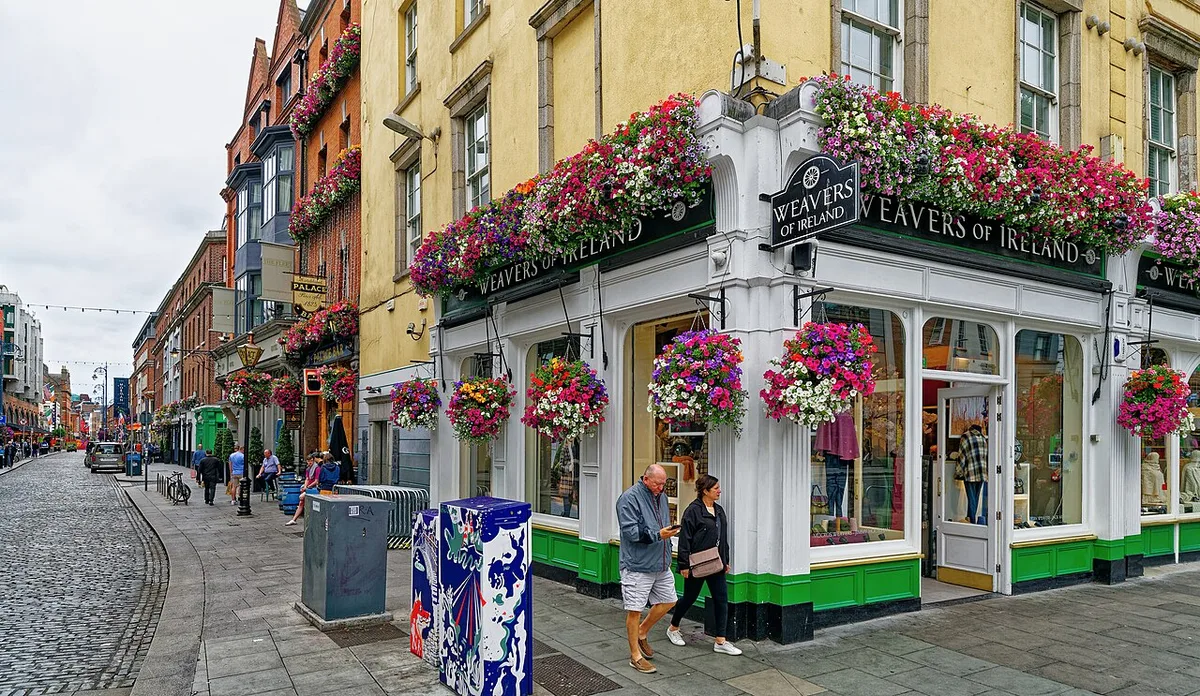
St Patrick's Festival: Dublin's Flagship Event (March)
Nothing else in the Dublin calendar comes close to St Patrick's Festival. What the rest of the world experiences as a single day of green beer is, in its home city, a multi-day festival built around the national holiday on 17 March 2026 — the programme typically runs across roughly 13 to 17 March, culminating in the great parade on the feast day itself. The festival wraps far more around that centrepiece than most visitors expect: outdoor concerts, ceili dancing, a funfair, light installations, family workshops, and a citywide programme of cultural events that fills the days on either side of the parade.
The national parade is the thing to build your trip around. It runs down O'Connell Street, Dublin's grand central boulevard, past the Spire and the General Post Office, drawing pageant companies, marching bands from across Ireland and the United States, giant puppets, and community groups in a procession that lasts well over two hours. Hundreds of thousands line the route. If you want a spot with a clear view, you need to claim it a good two to three hours before the parade starts — the stretch around the GPO and O'Connell Bridge fills first. Grandstand tickets are sold in advance for those who would rather sit; everything else is free and standing.
Because St Patrick's Day is the reason many people first think of visiting Ireland at all, I have written two dedicated companion pieces to go deeper than a calendar entry can. The St Patrick's Day guide covers the history, the traditions, and how the holiday is celebrated around the world, and my guide to how to experience St Patrick's Day is the practical, on-the-ground playbook — where to stand for the parade, which pubs to avoid, how to survive the crowds, and how to find the quieter, more genuine corners of the celebration. Read both before you come; the difference between a great St Patrick's Day and a miserable one is almost entirely down to planning. And for the Dublin-specific programme — the parade route, the ticketed concerts, and the days around 17 March — see our full Dublin St Patrick's Festival guide.
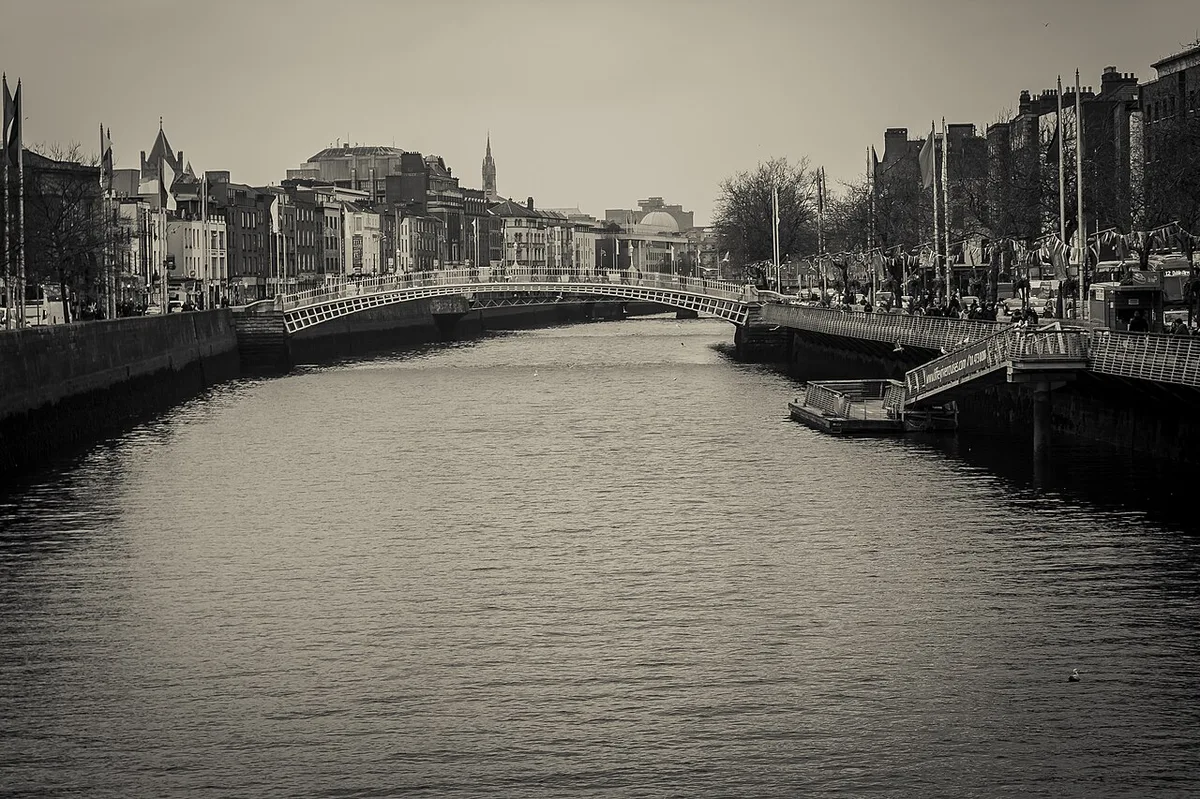
Bloomsday: Dublin's Literary Celebration (16 June)
If St Patrick's Festival is Dublin at its loudest, Bloomsday is Dublin at its most eccentric and endearing. Held every year on 16 June — the single day in 1904 on which James Joyce set the entire action of Ulysses — it sees Joyce enthusiasts dress in Edwardian costume, straw boaters and long skirts, and retrace the novel's route across the city. There are public readings, dramatised performances, and a tradition of eating the same breakfast that Leopold Bloom does in the book: grilled kidneys and a cup of tea, taken with theatrical seriousness in cafés and Joycean landmarks around the city.
The James Joyce Centre on North Great George's Street coordinates much of the official programme, and events radiate out to Sandycove — where the Martello tower that opens the novel now houses a Joyce museum — and to the Georgian streets of the south city. You do not need to have read Ulysses to enjoy it; Bloomsday is as much street theatre as literary homage, and Dubliners treat it with an affectionate, self-aware humour. Most events are free or low-cost, and mid-June is one of the loveliest times to be in the city, with long evenings and a good chance of the sun that Dublin so rarely guarantees.
Summer Music: Forbidden Fruit and Longitude
Dublin's summer belongs to its music festivals, and two anchor the season. Forbidden Fruit takes place in June in the grounds of the Royal Hospital Kilmainham, the seventeenth-century former soldiers' hospital that today houses the Irish Museum of Modern Art (IMMA). It is the more curated of the two — a weekend of alternative, electronic, and indie acts staged across the museum's formal courtyards and lawns, with a crowd that skews towards the city's music-obsessed rather than the mainstream festival circuit. The setting, all cut stone and clipped gardens, is one of the most handsome festival sites in the country.
Longitude is the bigger, brasher summer event, held in July at Marlay Park on the southern edge of the city. It leans towards hip-hop, pop, and chart headliners, and pulls a young, high-energy crowd for what is effectively Dublin's flagship pop festival. Marlay Park sits at the foot of the Dublin Mountains and is reachable by bus from the city centre; tickets for both events go on sale months ahead and the headline days sell out, so plan early if a summer trip is on the cards. Together they give the city a proper festival summer to bridge the gap between the spring parades and the autumn arts season.
Autumn: Dublin Fringe and Theatre Festival (September–October)
Autumn is when Dublin's identity as a theatre city takes centre stage. The Dublin Fringe Festival arrives in September and runs for around two weeks, filling venues large and small across the city with theatre, comedy, dance, cabaret, and performance art. It is the experimental, risk-taking end of the Irish stage — the place where new writers, one-person shows, and genre-bending work get their first proper audience. Tickets are affordable by design and the atmosphere is informal; it is the kind of festival where you can take a chance on something unknown for the price of a couple of drinks and stumble onto the best thing you see all year.
Overlapping and continuing it, the Dublin Theatre Festival runs from late September into October and is the more established, internationally minded sibling — one of the oldest theatre festivals in Europe, staging major Irish and international productions in the city's landmark venues such as the Abbey and the Gate. The two together turn autumn Dublin into a genuine theatre destination, and because they overlap you can build a trip that takes in the daring new work of the Fringe alongside a headline production from the main festival in the same few days. Booking opens well in advance and the marquee shows sell out, so reserve as soon as the programmes are announced.
Bram Stoker Festival: Dublin's Gothic Halloween (Late October)
My personal favourite in the Dublin calendar is the Bram Stoker Festival, held over the Halloween weekend in late October to honour the Dublin-born author of Dracula. Ireland is, after all, the original home of Halloween — the festival descends from the ancient Celtic feast of Samhain — and Dublin leans into that heritage with a programme that is equal parts gothic theatre, family fun, and after-dark spectacle. There are candlelit readings, immersive theatrical experiences, macabre walking tours, film screenings, street performances, and light installations that transform familiar corners of the city into something eerier.
The programme is split between free public events — outdoor spectacles, family workshops, and installations that anyone can wander into — and ticketed experiences such as the more elaborate immersive shows and late-night events, which do sell out. It is a beautifully judged festival: atmospheric enough to feel genuinely gothic, but family-friendly by day, so it works whether you are travelling with children or looking for a grown-up Halloween with a literary edge. Late October in Dublin is crisp and often dramatic underfoot with fallen leaves, which only adds to the mood. Check the official festival site for the year's exact dates and the ticketed line-up.
New Year, Getting Around, and Practicalities
Dublin closes its festival year with the New Year's Festival Dublin, running across 31 December and 1 January, with a countdown celebration, live music, and a light and sound show that lights up the city-centre skyline. It is a compact, well-organised way to see in the new year without the crush of some larger European capitals, and the free outdoor elements make it easy to join without a ticket.
Getting to and around Dublin is refreshingly simple. Dublin Airport is only around 30 minutes from the city centre by frequent airport bus, and there is no rail link from the airport, so the coach services are the way in. Once you are in town, the historic core is compact enough that most festival venues — Temple Bar, Trinity College, O'Connell Street, Dublin Castle, St Patrick's Cathedral — are within an easy walk of one another. For journeys further out to Marlay Park or the coastal suburbs, the DART commuter rail and the Luas tram network cover most of what a visitor needs. A Leap Visitor Card gives you unlimited travel across the buses, DART, and Luas for a set number of days, which is the simplest option if you plan to range beyond the centre.
- Dublin Airport to city — around 30 minutes by frequent airport coach; no airport rail link
- City centre — compact and walkable; most festival venues within a 20-minute stroll
- Leap Visitor Card — unlimited bus, DART and Luas travel for 1, 3, or 7 days
- DART commuter rail — reaches coastal Bloomsday sites at Sandycove and Dún Laoghaire
Frequently Asked Questions
When is the best time to visit Dublin for festivals?
March is the peak, built around St Patrick's Festival and the national parade on 17 March 2026. Autumn is the other high point: the Dublin Fringe Festival in September, the Dublin Theatre Festival from late September into October, and the Bram Stoker Festival over the Halloween weekend. For the best value and the most local atmosphere, late January's TradFest is hard to beat.
What are the St Patrick's Festival 2026 dates?
St Patrick's Festival 2026 is built around the national holiday on 17 March, with a multi-day programme typically running across roughly 13 to 17 March. The national parade takes place on O'Connell Street on 17 March itself, alongside concerts, ceili dancing, a funfair, and family events. The festival organisers confirm the exact programme each winter, so check the official site before booking.
What is the Bram Stoker Festival?
The Bram Stoker Festival is Dublin's gothic Halloween celebration, held over the late-October bank holiday weekend to honour the Dublin-born author of Dracula. It features candlelit readings, immersive theatre, macabre walking tours, family workshops, and after-dark light installations. The programme mixes free public events with ticketed experiences, and the ticketed shows sell out, so book early.
What is TradFest in Dublin?
Temple Bar TradFest, held in late January, is Ireland's largest festival of traditional and folk music. Concerts take place across Temple Bar's pubs and small venues and in landmark settings including Dublin Castle and St Patrick's Cathedral. Many daytime pub sessions are free, while the headline concerts in the castle and cathedral are ticketed and sell out in advance.
How do I get from Dublin Airport to the city centre?
Dublin Airport is about 30 minutes from the city centre by frequent airport coach. There is no rail link from the airport, so the express bus services are the standard way in. Once in town, most festival venues are within walking distance of one another, and a Leap Visitor Card covers the bus, DART, and Luas for onward travel to sites like Marlay Park or the coastal suburbs.
Related: Festivals and Events in Edinburgh, Festivals and Events in London, and the Europe festivals by city master guide.
Dublin's festival calendar is one of the most consistent in Europe because every event grows out of something the city genuinely is — a traditional-music stronghold, a literary capital, a theatre town, and the original home of both St Patrick and Halloween. There is no imported spectacle here, no manufactured occasion; each festival simply amplifies a part of Dublin that is true the other fifty weeks of the year too.
If you can only come once, come for St Patrick's Festival in March and give yourself the days on either side of the parade to see the rest of the programme — but do read the guides and plan your parade spot, because the difference between joy and misery on O'Connell Street is entirely logistical. For a quieter, more local Dublin, TradFest in January or the gothic Bram Stoker weekend in late October will show you a city that celebrates just as hard with a fraction of the crowds. Whichever you choose, you will find that Dublin, more than almost anywhere I know, means it.
Free guide: Europe's Festival Calendar
A month-by-month map of Europe's unmissable festivals — with the best dates to visit each and a local tip you won't find in the guidebooks.
You might also like

Continue reading
More guides you'll find useful