
Glastonbury Vs Roskilde Festival Travel Guide
Glastonbury vs Roskilde in 2026: weigh a 5-day, 177,000-strong Somerset bucket-list chase against Roskilde's calmer 8-day, 290-pound non-profit camp.
On this page
Glastonbury Vs Roskilde Festival
Last updated June 2026. Choosing between the two biggest names in European music can feel impossible for many fans. Glastonbury is a legendary British institution known for its massive scale and diverse arts. Roskilde offers a unique non-profit model and a deep sense of Danish community.
We believe both events represent the pinnacle of the summer circuit in different ways. Glastonbury provides a sprawling city of culture on a historic Somerset farm. Roskilde delivers an eight-day marathon of music and social activism just outside Copenhagen. If you are short on time and want a cleaner logistics story, Roskilde is the easier first pick.
Free guide: Europe's Festival Calendar
A month-by-month map of Europe's unmissable festivals — with the best dates to visit each and a local tip you won't find in the guidebooks.
Finding Your Perfect Festival
Deciding on a major event requires looking at more than just the headliners. We have compared the logistics, costs, and atmosphere to help you choose correctly. Our guide breaks down the core differences between these two iconic destinations. Check our european festivals compared guide for even more options.
Glastonbury is famous for its difficult ticket process and legendary mud. Roskilde is celebrated for its volunteer-run spirit and inclusive atmosphere. Both festivals offer a mix of music, art, and cultural activism. Use the table below to see the practical stats at a glance.
- Quick decision picks
- Pick Glastonbury for bucket-list status and a once-in-a-decade British experience
- Pick Roskilde for easier ticket access and a charity-backed community vibe
- Pick Glastonbury if you have five days and want the full arts-and-music spectacle
- Pick Roskilde if you want eight days, more affordable tickets, and Copenhagen proximity
| Option | Best for | Cost range | Time needed | Pros | Cons | Pick if |
|---|---|---|---|---|---|---|
| Glastonbury | Legendary status | £380+ | 5 days | Massive variety | Ticket stress, potential mud | You want the definitive UK festival |
| Roskilde | Community vibe | ~£290 full / ~£235 two-day | 8 days | Non-profit, easier tickets | Long duration, travel to Denmark | You love Scandinavia and activism |
Glastonbury Festival
Glastonbury runs for five days on Michael Eavis's Worthy Farm in Pilton, Somerset, and it is the largest greenfield festival in the world. At 177,000 attendees it becomes the third-largest city in the South West of England for the week. The site covers over 900 acres, meaning you genuinely will not see everything even if you arrive Wednesday and leave Monday. Go for the full week or accept that trade-off.
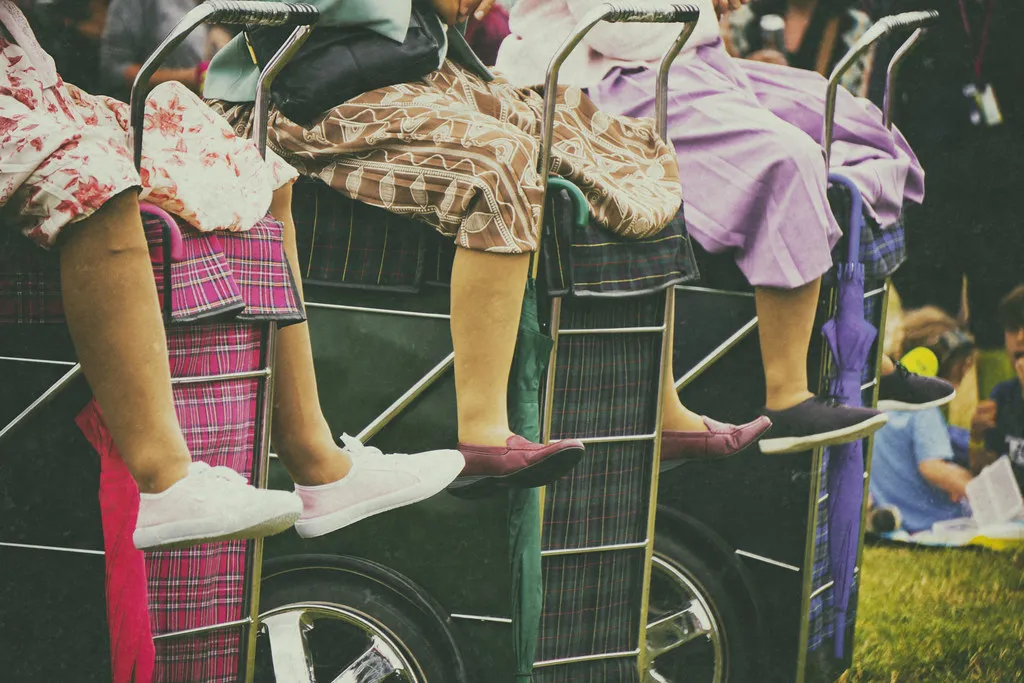
The Pyramid Stage is the centrepiece, hosting the biggest headliners and some of the most-watched TV performances in British music history. But the real magic is in the peripheral areas. Shangri-La is an immersive late-night world of art and radical politics. The Healing Fields offer yoga, woodcraft, and a genuine sanctuary when the music overload hits. The Stone Circle draws a quiet crowd at dawn that is unlike any other festival moment we know.
Getting a ticket is the famous obstacle. You first register months in advance with a photo ID. If successful you pay a deposit — typically around £50 — and then settle the balance by a later deadline (the total in recent years has hovered around £340–£380). The entire allocation sells in minutes, so you need to be online at the moment tickets drop. Arrive early in the week: traffic leaving on Monday has historically taken up to nine hours from the car park alone.
Roskilde Festival
Roskilde is a non-profit event that has given all profits to humanitarian causes since 1971. The Roskilde Festival Charity Society runs it with roughly 30,000 volunteers — virtually the entire staff is unpaid. Since its founding, the festival has distributed over DKK 457 million to charity, with a strong focus on supporting young people globally. This model creates a sense of ownership and shared purpose that you simply do not feel at a commercial event. Check the official roskilde-festival.dk site for the latest charity and lineup updates.
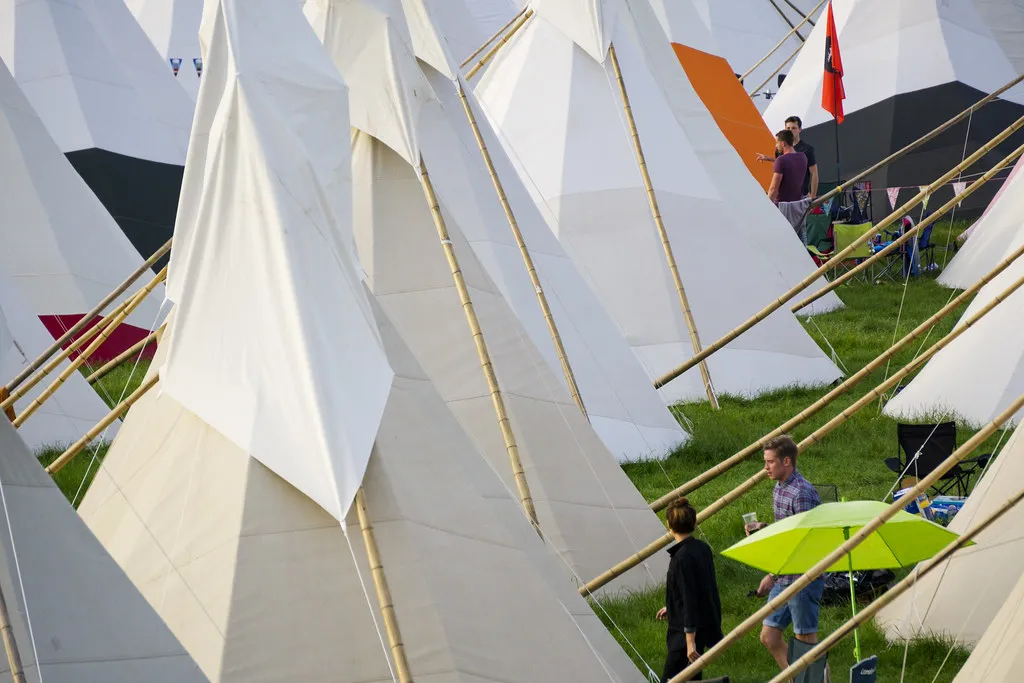
The festival runs for eight days, including a four-day warm-up period before the main programme begins. The Orange Stage is the iconic centrepiece. At peak capacity the festival attracts around 130,000 attendees across eight stages with 185 or more acts from dozens of countries. The site sits just 25 minutes from Copenhagen Central Station by train, making day trips from the city genuinely viable — though most people camp for the full duration.
Roskilde's lineup consistently mixes global superstars with underground and politically engaged artists. The 2025 edition featured Charli XCX, Stormzy, Olivia Rodrigo, Nine Inch Nails, Fontaines D.C., and FKA Twigs alongside a strong commitment to queer and international voices. The 2026 programme continues this tradition. The Danish concept of hygge shows up even in the largest crowds — strangers share food, camp kitchens, and morning coffee in ways that would feel odd at most UK events.
Tickets and Prices: The Real Cost Comparison
Roskilde is meaningfully cheaper than Glastonbury, and the buying process is far less stressful. A full eight-day Roskilde ticket costs DKK 2,520, which works out to approximately £290 at current rates. Two-day tickets run around £235 and single-day tickets approximately £178. There is no registration bottleneck, no coordinating seven friends while two of them go offline, and no panic-refresh loop at 09:00 on a Wednesday. Tickets sell through the official site in a conventional checkout flow.
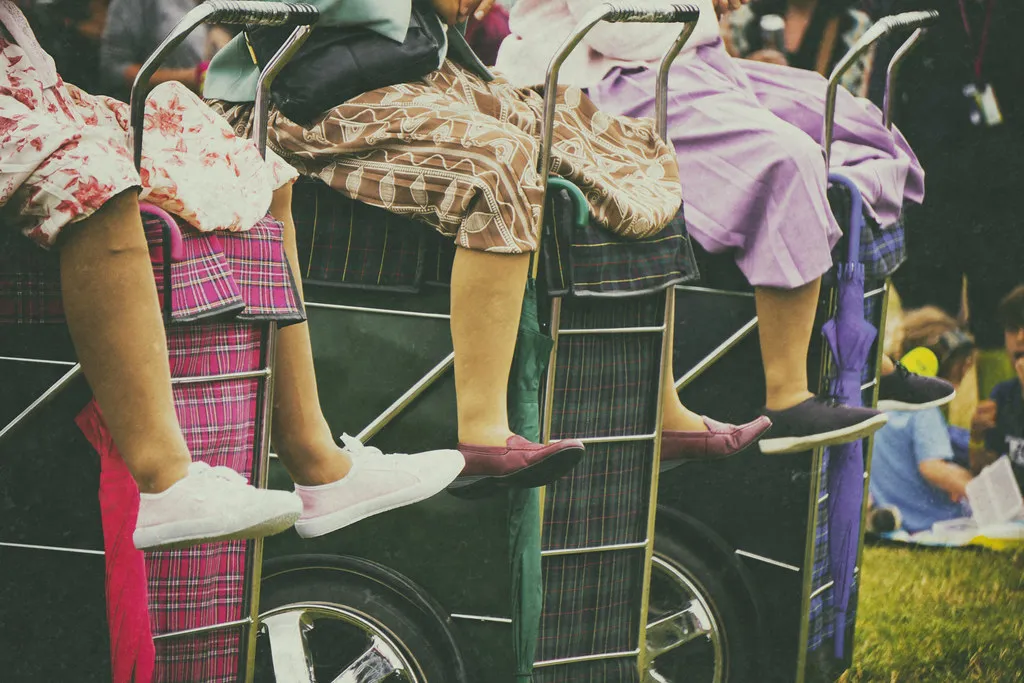
Glastonbury works differently. Registration happens months before the sale, requires a photo, and costs roughly £5 to register. On sale day, you need to be online at the exact moment the window opens. The ticket price in recent years has been around £340–£380 for a full festival pass. If you secure one and later decide not to go, you can return it for a partial refund of approximately £40 on the deposit portion. The intensity of the chase is real — some people queue the ticket system for three hours straight just to get registered, let alone to complete a purchase.
Budget the full cost honestly. Glastonbury involves UK train or car travel to Somerset, which can be expensive in peak summer. Roskilde adds the cost of flights to Copenhagen plus a short train transfer, but Copenhagen's summer flight market is competitive and the city itself rewards a few extra days of sightseeing. Factor in food and drink on site: both festivals have extensive market options, but neither is cheap once you're through the gates.
Logistics and Getting There
Glastonbury's logistics are famously demanding. The nearest rail connection is Castle Cary, which runs shuttle buses to the site. Driving is possible but the car parks can take up to nine hours to clear on the final Monday. The consensus advice from veterans is to arrive Wednesday, leave early Sunday evening, and skip the worst of the queues by driving at unusual hours. Somerset's roads were not designed for 177,000 people converging on a single farm.
Roskilde is logistically simple by comparison. Fly into Copenhagen Airport (CPH), take the regional train from the airport straight to Roskilde Station — the journey is about 35 minutes — and walk to the campsite. The festival site is 25 minutes from central Copenhagen by train. If you camp for the full eight days, the logistics only happen twice: arrival and departure. There is no mud-contingency planning required because the Danish summer is drier on average than a Somerset June, though it can still rain.
Camping is the default at both festivals. Glastonbury has well-established camping zones and a growing glamping market if you want a bed. Roskilde's campsite culture is a festival in itself — the camp communities form early in the warm-up days, develop their own social rituals, and often become the part attendees remember most. Both offer accessible camping options for visitors with disabilities; check each festival's accessibility pages well ahead of time as accommodation types book up early.
Which Festival Actually Suits You
Glastonbury is the right choice if you want to witness history being made on a famous stage. The variety of theatre, circus, and cabaret alongside the music means you could spend five days never watching a band and still have a full experience. It is a quintessentially British event that carries genuine cultural weight. Choose it if you can absorb the ticket stress and are prepared for a physically demanding site.
- Glastonbury is for you if
- You want a legendary, once-in-a-generation bucket-list moment
- You love British farm culture, arts, and the Pyramid Stage legacy
- You are comfortable with competitive ticket buying and potential mud
- You want five intense days rather than eight slower ones
Roskilde is perfect for those who want a longer, more immersive trip with a clear ethical purpose. The eight-day format allows a genuinely slower pace — the first few days in the campsite are as much a part of the experience as the stages. Pick this festival if you value non-profit goals and want to know your ticket money went somewhere meaningful. The logistics are smoother and the city of Copenhagen makes it a natural anchor for a Scandinavian summer trip.
- Roskilde is for you if
- You support non-profit and activist festival culture
- You want an eight-day experience with deep community camping
- You prefer Scandinavian summers and Copenhagen as a base
- You want accessible ticket buying without the registration lottery
The Bottom Line
Both festivals are world-class, but they cater to different desires. Glastonbury is the ultimate spectacle of variety and legendary musical moments. Roskilde is the gold standard for community, ethics, and camping culture. The choice depends mostly on your tolerance for logistics complexity and your appetite for a longer, slower festival pace.
Our take: Roskilde is the better pick for the average first-time visitor to the European festival circuit. The ticket process is straightforward, the price is roughly £90 lower than Glastonbury for a full pass, and the eight-day format delivers better value per day. Do both if you ever get the chance. They are both essential pillars of the global festival landscape, and they are genuinely different enough that neither replaces the other. Compare more options in our tomorrowland vs primavera sound guide.
Frequently Asked Questions
Which festival is bigger than Glastonbury?
Donauinselfest in Vienna is technically larger by attendance numbers. However, Glastonbury remains the largest greenfield festival in the world. It covers over 900 acres of Somerset farmland.
What is the average age for Roskilde Festival?
The average age at Roskilde is typically around 24 years old. However, the festival is very inclusive and attracts older fans. Many families and long-time attendees return every year.
Which festival is most like Glastonbury?
Roskilde is often called the Danish Glastonbury due to its size and variety. Both festivals share a similar spirit of activism and diverse arts. They both dominate their respective national cultures.
Visiting Europe for more than one festival? See our complete guide to festivals and events in Europe.
Glastonbury and Roskilde both offer life-changing experiences for music lovers. Whether you choose the mud of Somerset or the camps of Denmark, prepare well. The memories made at these events often last a lifetime.
Free guide: Europe's Festival Calendar
A month-by-month map of Europe's unmissable festivals — with the best dates to visit each and a local tip you won't find in the guidebooks.
You might also like


Continue reading
More guides you'll find useful


