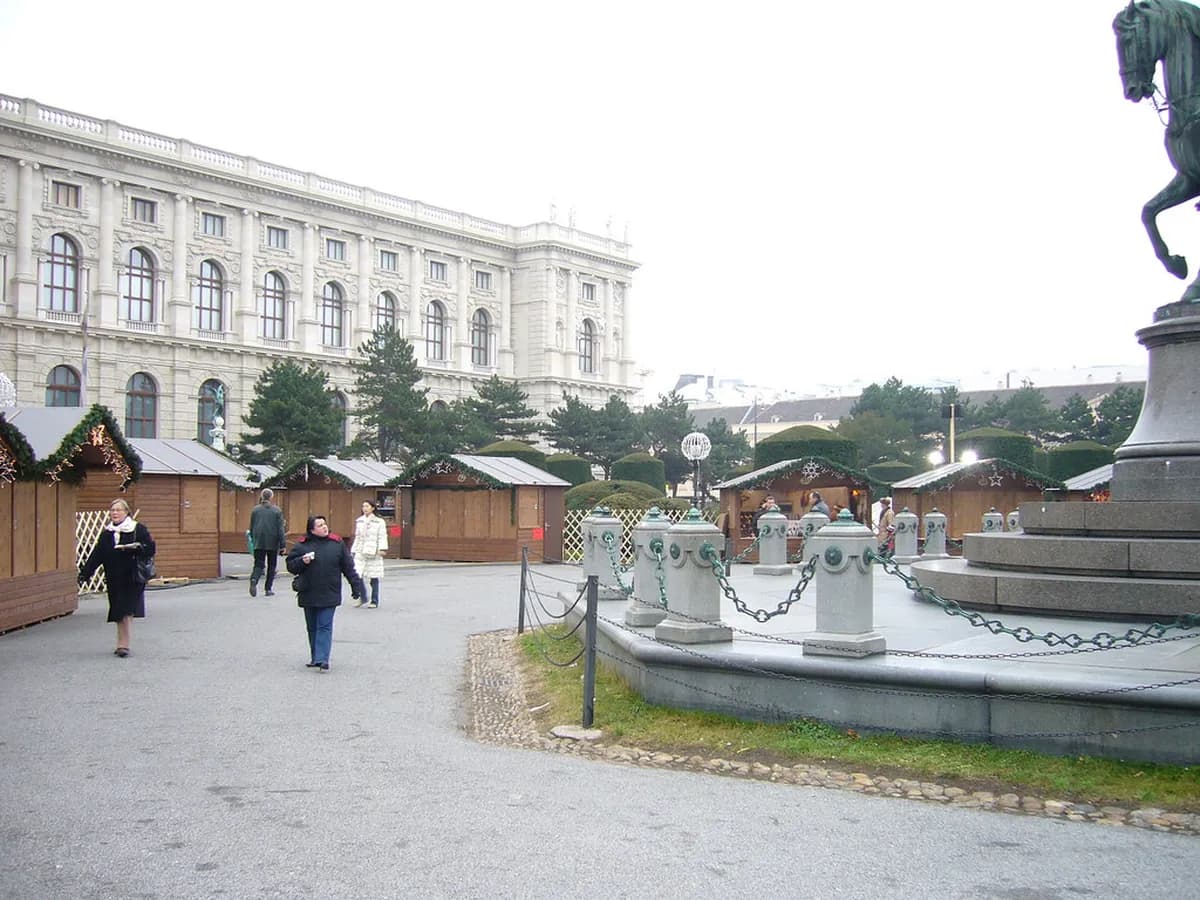
Vienna Vs Budapest Christmas Markets Travel Guide
Vienna vs Budapest Christmas markets compared by scale, cost, food, and crowd level — pick the right city or plan both with our 2026 guide.
On this page
Vienna Vs Budapest Christmas Markets: Which Is Worth It?
Last updated June 2026. Vienna and Budapest are two of Central Europe's most celebrated Christmas market destinations, and the debate between them comes up every winter. Both cities light up their historic squares from mid-November through Christmas Eve, with mulled wine, roasted chestnuts, and hand-crafted gifts filling the cold air.
Vienna offers more than 20 individual markets spread across imperial palace courtyards and baroque squares. Budapest counters with an award-winning market at St. Stephen's Basilica that has been named the best in Europe multiple times. Each city costs differently, feels differently, and rewards different types of travellers.
Both cities sit along the Danube corridor and are roughly 2.5 hours apart by direct train, which makes combining them genuinely practical. In our view, Vienna edges ahead for first-time visitors who want the full Central European market experience. If you are short on time and can only pick one, pick Vienna — but read on, because Budapest makes a strong case.
Free guide: Europe's Festival Calendar
A month-by-month map of Europe's unmissable festivals — with the best dates to visit each and a local tip you won't find in the guidebooks.
Vienna vs Budapest: Quick Comparison
The table below captures the key trade-offs between the two cities across six decision criteria. Use it alongside the quick-decision list to find your match before reading the full sections. Prices reflect typical 2026 ranges for market food, drinks, and entry where applicable.
- Quick decision: pick the right city fast
- Pick Vienna for the widest range of markets and palace settings
- Pick Budapest for award-winning atmosphere and better value
- Pick Vienna for a classic first-timer Central Europe trip
- Pick Budapest if thermal baths are on your itinerary
- Pick both if you have 5 or more days in the region
| Criterion | Vienna | Budapest |
|---|---|---|
| Distinguishing trait | Imperial grandeur | Award-winning charm |
| Number of markets | 20+ across the city | 5–8 key markets |
| Best single market | Rathausplatz (City Hall) | St. Stephen's Basilica |
| Typical glühwein price | €4–€6 plus €2–€3 deposit | ~800–1,200 HUF (~€2–€3) |
| Time needed | 2–3 days to cover highlights | 1–2 days for the main markets |
| Currency | Euro | Hungarian Forint (cash helpful) |
| Best for | First-timers, palace lovers, café culture | Budget travellers, spa fans, foodies |
| Pick if | You want sheer scale and variety | You want the award-winning experience |
Vienna Christmas Markets: Imperial Scale
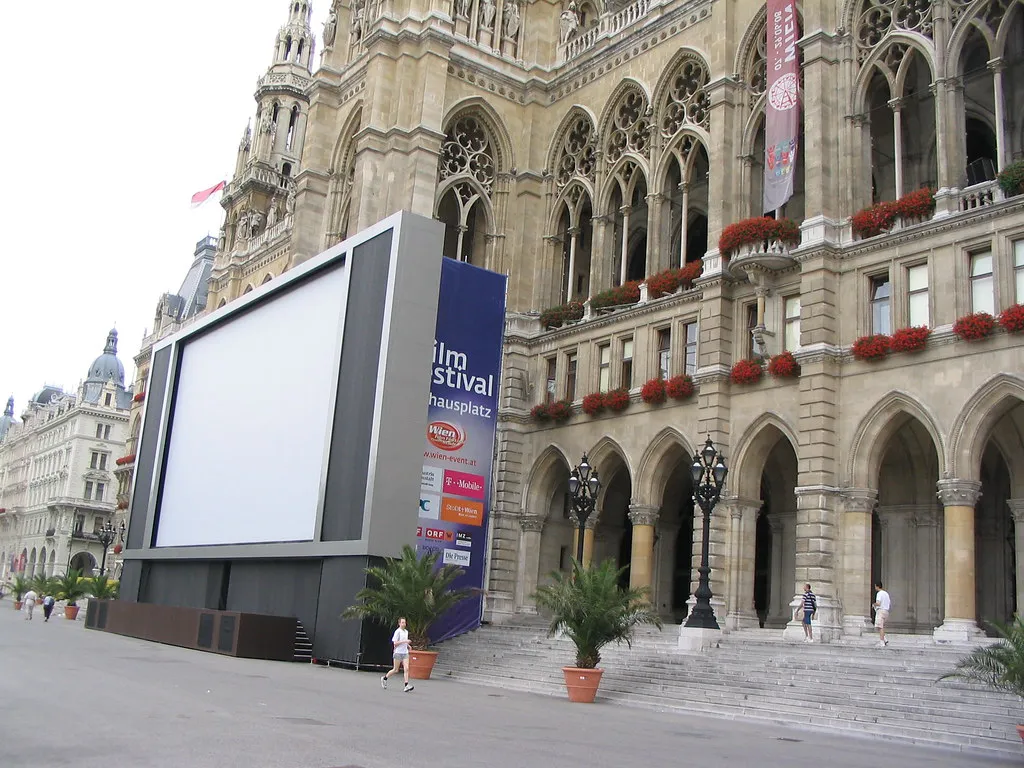
Vienna's Christmas market season runs from mid-November through Christmas Eve across more than 20 separate markets in 2026. The flagship Wiener Christkindlmarkt at Rathausplatz, in front of the neo-Gothic City Hall, is the most famous and draws the largest crowds on weekday evenings. Markets at Schönbrunn Palace and Belvedere Palace offer a grander backdrop and slightly calmer atmosphere than the city-centre sites.
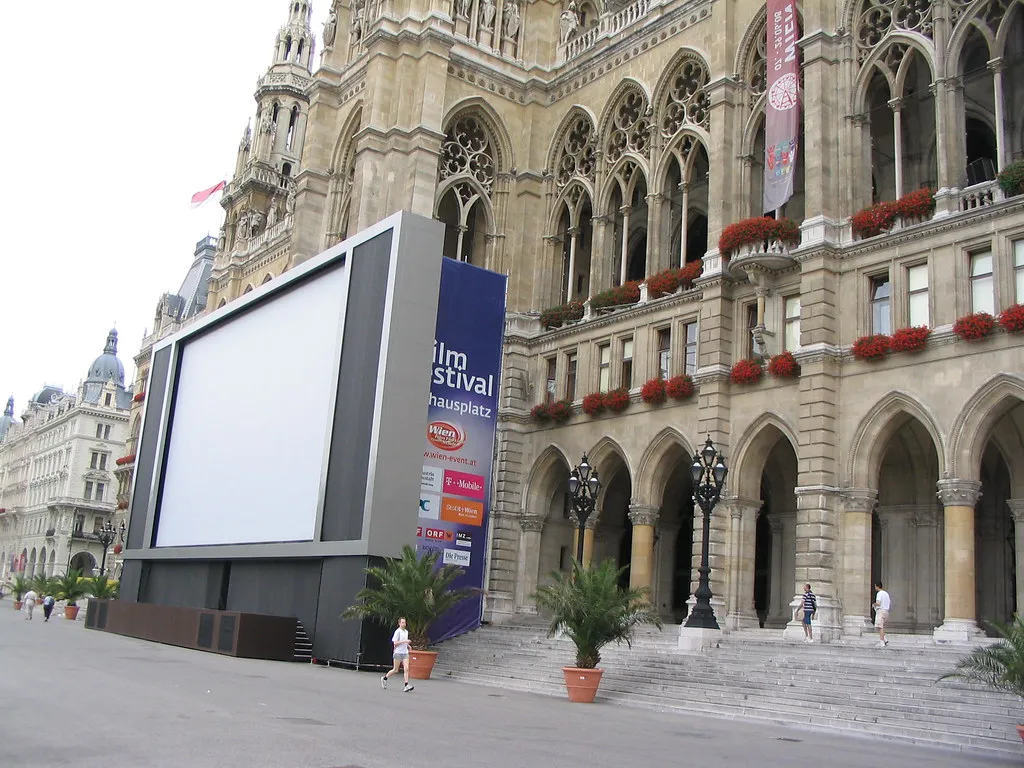
Getting around is straightforward — the Vienna U-Bahn reaches Schönbrunn in under 10 minutes from the Naschmarkt area, and most major markets are within a short tram or subway ride of each other. The evening tour of the Vienna Christmas markets is a solid way to cover multiple sites in one go for first-timers who want orientation without a lot of planning. Smaller neighbourhood markets along Spittelberggasse in the 7th district offer a quieter, more local feel that contrasts well with the palace scale.
Glühwein at Vienna's markets comes in a ceramic souvenir mug — each market has its own design — and you pay a refundable deposit of around €2–€3 on top of the drink price. Keep the mug as a memento or return it for the deposit; either way it signals one of Vienna's most distinctive market traditions. Food stalls lean toward Austrian classics: Kaiserschmarrn (shredded caramelised pancake), warm Bauernkrapfen pastries dusted with icing sugar, and sausages at nearly every corner.
The market at Stephansplatz, in front of St. Stephen's Cathedral, features a light show projected onto the cathedral facade that runs roughly every 30 minutes after dark. Arrive before 6pm on weekdays to avoid the densest crowds; weekends in late November are the busiest period across all markets. For a broader city guide to choosing your first European Christmas market, we have a dedicated breakdown comparing Vienna against other top contenders.
Budapest Christmas Markets: Award-Winning Charm
Budapest's Christmas market scene is smaller in number but punches above its weight in quality. The market at St. Stephen's Basilica has won the title of best European Christmas market multiple times, drawing visitors from across the continent specifically to stand in that square. A light-and-sound show is projected onto the Basilica facade every 30 minutes from late afternoon, and it consistently ranks as one of the most memorable single moments across all Central European Christmas markets.
The city is divided by the Danube — Buda to the west, Pest to the east — and each side hosts its own market flavour. The Magical Advent at Fisherman's Bastion in Buda offers castle-hill views over the lit parliament building, while the Vörösmarty Square market in Pest leans more commercial but covers a wide selection of Hungarian crafts. Europe's largest outdoor ice rink operates at City Park between Heroes Square and Vajdahunyad Castle, with a charming smaller Christmas market directly behind the rink.
Hungarian market food is a genuine differentiator: lángos (fried dough topped with garlic, sour cream, and cheese) costs roughly 600–900 HUF, and goulash served in a bread bowl is a warming staple that most Vienna markets do not replicate. Kürtőskalács — a spiral chimney cake coated in cinnamon and sugar — is Budapest's answer to Prague's trdelník and is worth seeking out at the St. Stephen's market stalls. Cash in Hungarian forints is genuinely useful here; card acceptance varies across market stalls more than in Vienna.
One practical advantage Budapest holds is cost: a mug of forralt bor (Hungarian mulled wine) runs roughly 800–1,200 HUF, which at current exchange rates is €2–€3 — notably cheaper than Vienna's equivalent. Hotel prices in Budapest also run 20–40% lower than comparable properties in Vienna during December, giving the city a clear budget edge for multi-night stays. Pairing a morning soak at Széchenyi Thermal Bath with an afternoon at the markets is a Budapest-specific itinerary that Vienna simply cannot match — and it is a strong reason to extend your stay by an extra day.
What to Do in Budapest in Winter Beyond the Markets
Budapest's winter appeal extends well past the Christmas market stalls, and that is a genuine reason to book more nights than you think you need. The Széchenyi Thermal Bath in City Park stays open year-round and is particularly atmospheric in December — steam rises from the outdoor pools while the temperature drops, and the baths are a 10-minute walk from the City Park ice rink and its surrounding market. Arriving at Széchenyi before 10:00 by weekdays avoids the tourist rush; entry runs around 5,500–6,500 HUF in 2026 depending on the day and locker option you choose.
The Buda Castle district rewards a half-day on its own. The walk up from the Chain Bridge to the Castle Hill plateau passes Matthias Church and the Fisherman's Bastion — the latter offers the most dramatic panorama of the illuminated Parliament across the Danube and is free to walk through during the day. The Christmas market directly beside the Bastion runs evenings from late November, so a single afternoon trip covers architecture, views, and market stalls in one go.
The Central Market Hall near Liberty Bridge is one of the best places to shop in Budapest at any time of year, and in December it doubles as a warm refuge. The ground floor sells fresh produce, paprika, salami, and bread; the upper gallery is lined with embroidered tablecloths, hand-painted ceramics, and foie gras — all at lower prices than the market stalls outside. A river cruise along the Danube at dusk, with the Parliament lit up, is one of those Budapest winter moments that competitors consistently mention as stopping visitors in their tracks, and tours depart from near the Elizabeth Bridge from around 3,500 HUF per person.
Winter Food and Drink: What Each City Does Best
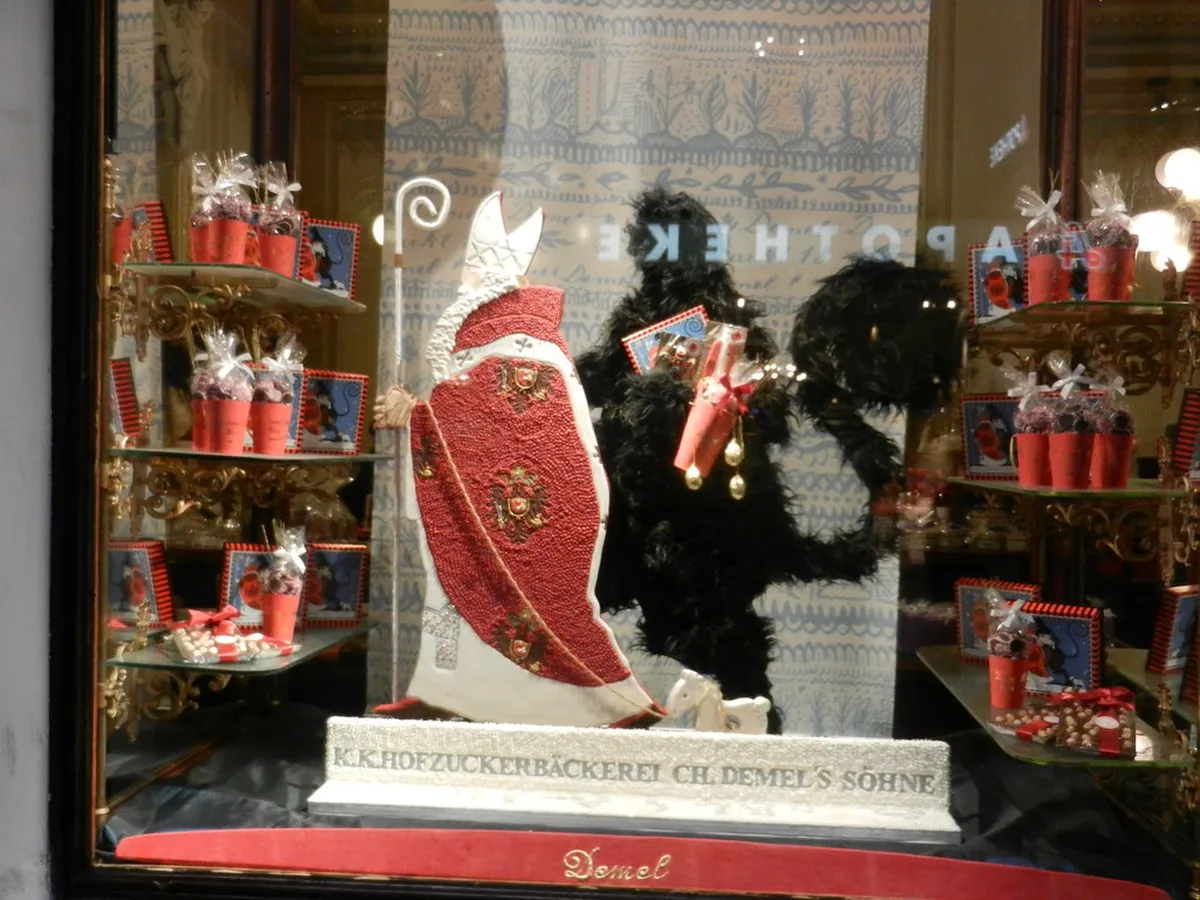
Vienna and Budapest both take winter food seriously, but in entirely different directions. In Vienna, Kaiserschmarrn — caramelised shredded pancake dusted with icing sugar, served with plum jam — is the quintessential market sweet. Cafe Demel near the Kohlmarkt is the classic address for a sit-down version alongside Sachertorte. At the markets themselves, warm Bauernkrapfen pastries (fried doughnuts with jam or curd) and roasted chestnuts sold from street carts fill gaps between stands. Schnitzel with cranberry sauce is the go-to warming dinner at almost any traditional Viennese restaurant near the centre.
Budapest's market food is arguably more distinctive. Lángos — deep-fried dough topped with garlic cream, sour cream, and grated cheese — is a Budapest staple that costs 600–900 HUF from market stalls and is hard to find in the same form anywhere else in Central Europe. Kürtőskalács, the spiral chimney cake coated in cinnamon and sugar, appears at the St. Stephen's Basilica market and makes a good hand-warmer as much as a snack. Goulash served in a hollowed bread bowl is widely available near the market clusters and is worth seeking out for lunch on a cold afternoon. For breakfast before a full market day, the eggs benedict at Budapest Baristas near Király utca regularly comes up as a local favourite for visitors.
Both cities serve mulled wine at every stall, but the product differs. Vienna's Glühwein is typically a spiced red wine with cinnamon, cloves, and star anise, served in a ceramic souvenir mug unique to each market — the mug deposit system (€2–€3 back on return) is worth understanding before you start collecting. Budapest's forralt bor follows the same general spice profile but is often lighter and noticeably cheaper. Hot apple punch and elderflower versions appear alongside wine at both cities' markets and are the better option if you want something non-alcoholic that still feels seasonal.
Practical Tips: Timing, Crowds, and Getting Between the Two Cities
Both cities open their main markets from mid-November through Christmas Eve, with a few exceptions that run to 31 December. Weekday evenings between 17:00 and 20:00 are the sweet spot for crowd balance: markets are lit and atmospheric but not at weekend-afternoon density. The last two weekends before Christmas are the busiest across both cities; if your schedule is flexible, arriving in early December gives a noticeably calmer experience. In Vienna specifically, weekends in late November fill the Rathausplatz market to near-capacity — the palace markets at Schönbrunn and Belvedere are a practical alternative on those days.
Cash is more important in Budapest than in Vienna. Most Vienna market stalls now take card, but Budapest stalls vary significantly — having a stock of Hungarian forints avoids the awkward moment at a kürtőskalács counter. ATMs in both cities are straightforward; draw forints from a bank ATM rather than a currency exchange booth to avoid poor conversion rates. In Vienna, the U-Bahn covers all major market clusters efficiently: Schönbrunn is under 10 minutes from the Naschmarkt area on the U4, and Rathausplatz is a short walk from the Rathaus U2 stop.
Direct trains between Vienna and Budapest run multiple times daily, taking approximately 2.5 hours from Wien Hauptbahnhof to Budapest Keleti station. Booking at least a few days in advance in December is wise — trains fill on weekend mornings and pre-Christmas Fridays. The fare for a standard seat is roughly €20–€45 depending on how early you book; the OBB and MAV websites both list the route. If you are combining both cities, three nights in Vienna plus two nights in Budapest is a workable minimum for covering the main markets without rushing.
Pick Vienna If…
Vienna suits travellers who want maximum variety and the classic Central European Christmas market template in one city. With more than 20 markets covering palace courtyards, neighbourhood streets, and grand public squares, it is the most complete single-city Christmas market destination in the region. The breadth means you can spend two full days moving between entirely different atmospheres without repeating yourself.
First-time visitors to Central Europe consistently find Vienna the more approachable starting point: English signage is pervasive, the transit network is excellent, and the city's cafe culture offers warm refuge between markets. Vienna also pairs naturally with a side trip to Salzburg, just over an hour by train, for those wanting to extend the Christmas market circuit. For inspiration on building a wider itinerary, our guide to how many days you need for Christmas markets covers realistic day-counts for Vienna and combination trips.
- Pick Vienna if you match these traveller types
- You want 20+ markets and palace settings
- Imperial architecture and café culture are on your list
- It is your first time visiting Central Europe
- You plan to combine with Salzburg or Prague
- Schnitzel, Sachertorte, and Austrian wine are priorities
Pick Budapest If…
Budapest rewards travellers who prioritise depth over breadth and are happy to spend more time at fewer, higher-quality markets. The St. Stephen's Basilica market is a genuinely world-class experience, and the Fisherman's Bastion market at night — with parliament illuminated across the Danube — is the kind of view that sticks with you. Neither of those moments requires visiting more than two or three market sites in a day.
Budget-conscious travellers will stretch their money further in Budapest: cheaper food, cheaper drinks, and cheaper accommodation make a meaningful difference over a two- or three-night stay. The addition of thermal baths — most notably Széchenyi, which stays open year-round — gives Budapest a unique wellness angle that Vienna cannot match. Those looking to compare Budapest against other affordable Central European options will find useful context in our look at Prague vs Vienna Christmas markets, which maps out the full regional picture.
- Pick Budapest if you match these traveller types
- You want the award-winning market experience
- Budget travel matters and forints go further
- Thermal baths are on your itinerary
- Unique Hungarian food is a priority
- You prefer fewer crowds and a more local pace
The Bottom Line
For the average first-time visitor to Central Europe in winter, Vienna is the stronger pick: it delivers more markets, more variety, and the most iconic Christmas market setting on the continent. The Rathausplatz market alone — with the illuminated neo-Gothic City Hall as its backdrop — is the image most people carry when they imagine a European Christmas market. If that image is what you are chasing, Vienna delivers it with room to spare.
Budapest, however, is the better call for return visitors, budget travellers, or anyone who values a specific award-winning experience over sheer scale. The St. Stephen's Basilica market is genuinely special, the food is more distinctive, and the city costs less at every level. If your itinerary allows five or more days in the region, do both — they are only 2.5 hours apart by direct train, and together they form the most rewarding Christmas market trip in Central Europe.
Frequently Asked Questions
Which is prettier, Vienna or Budapest at Christmas?
Both cities are stunning in December, but they impress differently. Vienna's illuminated palace squares and overhead light installations create a grander, more theatrical effect. Budapest's Fisherman's Bastion at night, with the lit Parliament across the Danube, offers a more dramatic single panorama. For overall visual scale, Vienna edges ahead; for a single unforgettable view, Budapest wins.
Is Vienna worth visiting for Christmas markets?
Vienna is one of the best cities in Europe for Christmas markets. With more than 20 markets open from mid-November through Christmas Eve in 2026, it offers more variety than almost any other destination. The Rathausplatz and Schönbrunn Palace markets alone are worth the trip for first-time visitors to Central Europe.
Are Budapest Christmas markets worth it?
Budapest's Christmas markets are genuinely worth it, especially the St. Stephen's Basilica market, which has won the best European Christmas market award multiple times. The city also costs significantly less than Vienna — mulled wine runs €2–€3 versus €4–€6 — making it an excellent value destination during the holiday season.
Can you visit both Vienna and Budapest in one trip?
Yes, and we recommend it. Direct trains connect Vienna and Budapest in approximately 2.5 hours, with multiple departures daily. A combined itinerary of 4–6 days — two to three nights in each city — covers the major markets comfortably without rushing. Check how many days you need for Christmas markets for a fuller planning guide.
What is the best Christmas market in Budapest?
The market at St. Stephen's Basilica is widely considered the best in Budapest and has been named the best Christmas market in Europe multiple times. Its light show projected onto the Basilica facade runs every 30 minutes after dark. The Vörösmarty Square market and the Magical Advent at Fisherman's Bastion are strong second choices.
Visiting Europe for more than one festival? See our complete guide to festivals and events in Europe.
Vienna and Budapest both deserve their reputations as top Christmas market destinations, and choosing between them comes down to what kind of traveller you are. Vienna wins on scale, variety, and the classic Central European template; Budapest wins on value, awards, and the distinctive charm of its Basilica market. Neither choice is wrong — and if your schedule allows, combining both cities by train remains the most rewarding way to experience Christmas markets in this part of Europe.
For more help planning your trip, our guide to Strasbourg vs Colmar Christmas markets covers the best Alsace options, and our best European Christmas market for first-timers page maps the full continent. Whichever city you choose, book accommodation early — December is the busiest month of the year in both Vienna and Budapest, and central hotels fill up fast.
Free guide: Europe's Festival Calendar
A month-by-month map of Europe's unmissable festivals — with the best dates to visit each and a local tip you won't find in the guidebooks.
You might also like


Continue reading
More guides you'll find useful


