Dresden Music Festival 2026: Complete Guide (Dresdner Musikfestspiele)
Dresden Music Festival 2026 (Dresdner Musikfestspiele): dates, venues, tickets, and how to plan a classical-music trip to Dresden's Baroque Altstadt.
On this page
Dresden Music Festival 2026: Complete Guide (Dresdner Musikfestspiele)
Dresden is one of those cities where the architecture does half the work before a single note is played. When the Dresdner Musikfestspiele — the Dresden Music Festival — takes over the Baroque Altstadt each May and June, it is staging some of the world's finest orchestras and soloists in rooms that were built, rebuilt, and lovingly restored to hold exactly this kind of sound. The 2026 edition runs roughly from mid-May to early June, spread across the Semperoper, the Frauenkirche, the Kulturpalast, and a handful of palaces and churches within a few minutes' walk of one another. I still remember my first Semperoper concert night here — walking out into the floodlit Theaterplatz afterward, the applause still ringing, the Zwinger glowing across the square — and thinking that few festivals anywhere fuse music and setting quite so completely. For the wider picture of what happens in the city across the year, the festivals and events in Dresden guide maps out the full calendar.
The festival was founded in 1978, which makes it one of Central Europe's established classical events, and each year it hangs its programme on a thematic motto. Those mottos rotate — one year the focus might be a composer, another a place, another an idea like "power" or "memory" — so the 2026 theme is worth confirming from the official programme rather than assumed. What does not change is the ambition: this is a festival that brings international touring orchestras, star soloists, and specialist early-music and chamber ensembles to a compact, walkable stretch of one of Germany's most beautiful cities.
This guide covers the 2026 dates and how to read them, the venues and why they matter, the shape of the programme, how tickets work and what they cost, and the practicalities of getting to Dresden and building a trip around the music. Whether you are coming for a single Semperoper gala or planning a long weekend of concerts, the Dresdner Musikfestspiele is a dependable reason to be in Saxony in late spring.
Free guide: Europe's Festival Calendar
A month-by-month map of Europe's unmissable festivals — with the best dates to visit each and a local tip you won't find in the guidebooks.
What the Dresdner Musikfestspiele Is
The Dresdner Musikfestspiele — literally the Dresden Music Festival Games, though it is universally translated simply as the Dresden Music Festival — is an annual classical-music festival held in late spring. It was founded in 1978, during the years when Dresden sat behind the Iron Curtain, and it survived reunification to become one of the more internationally oriented festivals in the German-speaking world. Today it draws orchestras and artists from across Europe, the Americas, and Asia for roughly three to four weeks of concerts.
What sets it apart from a typical concert season is the combination of breadth and setting. In a single edition you might find a great symphony orchestra one night, a Baroque ensemble on period instruments the next, a chamber recital in a palace hall, and a jazz or world-music crossover programme to close a weekend. The festival deliberately mixes registers — it is not purely a symphonic showcase — while keeping classical music at its core.
Each year is organised around a thematic motto, a single word or phrase that threads through the programming and shapes which artists and works are invited. This is part of what gives the festival its identity: the motto is not just marketing, it genuinely influences the season's repertoire. Because the theme changes annually, I would not guess at the 2026 motto here — check the official programme when it is published, and you will find the concerts grouped and framed around whatever idea the artistic direction has chosen for the year.
Dresden Music Festival 2026: Dates
The 2026 edition of the Dresdner Musikfestspiele runs approximately from mid-May to early June, covering about three to four weeks. That places it squarely in one of the loveliest windows to be in Saxony: late-May Dresden is mild, the days are long, and the Elbe riverbanks are green and busy in the evenings. In practice the festival typically opens with a large gala or orchestral concert and closes with an equally prominent event, with a dense programme of performances filling the weeks in between.
Because the exact opening and closing dates move slightly from year to year — and because individual concerts within the run each have their own date and time — I would not pin your travel to a specific day without confirming. The safest approach is to decide roughly which week you want to be in Dresden, then check the official programme for the concerts on offer in that window and build your trip around the performances you most want to hear.
A few timing notes worth keeping in mind. Weekends within the festival run tend to carry the marquee events, so if you want a Semperoper night or a headline touring orchestra, expect it to fall on a Friday or Saturday and to sell fastest. Weekday concerts — chamber recitals, early-music programmes, smaller venues — are often easier to get into and, in my experience, no less rewarding. And because late May can include public holidays in Germany (Ascension and Whitsun frequently land in this window), some concert weekends coincide with domestic travel peaks, which affects both hotels and trains as much as tickets.
The Venues — and Why They Matter
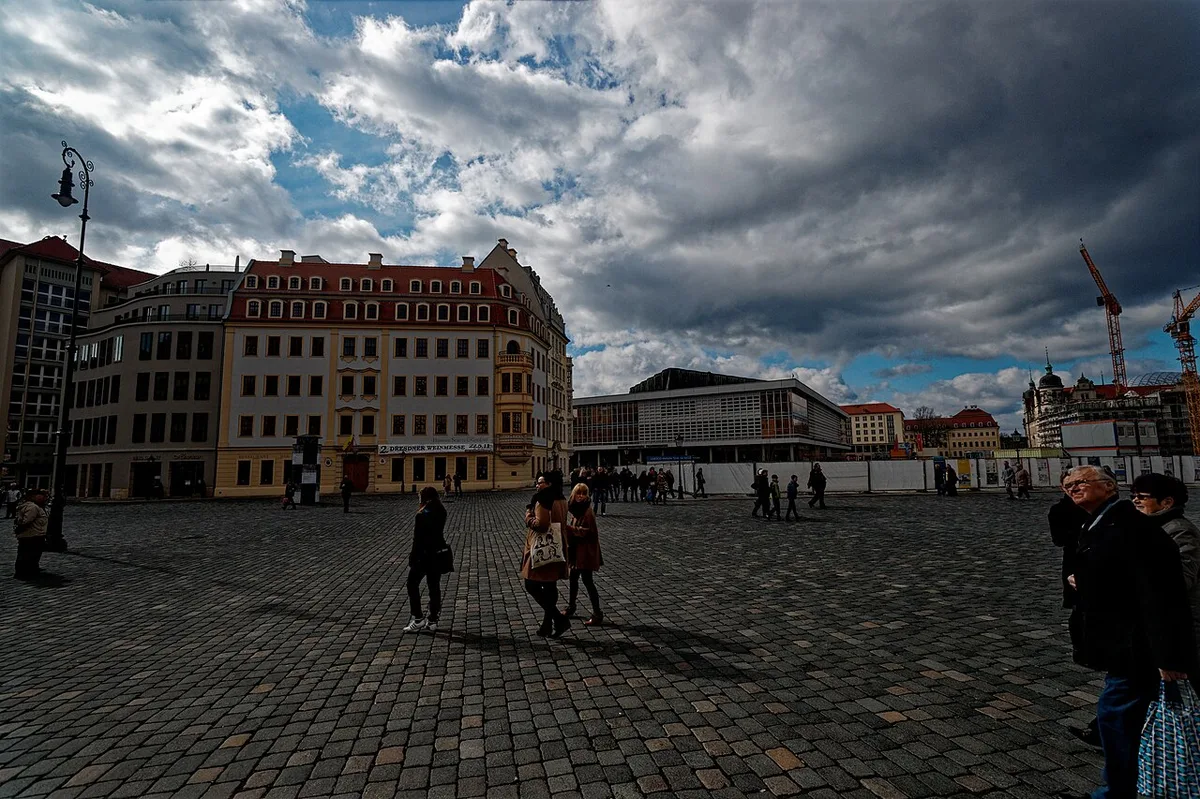
Half the pleasure of the Dresdner Musikfestspiele is where you hear it. The festival uses a cluster of venues concentrated in and around the Baroque Altstadt, most of them within a ten-minute walk of each other. The setting is genuinely part of the experience, not a backdrop.
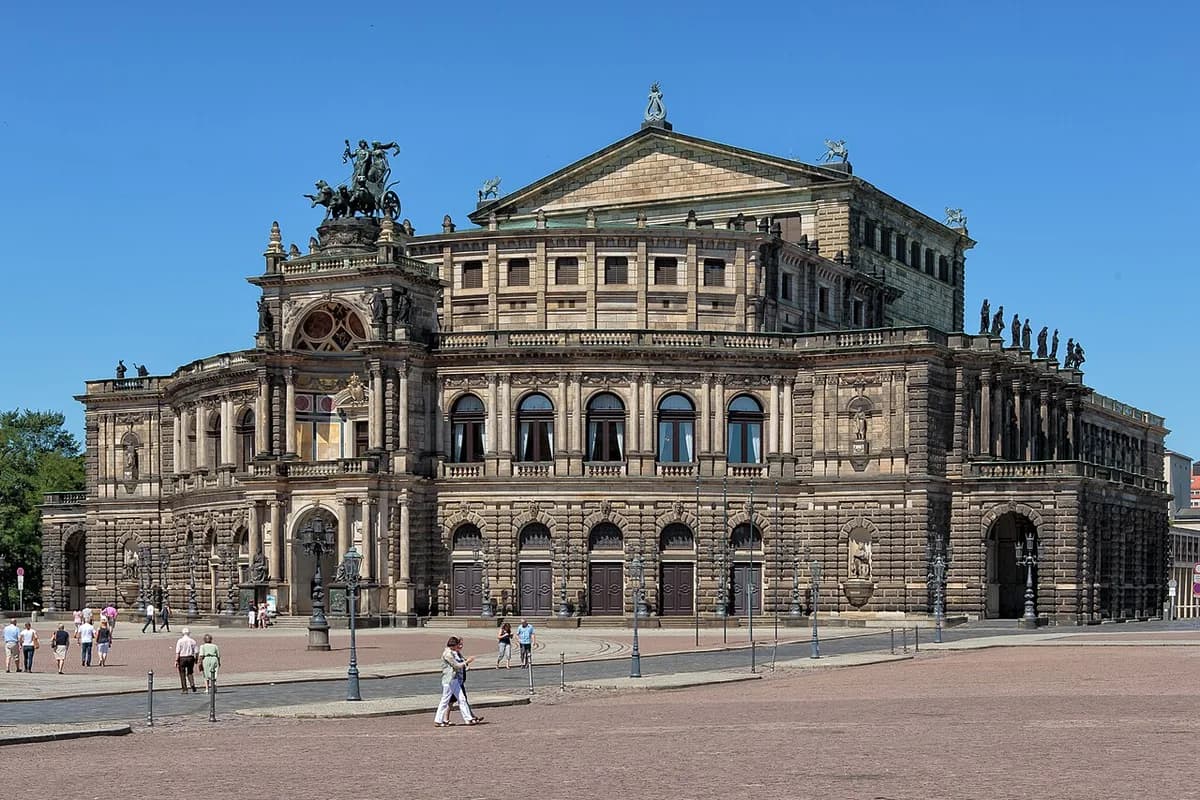
The Semperoper is the emotional centre. Dresden's opera house — the home of the Sächsische Staatskapelle, one of the oldest orchestras in the world — is a Renaissance-Revival building on Theaterplatz that was destroyed in 1945, rebuilt to reopen in 1985, and remains one of the most beautiful concert and opera rooms in Europe. A gala or symphonic night here is the festival's headline ticket, and rightly so; the interior alone justifies the price of admission.
The Kulturpalast, on the Altmarkt, is the modern counterpoint. Behind its preserved 1960s exterior sits a concert hall reopened in 2017 and now home to the Dresdner Philharmonie. The acoustics are excellent and the vineyard-style seating wraps the audience close around the stage — a very different feel from the Semperoper's tiered opulence, and often where the festival puts its larger symphonic and touring-orchestra programmes.
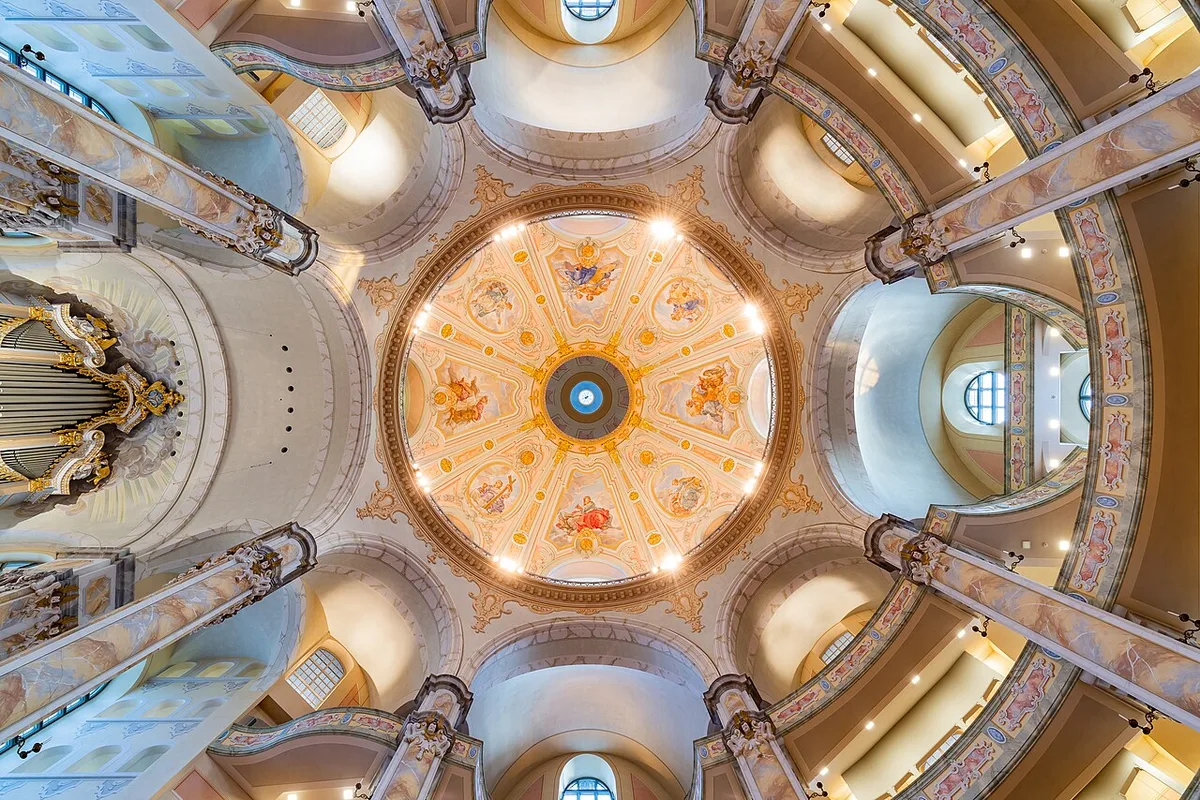
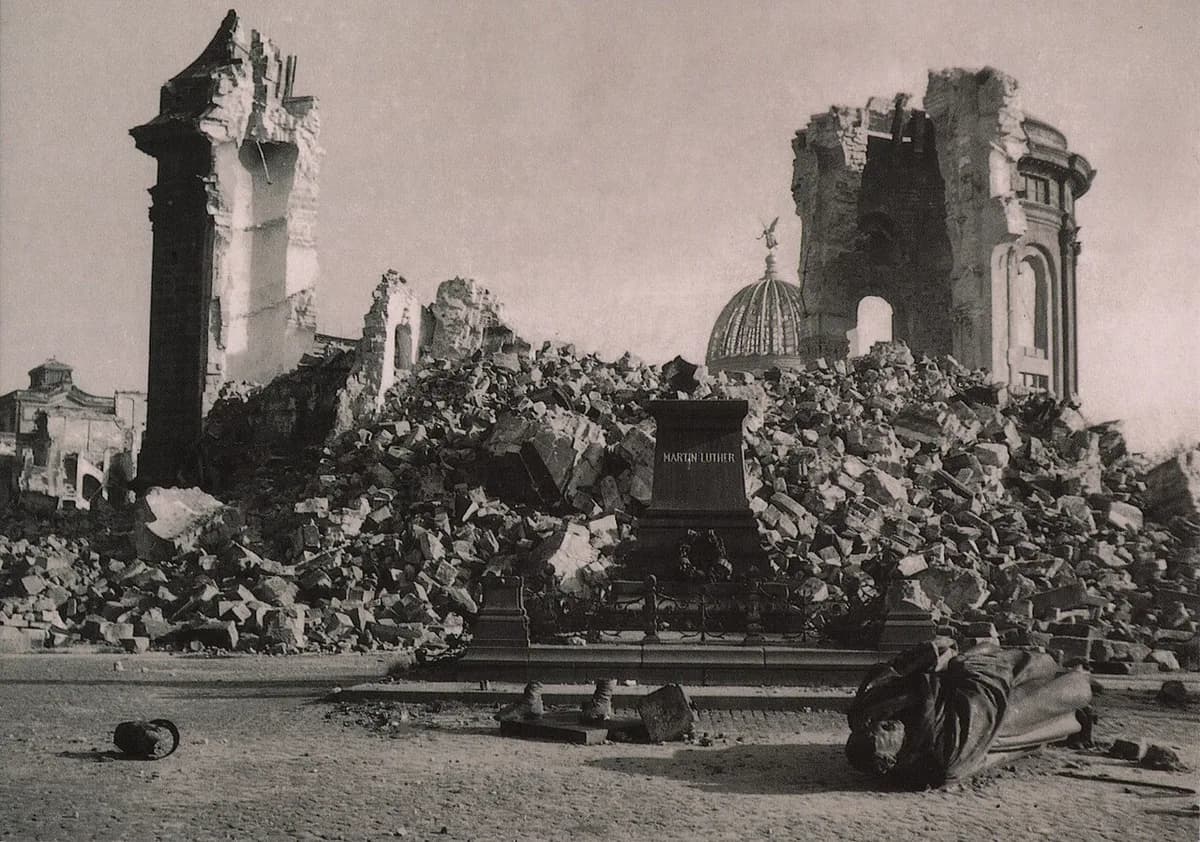
The Frauenkirche — the domed Baroque church on the Neumarkt, reconsecrated in 2005 after a painstaking reconstruction from the rubble of the war — hosts choral, sacred, and organ programmes. Hearing sacred repertoire beneath that reconstructed dome is one of the more moving things you can do at the festival. Beyond these three, the programme also reaches into palaces and churches across the Altstadt, and in some editions into venues like the Kraftwerk Mitte, a former power station converted into a striking cultural and performance space. The specific venue for each concert is listed with the ticket, so check as you book.
The Programme — What to Expect
The Dresdner Musikfestspiele programme is broad by design. In a single edition you can expect visiting symphony orchestras — the festival regularly attracts major international touring ensembles — alongside star soloists, celebrated conductors, and chamber groups. There is a strong early-music strand, with period-instrument ensembles and historically informed performance well represented, which fits Dresden's own deep Baroque heritage. And the festival is not shy about crossover: recent seasons have included jazz and world-music programmes that widen the audience without diluting the classical core.
The festival also maintains its own ensemble tradition. Over the years it has been closely associated with a resident festival orchestra and with historically informed performance — a lineage historically linked with Sir Roger Norrington and the Dresden Festival Orchestra. I would not over-assert exactly who is leading or playing in any given 2026 concert, because personnel and guest artists are announced season by season; the point is that the festival has a genuine performing identity of its own, not only a booking calendar of visitors.
If you are trying to decide what to prioritise, I would think in terms of the room as much as the repertoire. A big Romantic symphony in the Kulturpalast, sacred choral music in the Frauenkirche, and a chamber recital or Baroque programme in one of the palace halls each offer something the others cannot. My own advice, having done a few of these trips, is to book one headline orchestral night early — that is the ticket that sells — and then fill the rest of your stay with smaller, less-contested concerts you can decide on closer to the date.
Tickets and Prices
Tickets for the Dresdner Musikfestspiele are sold online through the official festival site, and this is the channel I would use rather than any resale platform. Prices span a wide range: entry-level seats for many concerts start from around €25, while premium seats for gala nights and the marquee Semperoper events run considerably higher. As a rule, the venue, the artist, and the seating category drive the price far more than the date does.
The single most important thing to know is that popular concerts sell out — often well ahead of the festival. Headline orchestral nights, anything in the Semperoper, and concerts featuring famous soloists are the first to go. If there is a specific performance you have travelled for, book it as soon as tickets are released; do not assume you can pick it up on the day. Less-contested weekday and chamber concerts are usually available closer to the date, which is where a bit of flexibility pays off.
Some editions of the festival also include open-air or free fringe events — outdoor performances, family programmes, or public moments woven into the season — but these vary year to year and are not guaranteed. Check the official programme to see what free or open events are on offer for 2026 rather than counting on them. And when you buy, note the venue and start time carefully; with concerts spread across the Altstadt, it is easy to misread which hall you are due at.
Getting to Dresden
Dresden is easy to reach, which is part of why it works so well for a short music trip. The city sits in eastern Germany on the Elbe, close to the Czech border, and is well connected by rail. From Berlin the direct train takes around two hours, which makes a Dresden concert night genuinely doable as an extension of a Berlin stay — or as its own long weekend from further afield. From Leipzig it is a little over an hour, and from Prague the scenic Elbe-valley route is a comfortable train ride too.
Trains arrive at Dresden Hauptbahnhof, from which the Altstadt and its concert venues are a short tram ride or a pleasant walk. Dresden also has its own airport (DRS) with domestic and some European connections, though many international visitors find it simplest to fly into Berlin or Leipzig and take the train in.
Once you are in the city, the festival venues are refreshingly compact. The Semperoper on Theaterplatz, the Kulturpalast on the Altmarkt, and the Frauenkirche on the Neumarkt sit within the historic core, walkable from each other and from most central hotels. Dresden's tram network is clean and reliable if you would rather not walk between an early dinner and a late concert, and taxis and ride-hailing fill any gaps. For an evening performance I usually just walk — the Altstadt at dusk, with the river and the floodlit facades, is a good way to arrive in the right frame of mind.
Building a Trip Around the Festival
The Dresdner Musikfestspiele is an excellent anchor for a wider Dresden visit, because the Altstadt packs an extraordinary amount into a small area. Between concerts you can fill your days without ever needing transport.
The Zwinger — the Baroque palace complex a two-minute walk from the Semperoper — houses the Old Masters Picture Gallery (Gemäldegalerie Alte Meister), home to Raphael's Sistine Madonna and a collection that ranks among Europe's finest. Give it a couple of unhurried hours. The Frauenkirche is worth visiting by day as well as for a concert; you can climb to the dome for a view over the rooftops and the Elbe. And the terrace known as the Brühlsche Terrasse — the "Balcony of Europe" — runs along the river and is the classic place for a pre-concert stroll.
Late-May weather is mild and generally pleasant, which makes all of this easy: comfortable daytime temperatures, long light evenings, and riverbank cafés in full swing. If your visit stretches to a full itinerary, the master festivals and events in Europe by city hub is useful for lining Dresden up against other European festival cities in the same season. And if the music leaves you wanting to return in winter, Dresden's Christmas market — the historic Striezelmarkt, one of Germany's oldest — is a completely different but equally compelling reason to come back, swapping late-spring concerts for glühwein and Baroque snow.
A Semperoper Concert Night
If you do one thing at the Dresdner Musikfestspiele, make it a Semperoper night. Even setting the music aside, the building is an event in itself. You arrive across Theaterplatz — the equestrian statue of King John, the Zwinger to one side, the Elbe close behind — and step into an interior of gilt, painted ceilings, and tiered boxes that has been faithfully returned to its nineteenth-century splendour. There is a dress-up feeling to the evening that Dresdeners take seriously without being stuffy about it; smart-casual is fine, but you will see plenty of people who have made an effort, and it adds to the occasion.
My own advice, from experience: arrive early enough to have a drink in the foyer and actually look at the room before the lights drop. Read the programme note in advance if you can — knowing the shape of a symphony or the story behind a work makes a real difference in a hall this resonant. And do not rush out at the end. Some of the best moments of a Semperoper night come afterward, standing on Theaterplatz with the crowd dispersing slowly into the warm late-May evening, the facade lit up behind you, the music still settling. That is the memory the Dresden Music Festival leaves you with, and it is the reason people come back.
Book the Semperoper concert first, work the rest of your trip around it, and treat everything else — the chamber recitals, the Frauenkirche choral programme, the Kulturpalast symphonies — as the very good supporting cast to that main event. Then leave a day for the Zwinger and the Old Masters, and you have a near-perfect long weekend in one of Europe's great music cities.
Frequently Asked Questions
When does the Dresden Music Festival 2026 take place?
The Dresdner Musikfestspiele 2026 runs roughly from mid-May to early June, covering about three to four weeks of concerts across Dresden's historic venues. The exact opening and closing dates, and the times of individual concerts, are confirmed on the official site each year — check the official programme before booking travel or tickets.
Where are the festival concerts held?
Concerts take place across a cluster of venues in and around Dresden's Baroque Altstadt, most within a short walk of each other. The main halls are the Semperoper opera house on Theaterplatz, the Kulturpalast on the Altmarkt (home of the Dresdner Philharmonie), and the Frauenkirche on the Neumarkt, along with palaces, churches, and in some editions the Kraftwerk Mitte. Each ticket lists its specific venue.
How much do tickets cost and where do I buy them?
Tickets are sold online through the official festival site. Entry-level seats for many concerts start from around €25, while premium and gala seats — especially for Semperoper events — cost considerably more. Prices depend mainly on the venue, the artist, and the seating category. Popular concerts sell out well ahead, so book headline events as soon as tickets are released.
What kind of music does the Dresdner Musikfestspiele feature?
The festival is centred on classical music but ranges widely: visiting symphony orchestras and star soloists, early-music and period-instrument ensembles, chamber recitals, and some jazz and world-music crossover. Each edition is organised around a thematic motto that shapes the programme. The 2026 motto and full concert list are announced on the official site ahead of the season.
How do I get to Dresden for the festival?
Dresden is well connected by rail — about two hours by direct train from Berlin, a little over an hour from Leipzig, and a scenic ride from Prague. Trains arrive at Dresden Hauptbahnhof, a short tram ride or walk from the Altstadt venues. Dresden also has its own airport (DRS), though many visitors fly into Berlin or Leipzig and take the train. Once in the city, the main venues are walkable from each other.
Related: Festivals and Events in Dresden — the full seasonal calendar for planning a wider trip to the city.
The Dresdner Musikfestspiele works for almost every kind of visitor. You can come for a single, unforgettable Semperoper night and pair it with a day at the Zwinger, or build a full long weekend of concerts across the Kulturpalast, the Frauenkirche, and the Altstadt's palace halls. Late May in Dresden is mild and long-lit, the venues are compact and walkable, and the setting — Baroque, restored, riverside — does as much for the music as the musicians do. Founded in 1978 and still one of Europe's major classical festivals, it is a dependable reason to be in Saxony in the best weeks of spring.
Book your headline concert early, confirm the 2026 dates and motto on the official programme, and leave room for the city itself. If the trip leaves you wanting more of Dresden, the Dresden Christmas market offers a completely different winter version of the same city, and the master festivals and events in Europe by city hub can help you line up the next stop on a wider European festival tour. However you plan it, a night of music in Dresden is one of those experiences that stays with you long after the applause fades.
Free guide: Europe's Festival Calendar
A month-by-month map of Europe's unmissable festivals — with the best dates to visit each and a local tip you won't find in the guidebooks.
You might also like
Continue reading
More guides you'll find useful