Krakow Jewish Culture Festival 2026: A Complete Guide to Kazimierz's Klezmer Summer
The Jewish Culture Festival in Krakow (Festiwal Kultury Zydowskiej): 2026 dates, klezmer concerts, workshops, Kazimierz synagogue walks, and the free Shalom on Szeroka Street concert.
On this page
Krakow Jewish Culture Festival 2026: A Complete Guide to Kazimierz's Klezmer Summer
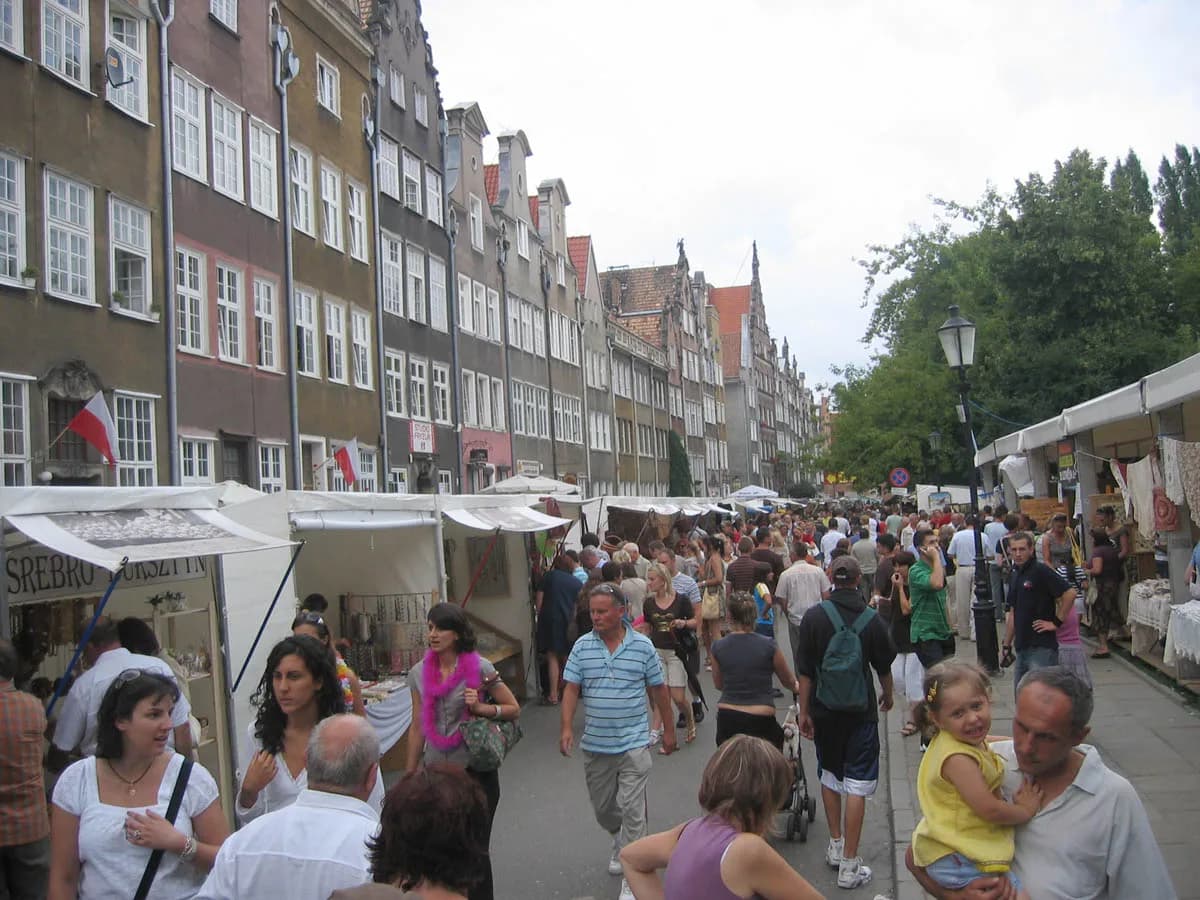
The first time I heard klezmer drift across Szeroka Street after midnight, I stopped walking and simply stood still. A clarinet was climbing over a violin somewhere near the Old Synagogue, thousands of people were swaying in the warm July dark, and the medieval facades of Kazimierz glowed under the stage lights as if the whole square had been holding its breath for this exact moment. I had come to Kraków expecting history. What I found at the Jewish Culture Festival was something very much alive.
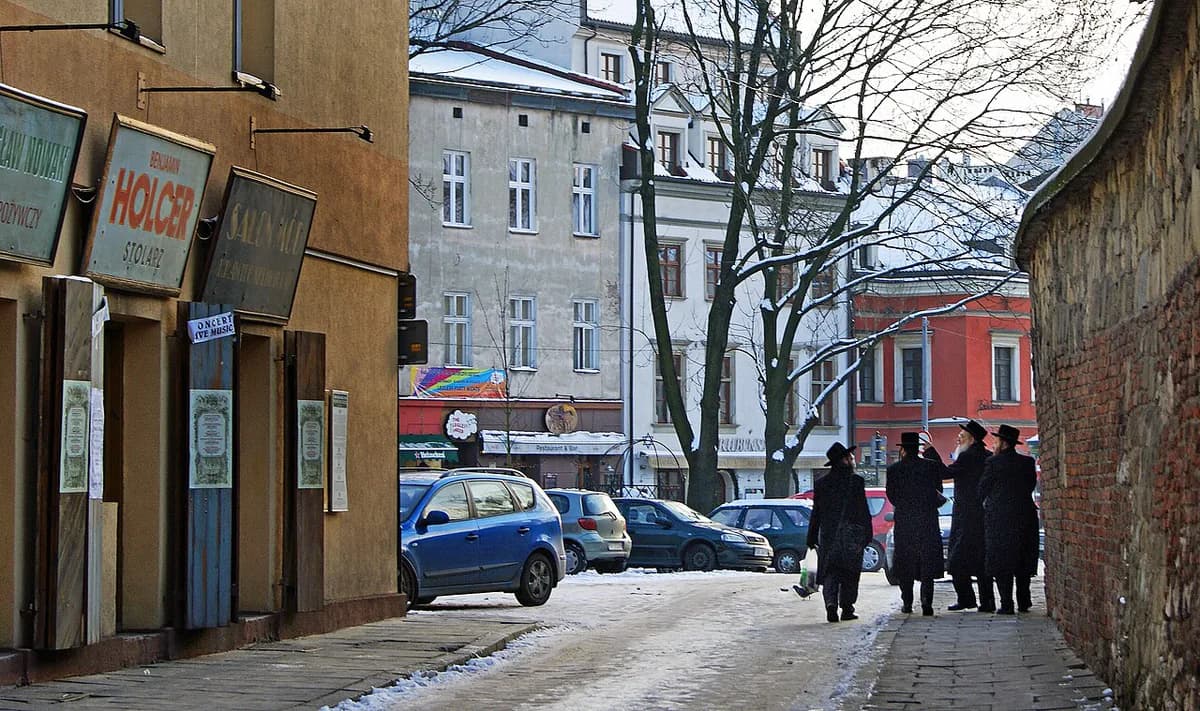
Kazimierz is Kraków's old Jewish quarter — a district of narrow lanes, five-hundred-year-old synagogues, ivy-hung courtyards, and cafés that spill onto cobbles — and for around nine days each summer it becomes the beating heart of one of the largest and oldest festivals of living Jewish culture anywhere in the world. Founded in 1988, the festival deliberately celebrates a contemporary, breathing tradition rather than only mourning what was lost. That distinction is everything, and it shapes how the whole event feels.
This guide walks you through the 2026 edition from end to end — what happens across those nine days, the free open-air concert that closes it, the Kazimierz backdrop that makes it unlike any other festival in Poland, and the practical booking realities you need to know before you come. If you are building a wider trip, my Krakow festival calendar maps out where this event sits in the city's year.
Free guide: Europe's Festival Calendar
A month-by-month map of Europe's unmissable festivals — with the best dates to visit each and a local tip you won't find in the guidebooks.
Why the Jewish Culture Festival Matters
The Jewish Culture Festival — Festiwal Kultury Żydowskiej — began in 1988, in the last years of communist Poland, when the very idea of a public celebration of Jewish life in Kraków felt improbable. Nearly four decades on, the 2026 programme lands at around the 35th edition, and it has grown into one of the largest and oldest events of its kind in the world. It typically unfolds over roughly nine days, straddling late June into early July, with the flagship days falling in the first week of July; the organisers confirm the exact schedule each spring, so treat these as a planning window rather than fixed dates.
What sets it apart from the many memorial events across Central Europe is its stubborn insistence on the present tense. This is not a museum piece. It is a festival of living, contemporary Jewish culture — the music people make now, the food cooked today, the questions asked by artists and thinkers in 2026. The Holocaust is never absent from Kazimierz, and the festival does not pretend otherwise, but its energy points forward: toward continuity, curiosity, and joy. That tone is why it draws such a wide, warmly mixed audience of Poles, international visitors, and Jewish travellers from around the globe, and why it feels welcoming to anyone who arrives with an open mind.
What Happens Across the Nine Days
The programme is remarkably broad, and part of the pleasure is stitching your own path through it. At the core is music: klezmer bands from Poland, Israel, and the United States; cantorial concerts in the great synagogues; and contemporary Jewish artists blending tradition with jazz, folk, and electronic sound. Around that spine sits a dense schedule of hands-on workshops — I have watched visitors learn Hassidic and Israeli dance, roll out challah in a cooking session, practise Hebrew calligraphy, and try their hand at the delicate folk art of Jewish paper-cutting (wycinanki).
Then there are the guided walks, which for me are the soul of the whole thing. Small groups thread through Kazimierz's courtyards and into synagogues that are normally quiet — tracing the layers of a neighbourhood that was a centre of Jewish learning for centuries. Add lectures, panel discussions, film screenings, and open study sessions, and you have a festival that engages the mind as much as the feet. Concerts and walks are ticketed and the popular ones genuinely sell out, so the trick is to sketch a loose plan the moment the programme is published rather than trusting to luck once you arrive.
Shalom on Szeroka Street: The Free Finale
If you come for one thing, come for the ending. The festival climaxes with Shalom on Szeroka Street — Szalom na Szerokiej — a vast, free, open-air closing concert staged on Szeroka Street, the broad, almost square-shaped heart of Kazimierz. On the final night, a professional stage rises at one end, a sequence of klezmer and Jewish music acts takes over, and tens of thousands of people fill the street from the Old Synagogue down to the Remuh, dancing and singing until well past midnight.
There is nothing else quite like it in Poland. The concert is entirely free to attend — you simply walk in and find your patch of cobbles — which means it draws a joyous cross-section of the city alongside festival-goers who have spent the week in workshops and synagogues. It is the moment the festival's whole philosophy becomes visible: a living culture, celebrated openly and generously, in the very square where Jewish Kraków once centred its life.
Kazimierz: The Setting That Makes It
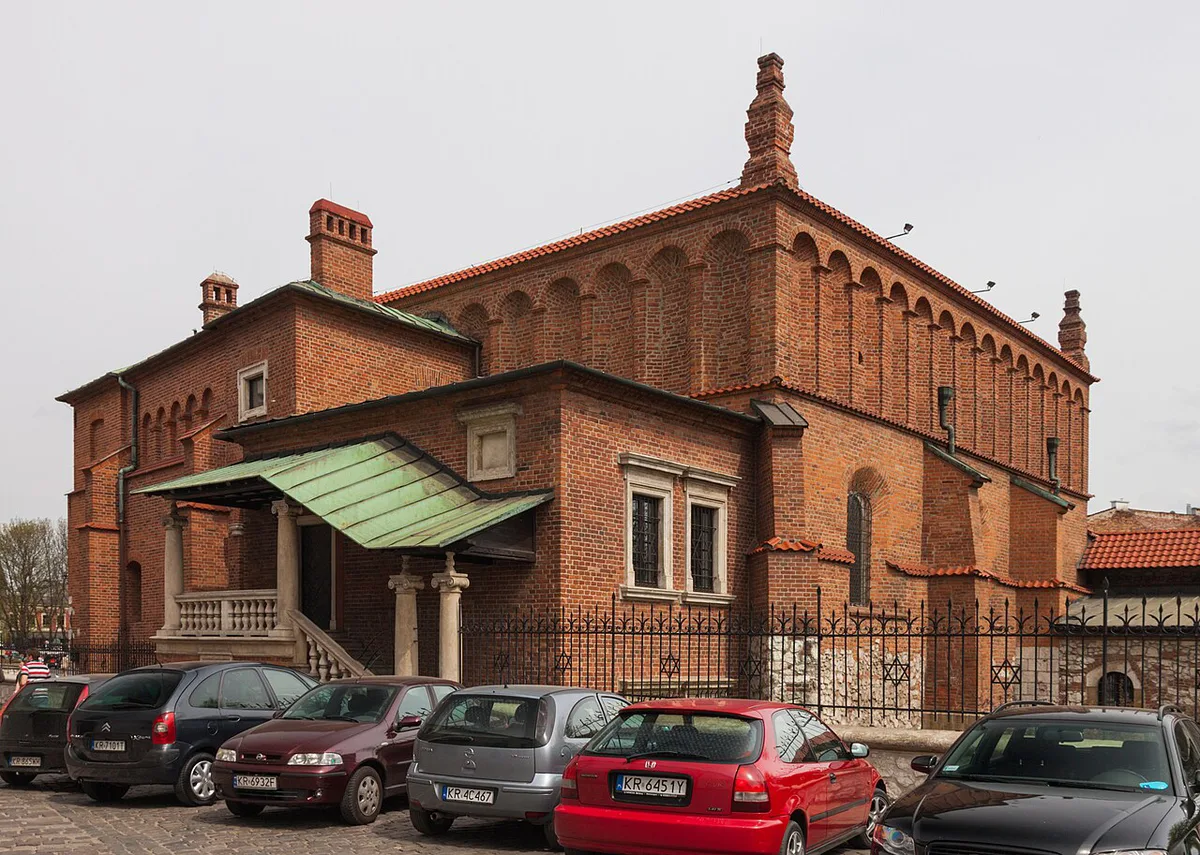
You cannot separate this festival from its stage. Kazimierz is one of the most atmospheric districts in Central Europe — a tangle of low streets, faded courtyards, and some of the oldest surviving synagogues in Poland. The Old Synagogue (Stara Synagoga), the intimate Remuh with its ancient adjoining cemetery, and the ornate, Moorish-influenced Tempel all cluster within a short walk, and during the festival several open their doors for concerts and walks. Between them, the district's cafés, bookshops, and vodka bars keep the lanes humming late into the night.
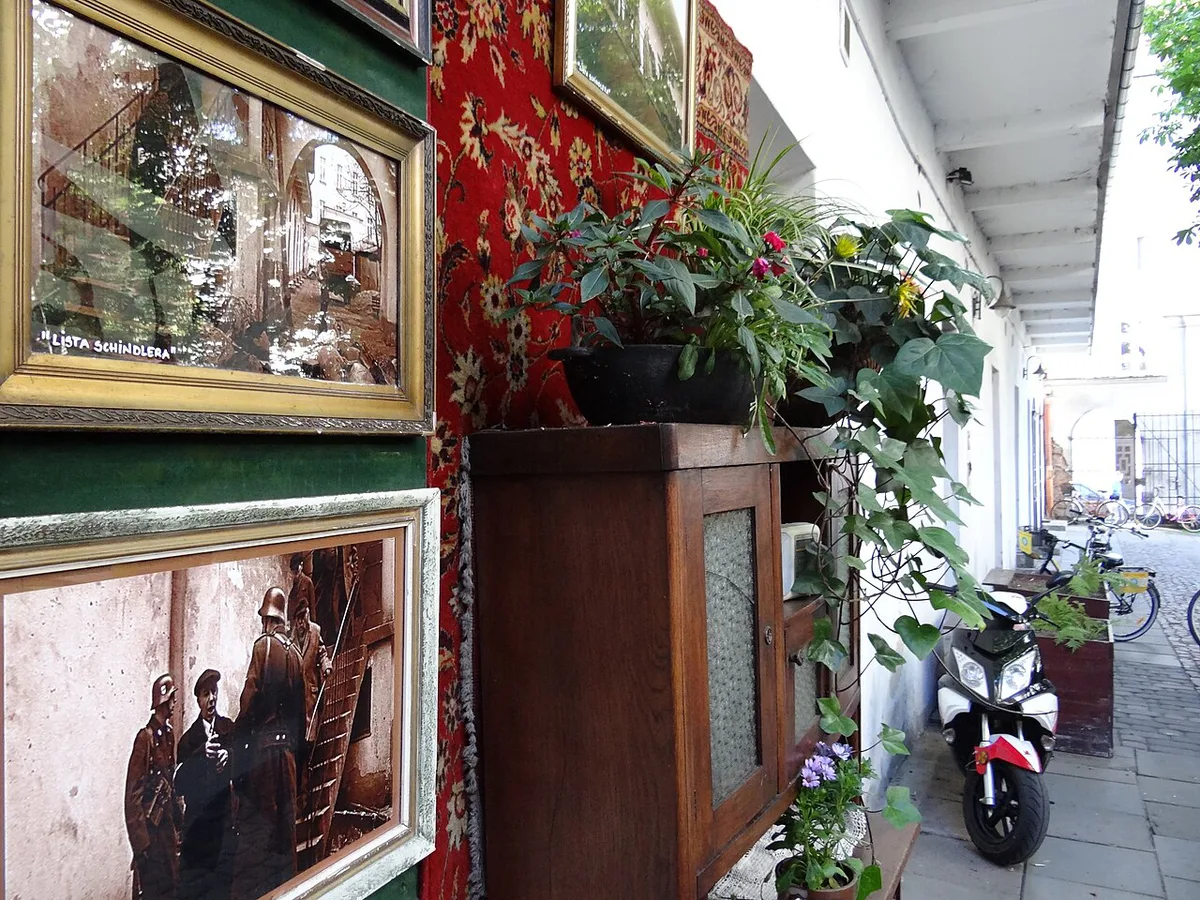
By day, Kazimierz rewards slow wandering: the Galicia Jewish Museum, the bustling Plac Nowy with its famous zapiekanka stalls, the courtyards used in Schindler's List just across the river in Podgórze. By night, during the festival, it becomes something rarer — a whole neighbourhood tuned to a single, generous purpose. Base yourself here and you will barely need to touch a tram; the entire event happens within a fifteen-minute stroll, and Kraków's magnificent Old Town and Wawel Castle are only a walk away when you want a change of pace. Poland's capital runs a strong summer programme too, and my guide to festivals and events in Warsaw makes a natural companion if you are pairing the two cities on one trip.
Planning Your 2026 Visit
A few practical decisions will make or break the trip. First, book early. Once the programme publishes in spring 2026, the best concerts and workshops move fast — I would have your shortlist ready the day tickets open. The free Shalom on Szeroka Street concert needs no ticket, but everything ticketed around it is genuinely finite. Second, stay in or near Kazimierz. Sleeping within the quarter means you can slip back to your room between an afternoon walk and a late-night concert without hunting for transport, and it puts you inside the atmosphere rather than commuting into it. Accommodation here books up for the festival dates, so reserve well ahead.
| Detail | What to know |
|---|---|
| Dates | ~9 days, late June into early July 2026 (flagship days in the first week of July; confirm the official schedule) |
| Edition | Around the 35th (the festival was founded in 1988) |
| Where | Kazimierz — Krakow's historic Jewish quarter |
| Free finale | Shalom on Szeroka Street — the free open-air closing concert on Szeroka Street |
| Tickets | Most concerts, workshops, and guided walks are individually ticketed and sell out before the festival opens |
| 2026 theme | Sha'ar — "The Gate" |
Third, plan your wider days thoughtfully. Kraków pairs the festival beautifully with the Old Town, Wawel, and the Rynek's cafés, and the whole city is compact and walkable. Many visitors also make the sombre day-trip to the Auschwitz-Birkenau Memorial around ninety minutes away — but I would treat that as a separate, quiet day of remembrance, deliberately held apart from the festival's celebratory rhythm rather than folded into it. Finally, if Kraków's summer klezmer nights leave you wanting to see the city in a different season, its Christmas market is the atmospheric winter counterpart, and my wider Europe festivals by city master guide shows how Kraków fits into the continent's festival map.
Each Year Has a Theme: 2026 Is "The Gate"
One thing I always tell people who are choosing which edition to attend: the festival is not a fixed template that simply repeats. Each year the organisers gather the whole programme under a single curatorial theme, and it genuinely colours what you hear, learn, and discuss across the nine days. For 2026 that theme is Sha'ar — "The Gate" (שער), an idea the curators read on several layers at once: a threshold between worlds, a passage from one state to another, and a place of shelter and welcome. It is the kind of framing that quietly threads through the concerts, the lectures, and the study sessions rather than announcing itself loudly.
Why it matters for planning: the theme shapes which artists are invited and which conversations the panels chase, so skimming it before you build your shortlist helps you pick the events that will resonate most. The organisers publish the preliminary programme and its theme in late spring — around the end of April 2026 — so check the official schedule then and let the year's chosen thread guide your choices.
Frequently Asked Questions
When is the Jewish Culture Festival in Krakow 2026?
The Jewish Culture Festival (Festiwal Kultury Żydowskiej) is held in Kazimierz over roughly nine days straddling late June and early July, with the flagship days typically falling in the first week of July. The 2026 edition is around the 35th, and the organisers confirm the exact schedule each spring, so check the official programme before booking travel or tickets.
Is the Jewish Culture Festival free to attend?
Partly. The grand closing concert, Shalom on Szeroka Street, is completely free and open to everyone — you simply walk into Szeroka Street and join the crowd. However, most concerts, workshops, cantorial performances, and guided walks during the nine days are individually ticketed, and the popular ones sell out well before the festival opens, so book online as soon as the programme is published.
What is Shalom on Szeroka Street?
Shalom on Szeroka Street (Szalom na Szerokiej) is the festival's free open-air closing concert, staged on Szeroka Street in the heart of Kazimierz. A sequence of klezmer and Jewish music acts performs late into the night before tens of thousands of people. It is the emotional climax of the festival and the single event most visitors build their trip around.
Where is the festival held in Krakow?
The festival takes place in Kazimierz, Krakow's historic Jewish quarter, a compact and atmospheric district of old synagogues, courtyards, and cafés. Concerts and walks use venues including the Old Synagogue, the Remuh, and the Tempel Synagogue, and the whole event unfolds within about a fifteen-minute walk. Basing yourself in or near Kazimierz is the easiest way to experience it.
What happens at the Jewish Culture Festival?
The festival celebrates living, contemporary Jewish culture rather than only the past. Across around nine days it offers klezmer and cantorial concerts, contemporary Jewish music, hands-on workshops in dance, cooking, Hebrew calligraphy and paper-cutting, lectures and film, and guided walks through Kazimierz's synagogues and courtyards. It culminates in the free Shalom on Szeroka Street concert.
Related: Festivals and Events in Krakow, the Krakow Christmas Market winter counterpart, Festivals and Events in Warsaw, and the Europe festivals by city master guide.
The Jewish Culture Festival is the event I recommend most often to friends heading to Kraków in summer, precisely because it refuses to be a solemn history lesson. It is loud, warm, curious, and profoundly alive — a klezmer clarinet at midnight, the smell of fresh challah from a workshop, a guided walk into a five-hundred-year-old synagogue, and finally the great free roar of Szeroka Street on the closing night. Few festivals in Europe hold memory and celebration in the same hand so gracefully.
If you can, give yourself the full arc: a couple of days for the ticketed concerts and workshops, an afternoon simply wandering Kazimierz's courtyards, and the closing Shalom concert as your grand finale. Book early, stay within the quarter, keep any Auschwitz-Birkenau visit as its own quiet day, and let the festival's living, forward-looking spirit set the tone. Come once, and I suspect you will find yourself checking next year's dates before you have even left the cobbles.
Free guide: Europe's Festival Calendar
A month-by-month map of Europe's unmissable festivals — with the best dates to visit each and a local tip you won't find in the guidebooks.
You might also like

Continue reading
More guides you'll find useful