Gentse Feesten 2026: The Complete Ghent Festivities Guide
Gentse Feesten 2026 guide: ten free days of the Ghent Festivities in July - Sint-Baafsplein, Bij Sint-Jacobs, Pole Pole and Miramiro, plus practical tips on dates, staying, and getting around.
On this page
Gentse Feesten 2026: The Complete Ghent Festivities Guide
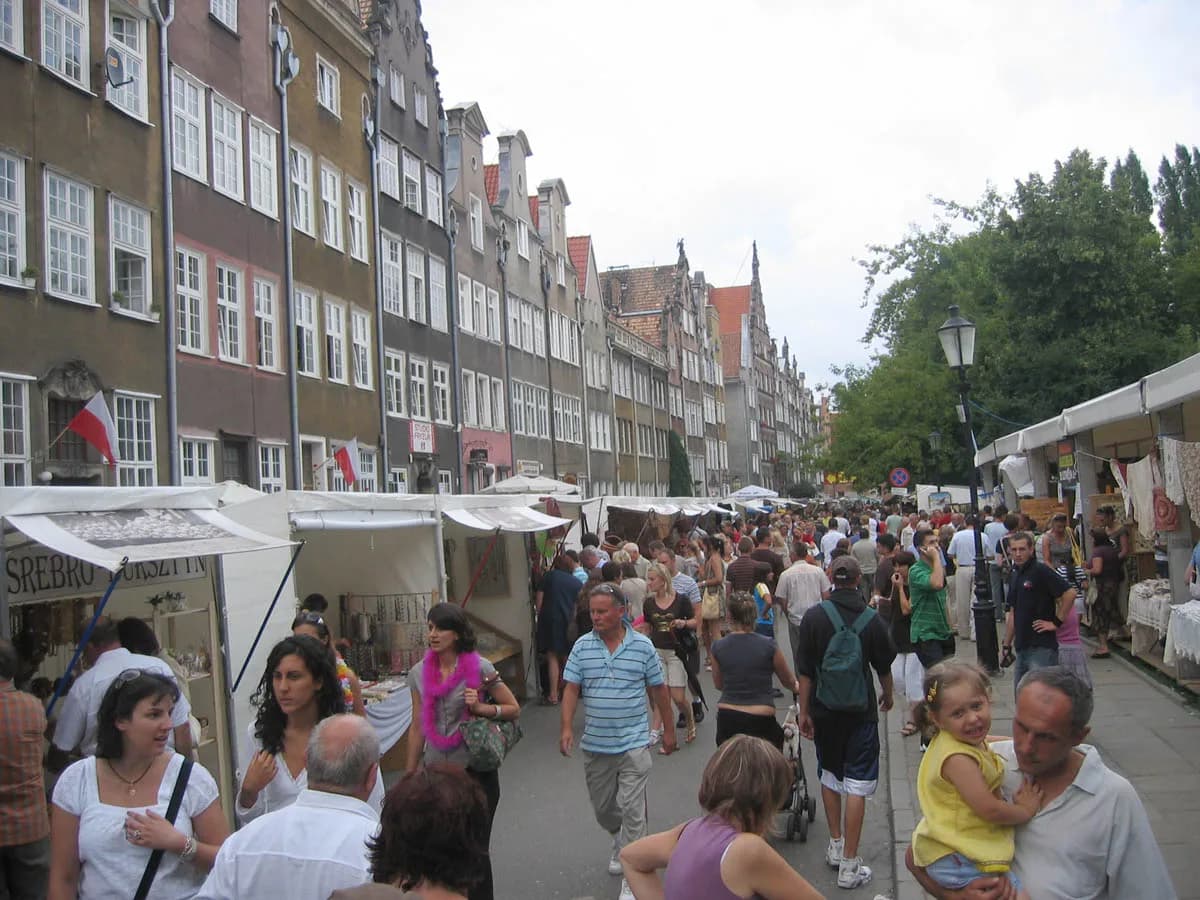
The first time I stumbled into the Gentse Feesten, I had come to Ghent for the museums and had no idea the city was about to detonate. I stepped out of my guesthouse near the Vrijdagmarkt at nine in the evening and walked straight into a wall of sound — a rumba band on one square, a brass ensemble round the corner, a puppet the size of a house lurching over the crowd, and everywhere the smell of frying and the roar of thousands of people who had nowhere else they would rather be. I never made it to the museum that night, and I have been coming back for the Feesten ever since.
Gentse Feesten — the Ghent Festivities — is one of the largest open-air cultural festivals in Europe, and for my money the most joyously chaotic. For ten days every July the entire medieval core of Ghent stops being a city you visit and becomes a festival you fall into: free to enter, running from mid-morning until the small hours, and stitched together from dozens of separate squares each with its own music, crowd, and mood. It began in 1969, revived by the folk singer Walter De Buck to give the working-class centre its streets back, and it has grown into a ten-day institution without losing that unpretentious, slightly anarchic soul.
This guide maps how the Feesten actually works on the ground in 2026 — when it runs, which squares are worth your evening, and how to survive ten days of a party that genuinely does not stop. Whether you are building a trip around it or day-tripping in from Brussels or Bruges, the sections below tell you what to expect before you walk into that wall of sound yourself.
Free guide: Europe's Festival Calendar
A month-by-month map of Europe's unmissable festivals — with the best dates to visit each and a local tip you won't find in the guidebooks.
What Is the Gentse Feesten?
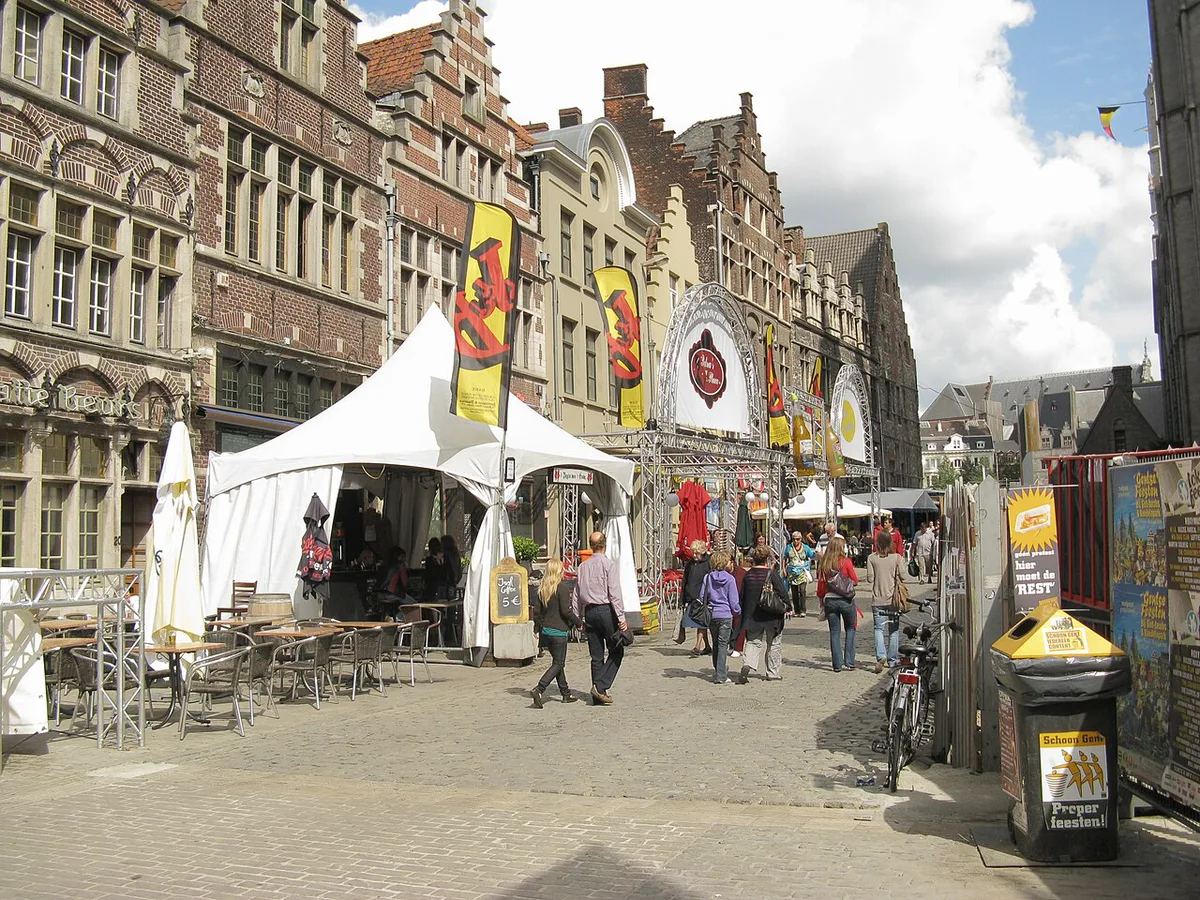
The Gentse Feesten is a ten-day festival that takes over the whole historic heart of Ghent every July, and the single most important thing to understand about it is that there is no gate, no ticket, and no single site. The festival is the city. The squares, quays, and lanes between the three great medieval towers — St Bavo's Cathedral, the Belfry, and St Nicholas' Church — fill with stages, bars, food stalls, buskers, street theatre, a funfair, and a tide of people that swells through the afternoon and peaks somewhere around midnight. You do not attend the Feesten so much as wade into it.
| Detail | What to know |
|---|---|
| Dates (2026) | Ten days in July, roughly 18-27 July (built around 21 July; confirm officially) |
| Entry | Free — no gate, no ticket, no single site |
| Where | Ghent's medieval centre — main squares Sint-Baafsplein, Bij Sint-Jacobs, Polé Polé, Miramiro |
| Founded | 1969, revived by folk singer Walter De Buck |
| Getting there | ~30 min by train from Brussels or Bruges; arrive Gent-Sint-Pieters, then tram; centre is car-free |
| Where to stay | Book months ahead; pick a bed a few streets back from the loudest squares |
Its origins are part of the charm. The modern festival dates to 1969, when the Ghent folk singer and sculptor Walter De Buck revived an older tradition of neighbourhood street parties as a deliberately popular, working-class celebration of the centre. That DNA still shows: for all that it now draws well over a million visits across its ten days, the Feesten remains local, unpolished, and gloriously unpretentious — closer to a citywide block party than a slick commercial festival, and free because that was always the point. For the full picture of what else the city stages through the year, the Ghent festival calendar lays out the wider events landscape around this July centrepiece.
When Is Gentse Feesten in 2026?
The Gentse Feesten always runs for ten consecutive days built around the Belgian national holiday of 21 July, which anchors it in the second half of the month. For 2026 that points to roughly 18-27 July — but I want to be straight with you: the exact opening and closing dates are confirmed by the city each year, and you should treat those as indicative and check the official festival programme before locking in travel. National Day itself, 21 July, tends to be one of the busiest and most atmospheric days of the run, so if you have any flexibility it is worth being in the city for it.
Because the festival stretches across two weekends and the week between them, you have real choice about when to come. The weekends are the biggest, loudest, and most crowded; the mid-week days are marginally calmer and, to my mind, the sweet spot — you get the full programme with a fraction of the crush. Ten days is also more than most people can sustain at festival intensity, so do not feel you have to do all of it. Two or three well-chosen evenings will give you the measure of the thing.
The Squares: Where the Feesten Happens
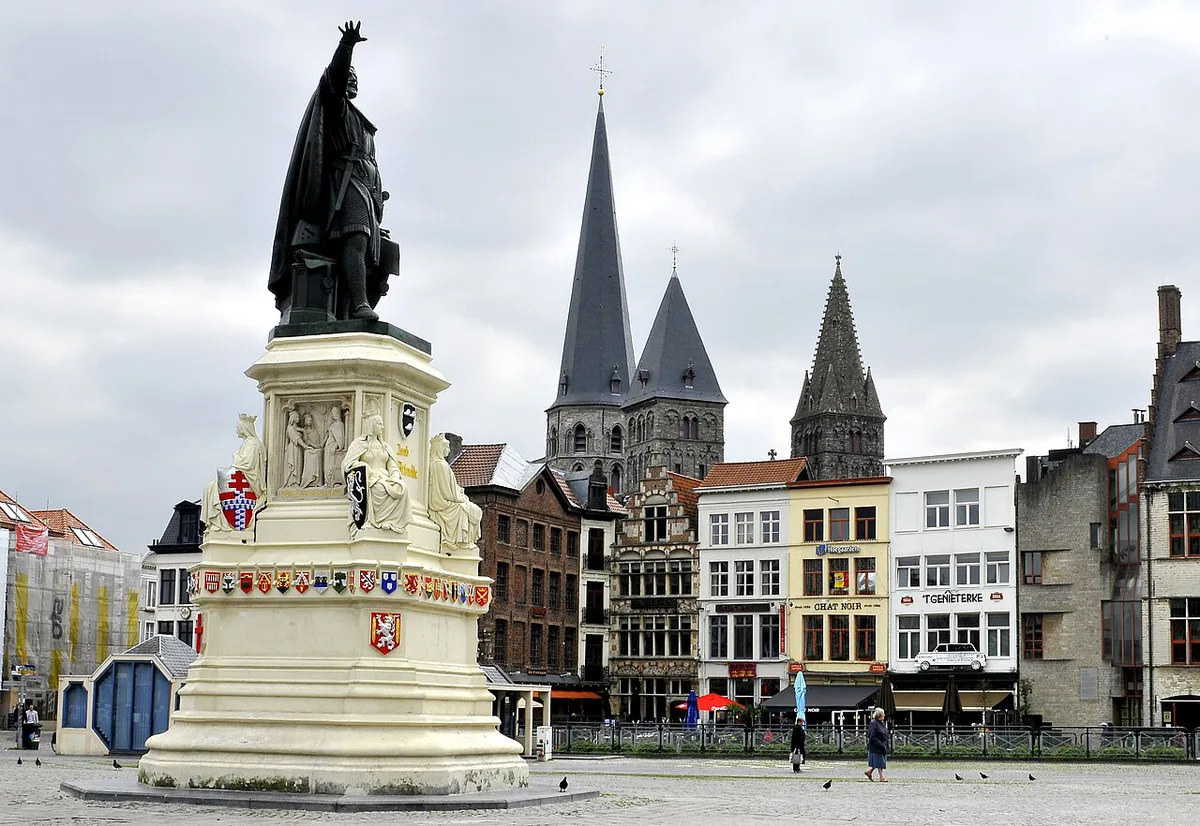
The genius of the Gentse Feesten is that it is not one festival but a dozen overlapping ones, each pinned to its own square, and half the pleasure is learning which square matches your mood. The main stage sits on Sint-Baafsplein, in the shadow of the cathedral and the Belfry, where the biggest free concerts and the ceremonial moments play out. It is the obvious heart of the festival and the place first-timers gravitate to, but it is far from the only room in the house.
For me the soul of the Feesten lives at Bij Sint-Jacobs, the square around St James's Church that hosts the long-running world-music and flea-market scene locals call the Boomtown vibe — sprawling, bohemian, and packed until dawn. Down by the water, Polé Polé pours out world and Latin rhythms that turn the quayside into an open-air dancefloor, while Miramiro is the address for street theatre and circus, where acrobats and giant puppets work the crowd in ways no ticketed venue could. Add the Vrijdagmarkt, techno and club nights at venues like the Vooruit and the Kuipke velodrome, buskers on every bridge, and a humming funfair, and you have a festival you could walk for a week and still not exhaust.
My advice is to resist planning it minute by minute. Pick two or three squares that appeal, drift between them on foot, and let the sound pull you sideways down a lane you never meant to take. That serendipity — a brass band you never meant to hear, a puppet parade you turn a corner into — is the Feesten working exactly as intended.
Atmosphere, Food, and Belgian Beer
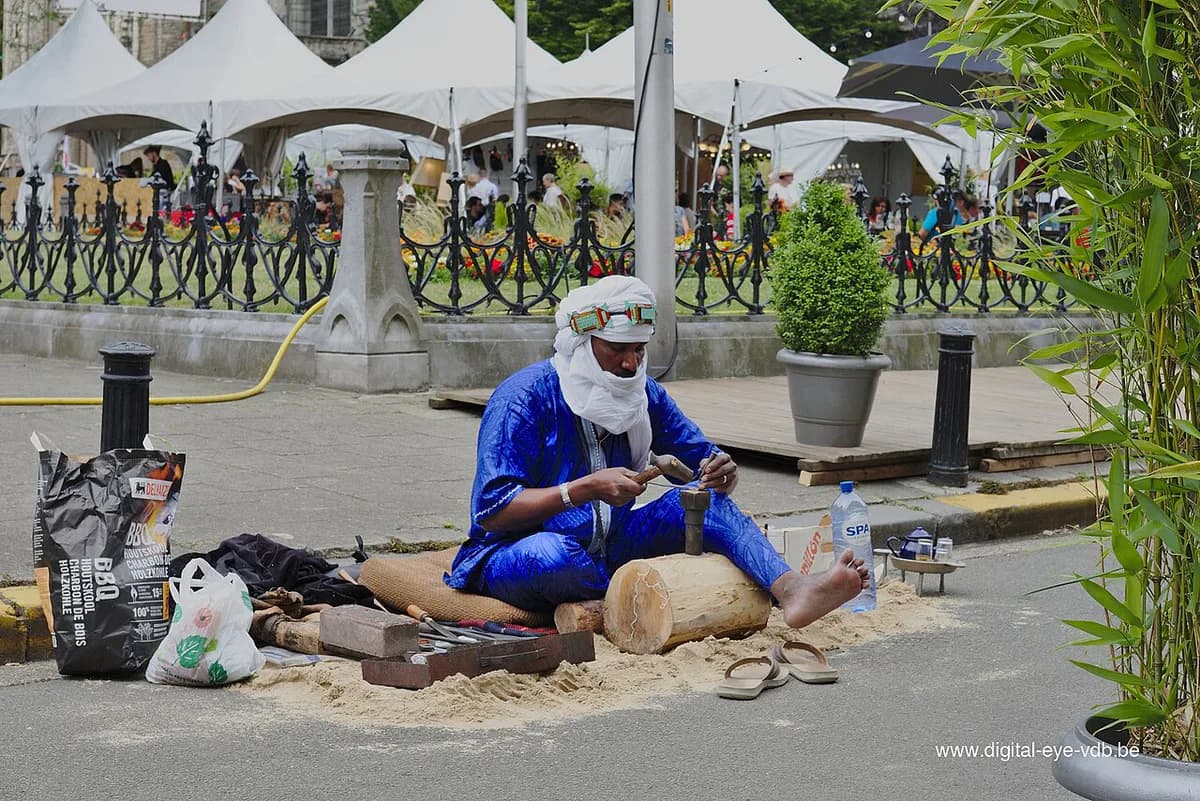
What makes the Gentse Feesten different from the big ticketed European festivals is that it is woven into a living, working city rather than dropped onto a field. By day it is genuinely family-friendly — children on shoulders watching the street performers, market stalls, the funfair, ice cream in the sun by the Graslei. As the light goes the tempo shifts, and by late evening the same squares belong to a mostly local crowd out to dance, drink, and stay up far too late. That double life, sweet by day and wild by night, is the rhythm you settle into over a few days.
The food and drink are half the experience and refreshingly unfussy. Street stalls do frites in paper cones, grilled sausages, and every conceivable thing on a stick, while the bars pour the full range of Belgian beer — this is, after all, a country whose brewing culture is UNESCO-listed. Try a genuine Ghent speciality alongside it: the local jenever, a juniper spirit sold from tiny bars, and the mauve-coloured Ghent nose sweets (cuberdons) hawked from carts on the squares. Pace the beer, though — ten days is a marathon, and the Feesten has humbled many a visitor who treated the first night like the last.
Getting There, Staying, and Day-Tripping
Ghent sits squarely in the middle of Belgium's dense rail network, which makes the Feesten one of the easiest big European festivals to reach without a car. Trains from Brussels take roughly half an hour, and Bruges is a similar 30-minute regional hop away, so even if you cannot find or afford a bed in Ghent itself you can very comfortably day-trip in for an evening and roll home on a late train. Ghent's main station, Gent-Sint-Pieters, connects to the centre by tram in a few minutes, and once you are inside the car-free festival zone you will not need transport again.
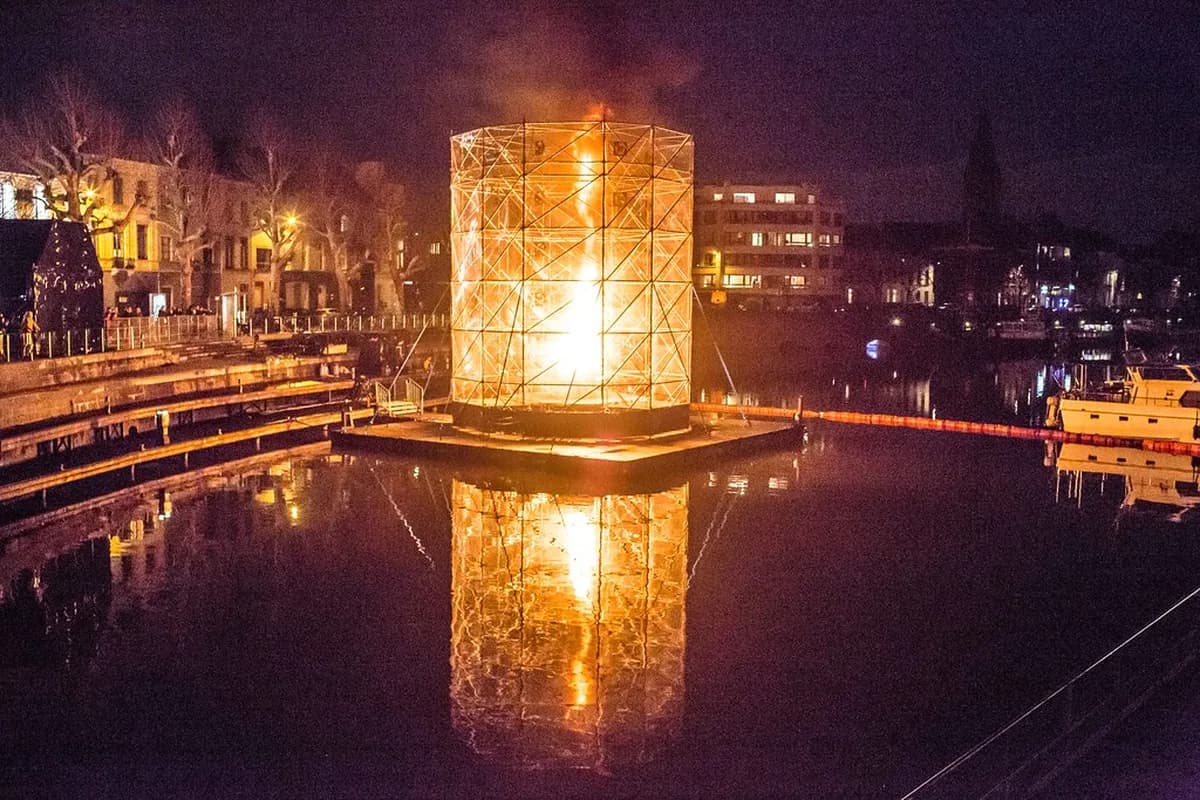
If you do want to stay in the thick of it — and for the full round-the-clock experience you should — book early. Accommodation in Ghent sells out months ahead for the Feesten, and prices climb as July approaches, so this is a festival to plan rather than improvise. Base yourself within walking distance of the centre but a street or two off the loudest squares, and you get the best of both worlds: the festival on your doorstep and a fighting chance of sleep. If your July plans are flexible, the Feesten also pairs beautifully with the region's other summer events — the festivals and events in Bruges calendar covers the nearby Cactusfestival weekend, an easy addition to a Flanders trip. And Ghent is not only a summer city: the Ghent Light Festival guide covers the spectacular winter light event that transforms the same medieval streets in the colder months. For the wider continental picture, the festivals and events in Europe by city master hub links every city calendar we cover.
The Opening Parade and the Festival's Rhythm
If you can time your arrival for the very first evening, do — the Feesten does not simply switch on, it launches with an Opening Parade, and I think it is one of the most under-sold moments of the whole ten days. It is exactly the kind of thing the festival does best: costumed performers, brass and drums, and a procession of street theatre winding through the medieval lanes to declare the centre officially handed back to the crowd. I have watched first-timers who expected a quiet warm-up night find themselves swept along behind it, and that is the point — the parade sets the tone for everything that follows. Beyond the opening, the daily rhythm is worth planning around too: programming builds from mid-afternoon, tips into full swing from around seven in the evening, and peaks late. With well over three thousand performances spread across the run in 2026, I would not try to see it all — download the official festival app, pick a handful of squares and moments that genuinely appeal, and let the parade-energy carry you the rest of the way.
Frequently Asked Questions
When is the Gentse Feesten in 2026?
The Gentse Feesten runs for ten consecutive days every July, built around the Belgian national holiday on 21 July. For 2026 that points to roughly 18-27 July, but the exact opening and closing dates are set by the city of Ghent each year, so confirm them on the official festival programme before booking travel. National Day, 21 July, is one of the busiest and most atmospheric days of the run.
Is the Gentse Feesten free?
Yes. Entry to the Gentse Feesten is free — there is no gate, no ticket, and no single festival site. The event takes over the public squares and streets of Ghent's medieval centre, and the great majority of the music, street theatre, and programming is free to enjoy. You only pay for food, drink, the funfair, and a handful of separately ticketed club or concert events at indoor venues.
What are the best squares at the Gentse Feesten?
Sint-Baafsplein hosts the main stage and the biggest free concerts. Bij Sint-Jacobs is the bohemian world-music and flea-market heart that runs until dawn, Polé Polé brings world and Latin rhythms to the quayside, and Miramiro is the home of street theatre and circus. The Vrijdagmarkt, plus techno nights at venues like the Vooruit and the Kuipke, round out a festival best explored by drifting between squares on foot.
How do I get to Ghent for the festival?
Ghent is easy to reach by train — around 30 minutes from both Brussels and Bruges on frequent regional services. Trains arrive at Gent-Sint-Pieters, a short tram ride from the centre. The historic core is closed to cars during the festival, so you explore entirely on foot. If you cannot find a bed in Ghent, day-tripping in from Brussels or Bruges for an evening and returning on a late train works well.
Is the Gentse Feesten family-friendly?
By day, very much so — there are street performers, a funfair, market stalls, and a relaxed, sunny atmosphere well suited to children. As the evening goes on the mood shifts to a livelier, mostly local party scene that runs into the small hours, so families tend to enjoy the daytime and early-evening programme and head off before the squares hit their late-night peak. Base yourself a few streets back from the busiest squares if you want quieter nights.
Related: Festivals and Events in Ghent — The Complete Calendar.
The Gentse Feesten is the festival I recommend most freely to anyone who tells me they are tired of the sanitised, wristbanded, field-in-a-car-park version of European summer events. There is no gate to queue at and no line-up to obsess over — just ten days in which a beautiful medieval city hands its streets back to whoever shows up, and something extraordinary happens in the gap. It is free, it is chaotic, it is deeply local, and it rewards the traveller who is willing to wander and be surprised.
If you can align a 2026 trip with only one Belgian festival, make it this one, and try to be in Ghent for 21 July when the city is at full tilt. Confirm the exact dates on the official programme, book your bed months ahead, pack shoes you can dance in until dawn, and then do the only thing the Feesten really asks of you: step into the wall of sound and let it carry you. Half an hour from Brussels and Bruges, it slots into any Flanders trip — and once you have done it once, you will understand why I keep coming back.
Free guide: Europe's Festival Calendar
A month-by-month map of Europe's unmissable festivals — with the best dates to visit each and a local tip you won't find in the guidebooks.
You might also like

Continue reading
More guides you'll find useful