11 Key Facts and Bonfires of Sant Joan Dates for 2026
Planning to attend the Bonfires of Sant Joan? Get the official dates, best bonfire locations in Barcelona and Alicante, and local tips for the Night of Fire.
On this page
11 Key Facts and Bonfires of Sant Joan Dates
The Bonfires of Sant Joan dates fall on June 23 and 24 every year across Spain. These two nights mark the most fire-filled celebration on the Mediterranean calendar, drawing hundreds of thousands of visitors to Barcelona and Alicante. Last updated June 2026, this guide covers the official schedules, best viewing spots, and practical logistics for both cities. Whether you want the multi-day festival culture of Alicante or the beach-party energy of Barcelona, the night of fire delivers.
Travelers often flock to the coast to witness the burning of massive artistic monuments called Hogueras. The celebration marks the summer solstice with ancient rituals and modern pyrotechnic displays. Understanding the timing of the main events is crucial for a successful trip to the Mediterranean.
Free guide: Europe's Festival Calendar
A month-by-month map of Europe's unmissable festivals — with the best dates to visit each and a local tip you won't find in the guidebooks.
Official Dates and Timing for the Bonfires of Sant Joan
The primary Bonfires of Sant Joan dates occur annually on the night of June 23. This evening is known as the Nit de Sant Joan or Nit del Foc — the Night of Fire. While the party peaks at midnight, Alicante starts its official celebrations much earlier in the month. The main monuments are usually erected by June 20 to allow public viewing in the days before the burning.
The festival reaches its climax on June 24, which is the feast day of Saint John the Baptist. At midnight between the 23rd and 24th, the city lights the official bonfires during the dramatic Crema. For 2026, the main night of celebration falls on a Tuesday evening, making it easy to build a long weekend around the event. Planning your arrival for June 21 ensures you see the city in full festival mode before the crowds peak.
Check the Alicante Tourism - Bonfires of San Juan page for the daily event program. The schedule includes daily firecracker shows called Mascletàs starting in mid-June. These loud displays take place at 14:00 in the Plaza de los Luceros. Crowds gather from 13:30 to secure a spot near the barricades for the best experience.
| Year | Day of Nit de Sant Joan (June 23) | Feast Day (June 24) |
|---|---|---|
| 2024 | Sunday | Monday |
| 2025 | Monday | Tuesday |
| 2026 | Tuesday | Wednesday |
Historical Background: Pagan Roots and Christian Traditions
The origins of this fire festival date back to ancient pagan summer solstice celebrations. Farmers originally lit bonfires to give more strength to the sun as days grew shorter after the solstice. Christian traditions later merged these rituals with the birth of Saint John the Baptist, who by tradition was born six months before Jesus — placing his birth date on June 24. This blend of history makes it one of the best festivals in Spain today.
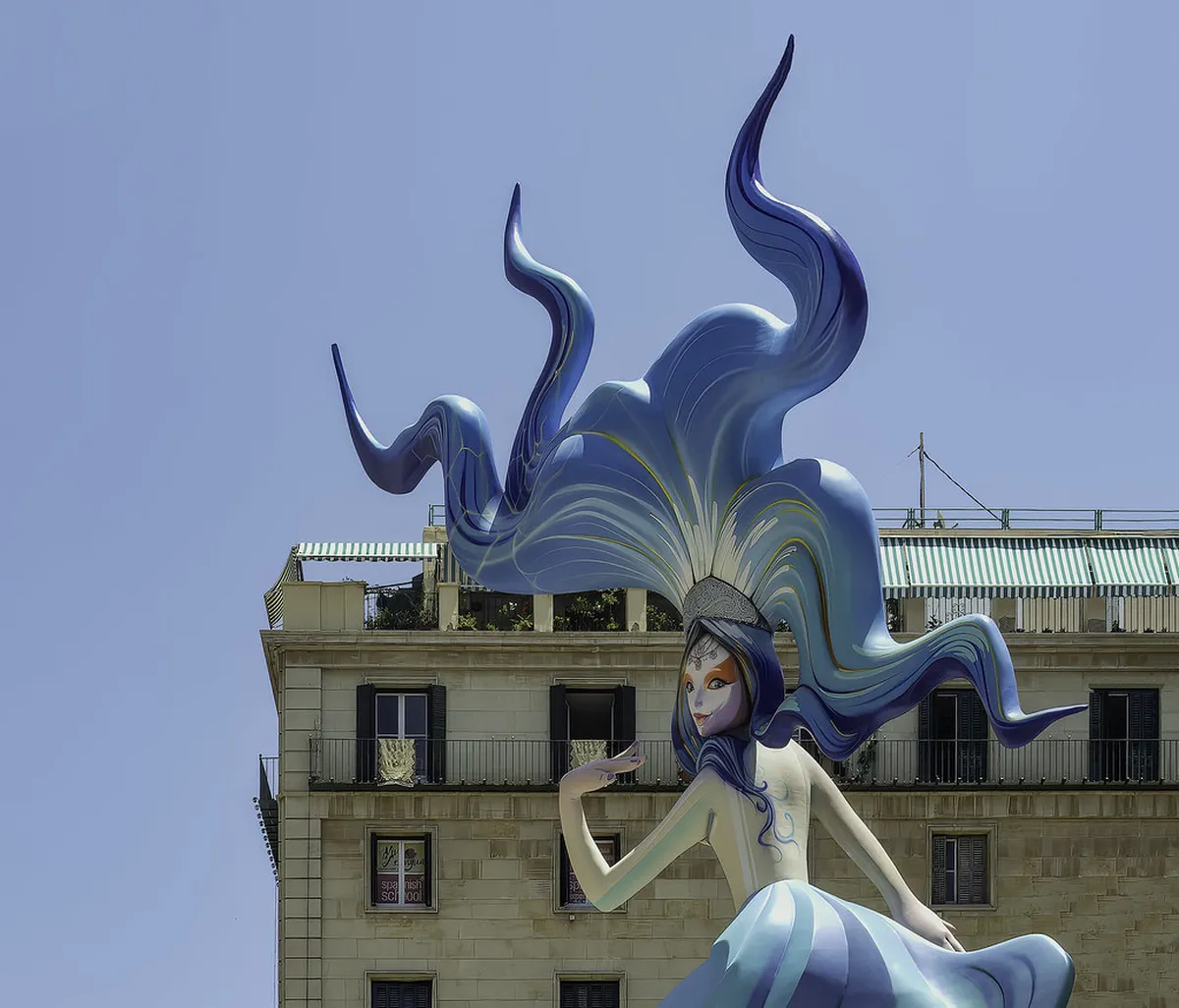
In the past, locals burned old furniture and junk to ward off evil spirits and bad luck. In Alicante specifically, the modern celebration traces directly to 1928, when a group of enthusiasts led by José María Py created the first official Hogueras — wooden and papier-mâché monuments modelled on Valencia's Las Fallas tradition. Modern celebrations have since evolved into a massive display of ephemeral art and pyrotechnics. The symbolic use of fire remains the core of Mediterranean summer identity.
The festival suits two kinds of traveler. History and culture seekers will find the religious processions, the origins of the Ninots, and the link to the Canigó mountain deeply rewarding. Those who simply want a once-in-a-lifetime beach party will find the atmosphere equally welcoming. Both get the same fireworks.
The Journey of the Canigó Flame
The Canigó Flame is a unique tradition that links the Pyrenees mountains to the Catalan coast. Every year, the flame is kindled at the summit of Canigó — a sacred peak on the French-Spanish border — by a team of volunteers who carry torches down the mountain. By June 22, the flame arrives at the Castellet of Perpignan. Representatives then relay it across Catalonia, lighting hundreds of local bonfires along the way. You can find details on the Official Canigó Flame Route online.
The flame arrives in Barcelona at the Plaça de Sant Jaume on June 23 at approximately 20:00. Representatives from neighborhoods across the city use this single source to light their own fires. This tradition symbolizes the shared cultural heritage of the Catalan-speaking regions, turning thousands of individual bonfires into one collective act. The arrival of the flame is accompanied by traditional music, sardana dancing, and the first firecracker volleys of the evening.
The Fogueres de Sant Joan in Alicante
Alicante treats the Fogueres de Sant Joan as its most important annual cultural event — a five-day celebration from June 20 to June 24. Artists spend months building large wooden and papier-mâché structures known as Hogueras, or simply Fogueres. These monuments often depict satirical scenes, local political figures, or cultural commentary with extraordinary detail. The city feels similar to Valencia during the Las Fallas dates in March, and both traditions share the same artistic DNA.
A major regional weather quirk in Alicante is the intense humidity called bochorno. This heat can make the crowded streets feel much warmer than the thermometer reads. Firefighters spray the crowds with water during the burning of the monuments in a tradition called the banyà. This is a favorite moment for younger festival attendees, who deliberately position themselves close to the flames just to get soaked.
The festival formally begins on June 20 with the planting of the monuments. Traditional foods on this day are coca amb tonyina (tuna flatbread) and bacores (fresh figs). Each commission also sets up a barracks — a temporary social club where meals, parties, and the award ceremonies for the best monuments take place throughout the week.
Museums, Art, and Culture in the Bonfires
The artistic side of the festival is easy to miss if you only show up for the burning. In Alicante, the Hogueras monuments are spread across the city streets and serve as open-air sculpture parks from June 20 until the Crema. Each commission competes for prizes across multiple categories — size, artistic concept, satirical wit — and the judging takes place before any fire is lit. Walking the monument route in the afternoon of June 23 is one of the best free cultural experiences the festival offers.
The Ninots — the individual figures that make up each monument — are voted on by the public, and the most popular one is pardoned from the flames. This pardoned Ninot is then displayed permanently in the Museo de la Hoguera in Alicante, which holds decades of saved figures. A visit to the museum before or after the festival provides context for how the art tradition has evolved since 1928. Entry is inexpensive and the collection spans satirical eras from Franco-era Spain to the present day.
In Barcelona, the cultural dimension is less monumental but equally vivid. Street parties erupt in almost every neighborhood, with each barri organizing its own bonfire and program of music. The Plaça de Sant Jaume ceremony on June 23 evening, where the Canigó Flame is received, is a formal cultural moment worth attending before the more chaotic beach celebrations begin.
Parks, Gardens, and Outdoor Spots for the Celebration
Knowing where official fires are permitted — and where they are not — saves hours of confusion on the night. In Alicante, the Hogueras monuments burn in designated street intersections marked on the official festival map. Postiguet Beach, the main city beach, is the focal point for fireworks and midnight gatherings. The tradition of washing your feet in the sea at midnight comes alive here, and the waterfront promenade stays open and managed by police throughout the night.
In Barcelona, official bonfires are permitted on designated beaches — primarily Barceloneta and Mar Bella — and in specific squares organized by neighborhood commissions. Open fires on non-designated patches of sand are extinguished by police. For an elevated view of the fireworks without the crowd crush, Montjuïc Hill provides panoramic sightlines across the city and the harbour. The castle gates are sometimes kept open late on Sant Joan night for this purpose.
Both cities prohibit glass bottles on beaches from June 23. Cans and plastic are allowed. This rule is enforced from around 22:00, so decant your drinks before heading to the sand. Public bathrooms near the beachfront become the critical bottleneck after midnight — locate them on your maps app in advance, because queues stretch 30 minutes long by 01:00.
Family-Friendly and Budget-Friendly Options
The festival is entirely free to attend. Every street monument, the Mascletà firecracker show, the Crema burning, and the neighborhood beach parties cost nothing. Budget travelers can experience the full event without spending a euro on entertainment — the only costs are food, drink, and transport. Bars and restaurants near the monuments charge regular prices; supermarkets are the smart choice for picnic supplies on June 23.
Families with young children should plan around the noise. The Mascletàs at 14:00 are genuinely loud — earplugs are essential for children and even many adults. The daytime monument-viewing circuit on June 21 and 22 is ideal for families: quieter, less crowded, and still spectacular. By June 23 evening, the streets are overwhelmingly adult and the noise levels are not suitable for toddlers or noise-sensitive children.
Quieter neighborhood options exist in both cities. In Alicante, the residential districts north of the old town have smaller local Hogueras that burn without the same density of crowd. In Barcelona, inland neighborhoods like Gràcia or Sant Andreu hold their own street parties that are more family-scaled than the beach. These are also where you are most likely to find locals celebrating rather than tourists, which often makes for a better experience.
Barcelona vs Alicante: Which City for Sant Joan?
The two main destinations for the Bonfires of Sant Joan offer genuinely different experiences. Choosing between them depends on how many days you have, what kind of crowd you prefer, and whether you want the full festival culture or a single spectacular night.
| Factor | Alicante (Fogueres) | Barcelona (Nit del Foc) |
|---|---|---|
| Duration | 5 days (June 20–24) | 1 night (June 23) |
| Focus | Monumental art + Crema burning | Fireworks + beach party |
| Mascletà | Yes, daily at 14:00 from mid-June | No |
| Canigó Flame | Not central | Formal ceremony at Plaça de Sant Jaume |
| Crowd size | Very large but manageable routes | Enormous on Barceloneta |
| Budget | Slightly cheaper accommodation | Higher hotel rates in June |
| Best for | Festival culture, art, history | One-night party, beach atmosphere |
Neither city is wrong. Alicante rewards travelers who want to understand the festival as a living cultural institution. Barcelona rewards those who want one unforgettable midsummer night on the Mediterranean. Both deliver the core experience: fire, sea, and the feeling that the whole city is awake at once.
How to Plan a Smooth Bonfires Day
Navigating Alicante and Barcelona during the festival requires careful planning. Public transport usually runs all night on June 23 in both cities to accommodate the crowds. Many central streets are closed to cars to make room for the large monuments. Book your accommodation — see our guide to where to stay for bonfires of Sant Joan — at least two months in advance, as the festival period sells out faster than any other week of the year in Alicante.
- Arrive in Alicante by June 20 to see the monument planting and first Mascletà
- Download the official Fogueres app for real-time monument locations and schedules
- Secure your viewing spot for the Crema by 22:00 on June 23 — barriers fill up fast
- Use the TRAM or TAM buses in Alicante; metro and night buses in Barcelona
- No glass bottles on beaches from 22:00 on June 23 in both cities
Safety is a genuine concern when thousands of people gather around open flames. Stay behind the official barriers set up by the local fire department. Wear old clothing you do not mind getting wet if you plan to stand near a Crema — the banyà water spray will reach you. Keep your belongings in a secure front-facing bag; both cities see elevated pickpocket activity on the night of June 23.
If you are travelling from elsewhere in Spain or Europe, check the how to get to bonfires of Sant Joan guide for transport options into Alicante. The AVE high-speed train connects Madrid to Alicante in about 2.5 hours. Alicante airport (ALC) has direct flights from most major European cities throughout June.
What to Pack for the Night of Fire
Packing for a summer festival in Spain requires a focus on heat management and practicality. The Mediterranean sun is very strong during the long days of late June, and the nights stay warm well past midnight. You will spend most of your time outdoors on pavement or sandy beaches, often standing for hours.
- Cotton or linen clothing — breathable fabrics are essential in the humidity
- High-quality foam earplugs — essential for the Mascletà and the Crema explosions
- Comfortable closed-toe sneakers — cobblestones and sand make sandals impractical
- Refillable water bottle — stay hydrated in 30°C heat; refill stations exist near the main squares
- Small drybag or ziplock pouches — protect your phone and documents from the banyà spray
- Coca de Sant Joan — buy a slice from any bakery on June 23; this sweet flatbread with candied fruit and cream is the essential festival food
Did You Know? Fascinating Sant Joan Facts
Saint John the Baptist is the only Catholic saint whose feast day is celebrated on the day of his birth rather than his death. His birth date of June 24 was fixed in the liturgical calendar to fall exactly six months before Christmas Eve — a deliberate alignment with the winter solstice counterpart. This makes Sant Joan one of the few major Catholic festivals with an astronomical anchor, which explains why pagan and Christian traditions fused so naturally here.
Jumping over a bonfire seven times is one of the oldest traditions of the night, believed to bring good luck for the coming year. On beaches across Catalonia and the Valencian Community, small private fires are lit by groups of friends specifically for this ritual. The number seven is not arbitrary — it echoes the seven deadly sins, and the fire is meant to purify the jumper of each one. Most people simply count to seven and enjoy the adrenaline.
The Coca de Sant Joan, the traditional sweet flatbread of the festival, comes in two versions: coca de llardons (with pork crackling) in Catalonia, and a sweeter version topped with candied fruit, cream, and pine nuts across the Valencian Community. Bakeries across Spain sell millions of units in the days around June 23. In Alicante, tuna flatbread (coca amb tonyina) and fresh figs are the June 20 equivalent — each day of the festival has its own traditional food.
Frequently Asked Questions
When are the Bonfires of Sant Joan dates for 2026?
The main festival events take place from June 20 to June 24, 2026. The most famous night of fire occurs on June 23. The official burning of the monuments happens at midnight on June 24.
Is it safe to attend the bonfires in Alicante?
Yes, the festival is generally safe but very crowded and loud. Always follow the instructions of the local fire department near the monuments. Wear earplugs to protect your hearing from the loud firecrackers.
What is the traditional food for Sant Joan?
The most famous food is the Coca de Sant Joan, a sweet bread topped with fruit. In Alicante, locals also eat tuna pie and fresh figs during the festivities. Most bakeries sell these items throughout the month of June.
Attending the Bonfires of Sant Joan is a sensory experience unlike any other in Spain. The combination of artistic monuments, loud pyrotechnics, and ancient rituals creates a unique atmosphere that no other European summer festival fully replicates. Planning your visit around the specific dates of June 23 and 24 is essential. For more travel inspiration, visit the Festivian blog for expert festival guides.
Whether you choose Alicante's five-day cultural immersion or Barcelona's one-night beach spectacular, the Night of Fire will stay with you long after the ash settles. Respect the local traditions and stay safe while enjoying the Mediterranean summer heat.
Free guide: Europe's Festival Calendar
A month-by-month map of Europe's unmissable festivals — with the best dates to visit each and a local tip you won't find in the guidebooks.
You might also like


Continue reading
More guides you'll find useful