
10 Romantic European Christmas Market Destinations for Couples (2026)
Discover the 10 most romantic Christmas markets in Europe for couples. Plan your 2026 trip with tips on boutique hotels, festive food, and hidden gems.
On this page
10 Romantic European Christmas Market Destinations for Couples
Europe transforms into a glittering wonderland each November and December, giving couples the chance to share mulled wine under ancient cathedral spires. Our editors have spent years scouting the snowy squares of the continent to find the most intimate holiday escapes for two. This guide, last updated June 2026, covers the best christmas markets in europe with enough practical detail to plan your actual trip. Whether you seek alpine magic in Austria or the timber-framed charm of Alsace, each destination below offers a distinct romantic atmosphere.
We cover opening dates, signature food and drink, where to stay, and the one romantic moment that defines each market. For timing and pricing logistics, check our companion when do christmas markets open in europe calendar, which tracks 2026 launch dates as markets confirm them. The brief section at the end compares costs across Eastern and Western Europe so you can plan according to your budget.
Free guide: Europe's Festival Calendar
A month-by-month map of Europe's unmissable festivals — with the best dates to visit each and a local tip you won't find in the guidebooks.
Strasbourg, France: The Capital of Christmas Romance
Strasbourg's Christkindelsmärik is the oldest Christmas market in Europe, with the first recorded edition dating to 1570. The stalls are set among the dramatic backdrop of the Strasbourg Cathedral and spread across several squares in the Grande Île, which is entirely pedestrianised during the season. Free to enter, most stalls operate daily from 11:00 to 20:00 throughout December, with some squares extending to 21:00 on weekends.
The romantic highlight is the Place de la Cathédrale at dusk, when the illuminated timber houses glow amber against the stone spire. Couples should walk to the Pont Saint-Martin bridge for a view of the Petite France district reflected in the canal — this is the quietest and most photogenic corner of the market circuit. The signature drink here is vin chaud, brewed locally and served in collectible ceramic mugs that you pay a deposit for and can take home as a keepsake.
For accommodation, staying outside the centre at a boutique property in the Alsace countryside offers both authenticity and space from the weekend crowds, which are substantial in Strasbourg. Hotel prices in the city centre double during the first three weekends of December, so booking at least three months in advance is essential for 2026.
Colmar, France: A Fairytale Setting for Two
Colmar has been voted the best Christmas market in France repeatedly, and the setting makes it obvious why. The town's preserved medieval and Renaissance half-timbered houses form a backdrop that feels designed for winter photography. Unlike most markets concentrated in a single square, Colmar runs six distinct markets spread across different parts of the old town, each with its own character and local produce focus.
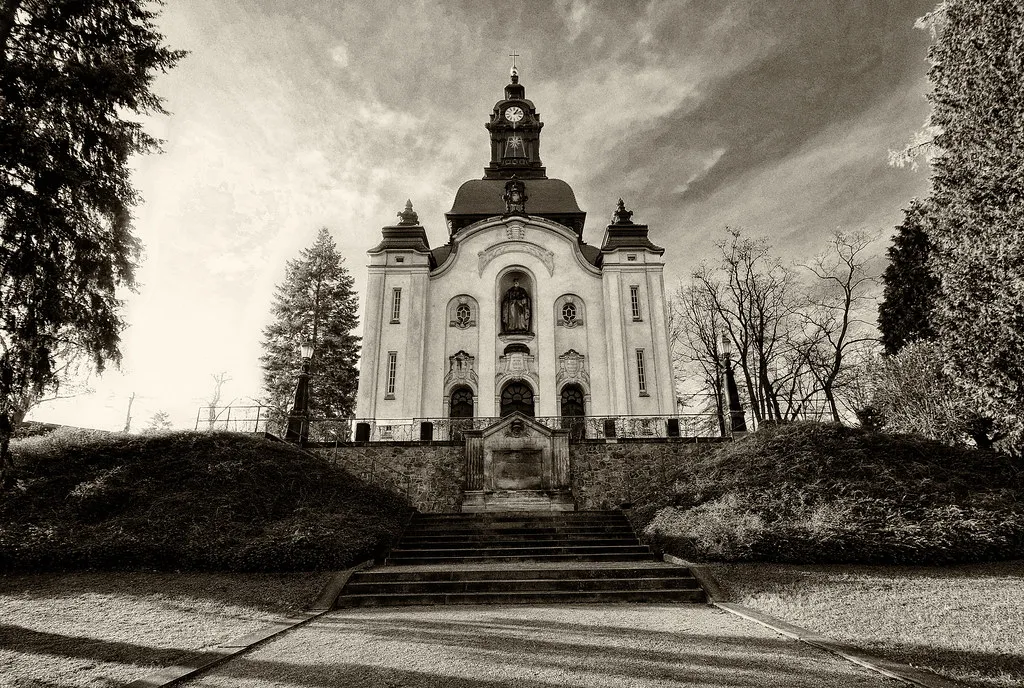
Markets are generally free to enter and open from 10:00 to 19:00, extending to 20:00 on weekends. The most romantic experience in Colmar is a boat ride through the Petite Venise district to see the festive lights reflected in the water at dusk. We recommend booking dinner at a local winstub (an Alsatian wine tavern) well in advance — tables during the market period fill up within days of opening for reservations.
Colmar is a natural pairing with Strasbourg. The two cities are 45 minutes apart by train, making a two-night, two-market mini-break a very manageable and highly satisfying itinerary for couples with limited time.
Vienna, Austria: Imperial Elegance and Mulled Wine
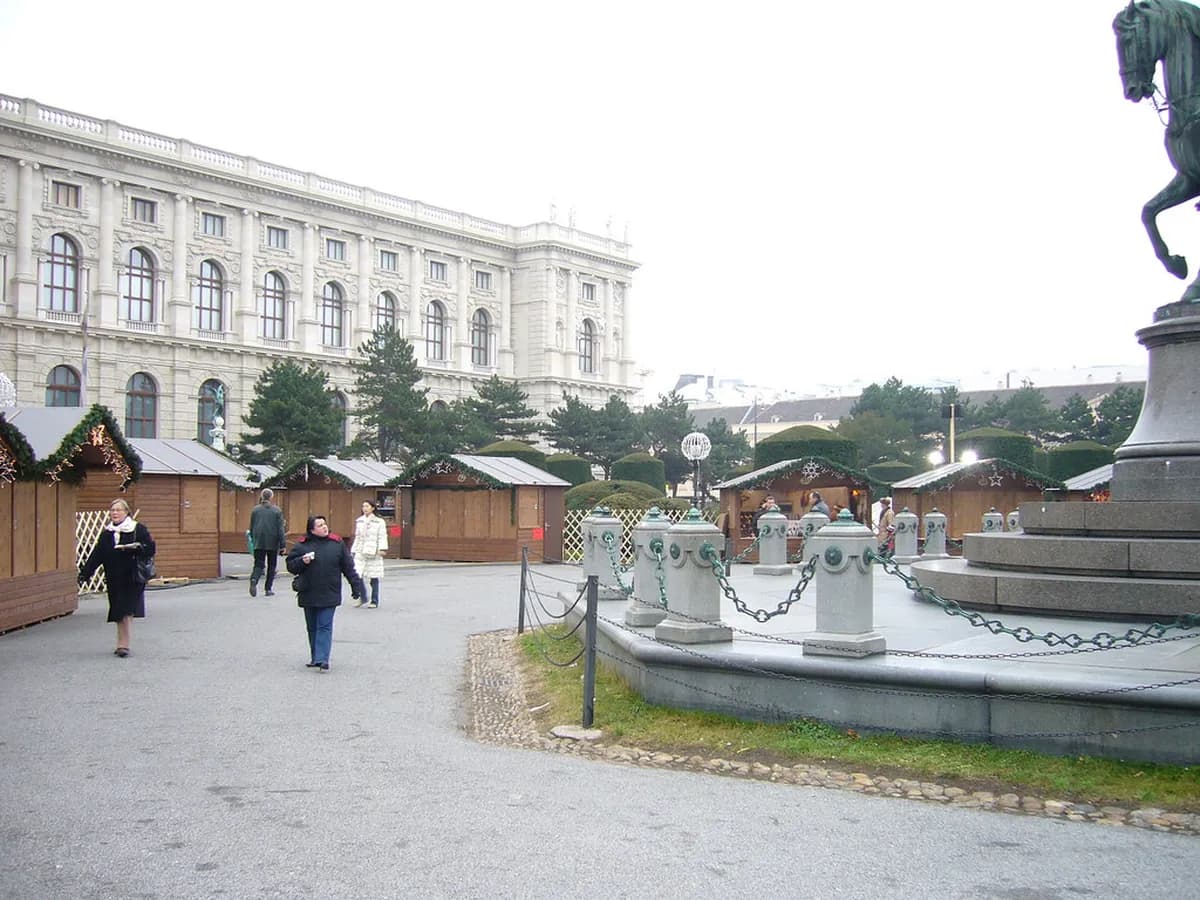
Vienna runs multiple markets simultaneously, with the Rathausplatz market being the grandest. The city hall's gothic revival facade serves as a glowing backdrop for hundreds of festive stalls, and the grounds include a massive ice skating rink that winds through the park's trees under twinkling lights. The market is open daily from 10:00 to 22:00, and admission to the grounds is free.
The most romantic spot in Vienna's market circuit is the Tree of Hearts at the Rathausplatz, a popular destination for couples seeking a quiet photo away from the main stall clusters. For a more intimate atmosphere, the Spittelberg quarter market — a ten-minute walk from the Ringstrasse — draws a local, quieter crowd and specialises in handcrafted goods from regional artisans. Glühwein here comes in both red and white varieties; the white is less common and worth seeking out.
Vienna's market season typically runs from mid-November to 26 December 2026. The city is expensive by regional standards, but the range of markets means you can combine a grand imperial experience with smaller neighbourhood markets in a single day.
Salzburg, Austria: Alpine Magic and Musical History
Salzburg combines alpine scenery with its identity as the birthplace of Mozart, creating a deeply traditional and soulful holiday environment. The main Christkindlmarkt on Domplatz and Residenzplatz opens in mid-November and runs until 26 December 2026. Market hours are generally 10:00 to 20:30 daily, with free entry to all areas.
The musical dimension sets Salzburg apart. Tower trumpeters perform traditional Advent music from the cathedral arches every Thursday and Saturday at 18:30, drawing crowds who gather in the square below. This free performance is one of the most atmospheric moments available at any European market and is something couples consistently recall as the emotional highlight of a Salzburg visit.
For an adventurous evening, the Krampus Run in nearby Hallstatt is held in early December and involves costumed figures carrying torches and chains through the streets in a centuries-old Central European tradition. It is loud, theatrical, and completely unlike anything else in the Christmas market circuit — couples who enjoy folklore and a bit of edge find it unforgettable. The drive from Salzburg to Hallstatt takes about 45 minutes.
Nuremberg, Germany: Traditional Gingerbread and Medieval Walls
Nuremberg's Christkindlesmarkt is one of the most historically significant markets in the world, held inside the old city walls since the 17th century. The market opens in late November with a ceremonial speech by the Christkind — a young woman elected to represent the spirit of Christmas — from the balcony of the Frauenkirche, then runs daily from 10:00 to 21:00. Entry to the main Hauptmarkt area is free.
The Frauenkirche Glockenspiel is a particular draw: mechanical figures dance from the church facade every day at 11:00 and again at 12:00. Watch from the market square itself for the best angle, and arrive a few minutes early as a crowd assembles. Nuremberg is also the home of Lebkuchen, a spiced gingerbread that has been made in the city since the 14th century — the Nuremberg gingerbread history traces its origins to local monasteries that had access to exotic spices along medieval trade routes.
For accommodation, the Dürer Hotel Nuremberg sits a short ten-minute walk from the main market and is named after the Renaissance painter Albrecht Dürer who lived nearby. Its location steps from the old city walls makes it the most practical and atmospheric choice for a couple spending one or two nights in the city.
Cologne, Germany: Cathedral Views and Cosy Market Stalls
Cologne runs seven distinct Christmas markets across the city, with the cathedral market at Roncalliplatz being the most photographed. The twin spires of the Cologne Cathedral rise directly behind the market's red-and-white striped stalls, creating an image that defines the German Christmas market aesthetic for many visitors. Stalls are open from 11:00 to 21:00 daily, with no entry charge to any of the seven markets.
The Market of the Angels at Neumarkt is the most whimsical and is worth adding to a Cologne itinerary — performers dressed as ethereal beings circulate through the stalls and the design is more theatrical than the cathedral market. Couples who want a view from above should note that the South Tower of the cathedral is open to visitors who climb 533 steps, offering a breathtaking aerial perspective of the market and the Rhine.
Cologne's size works in couples' favour: if the cathedral market becomes too crowded on a Saturday evening, three of the other six markets are within a fifteen-minute walk and tend to have a noticeably calmer atmosphere. The maritime-themed harbour market at the Chocolate Museum is particularly pleasant for an afternoon visit.
Rothenburg ob der Tauber, Germany: Intimate Medieval Charm
Rothenburg ob der Tauber is the most complete medieval walled town in Germany, and visiting during the Christmas market season feels like stepping inside a snow globe. The Reiterlesmarkt operates from 11:00 to 19:00 on weekdays and until 20:00 on Friday and Saturday. The market is small enough to explore entirely on foot in an hour, which encourages couples to wander the surrounding alleys rather than standing in stall queues.
The Night Watchman tour departs at 20:00 from the market square and takes small groups through the dark, snowy cobblestone streets of the old town by lantern light. It is equal parts historically informative and deeply atmospheric, and it consistently ranks as visitors' favourite memory of Rothenburg. The town has a dedicated Christmas shop — Käthe Wohlfahrt — that is open year-round but reaches its full spectacle during the market period, with handmade ornaments displayed floor to ceiling.
Rothenburg works best as part of a road trip itinerary between Nuremberg and Cologne. Cities on this corridor are typically 1.5 to 2.5 hours apart by car, making one-night stops viable without feeling rushed.
Vilnius, Lithuania: The Hidden Gem of the 2026 Season
Vilnius has become one of the most talked-about Christmas market destinations in recent years, driven largely by its remarkably designed Christmas tree in Cathedral Square, which has won the European Capital of Christmas title multiple times. The market is open daily from 11:00 to 21:00 and features glass-domed stalls that offer a modern aesthetic in deliberate contrast with the surrounding baroque and gothic architecture of the UNESCO-listed old town.
What sets Vilnius apart from Western European markets is price. A cup of mulled wine at the Cathedral Square market costs roughly €2.50 to €3.50 — less than half what you pay in Strasbourg or Vienna. Couples can spend a full day eating and drinking at the market without approaching the costs of a single afternoon in Paris or Cologne. Accommodation is similarly affordable, with quality boutique hotels costing significantly less than equivalent options in Germany or Austria.
A festive Christmas train loops through the old town offering a charming view of the entire market circuit. Vilnius also hosts an ice skating rink adjacent to the main market, and the city's compact size means the main attractions — the Gate of Dawn, Gediminas Castle, and the market itself — are all within a twenty-minute walk.
Prague, Czech Republic: Gothic Romance and Winter Lights
Prague's Old Town Square market is one of Europe's most dramatic in terms of setting. The gothic spires of the Týn Church frame the market on one side while the Astronomical Clock occupies the other. Stalls are open daily from 10:00 to 22:00, including Christmas Eve and Christmas Day, giving late-season travellers a viable option when most Western European markets have already closed.
The Astronomical Clock puts on an hourly show — mechanical figures emerge from the clock face and the bell rings on the hour. Sharing a warm trdelník pastry while watching the display from a few feet away is one of the most reliably romantic moments in any European market. For a quieter and arguably more beautiful experience, cross the river via Charles Bridge to the smaller market at Prague Castle, which overlooks the city and tends to attract a more local crowd in the evenings.
Prague is more affordable than Vienna or Strasbourg but pricier than Vilnius or Budapest. It is particularly well-suited as a standalone destination for a long weekend, with enough architecture, restaurants, and culture beyond the market itself to fill four or five days easily.
Budapest, Hungary: Thermal Baths and Festive Spirit
Budapest combines festive shopping with one of Europe's most distinctive attractions: thermal bath culture. The market at St. Stephen's Basilica is free to enter and stays open until 22:00 on most nights. A 3D light show is projected onto the Basilica facade every thirty minutes after sunset, drawing crowds to the main square and creating a spectacle that the market itself is partly designed around.
The most romantic post-market activity in Budapest is an evening visit to the Széchenyi Thermal Baths, where outdoor heated pools remain at 38°C regardless of the air temperature. Arriving at night, when the ornate yellow-lit building is reflected in the steaming water and the crowd is smaller than during the day, is consistently described by couples as one of the most memorable winter travel experiences in Europe. Entrance costs roughly €25 to €35 per person in 2026, depending on locker options.
Budapest offers some of the best value of any capital city on this list. A quality dinner for two with wine costs €40 to €60 at a mid-range restaurant in the city centre, and boutique hotels within walking distance of the Basilica market are available at prices well below Vienna or Prague equivalents.
Opening Dates and Timing Tips for 2026
Most major German and Austrian markets open in the third or fourth week of November and close on 24 December. Strasbourg and Colmar typically open around 22 November. Vienna and Salzburg usually begin mid-November. Prague and Budapest often extend past Christmas into the first week of January, which makes them the best options for couples travelling between 25 December and 2 January.
Early December is consistently the least crowded period at the most popular markets. The second and third weekends of December are the busiest across the board, with Cologne and Nuremberg in particular drawing very large crowds on Saturday afternoons. Couples travelling on a budget should also note that hotel rates at major markets drop noticeably after 21 December as demand falls before Christmas itself.
A road trip between major hubs — such as Cologne to Strasbourg to Colmar to Rothenburg to Nuremberg — covers approximately 600 kilometres total. Drives between adjacent cities are typically 1.5 to 3 hours. Planning the sequence north to south, ending in Austria, allows you to build from urban markets to alpine ones and matches the natural geography of the route. Check individual market websites in October 2026, as exact opening dates are confirmed late and can shift by a few days year to year.
Traditional Food and Drink: What to Share at the Markets
Glühwein — hot mulled red wine spiced with cinnamon, cloves, star anise, and orange peel — is the defining drink of the European Christmas market circuit. It is served at every market from Lithuania to France, though recipes vary noticeably by region. Alsatian vin chaud tends to be lighter and fruitier; Bavarian Glühwein is spicier and stronger; Austrian Punsch adds rum or brandy to the mix. Collecting the ceramic mugs from different markets is one of the small traditions couples tend to develop across a multi-city trip.
Food highlights by country: Germany offers Bratwurst with mustard, Nuremberg Lebkuchen gingerbread, and Rothenburg Schneeballen (fried pastry balls dusted with sugar). France's markets serve crêpes, Flammkuchen (Alsatian thin-crust tart), and praline chocolates. Austria contributes Kaiserschmarrn (torn caramelised pancake) and Punschkrapfen (rum punch cakes). Prague adds trdelník — a dough ring grilled over charcoal and rolled in cinnamon sugar, eaten immediately while warm. Budapest markets are known for kürtőskalács, a similar chimney cake with a longer tradition.
One practical note on drink prices: a 300ml Glühwein in Vilnius or Budapest costs roughly €2.50 to €3.50. In Strasbourg, Vienna, or Cologne, expect €4.50 to €7 for the same volume. The quality gap is minimal — Eastern European markets source their wine and spices from the same regional suppliers — so couples travelling on a tighter budget lose nothing by prioritising the eastern destinations on this list.
Eastern vs Western Europe: A Couple's Budget Comparison
The price gap between eastern and western markets is larger than most guides acknowledge. A realistic daily budget for two people — including accommodation, meals, market drinks, and incidentals — breaks down roughly as follows for 2026. In Strasbourg or Vienna, expect to spend €250 to €350 per day as a couple at a mid-range level. In Cologne or Nuremberg, budget €200 to €280. In Prague, €130 to €180 covers the same quality of experience. In Budapest or Vilnius, €90 to €140 per day as a couple is achievable at a comfortable standard.
The atmosphere and design quality in Eastern markets has converged significantly with Western ones over the past decade. Vilnius's Christmas tree consistently outperforms much larger markets in the design rankings used by experienced market-goers. Budapest's Basilica light show is more technologically impressive than anything available in France or Germany. Couples who prioritise atmosphere over prestige branding often find the eastern destinations more rewarding.
The case for combining both regions is strong: start with three nights in Vienna or Salzburg for the imperial grandeur and train links, then end with two nights in Budapest or Bratislava where the budget opens up and the crowds thin out considerably. This east-west arc is also achievable entirely by train, with no driving required, using the Vienna-Budapest corridor that runs roughly every hour and takes under three hours.
Frequently Asked Questions
What is the best way to see the Christmas markets in Europe?
The best way to see multiple markets is by using Europe's extensive rail network or a rental car for more flexibility. Trains connect major hubs like Vienna and Salzburg in under three hours, making it easy to visit several cities in one week.
What should couples wear to stay warm at the markets?
We suggest wearing thermal base layers and waterproof boots to handle the cold cobblestones and potential slush. Check our guide on what to wear to a christmas market for a full packing list of winter essentials.
Are Christmas markets in Europe open on Christmas Day?
Most markets in Germany and France close by the afternoon of December 24th. However, markets in Prague and Budapest often stay open through Christmas Day and even into the first week of January for late travelers.
Visiting Europe for more than one festival? See our complete guide to festivals and events in Europe.
A romantic journey through Europe's Christmas markets offers an unparalleled way to celebrate the holiday season with your partner. From the high-tech trees of Vilnius to the ancient traditions of Nuremberg, there is a destination to suit every couple's style and budget. By booking accommodation early and planning the east-west sequence carefully, you can experience both imperial grandeur and affordable intimacy in a single trip. We hope this guide helps you find the right combination of markets for a genuinely memorable European winter in 2026.
Free guide: Europe's Festival Calendar
A month-by-month map of Europe's unmissable festivals — with the best dates to visit each and a local tip you won't find in the guidebooks.
You might also like


Continue reading
More guides you'll find useful


