Festivals and Events in Turin 2026: The Complete Calendar
Turin's 2026 festival calendar: CioccolaTò chocolate festival, Salone del Libro, Kappa FuturFestival, Torino Film Festival and the free Luci d'Artista lights.
On this page
Festivals and Events in Turin 2026: The Complete Calendar
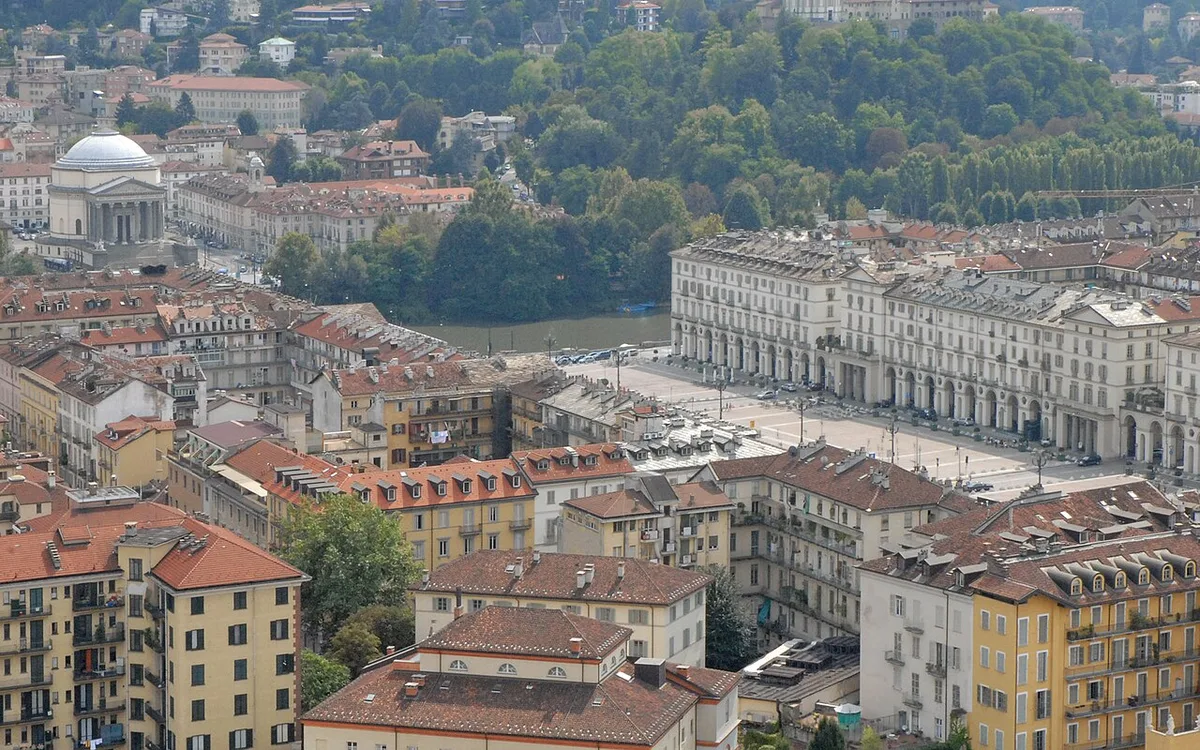
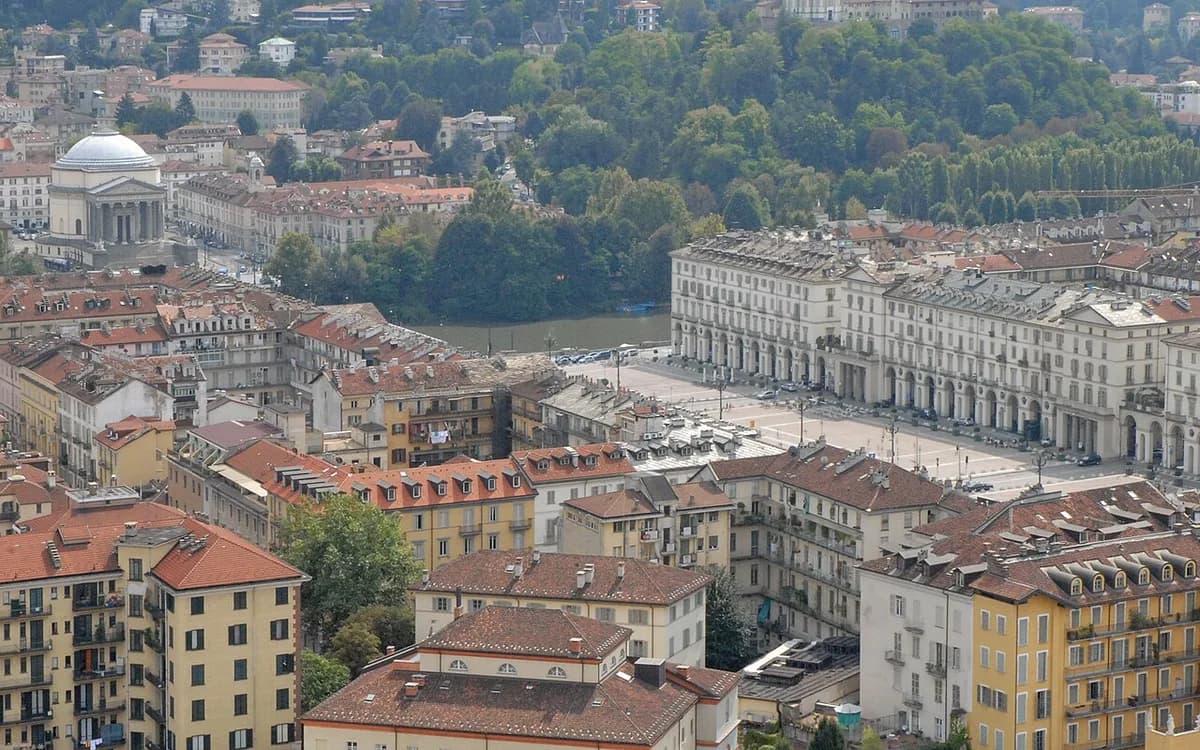
Turin is one of Europe's most underrated city-break destinations, and its festival calendar is a large part of why. When I first arrived in Piazza Vittorio Veneto on a February afternoon, the square was filling with the smell of melted chocolate and the low murmur of a city that takes its pleasures seriously. This was CioccolaTò, Turin's annual celebration of gianduiotto and bicerin, and it set the tone for everything I came to love about how this city marks the calendar. The CioccolaTò chocolate festival guide covers that event in full — but Turin's year extends well beyond February.
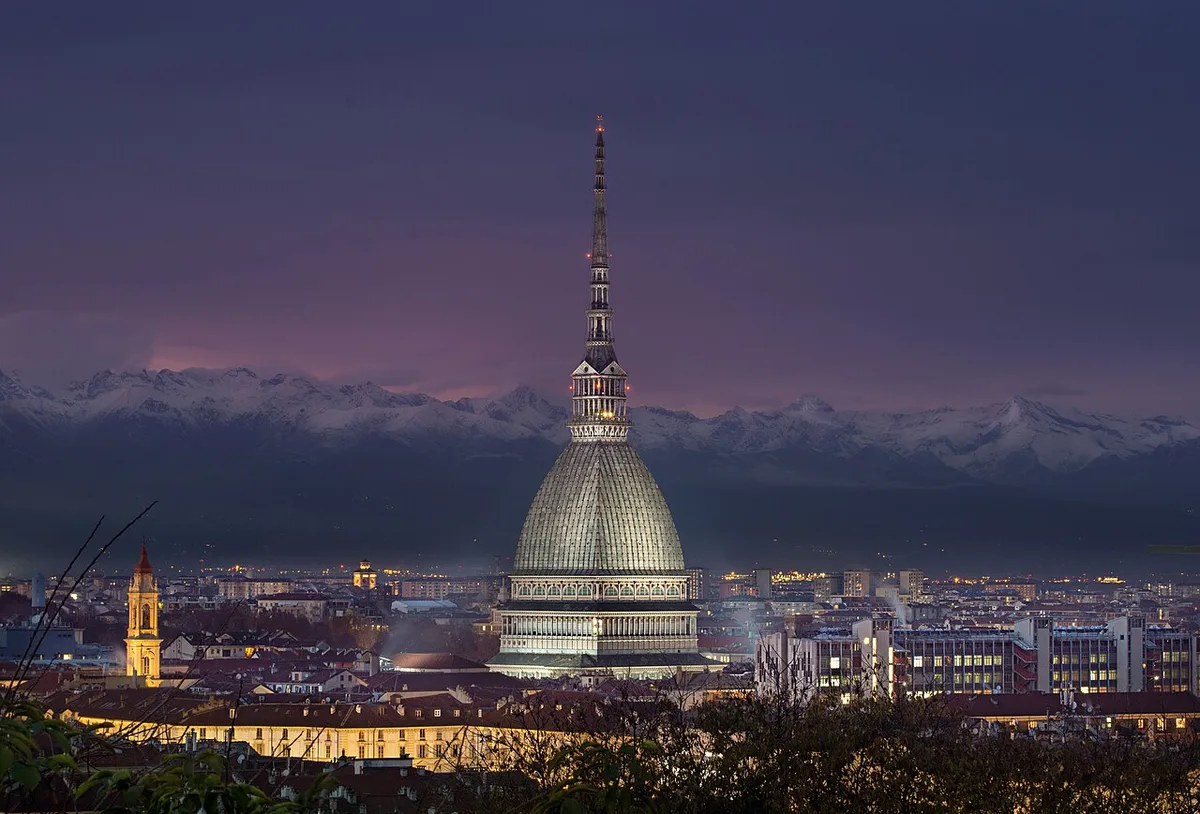
Italy's first capital sits at the foot of the Alps in Piedmont, and its architectural confidence shows in 18 kilometres of arcaded porticoes that shelter the historic centre regardless of the weather. The Mole Antonelliana towers over baroque piazzas, the Museo Egizio holds the world's second-largest collection of Egyptian artefacts outside Cairo, and the city's cinema heritage runs so deep that the Torino Film Festival was among the first in the country to champion independent cinema. All of this feeds into a cultural programme that runs year-round without the tourist fatigue of Florence or Venice. For the full picture of what's on in 2026, the official Turin Tourism events calendar is updated monthly.
This guide maps Turin's 2026 festival calendar month by month — from the chocolate marquees of February through the light-art installations that illuminate the city's squares into January. Whether you are planning a long weekend around a single event or building a longer Piedmont itinerary, the sections below will help you decide when to come and what to expect when you arrive.
Free guide: Europe's Festival Calendar
A month-by-month map of Europe's unmissable festivals — with the best dates to visit each and a local tip you won't find in the guidebooks.
Why Turin for Festivals?
Turin rewards visitors who come with a purpose. The city's festival culture is rooted in its identity as Italy's first industrial capital and its long tradition of serious intellectual and artistic life — it is where Nietzsche collapsed on the street, where Gramsci wrote in prison, and where the Italian automobile industry was born. That combination of heavy industry, Savoy royal patronage, and Piedmontese reserve produces a particular kind of cultural event: well-organised, specific in subject matter, and rarely overtly commercial.
Practically, the city is easy to navigate. Metro Line 1 connects the main arrival hub at Porta Nuova station with the northern exhibition venues, and the Torino+Piemonte Card (available for 48h, 72h, or 5 days) bundles public transport with free entry to most of the city's major museums — useful if you combine a festival visit with time at the Museo Egizio or the Museo Nazionale del Cinema inside the Mole. The arcaded streets mean most of the city centre is walkable in any weather, which matters during the February and November events.
CioccolaTò: Turin's February Chocolate Festival
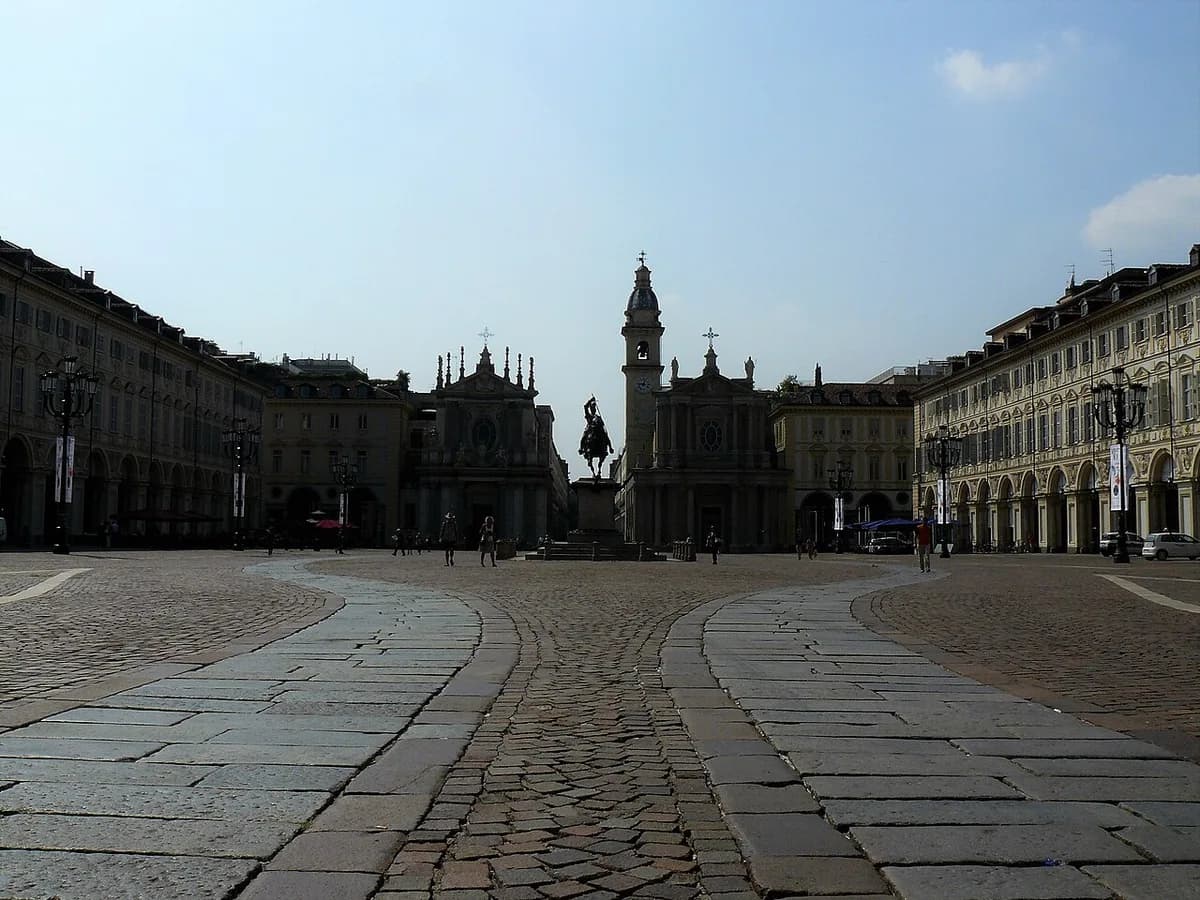
CioccolaTò is Turin's most distinctive festival and the event most worth building a trip around. In 2026, it runs from 13 to 17 February across the historic centre, with the main outdoor marquees concentrated in Piazza Vittorio Veneto — the vast baroque square beside the Po river that serves as the festival's natural amphitheatre. Beyond the square, programming extends into the Museo Nazionale del Cinema inside the Mole, the Circolo dei Lettori literary club on Via Bogino, and the Gallerie d'Italia on Piazza San Carlo, which host masterclasses, exhibitions, and evening tastings.
The focus is on Piedmontese chocolate tradition, which means gianduiotto — the boat-shaped hazelnut chocolate invented in Turin in the nineteenth century — as well as the bicerin, a layered drink of espresso, chocolate, and cream served in the glass cups that the historic Caffè Al Bicerin has been producing since 1763. Master chocolatiers from across Italy and Europe set up demonstration stations; entry to the outdoor market area is free. Tasting packs and guided experiences carry a small charge and tend to sell out on the weekend days. I would recommend arriving on a Thursday or Friday morning for shorter queues and a better chance of working through the stalls without feeling rushed.
For full tasting notes, venue maps, transport advice, and the masterclass booking process, see the dedicated CioccolaTò Turin chocolate festival guide.
Spring: Salone del Libro and Torino Jazz Festival
May brings the Salone Internazionale del Libro, Italy's largest book fair, to the Lingotto Fiere exhibition complex — the former Fiat factory whose rooftop test track is still intact. The event draws around 170,000 visitors over five days, with stands from hundreds of Italian and international publishers, a literary programme of readings and debates, and a dedicated children's literature section. Entry is ticketed; day passes are available online and at the door, though weekend afternoons become extremely crowded. The Lingotto is on Metro Line 1, making the journey from the city centre straightforward.
Running concurrently into May is the Torino Jazz Festival, which spreads jazz performances across the city's piazzas, historic courtyards, and club venues. A significant portion of the programme is free to attend — outdoor concerts on Piazza Castello and Piazza San Carlo are ticketless — with the indoor headline shows requiring advance booking. The festival's outdoor stages make it one of the most accessible jazz events in Italy, combining well with an afternoon at the Salone del Libro if your schedule allows both in the same visit.
Summer: Kappa FuturFestival and Electronic Music
Kappa FuturFestival takes place in July at Parco Dora, a post-industrial park on the northwestern edge of the city centre built on the site of a former Fiat steelworks. The rusting steel structures and wide open lawns have made it one of Europe's most visually striking outdoor festival settings, and the lineup focuses on techno, house, and experimental electronic music across multiple stages. The festival typically runs over two or three days, with camping options and late-night programming that extends well past midnight. Tickets sell out in advance for the main acts.
Movement Torino occupies a similar space in the electronic calendar, usually programming across spring or early summer. Together, the two events have established Turin as an Italian reference point for club-rooted festival culture — a position that surprises visitors who expect the city's cultural identity to stop at opera and baroque architecture. Parco Dora is approximately 20 minutes on foot or 10 minutes by tram from Porta Nuova station, and the surrounding Valdocco neighbourhood has a growing cluster of bars and restaurants well suited to the festival crowd.
Autumn: Torino Film Festival
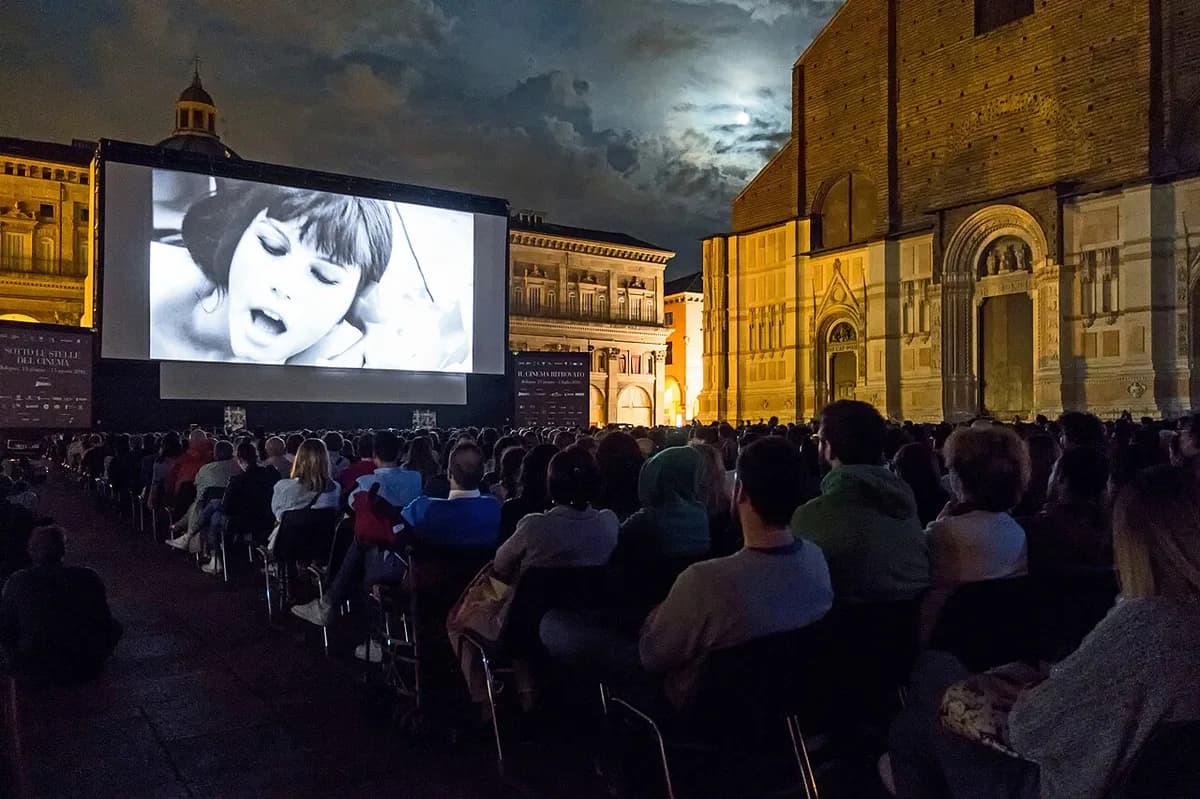
The Torino Film Festival arrives in late November and is one of Italy's most respected cinema events, predating many of the country's better-known festivals. Turin's connection to film is structural: the Museo Nazionale del Cinema inside the Mole Antonelliana is among the finest film museums in Europe, and the city hosted some of the earliest Italian film productions in the early twentieth century. The festival builds on that heritage with a programme focused on independent, documentary, and genre cinema from international directors.
Screenings take place across the historic cinema venues of the city centre, including the Cinema Massimo and the Teatro Carignano. Press accreditation and public ticket sales open several weeks before the festival begins; popular screenings sell out quickly, but the programme typically includes free or low-cost outdoor screenings and public events as well. For visitors already planning a November trip for Luci d'Artista, the film festival runs alongside the first weeks of the light installation programme, making a combined visit genuinely practical.
Luci d'Artista: The City of Light (November–January)
Luci d'Artista — Artist's Lights — is Turin's winter event and arguably its most visually ambitious annual project. From November through January, the city's major squares and streets are transformed by site-specific light-art installations commissioned from contemporary artists. The works are not seasonal decoration: they are original commissions that use the piazzas and arcaded streets as their canvas. Piazza San Carlo, Via Roma, Piazza Castello, and the long corso that leads towards the Mole all carry different installations each season.
Admission is entirely free, and the installations are visible from the street around the clock once illuminated. The best viewing conditions are from around 18:00, after dark, when the pieces work as intended against the night sky. Walking the full Luci d'Artista route from Piazza Vittorio Veneto through Piazza San Carlo and up to Piazza della Repubblica takes roughly 90 minutes at a relaxed pace. The installations remain in place through Epiphany (6 January), so the event straddles Christmas and New Year.
Christmas Markets and New Year in Turin
Turin's Christmas markets run in parallel with Luci d'Artista, with the main concentration in Piazza San Carlo and the surrounding streets. The stalls focus on Piedmontese food products — truffles, wines from the Langhe, gianduiotto, and nougat — alongside craft goods and seasonal decorations. Compared to the major German-style Christmas markets further north, Turin's feel more local and less tourist-packaged, which suits the city's character. Evening crowds are lighter than in Rome or Florence, and the combination of the market stalls and the overhead light installations makes the piazza feel genuinely theatrical.
New Year's Eve centres on Piazza San Carlo, which hosts a free outdoor concert and countdown. The square holds tens of thousands of people and the event is broadcast nationally; arriving by 21:00 is advisable to secure a good position. If you are planning a trip focused on the Christmas markets, the best Christmas markets in Italy guide covers Turin alongside the other leading Italian destinations, and the Christmas markets in Europe for first-timers guide puts the Italian options in the broader European context.
Getting Around Turin and Day Trips
Turin's historic centre is compact and walkable. The main festival venues — Piazza Vittorio Veneto, Piazza San Carlo, Piazza Castello, and the Lingotto — sit within a roughly 4-kilometre corridor that is pleasant on foot thanks to the covered arcades. For journeys to Parco Dora in the north or the Lingotto in the south, Metro Line 1 is the most direct option; a standard single costs €1.70 and the Torino+Piemonte Card makes all urban journeys free for the duration of your visit.
The Piedmont countryside is one of the strongest arguments for basing yourself in Turin rather than a smaller town. Alba and the Langhe wine country are 60 kilometres south by regional train, and autumn visitors who combine the Torino Film Festival with the Alba White Truffle Festival — which runs through October and November — find the two events complement each other naturally. The train journey from Porta Nuova to Alba takes around 75 minutes; Trenitalia regional services run several times daily.
- Torino+Piemonte Card — covers museums + transit; buy at Porta Nuova station or online
- Metro Line 1 — connects Porta Nuova to Lingotto (south) and Fermi (north, near Parco Dora)
- Regional trains to Alba — Langhe day trip, 75 minutes from Porta Nuova
- Arcaded streets — 18 km of covered porticoes make the centre walkable in any weather
Frequently Asked Questions
When is the best time to visit Turin for festivals?
February and November–January are the two peak festival periods. February brings CioccolaTò (13–17 February 2026) and the carnival season. November to January overlaps the Torino Film Festival, the start of the Christmas markets, and the full Luci d'Artista light-art programme, which runs through early January. May is ideal if your priority is the Salone Internazionale del Libro or the Torino Jazz Festival.
What are the CioccolaTò 2026 dates?
CioccolaTò 2026 runs from 13 to 17 February in Piazza Vittorio Veneto and across several cultural venues including the Museo Nazionale del Cinema and the Gallerie d'Italia. Entry to the outdoor market is free. Organisers confirm exact programming and venue schedules each December — check the official site for the latest details.
Is Turin worth visiting as a city break?
Yes. Turin is consistently underrated compared to Rome, Florence, and Venice. It offers the Museo Egizio (world's second-largest Egyptian collection outside Cairo), the Museo Nazionale del Cinema inside the Mole Antonelliana, baroque piazzas, 18 kilometres of covered arcades, and arguably the best café culture in Italy. Festival visits aside, it rewards two to three days at any time of year.
What is Luci d'Artista?
Luci d'Artista (Artist's Lights) is Turin's annual winter light-art installation programme, running from November through early January. Contemporary artists are commissioned to create site-specific light works across the city's major squares and streets, including Piazza San Carlo, Piazza Castello, and Via Roma. All installations are free to view from the street after dark.
What day trips can I do from Turin?
The most popular day trip is to Alba and the Langhe wine country, around 75 minutes by regional train from Porta Nuova station. Alba hosts its famous White Truffle Festival through October and November. The Sacra di San Michele abbey is an hour by bus and train combination, and the Royal Residences of the Savoy — a UNESCO World Heritage Site spread across the Piedmont countryside — are reachable by regional connections in under an hour.
Related: CioccolaTò Turin Chocolate Festival — Full Guide.
Turin's festival calendar is one of the most coherent in Italy: each event connects to something the city genuinely knows — chocolate, books, cinema, electronic music, light art. None of it feels imported or generic. When I have recommended the city to fellow travellers uncertain about whether it could hold a week, the festival calendar is what I point to first, because it gives a structure to the visit that the museums alone cannot.
February remains the peak month for the sheer concentration of atmosphere — CioccolaTò filling Piazza Vittorio Veneto while the rest of Europe is in its grey midwinter slump is a genuinely good argument for getting on a plane. But the Luci d'Artista winter from November into January is the best-kept secret, and combining it with the Torino Film Festival and a Langhe day trip builds exactly the kind of layered Italian trip that most guidebooks still don't tell you about.
Free guide: Europe's Festival Calendar
A month-by-month map of Europe's unmissable festivals — with the best dates to visit each and a local tip you won't find in the guidebooks.
You might also like
Continue reading
More guides you'll find useful