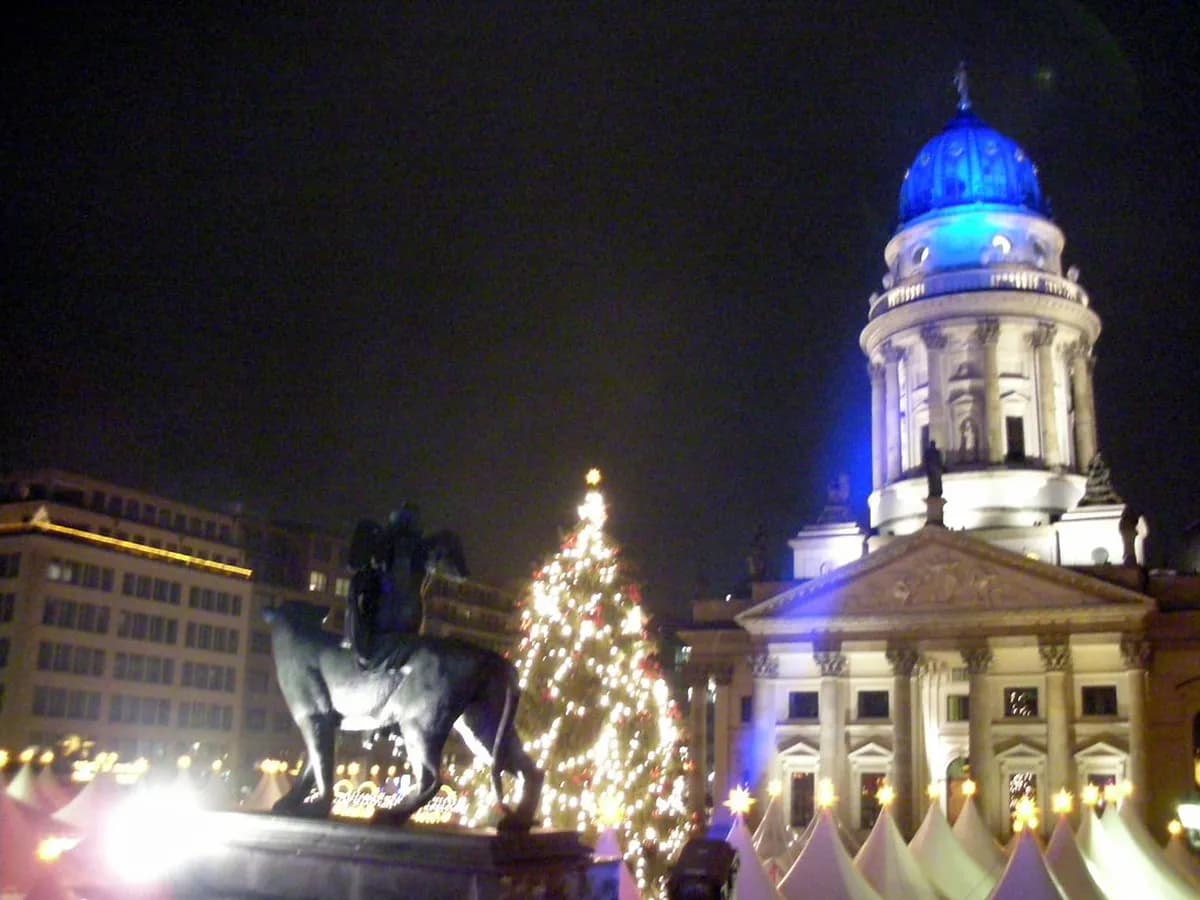
10 Best Christmas Markets in Italy (2026)
Discover the best christmas markets in italy with our 2026 guide. Find local crafts, timing tips, and pricing for Bolzano, Naples, and more.
On this page
10 Best Christmas Markets in Italy (2026)
Italy's Christmas market season runs from late November through January 6 — Epiphany — and the range of what you'll encounter is wider than most visitors expect. The alpine markets of South Tyrol feel closer to Innsbruck than Rome, while Naples barely resembles a market at all: it's a living street workshop where artisans carve nativity figures in real time. Both are worth the trip. Knowing which region fits your travel style is the real planning challenge.
Navigating the best christmas markets in italy requires understanding the deep regional divide between the Germanic north and the artisanal south. The Dolomites offer mulled wine and carved wood ornaments; southern cities like Naples focus on terracotta craftsmanship passed down for centuries. We've organized this guide by region and intent — so whether you want the full Alpine experience or a quick add-on to an existing Italy trip, you'll find your answer here.
Free guide: Europe's Festival Calendar
A month-by-month map of Europe's unmissable festivals — with the best dates to visit each and a local tip you won't find in the guidebooks.
10 Must-See Christmas Markets in Italy
The northern regions hold the strongest tradition for classic wooden-hut markets, rooted in historical ties with Austrian and German culture. Cities in South Tyrol and Trentino typically open in late November and run until Epiphany on January 6. Southern markets run shorter — most wrapping up by December 24 or just after New Year. Plan accordingly if you want both regions in one trip.
Most major markets are free to enter and sit within walking distance of train stations. Expect to spend between €5 and €15 on snacks and drinks — vin brulé, roasted chestnuts, or a plate of canederli. The markets below are our ten picks for 2026, ordered roughly north to south.
- Bolzano Christmas Market in Piazza Walther — Italy's largest and most traditional, with over 80 exhibitors. Open daily 10:00–19:00 (food stalls until 21:00 weekdays, 22:30 Friday–Sunday). Free entry. Accessible by train from Verona in 90 minutes.
- Merano Christmas Market along the Passirio — A spa-town setting with the river promenade lit up for the season. Open 10:00–19:00 daily, with enhanced weekend hours. Try the kaiserschmarren (sweet shredded pancakes) and explore the thermal wellness centers nearby. About 40 minutes by train from Bolzano.
- Bressanone (Brixen) Cathedral Market — Set in Piazza Duomo in South Tyrol's oldest town. Known for gingerbread and the light and music show at the Hofburg Palace next door; tickets for the show run roughly €10–€15. About 3.5 hours from Milan by train.
- Trento Christmas Market in Piazza Fiera — Spread across Piazza Fiera and Piazza Cesare Battisti. Over 70 wooden chalets selling regional wines, Puzzone di Moena cheese, and hand-blown glass ornaments. Open 10:00–19:30 daily. Under an hour south of Bolzano by train.
- Verona Christmas Market in Piazza dei Signori — Modeled on Nuremberg's Christkindlmarkt. Over 100 vendors, an indoor ornament hut, and a nativity scene display in the Arena. Open daily from mid-November; Verona is 90 minutes from Milan and about the same from Venice.
- Milan's Oh Bej! Oh Bej! Fair near Sforza Castle — Milan's oldest Christmas celebration, first recorded in 1288. Usually runs just four days around December 7, from 09:00 to late evening. Expect antiques, vintage books, and panettone alongside roasted chestnuts.
- Asti Magical Christmas Village in Piedmont — Italy's largest market by stall count, with up to 120 vendors across several historic squares. Runs from mid-November to late December, 10:00–20:00 daily. Truffle products and Barbera wine are the local specialties.
- Florence Weihnachtsmarkt in Piazza Santa Croce — A German-style market with 55 wooden huts against the backdrop of the Franciscan basilica. Open 10:00–22:00 daily. About 20 minutes on foot from Santa Maria Novella station. Florence is 1.5–3 hours by train from Rome or Milan.
- Perugia Underground Market in Rocca Paolina — A medieval fortress tunnel transformed into a vaulted Christmas market in Umbria. Famous for Perugina chocolates in every shape and size. Accessible by train from Rome or Florence in 2–3 hours.
- Naples Christmas Alley on Via San Gregorio Armeno — Less a market than a working street of nativity workshops open year-round, but at full intensity from December. Browse for free; most workshops open 09:00–20:00 daily. Naples is about 75 minutes by high-speed train from Rome.
Asti and Piedmont's Christmas Celebrations
The Magical Christmas Village in Asti is Italy's biggest Christmas market by number of stalls — typically around 120 vendors spread across multiple squares and historic streets in the Piedmont region. Local tourism figures put total visitors at over 500,000 during a six-week run. The focus is strictly on high-quality Italian craftsmanship and regional food products from the Langhe and Monferrato areas. Wine runs €5–€8 a glass at the heated stalls, often with a small snack included.
Turin, an hour's drive from Asti, adds a separate layer to a Piedmont Christmas trip. The Luci d'artista light installation runs December 1 through January 7, transforming the city's streets and squares. The videomapping show in Piazza San Carlo runs daily from 18:30 to 21:30 between December 16 and January 7 — free to watch from the square. Father Christmas' House in the Royal Castle of Govone, just outside Asti, is a worthwhile stop for families with children.
We suggest arriving in Asti by train: the station is a five-minute walk from the first festive stalls. Parking becomes extremely difficult after 11:00 on weekends. Plan two to three hours for the market itself, then consider an evening in Turin for the light show before heading back.
Naples Christmas Market and Southern Traditions
Naples offers a starkly different experience from the alpine markets of the north. The tradition centers on the presepe (nativity scene), and the workshops on Via San Gregorio Armeno have been producing intricate figures for centuries using traditional terracotta and silk. The street traces its nativity-making roots to the 13th century; the craft expanded significantly in the 18th century and has never stopped. Over 500,000 visitors walk the alley each December. You'll find everything from traditional shepherds and wise men to satirical figurines of current politicians and footballers.
Don't miss the Cloister of Santa Chiara, which hosts a large nativity scene stretching over 200 metres during the Christmas period. The cloister charges a small entrance fee (around €7) but the tiled gardens offer a needed break from the street crowds. Piazza San Gaetano also hosts a more conventional Christmas market where you can sample southern holiday food: struffoli (fried dough balls coated in honey), rococò (spiced almond cookies), and sausage with friarielli.
Visit Via San Gregorio Armeno on a weekday morning to avoid the extreme pedestrian congestion that builds on weekend afternoons. Best light for photography is between 10:00 and 14:00. Be aware that pickpockets are active in crowded areas; keep valuables in a zipped front pocket.
Tuscany and Florence Christmas Markets
Florence remains the most accessible Tuscan market for most visitors. The Florence Christmas market in Piazza Santa Croce has been running for over 500 years, now with 55 wooden huts and a distinctly German-Austrian character — bratwurst, Dutch waffles, and hand-painted ceramics from nearby Montelupo all appear alongside Tuscan wines and panforte (a dense cake filled with dried fruits and nuts from Siena). The Basilica di Santa Croce provides one of the most photogenic settings in Italian holiday travel. The market is most enjoyable in the late afternoon when the lights come on against the twilight sky.
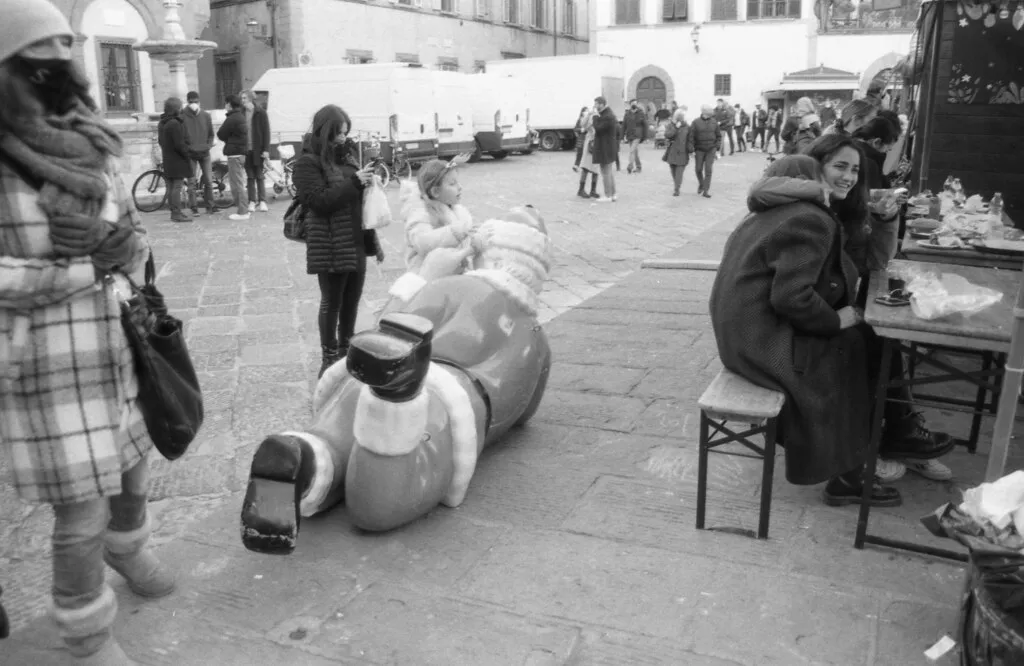
Arezzo is only an hour south of Florence by train and punches above its weight with a larger Tyrolean-style village in Piazza Grande, typically running from mid-November to early January. The market usually operates Thursday to Sunday, 10:00–21:00, with a massive wooden carousel and antique shops ringing the historic square. For a rural alternative, the Chianti hills host smaller village markets from December 8 onward, focused on olive oil, wine, and local crafts — towns like Greve in Chianti, Radda in Chianti, and Panzano all participate.
Most stalls in Tuscany accept credit cards, but having small euro coins speeds things up at food and drink counters. Always verify closing dates: some Tuscan markets finish on December 24, while others continue through Epiphany on January 6.
Traditional Italian Christmas Food at the Markets
Food is as much the point as the crafts. In the north, the menu is alpine: canederli (bread dumplings), speck, roasted chestnuts, and vin brulé or glühwein. South Tyrolean markets add kaiserschmarren and Lebkuchen gingerbread not commonly seen elsewhere in Italy. Trento's market skews toward local cheese (Puzzone di Moena) and Trentino beer served in commemorative steins.
Central Italy shifts toward panforte and ricciarelli in Tuscany, torrone (nougat) and hazelnut sweets in Piedmont, and porchetta (roasted pork) in Umbria. In Perugia, every shape of artisanal chocolate imaginable appears — the underground market inside the Rocca Paolina fortress is essentially a chocolate pilgrimage. Naples brings struffoli and rococò in the south, alongside the classic sfogliatella pastry available at any bar near the market.
Panettone and pandoro are the two iconic national sweets available at every market across Italy. Panettone (a light fruitcake from Milan) and pandoro (a star-shaped vanilla cake from Verona) are both sold fresh by artisan bakers at far better quality than the supermarket versions you'll find at home. Budget €10–€18 for a medium-sized loaf to carry back; they travel well in hand luggage.
Italian Christmas Traditions and What Visitors Often Miss
The Christmas season in Italy officially begins on December 8, the Feast of the Immaculate Conception — a national holiday. Most markets and municipal lights switch on that day or the week before. What very few visitors plan for is Epiphany on January 6. In Italian tradition, the Befana (a gift-giving witch figure) brings sweets or coal to children on the night of January 5, and Epiphany is actually the bigger family celebration than Christmas Day in many southern households. Some markets — including Rome's Piazza Navona and several in the north — stay open until January 6 specifically for this reason, with the final days often less crowded than peak December weeks. If your trip can stretch into early January, you'll find lower hotel prices and calmer market floors.
There's also a regional rhythm to how Christmas Day itself is celebrated. In southern Italy, Christmas Eve is the main family gathering, centered on a large seafood dinner (the traditional Feast of Seven Fishes). In the north, Christmas Day morning mass is followed by a long lunch with extended family. The saying "A Natale con i tuoi, a Pasqua con chi vuoi" — "At Christmas with your family, at Easter with whoever you like" — signals how seriously Italians treat the holiday as a family occasion. Expect restaurants and smaller shops to be fully closed on December 25 and 26; plan meals at your hotel or book in advance.
The presepe (nativity scene) is Italy's most universal Christmas tradition, found in homes, churches, and town squares from the Alps to Sicily. In Naples it's an art form; in Verona, the Arena hosts an international nativity exhibition with over 400 scenes from around the world. Even small hill towns in Umbria will have a hand-carved wooden presepe in the local church. Visiting at least one is the one Christmas experience that cuts across all the regional differences.
How to Plan a Christmas Market Trip to Italy
Accommodations in Bolzano and Merano fill up six months in advance for peak December weekends. If those two South Tyrolean towns are your primary goal, book hotels by June. A practical alternative is to stay in Bressanone or Trento and use regional trains to reach both markets as day trips — cheaper rooms, same access. Verona is also well-placed as a base, sitting roughly equidistant between the South Tyrolean markets and Florence.
The Italian railway (Trenitalia) connects all the major market cities efficiently. High-speed Frecciarossa trains link Rome, Florence, Bologna, and Milan in 1.5–3 hours; booking 3+ weeks out can cut ticket prices by 40–50%. Regional trains reach Bolzano from Verona in about 90 minutes and do not require reservations, though weekend holiday trains are crowded. Check the Bolzano Christmas market dates before booking train tickets to ensure the market is open during your visit.
Pack layers and a waterproof outer coat for the north. December in South Tyrol can drop well below freezing with damp air, and the cobbled piazzas stay slippery. Insulated walking boots matter more than style here. In southern Italy, December is mild — Naples rarely dips below 10°C — but rain is common, so a compact umbrella is useful. Most market stalls accept cards, but keep a small amount of cash (€20–€40) for food vendors and smaller artisan stalls that prefer it.
Frequently Asked Questions
What is the most Christmassy town in Italy?
Bolzano is widely considered the most Christmassy town due to its massive Piazza Walther market and Alpine scenery. The city blends Italian and Austrian traditions, offering a unique fairytale atmosphere with snowy peaks and wooden huts. It consistently ranks as the top holiday destination in the country.
Are Christmas markets in Italy worth it?
Yes, Italian Christmas markets are worth visiting for their regional diversity and high-quality artisanal crafts. Unlike generic markets, these events focus on local traditions, such as Neapolitan nativity scenes or Tyrolean wood carvings. They provide an authentic cultural experience alongside festive food and drink.
When do Christmas markets start in Italy?
Most major markets in Italy begin during the last week of November, typically around November 22nd to 25th. They usually run daily until December 24th or January 6th. We recommend checking specific city dates, as southern markets often have shorter durations than northern ones.
Related in Italy: Easter In Italy Traditions And Where To Go Travel Guide. Related: festivals and events in Turin · Turin's CioccolaTò chocolate festival. Also see Festivals and Events in Bologna.
Related in Italy: Sunflower Fields in Tuscany.
Italy offers a holiday experience that caters to both lovers of Alpine tradition and fans of Mediterranean craftsmanship. From the high-altitude charm of the merano christmas market to the bustling streets of Naples, there is a festive corner for every traveler. By planning ahead and focusing on regional specialties, you can avoid the crowds and find truly unique treasures.
We hope this guide helps you navigate the best christmas markets in italy for your 2026 winter adventure. Remember to embrace the slower pace of the season, enjoy a warm cup of vin brulé, and take in the historic beauty of Italy's winter piazzas. One practical note: if you can extend your trip to January 5 or 6, you'll catch the Befana celebrations with thinner crowds and lower prices — the markets' best-kept secret.
Explore More Festival Guides
Keep planning with our other in-depth festival guides across Europe.
Free guide: Europe's Festival Calendar
A month-by-month map of Europe's unmissable festivals — with the best dates to visit each and a local tip you won't find in the guidebooks.
You might also like


Continue reading
More guides you'll find useful