How To Get To Alba White Truffle Festival: Logistics & Guide
Plan your trip to the Alba White Truffle Festival with expert tips on transport, parking lots, ticket prices, and the best times to visit the World Truffle Market.
On this page
How To Get To Alba White Truffle Festival
Last updated June 2026. The rolling hills of the Langhe region transform into a gourmet paradise every autumn during this world-famous event. Learning how to get to Alba White Truffle Festival is the first step toward tasting the rarest culinary treasures.
Alba sits in the heart of Piedmont, surrounded by UNESCO-listed vineyards and historic villages. Navigating the narrow streets during peak harvest season requires careful planning and local knowledge. This guide covers every logistical detail to ensure your journey to the festival remains stress-free and delicious.
Quick Answer: The SFM4 regional train from Turin is the best choice at €6.40 and takes 70 minutes. Drivers from Milan should expect a 2-hour trip costing roughly €25 in fuel and tolls. Avoid the 5 PM traffic rush by staying for dinner or arriving early in the morning.
Free guide: Europe's Festival Calendar
A month-by-month map of Europe's unmissable festivals — with the best dates to visit each and a local tip you won't find in the guidebooks.
Getting to Alba: Transport and Logistics
Most international travelers begin their journey at Turin International Airport or Milan Malpensa. Choosing the right hub depends on your overall itinerary within the best food festivals in Europe. Direct shuttles connect these airports to the central train stations where regional services depart frequently.
The SFM4 train line provides a reliable hourly service from Torino Porta Nuova directly to Alba station. Tickets cost €6.40 and the journey takes approximately 1 hour 10 minutes. Always validate your paper ticket at the green machines before boarding to avoid heavy fines.
Driving from Turin takes around 1 hour via the A33 motorway, with tolls of roughly €5. Milan is a 2-hour drive, costing around €25 in fuel and tolls for a standard car. Weekend traffic near the Langhe hills can add 30 to 45 minutes on peak festival Saturdays.
Renting a car allows for exploration of nearby villages like Barolo and Barbaresco after the fair. The A33 connects the major northern cities to the Langhe with clear signage. Be aware that parking in central Alba is very limited, so planning ahead is essential before you arrive.
Parking in Alba: Best Lots and Peak Time Tips
Finding a parking spot in Alba during the festival requires patience and a solid strategy. Most central lots fill up by 10 AM, especially on sunny October Saturdays. The following breakdown ranks the main options by walking distance to the World Market and likelihood of filling up early.
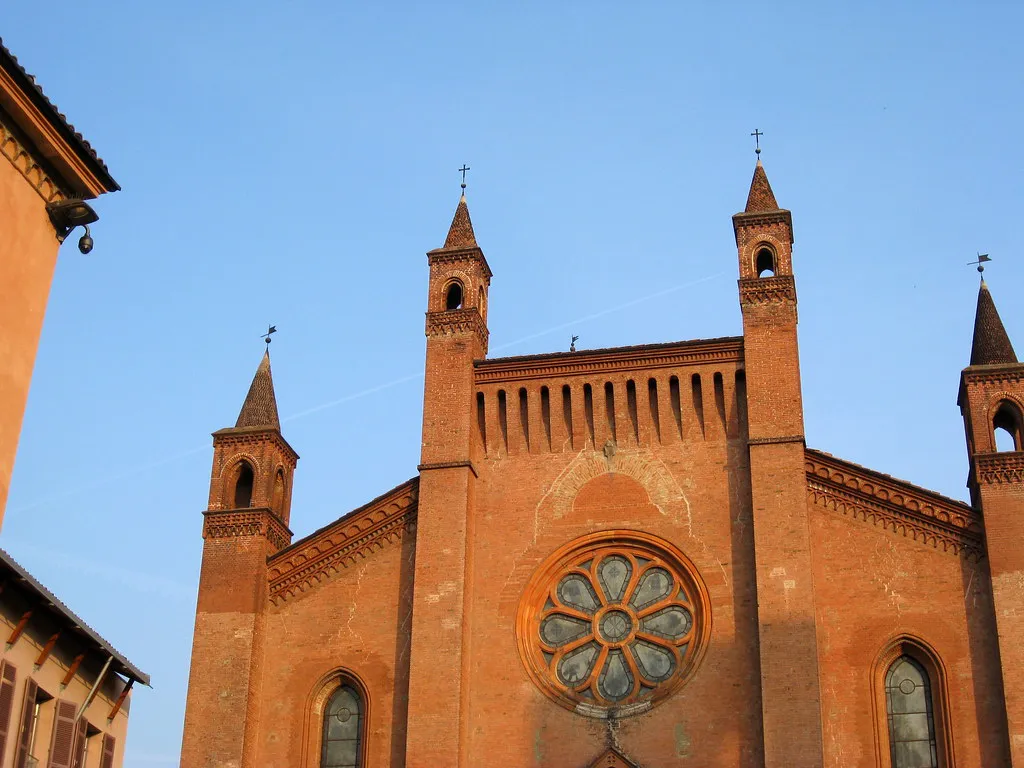
Lot 1 (Ferrero) is the largest free lot and sits 10 minutes from the center. It is ideal for drivers arriving from Turin or Milan via the northern approach. Lot 2 (Medford) is also large, partly free, and good for those coming from Turin or Asti — but it sits near the Tanaro Bridge, one of the most congested exit points during the evening rush.
Lot 3 (Zona H) is free and only 3 minutes from the center, making it the best balance of proximity and cost. It sits behind the train station near a park. Lot 4 (San Paolo) is an ample underground option 1 minute from the center — paid but ideal for those coming from Alta Langa or Barbaresco. Lot 5 (Train Station) is covered and paid; convenient if you arrive by train and want a quick drop-off but less ideal for avoiding exit traffic. Lot 6 (Nino Bixio) is a free option 3 minutes out, suitable for arrivals from Treiso or Neive, but it holds fewer than 100 vehicles. The Convitto lot is the most central of all, just 200m from Piazza Duomo, but expect significant queue time at exit during 17:00–20:00.
A major traffic bottleneck occurs daily around 17:00 as visitors attempt to leave the city. The worst choke points are "La Pontina" road leading to the Tanaro Bridge and All Saints Street toward the Asti-Cuneo highway. Plan to leave before 16:00 or stay for an evening aperitivo at a local enoteca until 20:00 when queues clear.
Must-See Attractions at the White Truffle Fair
The 2026 Alba White Truffle Festival runs every weekend from early October through early December. The fair is far more than a market — the city divides into nine Borghi (historic neighborhoods), each with its own colors and coat of arms. Volunteers of all ages run these Borghi, organizing the famous Donkey Palio, flag competitions, and festive banquets throughout the season.
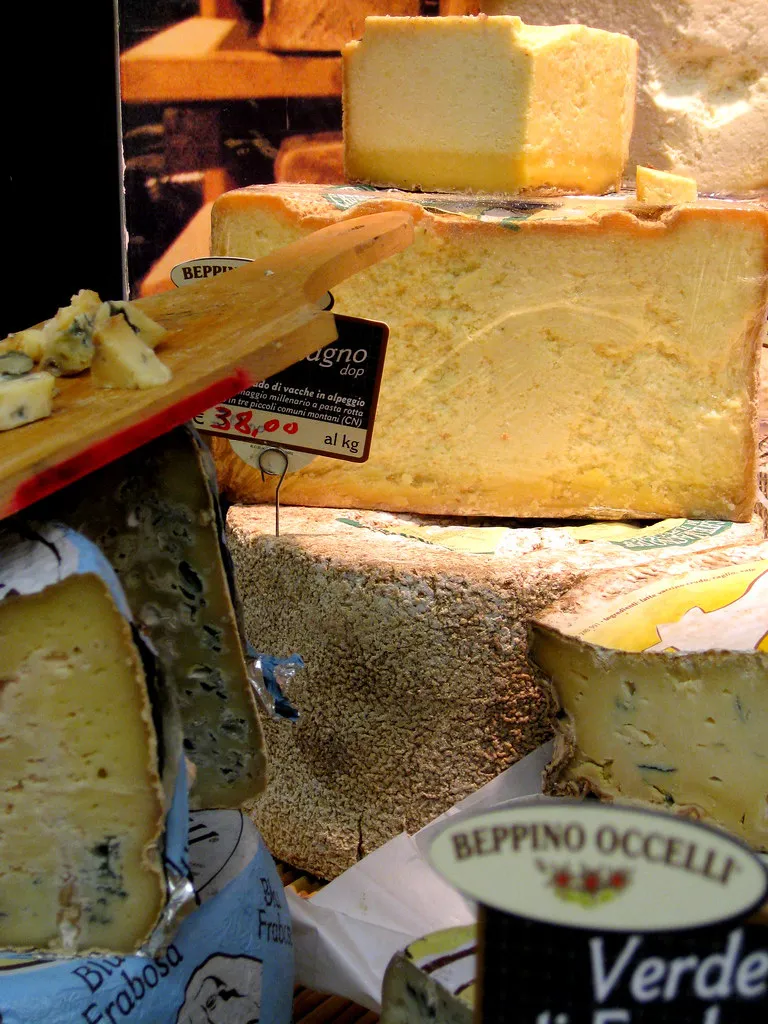
The Palio degli Asini is the theatrical highlight: a donkey race staged as a mock rivalry against the neighboring city of Asti. It draws enormous crowds and is entirely free to watch. Historical reenactments, parade processions, and art exhibitions fill the streets every weekend, giving the fair a cultural depth that goes well beyond buying truffles.
The Alba Truffle Show brings Michelin-starred chefs to a dedicated stage for live cooking demonstrations with white truffles. Masterclasses, sensory tastings, and wine pairings with top Piedmontese labels run alongside. These events require advance tickets and sell out quickly, so book early via the official festival site at fieradeltartufo.org.
The World Alba White Truffle Market: Buying Guide
The World Market is the beating heart of the festival and requires a separate admission ticket of €5.00 per person. Official Alba White Truffle Festival dates usually span from October to early December, with market hours from 09:30 to 19:30 every weekend. Inside the Cortile della Maddalena, you will find certified sellers offering the finest Tuber Magnatum Pico specimens, each verified by the Alba White Truffle Sensory Analysis judges.
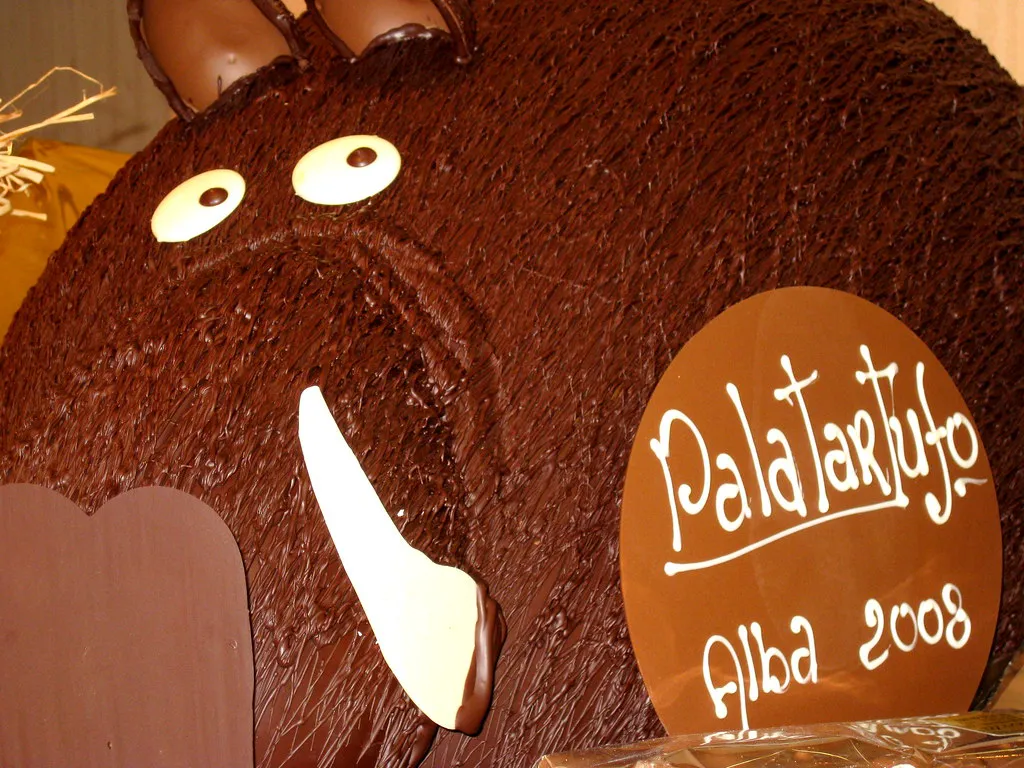
Every truffle sold in the market must pass a rigorous quality control check by experts trained at the National Truffle Study Center. Look for the official certification tag to ensure you are buying a genuine product. Prices are set daily based on the current harvest and global demand, typically ranging from €300 to €600 per 100 grams for top-tier white truffles.
Visit the stalls early in the morning to see the widest selection. Sellers allow you to smell the product before purchasing — a firm, smooth exterior and an intensely earthy, garlicky aroma signal freshness. Avoid truffles with soft spots or a muted scent, as these are past their peak.
Here is a practical buying tip that most visitors miss: October is actually a sub-optimal month for white truffle quality. Supply is low and demand is extremely high at the start of the season, which creates inflated prices and a higher risk of encountering truffles of dubious origin. If you can visit in November or December, you will find better specimens at fairer prices, with the full season harvest in full swing.
Live the Experience of Truffle Hunting
Witnessing a real truffle hunt is a highlight for many visitors to the Piedmont region. Local hunters, known as trifolau, lead their trained dogs through the secret Langhe woods. Booking Alba White Truffle Festival tickets and tours often includes these authentic excursions in the natural truffle grounds near Barolo, Neive, or Trezzo Tinella.
Real hunts take place in the early morning or late evening when scents are strongest. The trifolau guard their search locations jealously — these are secrets passed down through families and never revealed to outsiders. Be prepared for muddy trails and uneven terrain during your walk through the forest.
Simulated hunts are also offered for groups at accessible locations like Roddi (Ravinali hamlet), Canale, and La Morra. These sessions focus on the educational aspects of the craft, explaining how dogs are trained and how the hypogean mushroom grows. Always ask your tour operator explicitly whether the hunt is a real field search or a demonstration before booking, as pricing and experience differ significantly.
Alba Truffle Bimbi: Family-Friendly Activities
The Alba Truffle Bimbi area is a dedicated children's zone within the fair that runs on most festival weekends. It combines creative workshops, sensory games, and outdoor landscape activities designed entirely for younger visitors. The educational focus covers the truffle ecosystem, the role of the truffle dog, and the agriculture of the Langhe hills — all presented in a hands-on format that holds children's attention.
Activities include simulated mini-hunts with small truffle dogs, art workshops tied to local heritage, and guided tastings of non-truffle Piedmontese products suitable for children. The space is large enough to accommodate school groups and families. Entry is typically included with the fair's main program or available separately — check the official festival site for the 2026 schedule.
One practical note for families: strollers are difficult to maneuver through the densest crowds in the historic center, particularly on busy Saturday afternoons. Aim to visit the Bimbi area in the morning before the main square fills up. Consider a baby carrier or leaving the stroller at your accommodation for a more comfortable experience.
Gastronomy and Appetite Appeasement: Where to Eat
Be prepared not to find a free table in central Alba restaurants at lunchtime on festival weekends. The most popular trattorias fill up by 12:30 and often require reservations made at least a week in advance. If you have not booked, consider a short drive to a restaurant in the surrounding villages of Treiso, La Morra, or Diano d'Alba, where the same Langhe cuisine is served at lower prices.
Street food stalls and focaccerie around the historic center offer a practical alternative for a quick lunch between market visits. The Cortile della Maddalena itself has food vendors selling truffle-shaved dishes at accessible price points. This is a sensible middle ground between an expensive sit-down meal and a rushed snack.
A little-known local trick: you can buy fresh truffles at the market and bring them to a participating restaurant. The staff will provide the truffle cutter (called a mandolino), and you enjoy the exact quantity you want over any dish you choose — at a fraction of the price of a fully truffle-plated restaurant meal. Ask your accommodation or the market vendors which restaurants in town offer this arrangement.
Wineries Open Their Doors: Wine Tasting in the Langhe
No visit to Alba is complete without sampling the legendary red wines of the region. The Grand Wine Bar inside the festival offers hundreds of labels curated by AIS Piemonte. Tastings allow you to discover if the Alba White Truffle Festival is worth it for your palate alongside Barolo and Barbaresco, the traditional pairings for rich, truffle-infused pasta dishes.
Local cellars participate in "Wineries Open Their Doors," an official educational event that lets you meet the producers firsthand. Rather than buying bottles at the festival's main thoroughfares, heading directly to a winery gives you honest prices and the chance to taste before purchasing. Reservations are mandatory for most winery visits as they reach capacity weeks in advance — plan this before you arrive.
The aromatic profile of a white truffle requires a wine with significant structure and acidity. Nebbiolo grapes provide the perfect backbone for these complex and earthy flavors. Many wineries offer direct shipping so you can enjoy your favorites at home without worrying about luggage weight limits.
History of the Fair: From 1929 to Today
The truffle fair was officially established in 1929 as the "Sample Exhibition Fair," with prizes awarded for the finest Truffles of the Langhe. By 1932 it had been renamed the "Truffle Fair," and over subsequent decades it absorbed the many autumn festivals and grape harvest celebrations of the Alba area into a single, unified event.
The theatrical dimension of the fair — its donkey races, historical reenactments, and the nine competing Borghi — was the idea of Pinot Gallizio, a famous painter from Alba. His motivation was more goliardic than historical: he wanted to mock the long-standing rivalry with Asti. The tradition stuck, and the Joust of the Hundred Towers association has organized this aspect of the fair for over 40 years.
The fair survived World War II and the difficulties of the 1960s to grow into one of Italy's most internationally recognized food events. The 2025 edition marked the 95th year of the fair. The Langhe, Roero, and Monferrato hills where white truffles grow were designated a UNESCO World Heritage Site, adding a further layer of significance to the region that hosts it.
Practical Advice for a Smooth Festival Visit
Preparation is the key to enjoying the crowded streets and bustling market stalls. Weather in Piedmont during October can be unpredictable, ranging from sunny to foggy. Wear layers to stay comfortable as you move between outdoor squares and heated indoor venues.
Dogs are welcome in many areas of the fair but must be kept on a short leash. The intense smell of truffles in the market can be overwhelming for some pets. Consider leaving your four-legged friends at your accommodation during the busiest afternoon hours, when the historic center is at its most congested.
- Before you go: Essential festival checklist
- Book your hotel rooms several months in advance.
- Carry small Euro bills for market stall purchases.
- Wear comfortable shoes for walking on cobblestone streets.
- Download the local train schedule for late-night returns.
- Pack a reusable bag for carrying your gourmet finds.
- Check the weather forecast for potential autumn rain showers.
- Confirm all restaurant reservations at least one week prior.
- Troubleshooting: Common problems and quick fixes
- Parking lots fill up by 10 AM on busy festival weekends.
- Traffic jams often block the city exits after 17:00 — leave before 16:00 or after 20:00.
- Trains can become very crowded during the peak morning hours.
- Card readers sometimes fail in the older market stalls — carry cash.
- Truffle prices fluctuate daily based on the morning harvest.
- Official tickets may sell out for specific tasting events — book online in advance.
- Mobile signals can be weak inside the historic stone buildings.
Frequently Asked Questions
Where is the Alba truffle festival located?
The main events take place in the historic center of Alba, Italy. The World Truffle Market is located inside the Cortile della Maddalena. Most streets in the town center become pedestrian zones during the festival.
How much are tickets for the Alba White Truffle Fair?
Entry to the World Truffle Market costs €5.00 per person. Special events like cooking shows or wine tastings require additional tickets. These usually range from €20 to €50 depending on the experience.
What is the best way to get to Alba from Turin?
The SFM4 regional train is the most efficient and affordable option. It departs hourly from Torino Porta Nuova and costs €6.40. The journey takes about 70 minutes and ends near the town center.
Reaching the Alba White Truffle Festival is a rewarding journey through one of Italy's most beautiful regions. By choosing the train or arriving early by car, you can focus on the incredible flavors and culture. The combination of world-class wines and rare truffles makes this an essential stop for any food lover.
Remember to book your tickets and transport well in advance to secure the best prices. Alba welcomes every visitor with open arms and the intoxicating aroma of the forest floor. Enjoy your adventure into the heart of the Langhe this autumn.
Free guide: Europe's Festival Calendar
A month-by-month map of Europe's unmissable festivals — with the best dates to visit each and a local tip you won't find in the guidebooks.
You might also like


Continue reading
More guides you'll find useful


