
Is Alba White Truffle Festival Worth It? (Honest Review)
Is the Alba White Truffle Festival worth the hype? Discover the pros and cons, from World Market highlights to the reality of crowds and prices.
On this page
Is the Alba White Truffle Festival Worth It?
Yes, but only if you prioritize access to the world's finest truffles over peace and quiet. For those seeking a quieter experience, a private truffle hunt in Neive is a superior alternative. This guide breaks down the costs and crowds of the International Alba White Truffle Fair so you can decide before you book. Last updated April 2026.
The Official Alba White Truffle Festival Site confirms the event runs every weekend from October through early December. It is one of the best food festivals in europe for gourmet enthusiasts. However, the massive popularity of the Tuber magnatum pico brings significant logistical challenges to this small town. Most visitors find the 2 pm market crowd makes viewing truffles difficult.
We have evaluated the fair based on pricing, accessibility, and the overall atmosphere in Piedmont. This review helps you decide if the festival matches your personal travel style. Expect to find a mix of high-end luxury and dense tourist traffic. Planning ahead is essential for a successful visit to the Langhe region.
Free guide: Europe's Festival Calendar
A month-by-month map of Europe's unmissable festivals — with the best dates to visit each and a local tip you won't find in the guidebooks.
Is the Alba White Truffle Festival Worth It? (The Verdict)
The honest answer is: it depends on what kind of traveler you are. Two distinct profiles emerge when you look at who loves this event and who leaves disappointed. Gourmet Pilgrims who crave access to certified, top-grade truffles in a single location will find the fair difficult to beat. Authentic Travelers who dislike tourist density will find the narrow streets of Alba nearly impassable on peak weekend afternoons.
Gourmet Pilgrims benefit most from the World Market in Cortile della Maddalena, where every truffle over 10 grams is vetted by a commission before going on sale. This certification is the festival's biggest practical advantage. You are not gambling on quality the way you might in a local market. The sensory concentration of hundreds of specimens in one hall is genuinely rare.
Authentic Travelers who lean toward intimate experiences should skip the October peak entirely and instead book a dawn truffle hunt with a local Trifolao. The festival's infrastructure is built for volume, not nuance. If the idea of tour buses and fixed-price menus makes you wince, a quiet Tuesday in November when the market still runs but the crowds thin out is a better plan. A short week visit to villages like Neive or La Morra gives you truffle season without the festival circus.
The Downsides: Crowds, Costs, and Tourist Traps
The most significant drawback is the sheer volume of people descending on a medieval town built for a fraction of that traffic. Hotel prices in Alba often triple during festival weekends compared to the shoulder season. Many restaurants implement fixed-price truffle menus that can feel expensive for the portion sizes involved. Finding a parking spot within walking distance of the center is notoriously difficult from mid-morning onward.
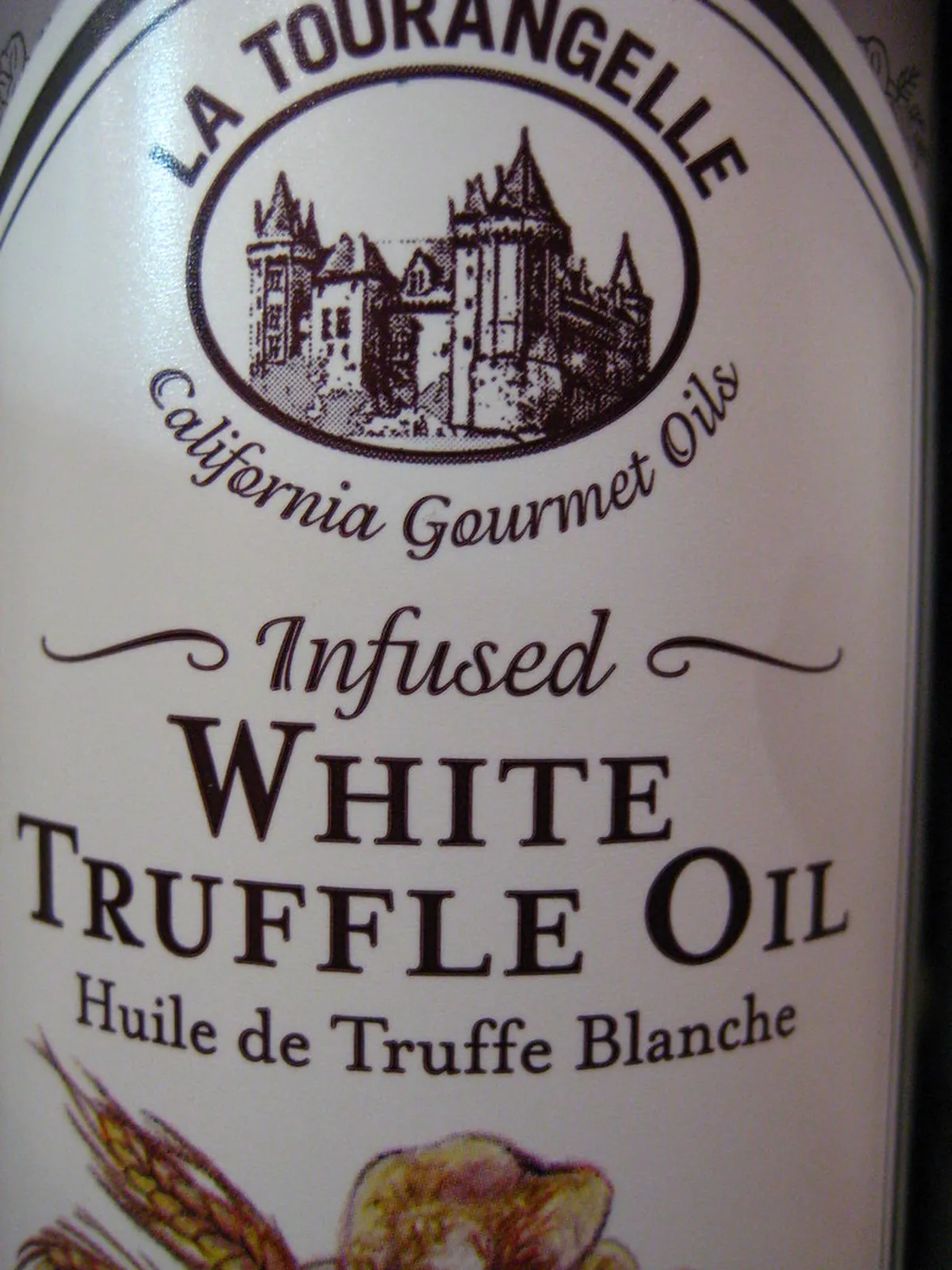
Some visitors feel the event has become too commercialized over the last decade. Street vendors on the main thoroughfares often sell truffle-flavored oils that contain synthetic aromas rather than real truffles. This is the classic tourist trap of the festival: the official market inside Cortile della Maddalena remains the gold standard, but everything outside it requires skepticism. Verify ingredients before you buy anything bottled or jarred.
Navigating the crowds requires a clear strategy. Most visitors find the window between 11:00 and 16:00 the most frustrating. Arriving when the market opens at 09:30 or visiting on a weekday rather than a Saturday eliminates the worst pressure. Always confirm the alba white truffle festival dates before booking travel, since the 2026 calendar will be announced by the official site in late summer.
- Extremely dense crowds on festival weekends, especially in October
- Accommodation costs can triple compared to pre-season rates
- Difficult restaurant reservation process with a real risk of losing your table
- Heavy traffic on the regional roads approaching Alba from the motorway
- Street-level vendors selling synthetic truffle oils alongside genuine products
The Highlights: What to See at the International Alba White Truffle Fair
The heart of the event is the Truffle World Market in the Cortile della Maddalena. Entry costs around €6 per adult for a standard ticket. Inside, you can browse dozens of stalls where hunters and merchants display their best specimens. The aroma inside the pavilion is intensely earthy and completely unlike anything in a supermarket.
Beyond the market, the festival offers cooking demonstrations by Michelin-starred chefs and sensory analysis workshops where a certified expert teaches you how to grade a truffle by its weight, firmness, and intensity. These sessions require separate tickets and sell out weeks in advance. The historical parade and Donkey Palio in early October add a layer of local medieval pageantry that has nothing to do with food and everything to do with civic pride.
A less-discussed feature is the Alba Truffle Kids pavilion in Piazza Risorgimento. This dedicated space runs workshops and interactive games aimed at children and families. No competitor guide mentions it, but it is a practical consideration if you are visiting with young children who will quickly tire of watching adults smell fungi. The Salon of Tastes and Flavors in the same piazza runs alongside the main market and includes regional cheeses, hazelnuts, chocolates, and Piedmontese wines. Check the alba white truffle festival tickets and tours page for combined experience packages that bundle market entry with a workshop.
When and Where: Planning Your 2026 Visit
The festival typically runs every weekend from the second week of October through early December. Market hours are generally 09:30 to 19:30 on Saturdays and Sundays. While October draws the biggest crowds because of the opening parade and milder weather, November offers better quality truffles. The colder ground temperatures in late autumn push the Tuber magnatum pico to develop its fullest aromatic complexity.
October is the most crowded month and best reserved for visitors who want the parades and the festive energy. Early November is the peak for serious buyers and trade visitors. Late November and early December tend to see fewer tourists but noticeably better truffle quality and more competitive market pricing. For pure value, the final two weekends of the festival are the strongest argument for attending.
Alba is easily reached by train from Turin in roughly an hour. The drive from Milan takes about 90 minutes without traffic. Consult the guide on how to get to alba white truffle festival for specific transit routes and parking strategy. Driving is convenient for exploring the wider Langhe hills, but parking in central Alba on a festival Saturday requires either a very early start or the use of park-and-ride shuttles from the edge of town.
Where to Eat and Stay: Navigating the Peak Season
Booking a hotel in Alba should be done at least six months before your intended weekend. If the town is fully booked, look for agriturismos and boutique hotels in Neive, Treiso, or La Morra. These villages sit within 20 minutes of Alba by car, offer a more authentic Piedmontese atmosphere, and cost significantly less. Full details on vetted options are in the guide on where to stay for alba white truffle festival.
Staying overnight rather than day-tripping is the single biggest quality-of-life improvement you can make. Day trippers miss the quiet mornings before 10:00 and the atmospheric evening dinners after the tour buses leave at 17:00. The town feels substantially more liveable once the afternoon peak subsides. Staying locally also allows you to drive through the Barolo and Barbaresco wine valleys the following morning without needing to rush back to a train.
The most important dining tip is the reconfirmation rule. During the festival, many restaurants in the area will give away your table if you do not telephone to confirm your reservation the day before. This is not a formality — it happens routinely at in-demand spots like Piazza Duomo and Osteria del Vicoletto. Call the restaurant by 12:00 the day before and confirm your name and time. If you cannot reach them by phone, show up in person earlier that day. Relying on a confirmation email alone is a common and expensive mistake.
How Much Do Truffles Actually Cost at the Festival?
The price gap between buying a whole truffle at the World Market and ordering a truffle dish at a local restaurant is substantial, and understanding it before you arrive helps you spend more wisely. At the World Market inside Cortile della Maddalena, whole white truffles typically sell for between €3,000 and €6,000 per kilogram during the peak weeks of November. A small specimen of around 20 grams — enough to shave generously over a plate of tajarin pasta for two people — costs roughly €60 to €120 depending on quality and the year's harvest conditions.
In a restaurant, the same quantity of truffle shaved tableside over a simple pasta or fried eggs typically adds €30 to €80 to the price of the dish. At a Michelin-starred restaurant in Alba during festival weekends, a full truffle tasting menu can reach €250 to €400 per person before wine. In the surrounding villages of Neive, Barolo, or La Morra, comparable quality truffle dishes run €80 to €150 per person including wine, which is a meaningful saving for the same ingredient.
If you want to take truffle home, small preserved truffle products — pastes, oils, and jarred shavings — start at around €15 to €40 at the market. Be aware that preserved truffle loses most of the volatile aroma that makes the fresh ingredient worth the price. Buying a small whole truffle and using it within five days is far better value than buying a premium-priced jar. Wrap it in a dry paper towel, store it in a sealed glass jar in the refrigerator, and change the paper daily.
Why is white truffle so special?
The white truffle, or Tuber magnatum pico, is one of the world's most expensive food ingredients. Unlike black truffles, which can be cultivated using inoculated saplings, white truffles grow only wild. They form in specific soil conditions near the roots of oak, poplar, hazel, and willow trees in the forests of Piedmont and Istria. This absolute dependence on wild ecology means that no farm has ever successfully produced them at commercial scale, and drought years can destroy much of a season's supply.
The flavor profile of white truffle is delicate and highly volatile, which is why it cannot be cooked. It is almost always shaved raw over hot, simple dishes — tajarin pasta with butter, fried eggs, or risotto — where the warmth releases its complex, garlicky, and faintly musky aroma without destroying it. This fragility also explains the urgency of the festival: a truffle picked on Friday is at its aromatic peak on Saturday and noticeably weaker by the following Wednesday.
The International Alba White Truffle Fair uses a vetted certification process, as noted by the Italian Luxury Consulting festival guide. Every truffle over 10 grams is checked by a commission of expert graders before it goes on sale. This protection prevents buyers from purchasing damaged, hollow, or artificially weighted specimens — a real risk in informal markets. The certification is the primary reason serious buyers still make the trip to Alba rather than buying through private brokers.
Authentic Alternatives: Truffle Hunting and the Trifolao Culture
If the main fair feels too crowded or too commercial, a private truffle hunting session with a local Trifolao is the most direct alternative. The Trifolao is a truffle hunter whose knowledge of the land is typically inherited over generations. They work before dawn with a trained Lagotto Romagnolo or mixed-breed hunting dog, reading the terrain and the trees in a way that no app or tour guide can replicate. Booking a session means heading into the Langhe or Monferrato forests at first light, watching the dog work, and carrying whatever the earth gives up that morning.
The Trifolao culture is shaped by strict confidentiality. Most hunters will not reveal their search locations even to close family members. They register annually with the Regione Piemonte as licensed collectors, and they set their own prices based on direct relationships with restaurateurs and private buyers. The fair is actually a secondary market for many of them — the best specimens are often sold privately before they ever reach the Cortile della Maddalena. Connecting with a Trifolao directly, through your hotel or an agriturisimo, gives you access to that primary market rather than the commercial layer above it.
Smaller towns in the Langhe also run their own autumn markets with a more local feel. Villages like Canale and Moncalvo host truffle-themed weekends where prices on truffle dishes run roughly 15 to 20 percent lower than in central Alba. The Taste Edit's guide on skipping the festival rightly points to these quieter alternatives as a better option for travelers who want Piedmont's flavor without the infrastructure that surrounds the main fair. Spending an afternoon in the enotecas of Barolo or Barbaresco — enjoying the same world-class Nebbiolo wines without festival crowds — is one of the more underrated decisions you can make in this region.
Frequently Asked Questions
How much does it cost to enter the Alba White Truffle Fair?
Standard entry to the World Market costs approximately €6 per adult. Workshops and sensory analysis sessions require separate tickets, often ranging from €5 to €30. It is best to book these online in advance.
What is the best month to visit for truffles?
November is the best month for visiting Alba. The truffles reach their peak aromatic quality as the ground cools. You will also find slightly fewer tourists compared to the October parade weekends.
Is Alba worth a day trip from Turin?
Yes, Alba is an easy day trip from Turin via train. However, staying overnight is recommended to avoid the heaviest midday crowds. You will have a much better experience dining in the evening.
The International Alba White Truffle Fair is a bucket-list event for any serious food lover, but it rewards visitors who plan around its weaknesses rather than hoping the crowds will be manageable. Arriving early, staying in a nearby village, visiting in late November, and telephoning to reconfirm every restaurant booking are the four decisions that separate a frustrating trip from a genuinely memorable one.
Whether you choose the structured intensity of the certified World Market or the pre-dawn quiet of a Trifolao hunt in the Langhe forest, Piedmont in autumn is one of Italy's most rewarding destinations. The white truffle season lasts only a matter of weeks each year. Alba remains its undisputed capital, and the fair is still the best single place on earth to understand why.
Free guide: Europe's Festival Calendar
A month-by-month map of Europe's unmissable festivals — with the best dates to visit each and a local tip you won't find in the guidebooks.
You might also like
Continue reading
More guides you'll find useful


