Festivals and Events in Bologna 2026: The Complete Calendar
Bologna's 2026 festival calendar: Il Cinema Ritrovato free screenings on Piazza Maggiore, Arte Fiera art fair, Bologna Estate and the Gender Bender Festival.
On this page
Festivals and Events in Bologna 2026: The Complete Calendar
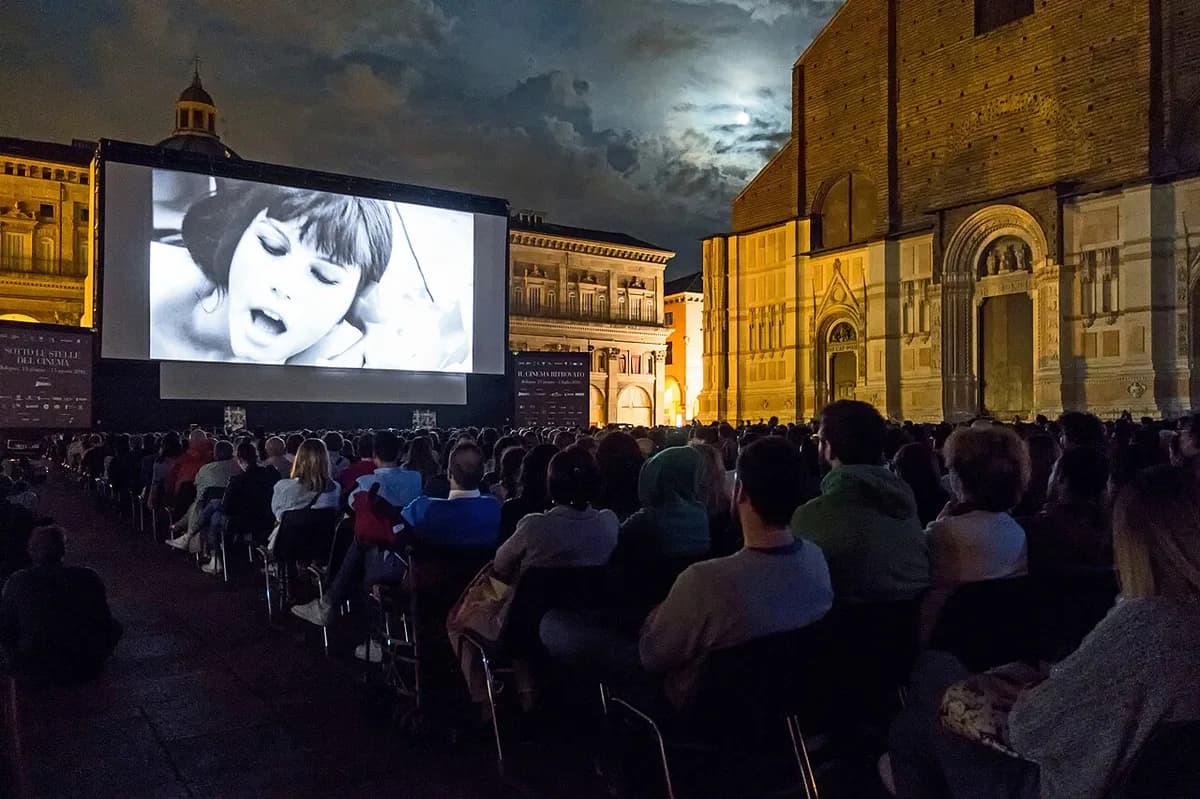
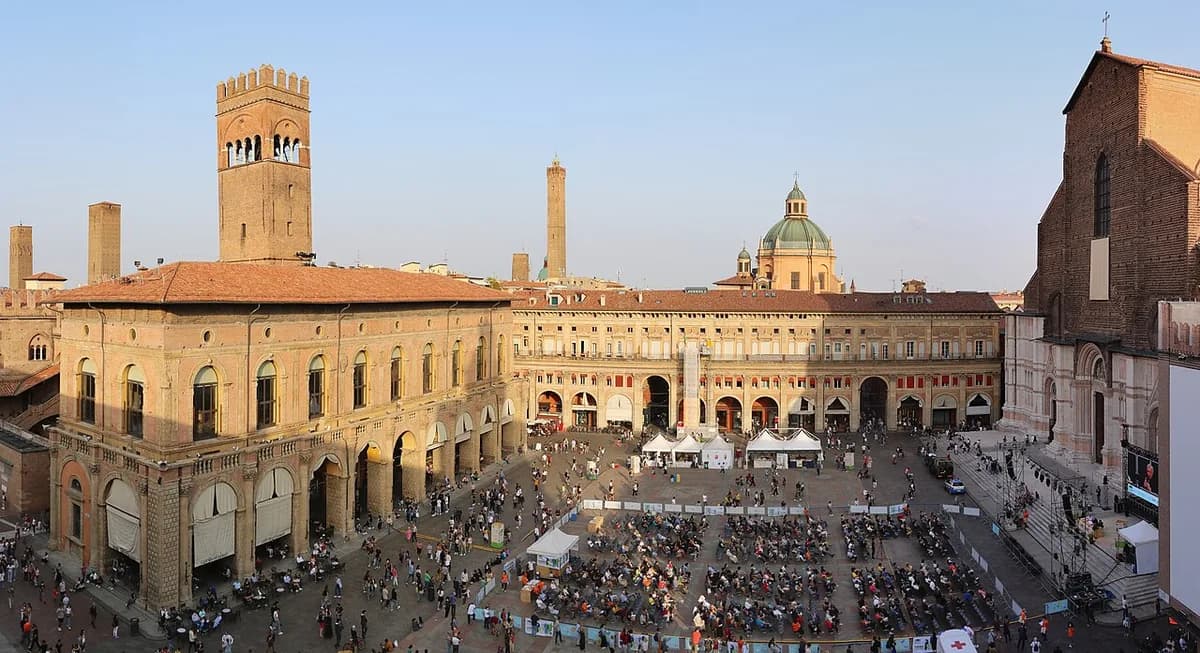
The moment I understood Bologna's relationship with culture was a warm June evening on Piazza Maggiore, seated on the steps of the Palazzo d'Accursio with several hundred strangers watching a lovingly restored silent film on a screen so large it seemed to fill the entire square. This was Il Cinema Ritrovato, the Cineteca di Bologna's annual celebration of classic and rediscovered cinema — and those free open-air screenings on the piazza are Bologna's most generous cultural gift to anyone who happens to be in the city in late June or early July. The dedicated guide covers every practical detail, but the festival is only the beginning of what Bologna does across the calendar year.
Bologna holds three nicknames that tell you most of what you need to know. La Dotta — the learned — for the Università di Bologna, founded in 1088 and generally recognised as the oldest university in the Western world. La Rossa — the red — for the terracotta rooftops, the nearly 40 kilometres of porticoes that now hold UNESCO World Heritage status, and the city's long left-wing political tradition. And La Grassa — the fat — for the food: tagliatelle al ragù, tortellini in brodo, and mortadella are all Bolognese inventions, and no city in Italy takes its markets and restaurants more seriously. All of this feeds a year-round cultural calendar that extends well beyond what most visitors expect, and sits within the broader picture of festivals and events in Europe by city.
This guide maps Bologna's 2026 festival year from the winter art fair season through the summer film and open-air programme, into the autumn identity and comics festivals. Whether you are designing a weekend around a single event or weaving Bologna into a longer Emilia-Romagna itinerary, the sections below will help you decide when to come and what to look for when you arrive.
Free guide: Europe's Festival Calendar
A month-by-month map of Europe's unmissable festivals — with the best dates to visit each and a local tip you won't find in the guidebooks.
Bologna Festival Calendar 2026 at a Glance
I find it helps to see the whole year mapped out in one place before diving into the detail of each event.
| Festival | When (2026) | Where | Good to know |
|---|---|---|---|
| Arte Fiera / ART CITY Bologna | Late January–early February | BolognaFiere + citywide museums, galleries, and porticoed streets | Arte Fiera has been running since 1974 and is Italy's longest-running modern and contemporary art fair; the ART CITY companion programme is free, with a printed map distributed at the fair entrance and the tourist office on Piazza Maggiore |
| Bologna Festival | March–November | Auditorium Manzoni | Prestigious classical-music season; the "Grandi Interpreti" strand features leading international orchestras, conductors, and soloists |
| Il Cinema Ritrovato | Late June–early July | Piazza Maggiore (free outdoor screenings) and Cinema Lumière (indoor) | Free evening screenings on Piazza Maggiore require no ticket; arrive 30–40 minutes early for the best positions; indoor screenings at the Cinema Lumière require a day pass or accreditation |
| Bologna Estate | June–September | Courtyards, piazzas, parks, and neighbourhood spaces across the historic centre | Umbrella summer programme of open-air cinema, concerts, theatre, and literary evenings; much of it free or very low cost |
| Gender Bender Festival | October–November | Cassero LGBTI+ Center, Porta Saragozza | Five to seven days of cinema, performance art, and visual arts focused on gender and identity; one of the most established events of its kind in Europe |
| BilBOlbul | Autumn | Bookshops, libraries, and cultural spaces throughout the city | International comics festival with exhibitions, workshops, book launches, and conversations with artists |
| Robot Festival | Autumn | Club venues and alternative spaces in the centre and on the university campus | Electronic music and digital arts programme |
Why Bologna for Festivals?
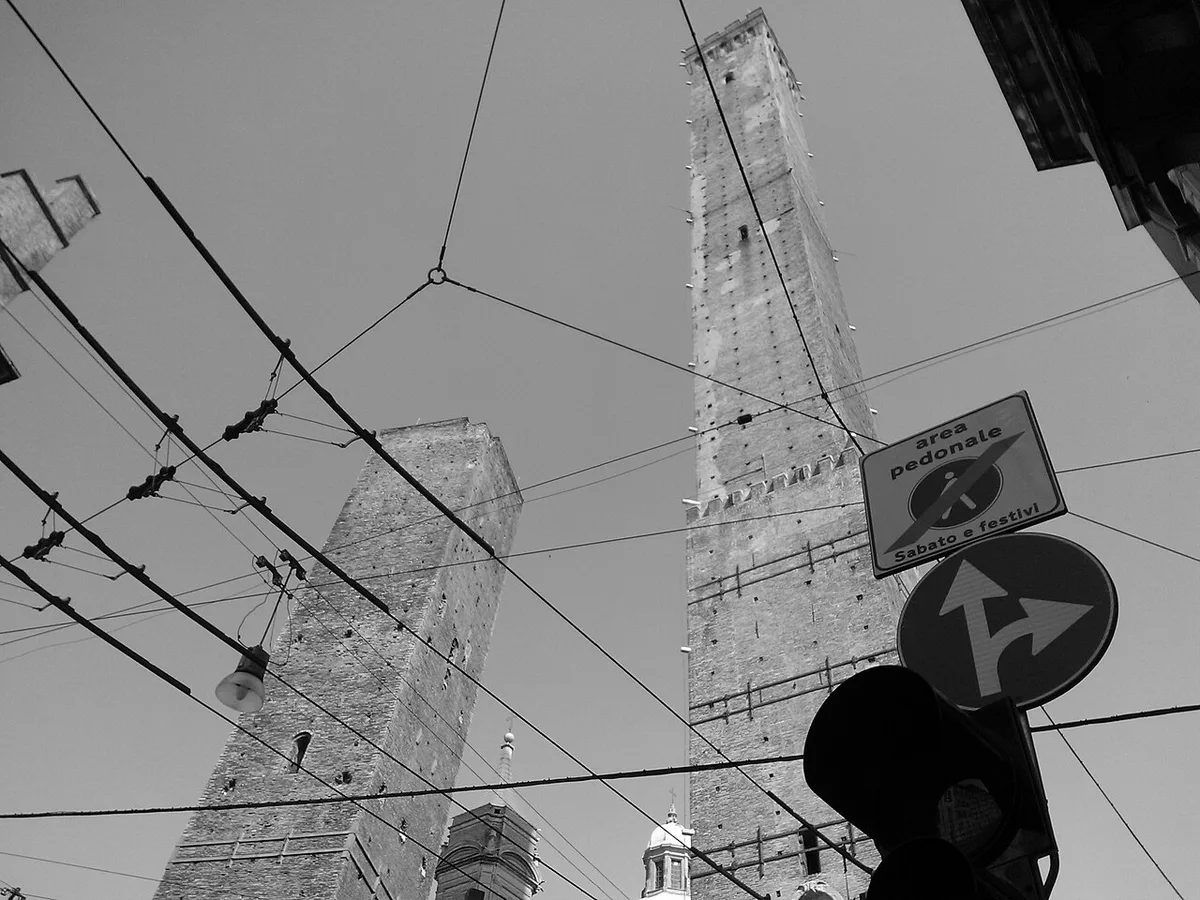
Bologna is one of those Italian cities that rewards visitors who do a little research before they arrive. Unlike Florence or Rome, it does not advertise itself aggressively, and its cultural life is aimed largely at Italians — students, academics, and the city's own residents — rather than the tourist economy. This produces a particular atmosphere at festivals: events feel embedded in the city rather than staged for outsiders, and the crowds tend to be knowledgeable and enthusiastic rather than passively curious. The two medieval towers at the city's heart — the climbable Torre degli Asinelli at 97 metres, and the leaning Torre della Garisenda — serve as orientation landmarks amid a centre that is genuinely walkable, intimate, and consistently surprising.
Practically, Bologna is one of the easiest Italian cities to navigate. The historic centre is compact enough to cover on foot, and the 38 kilometres of arcaded porticoes mean that almost any journey between central festival venues is sheltered from rain or summer sun. The Aeroporto Guglielmo Marconi sits eight kilometres from the centre, with a direct bus to the main rail hub at Bologna Centrale; from there, most festival venues are within 20 minutes' walk. Trains to Florence take as little as 35 minutes and to Venice around 75 minutes, which makes Bologna a natural base for exploring the wider region alongside a festival visit.
Il Cinema Ritrovato: Bologna's Flagship Film Festival
Il Cinema Ritrovato is organised by the Cineteca di Bologna and takes place in late June and early July each year. Its focus is unique among the world's film festivals: rather than premiering new releases, it screens restored prints of classic and silent films, with a particular emphasis on works that have been recovered, preserved, or returned to their original form after years of neglect. The scholarly rigour behind the selection does not make the event feel academic — screenings attract packed houses, and the atmosphere at the outdoor programme on Piazza Maggiore is one of the most genuinely communal cultural experiences I have encountered anywhere in Europe.
The headline events are the free evening screenings on Piazza Maggiore. A large temporary screen is erected in the square, and the programme — typically including major silent films accompanied by live orchestral scores, and landmark restorations — is open to anyone who arrives early enough to find a seat on the steps or chairs set up across the piazza. No ticket is required. Capacity is generous but not unlimited, and the most celebrated events draw significant crowds; arriving 30 to 40 minutes early is advisable for the best positions. Indoor screenings at the Cinema Lumière and partner venues require accreditation or day passes available from the Cineteca.
For the full programme breakdown, venue details, accreditation options, and a practical guide to the Piazza Maggiore evenings, see the dedicated Il Cinema Ritrovato Bologna guide.
Bologna Estate: Summer Culture from June to September
Bologna Estate is the city's umbrella summer programme, running from June through September across the historic centre and surrounding neighbourhood spaces. Where Il Cinema Ritrovato is a focused, internationally acclaimed festival with a specific identity, Bologna Estate is a more sprawling initiative that gathers dozens of smaller events — open-air cinema cycles, jazz and classical concerts, theatre performances, literary evenings, and pop-up exhibitions — under a single banner. Many events take place in the courtyards of historic palazzi, the gardens of the university faculties, and the shaded parks and piazzas that come alive in the long Italian summer evenings.
A significant portion of the Bologna Estate programme is either free or very low cost. The initiative is partly funded by the municipality, which means it is designed for residents as much as visitors — an important distinction, because the atmosphere at these events tends to be relaxed and neighbourhood-rooted rather than festival-packaged. For visitors staying several days in summer, checking the Bologna Estate schedule each morning is a reliable way to find something worth attending that evening within easy walking distance of wherever you are staying in the centre.
Running on a longer arc is Bologna Festival, the city's prestigious classical-music season, which programmes concerts by leading international orchestras, conductors, and soloists across the spring and into the autumn — typically March through November — in venues such as the Auditorium Manzoni. It is a separate institution from the summer film and street-culture events, aimed at a classical audience, and its "Grandi Interpreti" strand in particular draws names that would headline any major European concert hall. If your trip leans toward orchestral music rather than open-air cinema, check the Bologna Festival calendar alongside the Teatro Comunale opera season when planning your dates.
Arte Fiera and ART CITY Bologna: The Art Fair Season
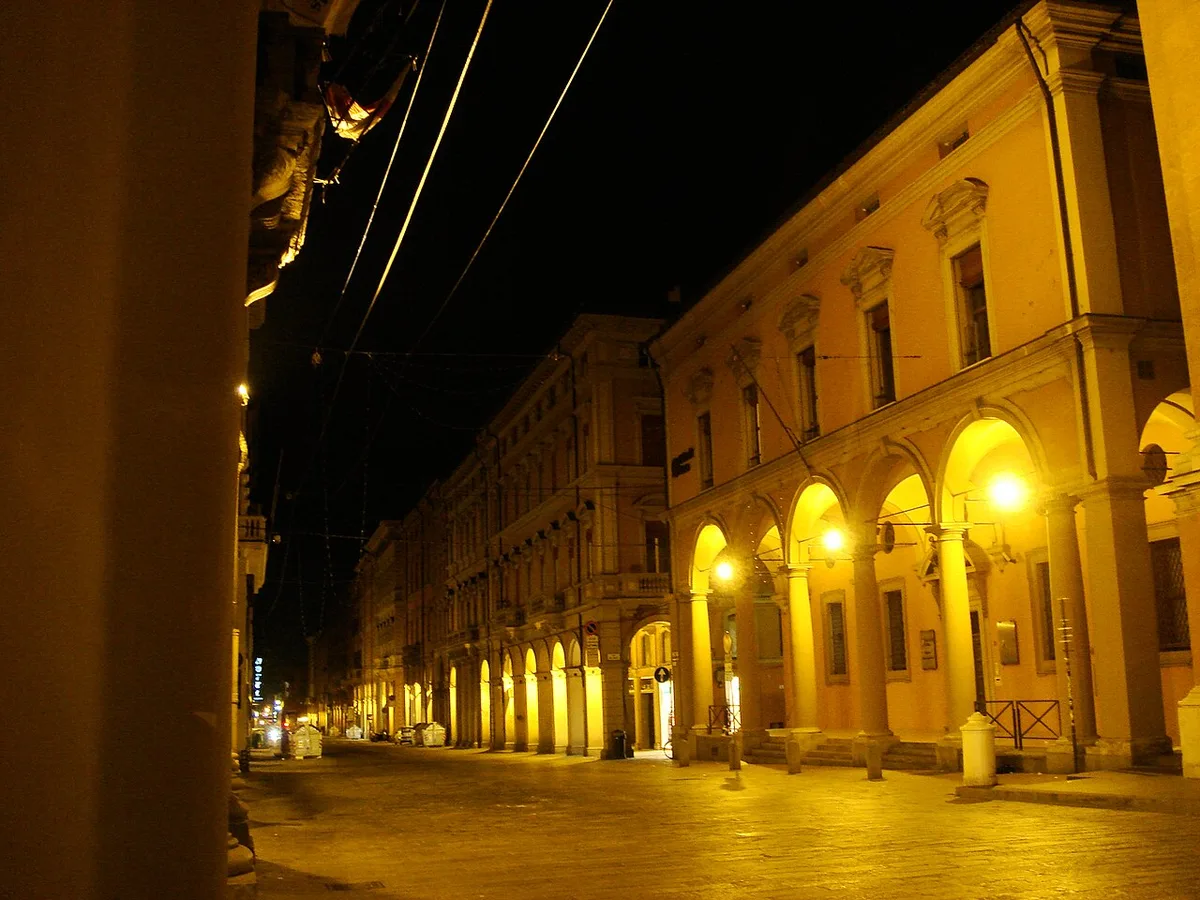
Arte Fiera is Italy's leading modern and contemporary art fair and takes place in Bologna in late January or early February at BolognaFiere, the main exhibition complex to the north of the city centre. The fair has been running since 1974, making it one of Europe's longest-established art market events, and its focus on Italian and international modern and contemporary art — rather than the ultra-contemporary bias of some newer fairs — gives it a distinctive, historically grounded character. Gallery stands range from established Italian and European commercial galleries to specialist dealers in prints, photography, and sculpture.
Running in parallel with Arte Fiera is ART CITY Bologna, a citywide cultural programme that transforms museum lobbies, university spaces, private galleries, and some of the porticoed streets themselves into temporary exhibition venues for the duration of the fair. Much of the ART CITY programme is free, making the fair weekend a worthwhile time to visit Bologna even for those without a ticket to BolognaFiere. The Museo d'Arte Moderna di Bologna (MAMbo) and the Pinacoteca Nazionale typically stage major concurrent exhibitions, and the energy across the centre during fair weekend is noticeably more cosmopolitan than the city's usual tempo.
Autumn: Gender Bender, BilBOlbul and Robot Festival
Bologna's autumn calendar is where the city's identity as a progressive university town comes through most clearly. Gender Bender Festival, held in October and November, brings together cinema, performance art, and visual arts with a focus on gender, identity, and sexuality. Based primarily at the Cassero LGBTI+ Center on Porta Saragozza — itself a historic venue set into the medieval city walls — the festival draws practitioners and audiences from across Europe and is one of the most established events of its kind on the continent. Screenings, installations, and live performances run across a concentrated programme of five to seven days, with full details published by the organisers each autumn.
BilBOlbul is Bologna's international comics festival and occupies a complementary corner of the autumn calendar. Italy has a strong tradition of comic art, and BilBOlbul reflects that heritage while engaging with contemporary graphic storytelling from Europe and beyond. Exhibitions, workshops, book launches, and conversations with artists take place across bookshops, libraries, and cultural spaces throughout the city. The Robot Festival brings electronic music and digital arts into the programme, typically staging events across club venues and alternative spaces in the centre and on the university campus. Together, the three events make autumn in Bologna a genuinely rich cultural period, before December closes the year with festive markets on Piazza Maggiore — covered in the best Christmas markets in Italy guide.
Getting Around Bologna and Day Trips
Bologna's historic centre is walkable from end to end in under 30 minutes, and the porticoes make any journey between venues genuinely pleasant regardless of the weather. Most festival venues cluster within 10 to 15 minutes' walk of Piazza Maggiore — the Cinema Lumière, the Cassero, and the university spaces are all reachable on foot from the centre. BolognaFiere, the site of Arte Fiera, is the main exception: it lies north of the centre but is served by the Tram T line from Stazione Centrale, with a journey time of approximately 15 minutes. Bologna also makes a strong base for an Easter in Italy trip — the city's Settimana Santa traditions are understated but authentic, and the Emilia-Romagna countryside is at its most appealing in April.
The regional connections from Bologna Centrale are excellent. Florence is 35 minutes by high-speed train — fast enough to make a same-day comparison realistic if you are considering both cities for a festival itinerary; the festivals and events in Florence guide covers what's on there throughout the year. Venice is around 75 minutes by high-speed service, bringing the city well within range for a day trip or a natural extension to a week in Emilia-Romagna; the festivals and events in Venice guide covers the full Venetian calendar including the Biennale and the Film Festival.
- Piazza Maggiore — Il Cinema Ritrovato's free outdoor screenings; 10 minutes' walk from Bologna Centrale
- Cinema Lumière — Cineteca di Bologna's main indoor venue for Il Cinema Ritrovato screenings
- Cassero LGBTI+ Center — primary Gender Bender venue, set into the Porta Saragozza city walls
- BolognaFiere — Arte Fiera site; Tram T from Stazione Centrale, approximately 15 minutes
- Torre degli Asinelli — 498 steps to the best view in the city; book in advance during summer
- Bologna Centrale — high-speed connections to Florence (35 min), Venice (75 min), and Rome (2h 20m)
Frequently Asked Questions
When is the best time to visit Bologna for festivals?
Late June and early July are the peak festival period, when Il Cinema Ritrovato fills Piazza Maggiore with free outdoor film screenings. January and early February bring Arte Fiera and the free ART CITY Bologna citywide programme. Summer more broadly (June–September) is covered by Bologna Estate's open-air concerts, cinema, and theatre, while autumn brings Gender Bender, BilBOlbul, and Robot Festival in October and November.
Is Il Cinema Ritrovato free?
The evening outdoor screenings on Piazza Maggiore are completely free — no ticket or accreditation is needed. These are the festival's most celebrated events, typically including major silent films with live orchestral accompaniment. Indoor screenings at the Cinema Lumière and other venues require a festival day pass or accreditation. The Cineteca di Bologna publishes the full programme each spring, including which Piazza Maggiore events are ticketless, ahead of the late June–early July festival dates.
What is Bologna Estate?
Bologna Estate is the city municipality's umbrella summer cultural programme, running from June to September. It gathers open-air cinema, concerts, theatre performances, and literary evenings across courtyards, parks, piazzas, and neighbourhood spaces throughout the city. Much of the programme is free or low-cost and is aimed at residents as much as visitors. The full programme is published each June on the municipality's culture website and updated throughout the summer.
What is Arte Fiera Bologna?
Arte Fiera is Italy's longest-running modern and contemporary art fair, held at BolognaFiere in late January or early February each year. It focuses on Italian and international modern and contemporary art, with gallery stands ranging from established commercial galleries to specialist dealers in photography, prints, and sculpture. Running alongside it is ART CITY Bologna, a free citywide cultural programme that stages exhibitions and events in museums, galleries, and public spaces during fair weekend.
What day trips can I do from Bologna?
Florence is 35 minutes by high-speed train from Bologna Centrale, making it one of the most practical day trips from any Italian city. Venice is approximately 75 minutes by high-speed service. Within Emilia-Romagna, Modena is 20 minutes away by regional train, Ferrara — a UNESCO-listed Renaissance city — is around 30 minutes, and Parma, known for its food heritage and Farnese art collections, is 55 minutes. All are reachable without a car and on a single-day return ticket.
Related: Il Cinema Ritrovato Bologna — Full Guide.
Bologna's festival calendar is unusually coherent for a mid-sized city. Il Cinema Ritrovato is a world-class event that happens to be mostly free. Arte Fiera has the credentials of a serious international art fair without the crowds and prices of Milan or London. Bologna Estate gives the city life through the whole summer in a way that feels spontaneous rather than programmed. And the autumn cluster of Gender Bender, BilBOlbul, and Robot Festival reflects a city that has taken its university identity seriously for the better part of a thousand years. None of this happens accidentally — it is what a city built around learning, eating, and arguing about politics looks like in practice.
I would point visitors without a fixed itinerary towards late June, when the combination of Il Cinema Ritrovato's Piazza Maggiore evenings, the long summer light, and the first weeks of Bologna Estate is the best possible introduction to the city's character. But the honest answer is that Bologna rewards a visit at almost any point in the year, and the internal logic of its festival calendar means that whatever draws you there first, you will find something else worth returning for.
Free guide: Europe's Festival Calendar
A month-by-month map of Europe's unmissable festivals — with the best dates to visit each and a local tip you won't find in the guidebooks.
You might also like
Continue reading
More guides you'll find useful