Festivals and Events in Bilbao 2026: The Complete Calendar
Bilbao's 2026 festival calendar: Aste Nagusia in late August, BBK Live in July, the Mendi Film Festival in December, and the Santo Tomás fair.
On this page
Festivals and Events in Bilbao 2026: The Complete Calendar
The first time I arrived in Bilbao during Aste Nagusia, the city felt as though it had been remade overnight. Flags in red and green hung from every balcony in the Casco Viejo, the sound of txalaparta drums and brass bands drifted up from the Arenal, and the foam figure of Marijaia — Bilbao's wild-haired festival mascot — presided over a square packed with txosna booths and dancing families. That August week confirmed what I had suspected from a distance: Bilbao's festival life is among the most distinctive in Spain, rooted in Basque identity and stubbornly local even as events like BBK Live draw crowds from across Europe. The full European picture is in the festivals and events in Europe by city master guide, but Bilbao deserves a calendar of its own.
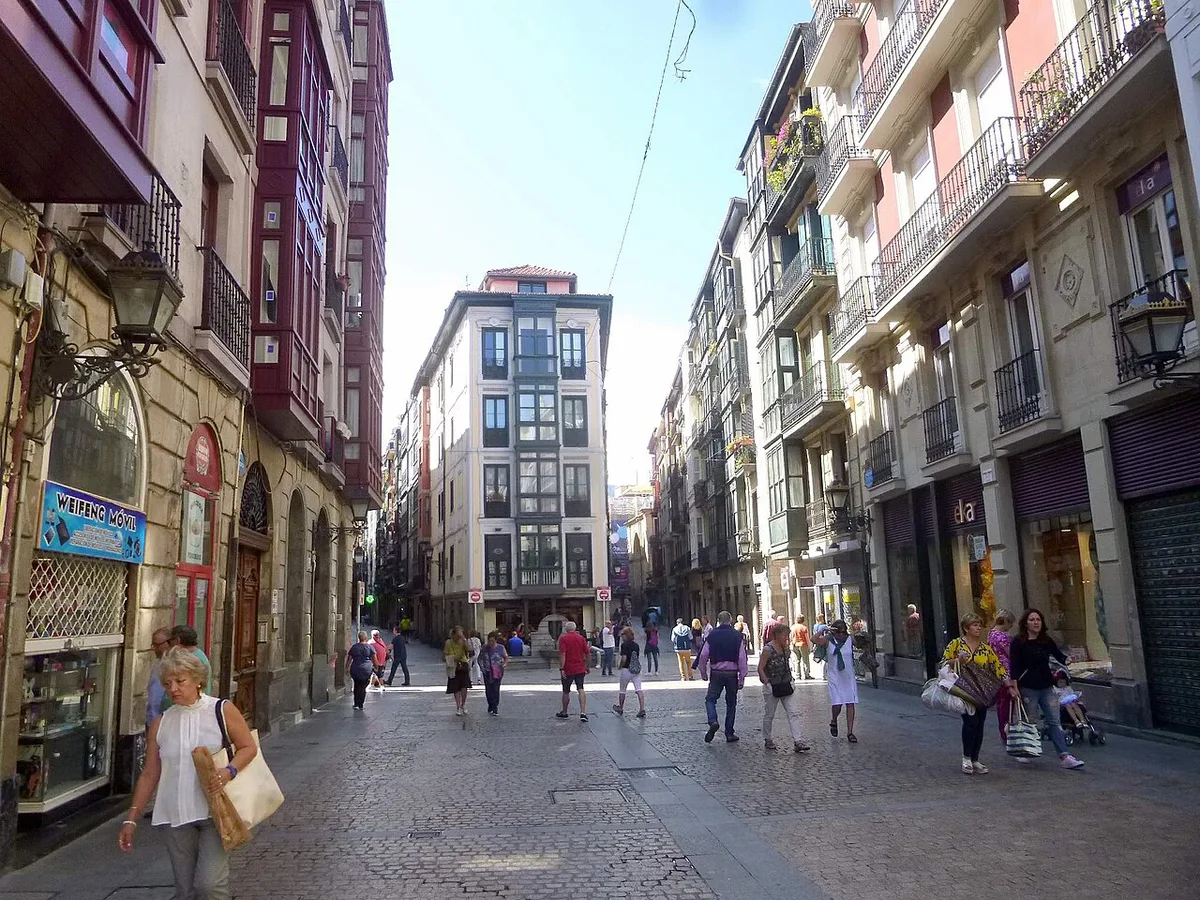
The city's transformation since the 1990s is well documented — the Guggenheim Museum Bilbao, Frank Gehry's titanium landmark on the Ría del Nervión, announced the arrival of a post-industrial city that knew how to reinvent itself on its own terms. But Bilbao's identity runs deeper than architectural tourism. Athletic Club's red and white stripes fill the bars on match days, pintxos culture in the Casco Viejo's Siete Calles draws the same civic pride as the Michelin-starred restaurants along the waterfront, and the Basque language — Euskara — appears alongside Spanish on every sign and street name. The festivals here feel like a natural extension of that seriousness: they are not designed for visitors first, even when visitors are very welcome.
This guide maps Bilbao's 2026 festival calendar across the year — from the Kobetamendi hillside stages of BBK Live in July through the winter market stalls of Santo Tomás on 21 December. Whether you are planning a first visit around a single headline event or building a longer Basque Country itinerary, the sections below give you the context and practical detail to time your trip well.
Free guide: Europe's Festival Calendar
A month-by-month map of Europe's unmissable festivals — with the best dates to visit each and a local tip you won't find in the guidebooks.
Bilbao Festival Calendar 2026 at a Glance
I've pulled every major date and venue from this guide into one table so you can see the full year before you book.
| Festival | When (2026) | Where | Good to know |
|---|---|---|---|
| Semana Santa (Holy Week) | Late March–April | Casco Viejo, Plaza Nueva, Ría | Cofradías in pointed capirote hoods; Good Friday procession in the late afternoon; lowest hotel rates of the year |
| BBK Live | 9–11 July | Kobetamendi hill | Shuttle from Abando and San Mamés included in all ticket types; camping tickets sell out faster than day passes |
| Aste Nagusia (Great Week) | 15–23 August | Arenal, Casco Viejo, Ría waterfront | Accommodation fills within days of the official dates being announced; txosna entry requires a membership card or guest ticket |
| Bilbao Mendi Film Festival | December | Azkuna Zentroa, Arriaga Theatre | Mountain and adventure films; exact 2026 programme and ticket details published in October |
| Santo Tomás fair | 21 December | Plaza Nueva, Casco Viejo | Arrive before 10 a.m. to beat the lunchtime crowds; stalls sell txistorra, talo, artisan cheeses, and cider |
Why Bilbao for Festivals?
Bilbao occupies an unusual position in the Spanish festival landscape. It sits far enough from the major tourist circuits — Madrid, Barcelona, Seville — to have developed an event culture that is answerable primarily to its own citizens. Aste Nagusia draws roughly a million visitors over nine days, but the majority are Basque: families who have attended the same txosna's evening programme for decades, and who would not consider the festival a success if it felt like a show put on for outsiders.
Practically, this makes the city an excellent base for festival travel. The Metro Bilbao network connects the Casco Viejo, the Guggenheim waterfront, and the main bus and rail arrival points in under fifteen minutes on a single fare. For those compiling their best festivals in Spain shortlist, the combination of scale — Aste Nagusia — international draw — BBK Live — and deep local specificity — Santo Tomás, the Mendi Film Festival — is hard to match in a single city. Add the Guggenheim's year-round exhibition programme and the Basque coast an hour away by train, and Bilbao rewards a stay of four or five days built around any main event.
Aste Nagusia: Bilbao's Great Week
Aste Nagusia — the Great Week, also known as Semana Grande or the Bilbao Big Week — is the city's defining festival and one of the largest popular celebrations in northern Spain. It runs for nine days beginning on the Saturday on or around 15 August, the feast of the Assumption; in 2026, 15 August falls on a Saturday, placing the start of the festival in the third week of August. Exact opening and closing dates are confirmed by Bilbao City Council each spring — check bilbao.eus for the official 2026 programme before booking travel. The concentration of events across the Casco Viejo, the Arenal park, and the Ría waterfront makes the festival genuinely unavoidable if you are in the city, and entirely unmissable if you have planned for it.
The festival's presiding spirit is Marijaia, a foam puppet with wild hair and arms raised in celebration, who is ceremonially hoisted at the opening parade and carried through the streets by a comparsa — one of the neighbourhood associations that organise the txosna booths central to the festival's social life. Txosnas are open-fronted dining and drinking booths, each run by a different cultural or social group, where the evening's porrón of wine is as important as the concert playing nearby. Entry to most txosnas requires a membership card or a guest ticket purchased at the booth; joining the queue on the opening Saturday is one of the best ways to understand how Bilbao actually works.
The wider programme runs from dawn to well past midnight. Herri kirolak — Basque rural sports, including stone-lifting (harrijasotzaile), log-chopping (aizkolariak), and tug-of-war — take place in the Arenal on several afternoons. Bertsolaris, improvising Basque-language poets who compose and sing verses in competitive rounds, perform throughout the week to audiences that fill the venue completely. The fireworks competition over the Ría, held on the penultimate evening, is among the most technically ambitious in the Basque Country and is free to watch from the riverside. Free concerts covering Basque folk, Spanish pop, and Latin rock regularly run until 2 a.m. or later. At the closing ceremony, Marijaia is burned in a symbolic farewell — her ashes marking the end of the Great Week until the following August.
BBK Live: International Music on Kobetamendi
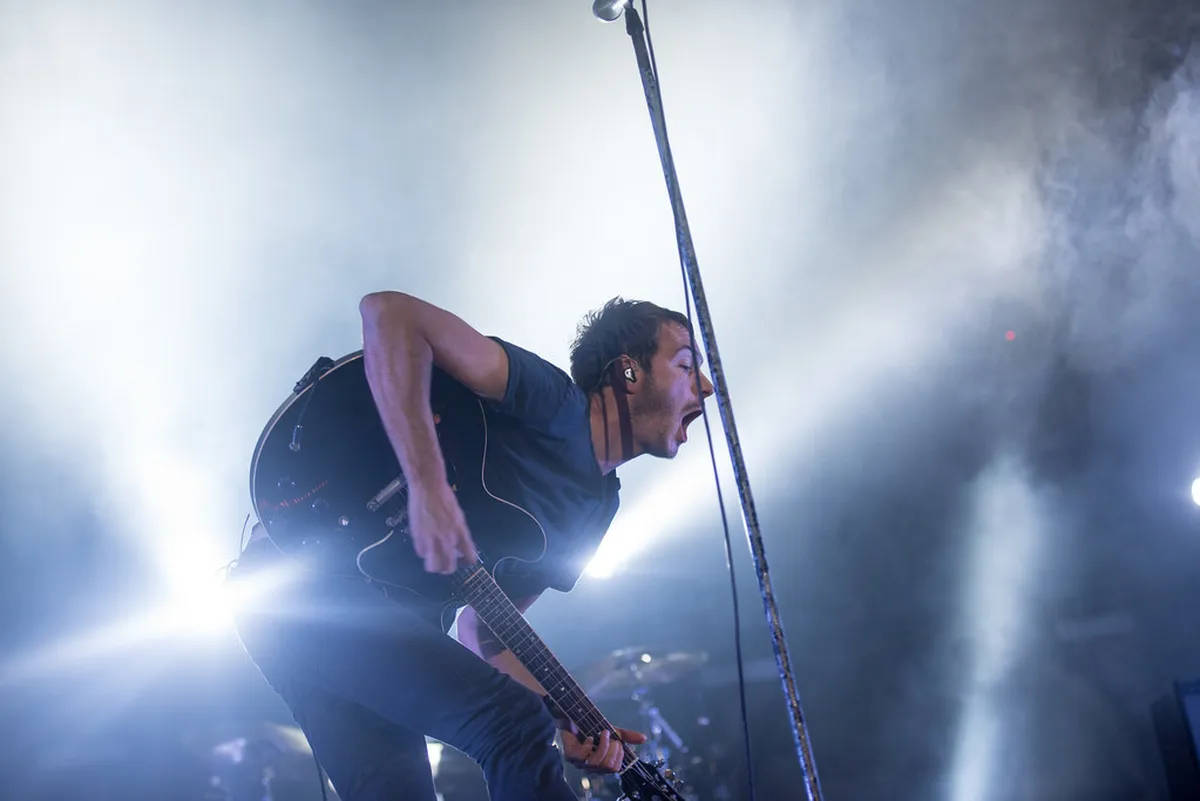
Bilbao BBK Live takes place from 9 to 11 July 2026 on Kobetamendi hill, a wooded ridge about three kilometres from the city centre with panoramic views over the Ría and the surrounding green mountains. The festival site is reached by a dedicated shuttle service from Bilbao Abando and San Mamés stations; the journey takes around 20 minutes and runs continuously through the evening and into the early hours. Three main stages, several smaller indoor and outdoor spaces, and a campsite spread across the hillside make the site feel genuinely spacious even at full capacity across three days.
BBK Live's programming spans rock, pop, electronic, and indie with an international headline lineup that typically draws 30,000 to 40,000 people per day. The festival's setting — hillside, breezy, visually striking — distinguishes it from the flat-field Spanish alternatives, and the combination of panoramic views and strong international bookings has made it one of the most credible summer festivals on the Iberian Peninsula. For everything you need to decide whether it belongs in your 2026 plans, the is BBK Live worth it guide covers lineup quality, logistics, campsite conditions, and the honest drawbacks. Where to sleep is a separate decision: where to stay for BBK Live compares the campsite, the Casco Viejo, and Abando in detail.
For those travelling from other Spanish cities or flying in from abroad, how to get to BBK Live covers the train, bus, and air connections from Madrid, Barcelona, and the main Basque cities, with advice on arrival timing and the last shuttle back to Bilbao each night.
Spring: Semana Santa Processions
Semana Santa — Holy Week — falls in late March or April 2026, with the precise dates determined by the Easter calendar. Bilbao's processions are quieter in character than those of Seville or Valladolid, but they carry their own specific weight. The cofradías — religious brotherhoods whose members wear pointed capirote hoods and carry tall candles — move through the streets of the Casco Viejo on the main days of the week, with the Good Friday processions passing through the Plaza Nueva and along the Ría in the late afternoon. The atmosphere is contemplative; onlookers tend to watch in near silence, and the contrast between the solemn street processions and the lively pintxo bars of the Siete Calles that open again the same evening is entirely characteristic of this city.
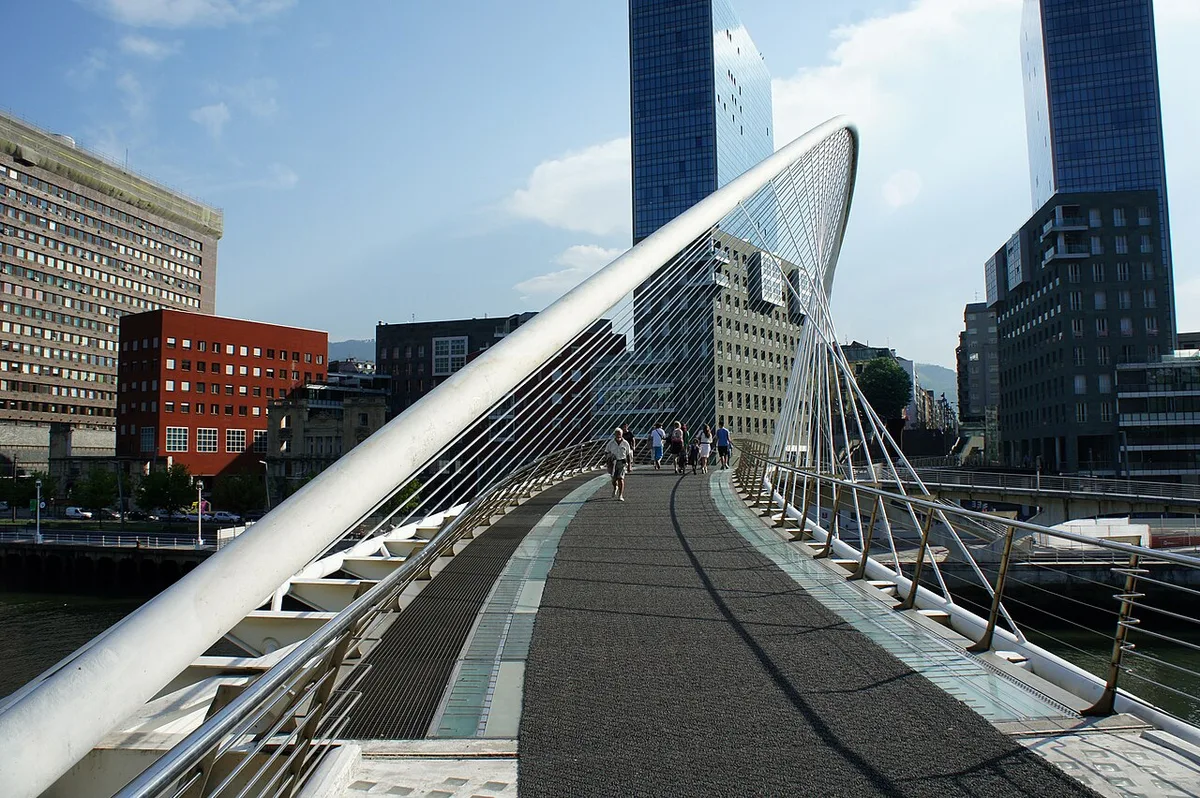
Spring is also the most comfortable time to walk the Bilbao waterfront. The Ría promenade between the Zubizuri bridge — Santiago Calatrava's curved white footbridge — and the Guggenheim is at its best in April light, and the Azkuna Zentroa cultural centre, housed in a converted 19th-century wine warehouse on the edge of the Ensanche, runs a spring programme of exhibitions and performances alongside the Holy Week events. If you are visiting Bilbao for the first time and Aste Nagusia or BBK Live fall outside your dates, late March or early April offers the city at its most unhurried — and at significantly lower hotel rates than the summer peak.
December: Mendi Film Festival
The Bilbao Mendi Film Festival is one of Europe's leading specialist cinema events, dedicated to mountain and adventure films. It takes place in December, with screenings spread across central Bilbao venues including the Azkuna Zentroa and the Arriaga Theatre — the city's landmark Belle Époque opera house on the edge of the Casco Viejo. The programme covers mountaineering expeditions, alpine and mountain running, ski touring narratives, and broader outdoor adventure films from production companies across Spain, France, Italy, and the wider alpine world. A competitive section awards prizes in several categories, with a jury that typically includes climbers, guides, and documentary filmmakers.
The festival draws a specific audience — climbers, hikers, and outdoor enthusiasts who use it as an annual gathering before the holiday season — but the films themselves are accessible to any viewer without specialist knowledge of the sports involved. For visitors combining the Mendi Film Festival with the Santo Tomás fair and the city's pre-Christmas atmosphere, the December timing works naturally: screenings run in the evenings and weekend afternoons, leaving mornings free for the Casco Viejo market and the Guggenheim, whose exhibition programme is typically at its most ambitious in the final weeks of the calendar year. The official Mendi Film Festival website publishes the exact 2026 programme and ticket details in October.
Santo Tomás Fair and Christmas in the Casco Viejo
The Santo Tomás fair takes place on 21 December in the Casco Viejo, transforming the Plaza Nueva and the surrounding narrow streets into a traditional Basque market that has been held on this date for several centuries. Stalls sell txistorra — a thin, lightly spiced Basque sausage — alongside talo (a flat cornmeal bread used as a wrap), cider pressed the previous season, artisan cheeses from the Basque and Navarrese highlands, and produce from the coastal fishing villages. The fair is almost entirely local in character: it caters to Basque families making their pre-Christmas purchases and is not a tourist market in the northern European sense. Prices and the atmosphere reflect that.
Attending on 21 December requires some patience with the crowds — the Casco Viejo's medieval street plan was not designed for the tens of thousands of visitors who come from across the Basque Country. Arriving before 10 a.m., well ahead of the lunchtime peak, is strongly advisable. The surrounding streets fill with live music from txistulari (Basque flute players) and brass groups through the afternoon, and the combination of food smells, music, and the Plaza Nueva's stone arcades creates an atmosphere that Christmas markets in larger European capitals rarely manage. If you are in Bilbao over the wider December period, New Year's Eve at the Plaza Arriaga is a lively and accessible alternative to the Madrid and Barcelona crowds. For more context on Spain's year-round festival season, the Spain festival calendar covers the full national picture from January through December.
Getting Around Bilbao and Day Trips
Bilbao's public transport is among the most efficient of any Spanish city of its size. The Metro Bilbao — whose stainless steel entrance canopies were designed by Norman Foster and are a minor landmark in themselves — connects the main arrival points at Abando station and the Termibus bus terminal with the Casco Viejo, the Guggenheim waterfront (Moyúa station), and the coastal towns of Getxo and Algorta on Lines 1 and 2. A standard single fare costs around €1.75; the Barik contactless card reduces this significantly and is available from any Metro station. The Euskotran tram line runs along the Ría between Atxuri and Basurto and is useful for moving between the Guggenheim district and the old town. During Aste Nagusia, the Metro is the most practical option for getting around: street congestion and the sheer volume of people in the Casco Viejo make taxis and walking long distances impractical in the evening hours.
The Basque coast and San Sebastián are the most rewarding day trips from Bilbao. San Sebastián (Donostia) is approximately 100 kilometres east by the A-8 motorway or around 65 minutes by the ALSA coach service from Termibus; the combination of the Parte Vieja pintxo bars, La Concha bay, and the Kursaal's contemporary arts programme makes it the natural companion to a Bilbao base. Smaller coastal towns — Getaria, Zarautz, Mundaka — are reachable by the Euskotren narrow-gauge service within 90 minutes. For a broader Spanish itinerary, the festivals and events in Barcelona and festivals and events in Madrid guides cover the other major festival cities, each with a calendar structured around their own signature events.
- Metro Bilbao — Foster-designed network; Barik card reduces the per-journey fare; Lines 1 and 2 cover the main festival zones
- Euskotran tram — runs along the Ría between Atxuri and Basurto; useful for the Guggenheim district
- BBK Live shuttle — runs from San Mamés and Abando to Kobetamendi; included in all festival ticket types
- ALSA coach to San Sebastián — from Termibus; approximately 65 minutes; several daily departures
- Euskotren coastal rail — Mundaka, Zarautz, and Getaria within 90 minutes of Atxuri station
Frequently Asked Questions
When is Aste Nagusia 2026?
Aste Nagusia 2026 is expected to begin on the Saturday on or around 15 August and run for nine days through late August. In 2026, 15 August falls on a Saturday, placing the festival in the third week of August. Exact opening and closing dates are confirmed by Bilbao City Council each spring — check bilbao.eus for the official programme and event schedule before booking travel.
Is BBK Live worth attending?
BBK Live is one of the most enjoyable music festivals in Spain, largely because of its hillside setting on Kobetamendi with panoramic views over the Ría and surrounding mountains. The lineup draws major international acts across rock, pop, and electronic music over three days in early to mid-July. For a detailed and honest assessment of logistics, camping conditions, lineup quality, and the genuine drawbacks, see the dedicated is BBK Live worth it guide.
What is Marijaia?
Marijaia is the foam puppet mascot of Aste Nagusia — an exuberant figure with wild hair and arms raised in celebration. She is ceremonially hoisted at the opening parade and carried through the streets by a comparsa (neighbourhood association) during the nine days of the Great Week. At the closing ceremony, Marijaia is burned alongside the final fireworks over the Ría in a symbolic farewell that marks the end of Bilbao's festival season until the following August.
What is the Santo Tomás fair in Bilbao?
The Santo Tomás fair is a traditional Basque food market held on 21 December each year in the Plaza Nueva and surrounding streets of the Casco Viejo. Stalls sell txistorra sausage, talo flatbread, artisan cheeses, and cider from local producers. One of the oldest fairs in the Basque Country, it is primarily a local event attended by families from across the region; arriving before 10 a.m. is advisable to avoid the main lunchtime crowds.
Is Bilbao worth visiting as a city break?
Yes. Bilbao punches well above its size as a city break destination. The Guggenheim Museum Bilbao alone justifies the journey, but the Casco Viejo's pintxo bars, the Ría waterfront walk between the Zubizuri bridge and the Guggenheim, and the ease of day trips to San Sebastián and the Basque coast make it genuinely rewarding at any time of year. Outside Aste Nagusia, hotel prices are considerably lower than in Madrid or Barcelona.
Related: Best Fiestas in Spain — the Essential Guide.
Bilbao's festival calendar is shaped by two things that rarely coexist so cleanly: a deep local tradition — Aste Nagusia's txosnas and bertsolaris, the Santo Tomás market in the Plaza Nueva — and a genuine international ambition, visible in BBK Live's lineup and the Mendi Film Festival's European reach. The result is a city where you can spend a week in August almost entirely inside Basque culture, and a week in July in a crowd that has flown in from London and Berlin and Amsterdam. Both experiences are worth having, and they feel unmistakably like the same place.
August remains the high-water mark — Aste Nagusia at full volume, with Marijaia overhead and the Ría fireworks reflected in the water below, is a hard thing to forget. But December's combination of the Mendi Film Festival, the Santo Tomás market, and the pre-Christmas Casco Viejo is the Bilbao that most visitors never see, and it rewards those who time a trip around it rather than the summer peak. For the wider Spanish picture, the best festivals in Spain guide puts Bilbao alongside the country's other essential festival destinations.
Free guide: Europe's Festival Calendar
A month-by-month map of Europe's unmissable festivals — with the best dates to visit each and a local tip you won't find in the guidebooks.
You might also like


Continue reading
More guides you'll find useful