
10 Best Places to Visit in Europe in September (2026)
Plan your trip to Europe in September with our expert guide. Discover 10 top destinations, weather tips, and practical booking advice for 2026.
On this page
10 Best Places to Visit in Europe in September (2026)
Our team has navigated the cobblestones from Lisbon to Ljubljana during every season of the year. We believe September is the absolute sweet spot for a continental getaway because the heat of Europe in August finally breaks. You get the lingering warmth of summer without the crushing peak-season crowds that dominate July and August. Last updated June 2026, this guide reflects the most current pricing and event schedules for your planning.
Traveling during this shoulder season allows for a more authentic experience in iconic cities. Local life resumes as residents return from their own vacations, opening up a different side of European culture. Service is often better, restaurant reservations are easier to secure, and prices for boutique hotels frequently drop by 20 percent compared to July peaks. The landscape also begins its stunning transformation, offering a mix of late-summer sun and early-autumn colors.
Whether you want to lounge on a quiet beach or join a rowdy harvest festival, the options are vast. We recommend booking your major transport links at least six weeks in advance to secure the best rates. This guide highlights ten specific destinations that shine brightest during this transitional month, plus practical advice on choosing between warm beaches, cultural cities, and scenic countryside.
Free guide: Europe's Festival Calendar
A month-by-month map of Europe's unmissable festivals — with the best dates to visit each and a local tip you won't find in the guidebooks.
Why September Is One of the Best Times to Visit Europe
The primary draw is the significant dip in tourist density at major landmarks. Visitor numbers at sites like the Colosseum and the Acropolis drop by nearly 30 percent this month, meaning shorter queues and breathing room in narrow medieval streets. You can actually enjoy the architecture rather than navigating through a sea of selfie sticks. Locals are back from their summer holidays too, which brings restaurants, markets, and neighborhood life back to full energy.
Weather conditions are remarkably stable across both Southern and Central Europe. Southern regions like Sicily and Andalusia maintain highs of 25°C to 28°C, perfect for sightseeing. Northern cities experience crisp mornings followed by mild, sunny afternoons ideal for long walks. We suggest checking the European festival calendar by month to align your trip with local harvest and cultural celebrations.
September is also the month of the harvest, making it a dream for food and wine enthusiasts. Vineyards across France, Italy, and Spain are buzzing with activity as grape picking begins in earnest. Many villages host open-air markets and communal dinners to celebrate the year's bounty. These events offer a rare chance to mingle with locals in a setting that feels nothing like the tourist calendar of summer.
10 Best Places to Visit in Europe in September (2026)
Our selection for 2026 focuses on destinations where the weather and event calendar align perfectly. We have grouped these into thematic clusters including coastal escapes, cultural hubs, and nature retreats. Each selection is chosen based on its unique appeal during the transition from summer to autumn. Consult our best festivals in Europe in autumn guide for even more niche event ideas.
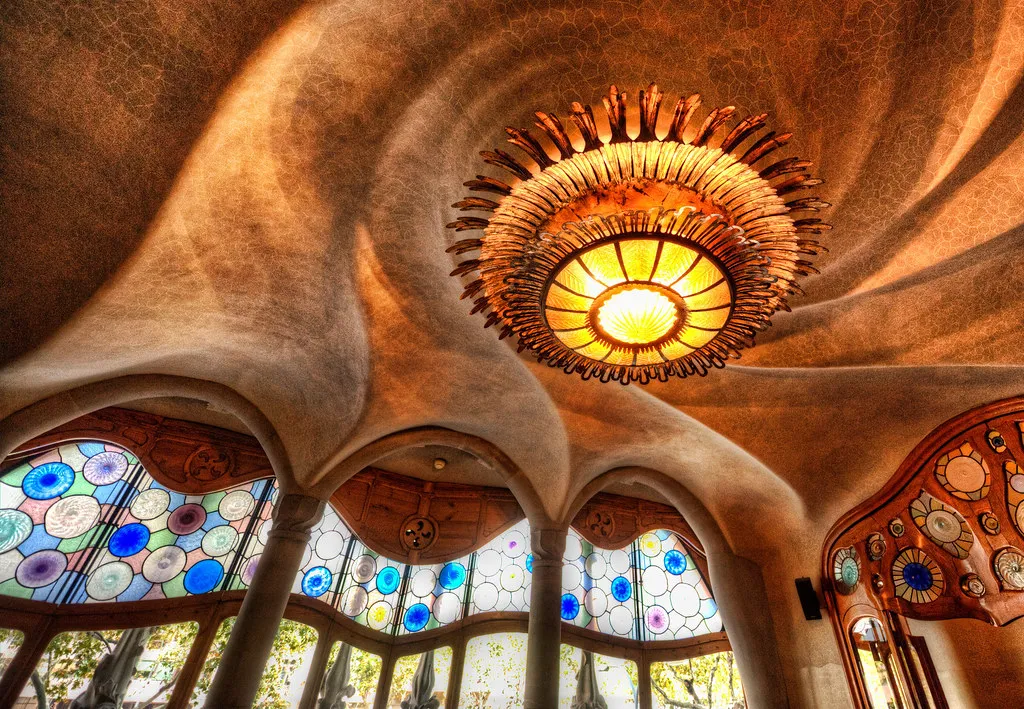
The first cluster highlights coastal spots where the sea remains warm enough for swimming. Southern Mediterranean islands offer a peaceful alternative to the chaotic atmosphere found in July. Water temperatures often hover around 23°C, which is warmer than the air in early June. These spots are ideal for those seeking a final dose of vitamin D before winter arrives.
Our second cluster looks at cities hosting major annual cultural milestones. From beer festivals in Bavaria to street parties in Catalonia, the energy is infectious. We recommend booking central accommodation early if you plan to attend these high-profile events. Even in the shoulder season, city centers can fill up during specific festival weekends.
- Hvar Town Waterfront, Croatia
- This sun-drenched island port offers crystal clear waters and a sophisticated marble-clad old town.
- Expect high temperatures around 28°C and sea conditions that remain perfect for swimming through late September. Hvar officially receives more than 2,700 hours of sunshine per year, making it Croatia's sunniest corner.
- Most beach clubs are open daily from 11:00 to midnight, with entry fees ranging from free to €30.
- Take the Jadrolinija ferry from Split for a scenic one-hour journey to reach the main harbor.
- We suggest hiking up to the Spanish Fortress at sunset for the best views over the Pakleni Islands.
- Theresienwiese Oktoberfest Grounds, Munich
- The world's largest folk festival begins in mid-September and transforms Munich into a massive celebration.
- Entrance to the grounds is free, but a liter of beer typically costs between €14 and €16 inside the main tents.
- Tents open at 10:00 on weekdays and 09:00 on weekends, usually closing around 23:30.
- Use the U-Bahn lines U4 or U5 to reach the grounds, as parking is virtually non-existent.
- Book table reservations months in advance if you want to sit inside the most popular tents.
- Barceloneta Beach and Gothic Quarter, Spain
- September brings the La Mercè festival, featuring giant parades, fire runs, and free outdoor concerts.
- The weather stays warm at 25°C, making the city beaches much more enjoyable than in the humid August heat.
- Most festival events are free to the public and take place in various plazas throughout the day.
- Walking is the best way to explore, but the L4 metro line serves the beach area efficiently.
- Watch out for the Correfoc fire run and wear long sleeves to protect against stray sparks.
- Oia Sunset Point, Santorini
- This iconic Greek viewpoint becomes much more accessible as the summer cruise ship crowds begin to thin.
- Daytime highs sit comfortably at 26°C, and the Aegean Sea remains inviting for boat excursions.
- Viewing the sunset is free, but arrive at least an hour early to secure a good ledge.
- Local buses run from Fira to Oia every 20 minutes for approximately €1.60.
- We recommend visiting the Ammoudi Bay fish tavernas for lunch before the evening crowd arrives.
- Piazza della Riforma, Lugano
- This Swiss-Italian gem hosts a wonderful Fall Festival featuring local wine and folk music every October, with September being the ideal run-up when the town is quieter and prices are lower.
- The lakeside setting offers a mix of Alpine scenery and Mediterranean flair with mild 20°C afternoons.
- Festival entry is free, though you will want to budget for local Merlot and polenta dishes.
- The city is easily reached via the scenic Gotthard Base Tunnel train from Zurich or Milan.
- Visit the LAC Lugano Arte e Cultura museum nearby for a dose of modern art and architecture.
- Praia da Marinha, Algarve
- Known for its stunning limestone cliffs, this beach is far more peaceful after the Portuguese school holidays end in mid-September.
- The Atlantic water is at its warmest in September, making this the best window for swimming on Portugal's southern coast.
- Access to the beach is free, and the parking lot is usually manageable before 10:00.
- Renting a car is essential for exploring this stretch of coastline efficiently from Faro airport.
- Walk the Seven Hanging Valleys Trail starting here for some of the most dramatic coastal views in Europe.
- Arthur's Seat, Edinburgh
- September offers a break from the Fringe Festival madness while keeping the lush green Highland scenery and the cooler, golden light.
- The hike is free and takes about two hours round-trip, offering panoramic views of the city skyline.
- The park is open 24 hours, but we advise finishing your descent before the early autumn dusk.
- It is a short walk from the bottom of the Royal Mile near the Scottish Parliament building.
- Bring a windproof jacket as the summit can be significantly colder than the city streets below.
- Lungomare Caracciolo, Naples
- This seaside promenade often hosts the Napoli Pizza Village festival during the first half of September, with around €12–€15 per pizza eaten while watching the sunset over Mount Vesuvius.
- The promenade is a public space open 24 hours, with festival stalls usually active from 18:00 until late.
- Take Metro Line 1 to Municipio and walk toward the water to find the main action.
- We suggest taking a ferry to the nearby island of Procida for a quiet, colorful day trip free from the city heat.
- Promenade des Anglais, Nice
- The French Riviera retains its glamour in September but loses the frantic pace of high summer.
- Temperatures are ideal for outdoor dining, and the pebble beaches are no longer shoulder-to-shoulder.
- Public beaches are free, while private beach clubs charge between €20 and €40 for a sunbed.
- The L2 tram connects the airport directly to the city center for just €1.70 per ride.
- Visit the Cours Saleya flower market in the morning for the freshest local produce and socca.
- Guildhall Square, Derry
- As the gateway to the Wild Atlantic Way, Derry offers stunning autumnal landscapes and layered history in equal measure.
- While the largest Halloween festival in Europe takes place in October, September is perfect for quiet wall walks without a single queue.
- Walking the historic city walls is free and provides an excellent overview of the city's complex past.
- Derry is a three-hour bus ride from Dublin or a two-hour train journey from Belfast.
- Check out the Tower Museum for a detailed look at the Spanish Armada and local history.
For Peaceful Beaches: Portugal and Italy
If swimming is your priority, September is the optimal month across southern Europe. The Mediterranean reaches peak sea temperature this month — typically 23°C to 25°C around Sicily and the Amalfi Coast — because the water has been absorbing heat since June. The Algarve's Atlantic coast is cooler at around 20°C but rewards visitors with dramatic cliffs, calmer surf conditions, and zero of the August beach-towel gridlock.
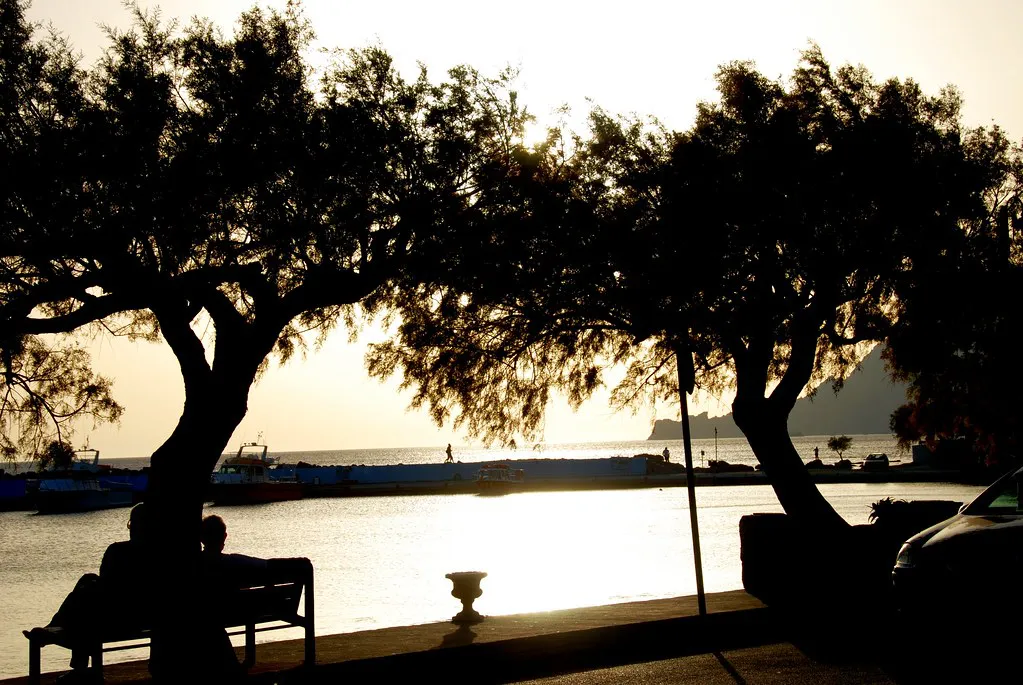
In Italy, Puglia and Calabria are the insider picks for September beach access. The crowds that swamp Positano and Capri in July are largely gone, yet the sea temperature and sunshine hours remain equivalent. Return ferries from Naples to Procida run every hour or so and cost around €15 return — a full beach day for under €20 including transport. Smaller Aeolian Islands like Salina and Filicudi retain their summer ferry connections through September 30, giving you access to volcanic beaches that feel genuinely remote.
Portugal's Atlantic coast runs slightly cooler than the Mediterranean but compensates with consistently good surf conditions and dramatic scenery. The Algarve school holidays end in mid-September, immediately dropping parking lot pressure at spots like Praia da Marinha. Sagres, at Portugal's southwestern tip, suits travelers who want deserted beaches over resort atmosphere — it stays windy and uncrowded well into October. Budget travelers will also notice that Algarve rental car rates fall steeply in the second week of September as summer demand drops off.
For Fewer Crowds and an Authentic Experience: Greece
Greece is at its most livable in September. The summer pilgrimage of cruise ships and package tourists eases off noticeably after the first week, but tavernas, boat schedules, and beach bars stay fully open until the end of the month. Temperatures remain warm — Athens averages 29°C in early September, dropping to a comfortable 25°C by month's end — without the oppressive mid-August heat that makes afternoon sightseeing feel punishing.
The Cyclades offer some of the best shoulder-season value in Europe. Mykonos and Santorini both see hotel prices drop 30–40 percent from their August peaks from mid-September onward, while still offering full amenities. For a more local atmosphere, the quieter islands of Naxos and Paros are better picks: larger, greener, and filled with villages where a meal of fresh grilled fish and house wine costs under €20 per person. The ferry network between them runs hourly from Piraeus throughout September.
On the mainland, September is harvest festival season. Villages across the Peloponnese celebrate wine, chestnuts, and olives with local fairs that are entirely free to attend and not listed on any major tourist website. These events are the kind of authentic experience that summer visitors miss entirely, simply because they weren't there at the right time.
For Cool Festivals: Germany and the Almabtrieb Tradition
Southern Germany in September runs on a festival calendar unlike anywhere else on the continent. Oktoberfest is the headline act — 16 days beginning the third Saturday of September, with 6 million visitors and beer tents holding up to 10,000 people each — but it is far from the only reason to come. Bad Dürkheim, about 90 minutes southwest of Frankfurt, hosts the Dürkheimer Wurstmarkt in mid-September: officially the world's largest wine festival, and considerably more laid-back than Munich's main event. Ludwigsburg, near Stuttgart, runs the world's largest pumpkin festival from late September into November.
The event that most September visitors miss entirely is the Almabtrieb — the ceremonial descent of Alpine cattle from their summer mountain pastures. Farmers decorate their cattle with flower headdresses and bells, then walk the herds down through village streets to the sound of traditional music and crowd applause. The tradition plays out across Bavaria, Austria, and parts of Switzerland from late September into early October. Specific dates vary by village: reliable locations include Berchtesgaden, Garmisch-Partenkirchen, and the Allgäu region around Oberstdorf. Entry is free; arrive by 09:00 to secure a viewing spot near the descent route.
If you want the Bavarian atmosphere without the Oktoberfest crowds, the historic towns of Regensburg and Bamberg both run their own smaller autumn folk festivals in September. Regensburg's Dult, held on the east bank of the Danube, combines a traditional fairground with artisan market stalls and regional food at significantly lower prices than anything in central Munich. Bamberg's smoked beer (Rauchbier) is brewed in-house at the Schlenkerla taverna and is virtually unavailable outside the region — a genuine food-tourism reason to visit that no larger festival can replicate.
For Beautiful Scenery: Britain and Ireland
September is arguably the best month to visit the British Isles for people who want dramatic landscape without dramatic weather risk. Scotland's Highlands see the heather bloom at its peak in late August and early September — the moorland turns purple across Glen Coe, Rannoch Moor, and the Cairngorms in a way that genuinely does not look real in photographs. Edinburgh itself, once the Fringe Festival clears out after the first week of September, becomes a far more relaxed city with cheaper accommodation and no queue for the Castle.
In England, the Cotswolds earn their reputation most honestly in September. The August coach tour traffic is gone, the village pubs are less crowded, and the warm light on the honey-colored stone makes even the most-photographed spots feel worth the visit. Walking the footpath between Bourton-on-the-Water and Lower Slaughter on a clear September morning requires no planning and costs nothing beyond transport to the region. Heritage Open Days, typically held in mid-September, open hundreds of historic buildings across England for free — including private country houses, industrial heritage sites, and civic buildings that never appear on tourist maps.
Ireland in September sits in a weather window that most visitors underestimate. Dublin, Galway, and the west coast see longer stretches of dry weather in September than the reputation of Irish weather would suggest. The Galway Oyster and Seafood Festival takes place the last weekend of September, offering local oysters, live music, and the World Oyster Opening Championship in a setting that is genuinely festive rather than touristy. Derry's walls and the Wild Atlantic Way are best explored in early September before the Halloween preparations in October draw their own crowds.
Italy in September: Weather and Local Nuances
Italy undergoes a beautiful transformation as the Ferragosto holiday spirit fades into the focused energy of the harvest. In the north, the Dolomites offer crisp air and clear skies perfect for high-altitude trekking, with daytime highs around 18°C at altitude and vibrant early-autumn foliage that rivals anything in New England. Central Tuscany sees highs of 24°C, which makes exploring hilltop towns like Montepulciano and Montalcino far more comfortable than in summer. September is also Sagre season — local food festivals dedicated to truffles, porcini mushrooms, chestnuts, and new wine, held in villages throughout Umbria and Le Marche with tickets typically costing €10–€20 for a full meal.
Southern Italy and Sicily remain decidedly summery, with temperatures often hitting 30°C. The sea has absorbed heat all summer, making this the best time for long swims in Puglia or Calabria. You will find that the intense humidity of August has vanished, replaced by a dry, pleasant heat. Most seasonal ferries to smaller islands still operate on a full summer schedule until the end of the month.
One nuance to keep in mind: daylight hours begin to shorten noticeably by late September. Plan outdoor activities for earlier in the day to make the most of natural light. While most museums maintain summer hours through September, smaller rural attractions may shift to earlier closing times from mid-month. We recommend checking official sites for any orario invernale (winter hours) updates after the 15th, especially for hilltop sites in Umbria and the Abruzzo.
For Better Prices: How September Shifts the Budget Equation
September is the best month in Europe for value travelers, but the savings are not evenly distributed. The biggest drops happen in beach destinations: Algarve, Sicily, Greek islands, and the Croatian coast all see accommodation prices fall sharply from mid-September onward as tour operators release unsold inventory. A hotel in Hvar that cost €180 per night in the first week of August might drop to €90–€110 in the third week of September with the same amenities and warmer sea temperatures.
City breaks are a more nuanced story. Capitals like Paris, Rome, and Amsterdam remain busy into September as conference season begins, so prices in city centers hold steadier than on the coast. The better budget plays in cities are the second-tier destinations: Lisbon over Barcelona, Naples over Rome, Krakow over Prague. All four offer lower baseline costs year-round, and the September crowd reduction compounds those savings further. Copenhagen, which carries a reputation for being prohibitively expensive, becomes genuinely manageable in September — a full city weekend is achievable for under £100 if you eat at lunch counters rather than dinner restaurants and use the city's extensive cycling infrastructure.
Budget flights are easiest to find for the mid-week departures in the second and third weeks of September. This window sits between the rush of families returning from summer holidays (late August) and the beginning of the main business travel season (mid-October). If you are flexible on destination, setting price alerts for any Mediterranean airport in this window will consistently surface fares under £60 from most UK cities and under €70 from most Central European hubs.
How to Plan a Smooth Europe Trip in September
Packing for September requires a strategic approach to layering due to shifting temperatures. We suggest a mix of light linens for the afternoon and a reliable sweater or light jacket for the evenings. Comfortable walking shoes are non-negotiable, as you will likely be covering more ground in the cooler air. A compact umbrella is a wise addition if your itinerary includes the UK or Central Europe.
Internal flights and high-speed trains can be significantly cheaper if you avoid the Friday and Sunday rushes. Mid-week travel often yields the best prices and the quietest carriages for long-distance journeys. We recommend using Omio or Trainline to compare different modes of transport across borders. Always validate your train ticket at the station kiosks before boarding in Italy, Spain, and France to avoid heavy fines.
If you are combining beach and city stops in one trip, the southwest arc works well as a route: fly into Faro, train up to Lisbon, fly or train to Barcelona, then a short flight to Nice or direct bus to the Italian Riviera. Each leg stays under three hours and the combined cost is often lower than a long-haul flight, with the added benefit of experiencing three distinct climates and cultures. For autumn foliage inspiration and more regional ideas, explore our Europe in October guide when you are ready to extend your planning window.
Other Fun Fall Destinations in Europe
The ten destinations above barely scratch the surface of what September offers across the continent. Prague is one of the most underrated September picks: the summer crowds thin noticeably after the first week, the Signal Festival lights up the city with large-scale projections in October (with September as the ideal time to book accommodation before prices spike), and the day trip to Cesky Krumlov for its Saint Wenceslas celebrations costs as little as €8 return by bus from the main station.
Switzerland deserves a place on any September shortlist for travelers who want scenery over nightlife. The Chestnut Festival in Ascona and Ticino draws visitors from across the border with free outdoor events and regional food markets. The Alpabzug — Switzerland's equivalent of the Bavarian Almabtrieb — is particularly well-attended in Plaffeien and Grindelwald, and the backdrop of the Bernese Oberland in early autumn color makes it one of the most photogenic travel moments in Europe. Entry to the cattle festivals is free; the train from Bern to Grindelwald costs around CHF 30 return.
For travelers who want to be off the beaten track entirely, Iceland in September offers a compelling alternative to the Mediterranean circuit. The Réttir — a centuries-old sheep roundup where farmers gather their flocks from the highlands — happens across rural Iceland through late September. There are no tickets, no tourist infrastructure, and no Instagram hashtag that has ruined it yet. Temperatures sit between 5°C and 12°C, so pack accordingly, but the aurora borealis season begins in earnest in September, adding a second reason to look north when the rest of Europe's summer playbook is winding down.
Frequently Asked Questions
Is it a good time to visit Europe in September?
Yes, September is widely considered the best month for European travel. You will enjoy mild weather, significantly fewer crowds at major attractions, and lower prices for accommodation compared to the summer peak.
What is the warmest place in Europe in September?
Southern Spain, Cyprus, and the Greek Islands are the warmest regions this month. Cities like Seville and Antalya often see daily highs remaining well above 30°C throughout the first half of the month.
What is the cheapest month to go to Europe?
While November and January are generally the cheapest, September offers the best value. You get near-perfect weather for a fraction of the August price, making it a smarter investment for most travelers.
Visiting Europe for more than one festival? See our complete guide to festivals and events in Europe.
September offers a rare window where the continent feels both vibrant and relaxed. By choosing one of our ten recommended spots, you ensure a trip filled with local flavor and comfortable conditions. Whether you are clinking steins in Munich, swimming off a limestone cliff in the Algarve, or watching cattle descend from Bavarian pastures with flower headdresses, the rewards of shoulder season are immense. We hope this guide helps you navigate the transition from summer to autumn with ease.
Remember to stay flexible and embrace the local harvest festivals that make this month so special. Safe travels as you explore the beauty of Europe in September.
Free guide: Europe's Festival Calendar
A month-by-month map of Europe's unmissable festivals — with the best dates to visit each and a local tip you won't find in the guidebooks.
You might also like


Continue reading
More guides you'll find useful


