
10 Best Places to Visit in Europe in February (2026)
Plan your trip to Europe in February with our guide to the 10 best cities for winter sun, snow, and festivals. Includes costs, timing, and expert tips.
On this page
10 Incredible Destinations for Europe in February
Last updated April 2026. Our editors have navigated the cobblestone streets of the continent during its quietest month to bring you this curated guide. Traveling through Europe in February offers a rare chance to see iconic landmarks without the suffocating summer crowds.
We believe this month provides the best value for travelers who appreciate crisp air and lower hotel rates. While many think of the continent as cold and grey, several southern regions offer surprising warmth and blooming almond trees. Our team has selected these ten spots based on their unique seasonal events and practical accessibility.
Whether you are chasing the northern lights or seeking a sunny escape, this month delivers diverse experiences. If you missed the holiday rush of Europe in January, February serves as the perfect mid-winter reset. Prepare for a mix of vibrant carnivals and serene, snow-dusted landscapes across these top-tier destinations.
Free guide: Europe's Festival Calendar
A month-by-month map of Europe's unmissable festivals — with the best dates to visit each and a local tip you won't find in the guidebooks.
Why Visit Europe in February?
Visiting the continent during the late winter months allows for a much more intimate connection with local culture. We have found that museum queues in cities like Paris or Rome practically disappear compared to the peak season. This lack of congestion means you can linger in front of masterpieces without being jostled by tour groups.
Flight prices often reach their annual low point during this window, making it ideal for budget-conscious explorers. Accommodation providers frequently offer deep discounts or complimentary upgrades to fill rooms before the spring rush begins. You can often secure a luxury stay for the price of a mid-range hotel in Europe in March.
February is also the peak of the European carnival season, bringing bursts of color to the winter gloom. From the masked balls of Italy to the rhythmic parades of Spain, the cultural energy is incredibly high. These events provide a deep look into centuries-old traditions that remain central to European identity today.
With Valentine's Day falling on a Saturday in 2026, it is also one of the best months for a romantic city break. Couples can pair a weekend getaway with a major festival at no extra effort — Venice Carnival and Nice Carnival both overlap perfectly with mid-February dates. That combination of romance and spectacle is something no other winter month in Europe can match.
Best European Cities to Visit in February
When we assess which cities shine in February, we look at three factors: event calendar, weather reliability, and value for money. The cities below consistently score well on all three, making them strong choices regardless of whether you want sun, snow, or cultural immersion.
- Venice, Italy — The Venice Carnival (31 January to 17 February 2026) transforms the city into a living theatre of masks and costumes. Cold and occasionally foggy with temperatures around 2°C to 7°C, but the atmosphere is unmatched. Budget €120–€200 per night for a central hotel; grand masquerade balls cost €500–€2,500 per person.
- Tenerife, Canary Islands, Spain — The warmest February destination on this list, with average temperatures of 18°C to 24°C. The Carnival of Santa Cruz de Tenerife runs until 1 March 2026 and is one of the largest carnivals in the world. A genuine rival to Venice for spectacle, but far warmer and more affordable.
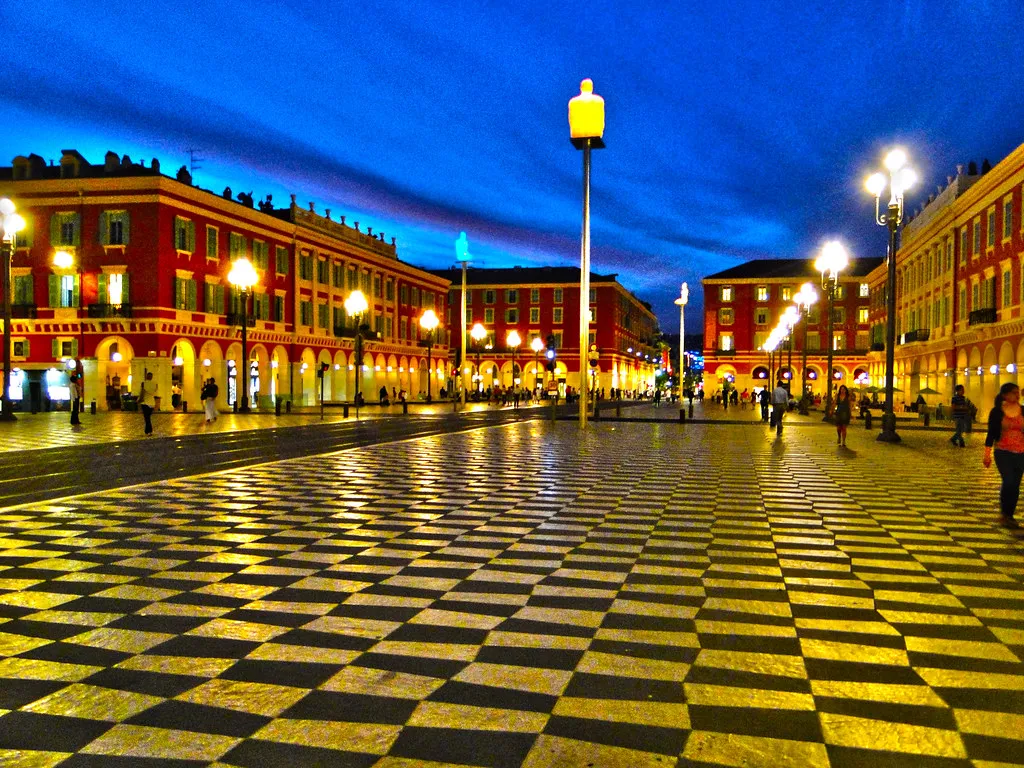
- Nice, France — The Nice Carnival runs from 11 February to 1 March 2026 and is famous for its flower battles and illuminated night parades. Temperatures sit at 10°C to 16°C, making coastal walks comfortable. The nearby Fête du Citron in Menton begins on 14 February.
- Athens, Greece — One of the best-value city breaks in February, with reduced winter admission to the Acropolis (€10 per adult). Temperatures range from 7°C to 13°C — cool but walkable, with far fewer cruise groups than spring.
- Seville, Spain — February marks the start of orange blossom season and pre-Lent festivities. Temperatures of 10°C to 18°C make it the warmest mainland European city option. A day trip to Cádiz for the Cádiz Carnival is easy to combine.
- Barcelona, Spain — Mild at 10°C to 15°C with no queues at Sagrada Família or Park Güell. The Gothic Quarter and El Raval feel genuinely local in winter rather than tourist-saturated. Good base for a day trip to Montserrat.
- Copenhagen, Denmark — The Vinterjazz Festival runs through the end of February (the 25th anniversary edition in 2026 is especially expansive). Cold but rewarding for culture lovers willing to wrap up.
If warmth is your priority, choose Tenerife or Seville. If cultural spectacle matters most, Venice or Nice deliver best. Athens and Barcelona offer the strongest value-for-money combination of the group.
10 Best Places to Visit in Europe in February
Our selection for 2026 focuses on a balance between traditional winter wonderlands and early spring escapes. We have categorized these into three distinct groups: carnival hubs, winter sun retreats, and northern adventures. Each location has been vetted for its 2026 event schedule and general traveler accessibility during the off-season.
Keep in mind that while some cities are waking up, others are in the peak of their winter sports season. We recommend checking local transport schedules as some rural ferry routes or mountain passes may have limited service. Always pack layers to handle the transition from heated indoor galleries to the brisk outdoor air.
Many of these picks are part of our broader best festivals in Europe in winter collection. Whether you want to dance in the streets or soak in a thermal bath, these spots offer the best of February. Below are the specific attractions and experiences that make these destinations stand out right now.
- The Grand Canal and St. Mark's Square, Venice
- The Venice Carnival transforms the city into a living theater of ornate masks and period costumes.
- Street performances are free to watch, while private masquerade balls can cost between €500 and €2,500 per person.
- Most events run daily from 10:00 until late evening, though the misty canals are best photographed at sunrise.
- We recommend visiting the Ca' Macana workshop to see authentic mask-making and avoid the cheap plastic imports.
- Abisko National Park, Swedish Lapland
- This remote park is widely considered the best place on Earth to view the elusive Northern Lights.
- Guided aurora tours typically range from €90 to €160 and operate nightly between 20:00 and midnight.
- The Aurora Sky Station is open for night visits, but you must book weeks in advance due to limited capacity.
- The "Blue Hole" phenomenon often keeps the skies clear here even when surrounding areas are cloudy.
- The Louvre Museum, Paris
- February is the ideal time to explore the world's largest art museum without the standard three-hour wait times.
- Standard entry costs approximately €22, and the museum is open daily from 09:00 to 18:00 except on Tuesdays.
- You can reach the museum via the Palais Royal–Musée du Louvre metro station on Lines 1 and 7.
- Enter through the Carrousel du Louvre underground shopping mall to bypass the main pyramid queue entirely.
- The Alfama District, Lisbon
- Lisbon's oldest neighborhood offers mild temperatures and stunning views of the Tagus River under the winter sun.
- Walking the district is free, though a ride on the iconic Tram 28 costs about €3 per person.
- Most Fado houses in the area open their doors around 19:00 for dinner and live soulful music performances.
- Wear shoes with excellent grip because the steep limestone cobblestones become incredibly slippery when damp.
- The Vinterjazz Festival venues, Copenhagen
- This nationwide music event brings over 600 concerts to cozy cafes and grand halls across the Danish capital.
- Ticket prices vary by venue but typically fall between €15 and €45, with several free community sets available.
- You can check the full Vinterjazz Festival schedule online to plan your nightly route.
- The smaller clubs in the Nørrebro district offer the most authentic and warm atmosphere during snowy nights.
- Mount Teide National Park, Tenerife
- Tenerife provides a reliable escape for winter sun with temperatures often hovering around 20°C.
- The Teide Cable Car costs roughly €40 for a return trip and operates daily from 09:00 to 17:00.
- You will need a rental car or a public bus from Costa Adeje to reach the high-altitude volcanic base.
- The summit can be significantly colder than the coast, so bring a heavy jacket despite the beach weather below.
- The Old Town Streets, Basel
- The Basler Fasnacht is a UNESCO-recognised event that begins with a spectacular lantern parade at 04:00.
- Watching the parades is free, but visitors are encouraged to buy a carnival pin for about €10 to support locals.
- The main festivities last for exactly 72 hours, starting the Monday after Ash Wednesday each year.
- Arrive at Marktplatz by 03:30 to secure a spot before the city lights are switched off for the start.
- The Acropolis of Athens, Greece
- Visiting the Parthenon in February means enjoying the ancient site without the scorching heat or massive cruise crowds.
- The winter ticket price is reduced to €10 per adult, and the site is open daily from 08:00 to 17:00.
- The Acropolis metro station is just a short walk from the main entrance in the Plaka neighborhood.
- The light at 16:00 is perfect for photography, as the marble takes on a warm golden hue against the blue sky.
- The Hallstatt Skywalk, Austrian Alps
- This alpine village looks like a fairy tale when covered in snow, offering a serene escape from city life.
- The funicular ride to the Skywalk costs about €22 and provides a panoramic view of the frozen lake.
- The viewing platform is open daily from 09:00 to 16:30, though the salt mine tours are usually closed in winter.
- Take the ferry across the lake from the train station for the most iconic approach to the village.
- The Village of Podence, Portugal
- This small village hosts the UNESCO-listed Caretos Carnival featuring colorful wool-clad figures.
- The event is free to attend and takes place in the streets of the Trás-os-Montes region.
- Parades typically occur in the afternoons, with traditional music and the rattling of bells filling the air.
- Be prepared for the Caretos to playfully approach bystanders, which is a core part of this ancient fertility rite.
Venice Carnival vs. Tenerife Carnival: Which Is Right for You?
Both Venice and Tenerife run their carnivals simultaneously in February 2026, but they suit very different travelers. Venice (31 January to 17 February) is intimate, architectural, and built around aesthetics — masks, candlelit piazzas, gondola rides, and private ticketed balls. It is the better choice if you want elegance, photography opportunities, and a slower pace in a genuinely ancient setting. The cold (2°C to 7°C) and the crowds during the peak Carnival weekend are real factors to weigh.

Tenerife's Carnival of Santa Cruz (running until 1 March 2026) is the opposite in almost every way. It is loud, colorful, street-level, and warm — average temperatures of 18°C to 24°C mean you can dress in a costume without a coat. The event is often cited as one of the largest carnivals in the world by attendance, rivaling Rio de Janeiro. Flights to Tenerife South from most northern European airports are also significantly cheaper than flying into Venice Marco Polo during February.
Our practical rule: if you are traveling as a couple wanting romance and culture, choose Venice. If you are traveling with friends or family and want warmth plus the biggest street party atmosphere, Tenerife wins outright. Both are genuinely worth the trip — the choice simply depends on which sensory experience you are chasing.
How to Pick the Right February Destination
Choosing the right spot depends heavily on whether you crave the heat or the hearth. If you want to wear a t-shirt, stick to the Canary Islands, Madeira, or the southern coast of Cyprus. For those who love the aesthetic of winter, the Norwegian fjords or the Swiss Alps are at their peak beauty.
We suggest skipping the Amalfi Coast in February because most of the iconic cliffside hotels and restaurants close. The ferry services are also unreliable during this month due to frequent rough seas and high winds. Similarly, many Greek islands feel like ghost towns, so it is better to stick to the mainland cities like Athens or Thessaloniki.
Check the European festival calendar by month to see if your dates align with a major holiday. Traveling during a carnival week means higher prices and busier streets, which might not suit everyone. If you prefer quiet, aim for the mid-month gap between the major carnival openings and the start of spring half-term holidays.
What to Wear in Europe in February
Packing for February in Europe means thinking in zones rather than a single weather type. Northern destinations like Copenhagen, Abisko, and Basel require heavy winter layers — a insulated coat, thermal base layers, waterproof boots, and a warm hat. Temperatures regularly drop below 0°C in these cities, and wet cobblestones add a slip risk if you bring fashion footwear.
Southern destinations like Tenerife, Seville, and Lisbon require lighter layers but still need an evening jacket. Daytime temperatures can reach 18°C to 20°C in the Canary Islands, but the evenings cool quickly and coastal breezes can feel sharp. A lightweight down jacket that packs small is the most versatile piece to bring for this zone.
If you are attending a carnival — Venice, Tenerife, Nice, or Basel — factor in costume practicality. Venice's Carnival costume culture leans formal (full period dress with mask is the norm at private balls). Tenerife's carnival is more casual and costume-optional; most visitors simply wear colorful street clothes. At Basel's Fasnacht, the 04:00 start means you need warm layers underneath whatever costume you choose, as the February night air is genuinely cold even in Switzerland's milder north.
Budget & Booking Tips for February
We recommend booking your flights at least six weeks in advance to catch the lowest winter fares. Airlines often run January sales that extend into February travel, so keep an eye on alerts early in the year. Using a price tracking tool can help you identify the exact day when trans-Atlantic or intra-Europe fares drop.
For connectivity, look into digital SIM options to avoid high roaming charges while navigating new cities. Many travelers find that purchasing a local data plan is the most cost-effective way to stay connected on the move. This is especially useful for checking live train updates or using translation apps in smaller villages.
Always verify the opening hours of smaller attractions, as many operate on a reduced winter schedule. While major museums stay open, smaller private galleries or regional parks might close early due to limited daylight. Planning your outdoor activities for the middle of the day ensures you have the best light and warmest temperatures.
One overlooked budget move: book accommodation in the shoulder dates on either side of a carnival weekend. Hotels in Venice charge peak-season rates during the final Carnival weekend (14–15 February 2026) but are often 30 to 40 percent cheaper on the opening days. Arriving on 1 February and leaving before the 14th gives you nearly the full Carnival experience at significantly lower accommodation costs.
Frequently Asked Questions
Which country in Europe is best to visit in February?
Spain is often the best choice for variety, offering the sunny Canary Islands and the vibrant Cadiz Carnival. Italy is also excellent for culture seekers who want to experience Venice without the summer heat.
What is the warmest country in Europe in February?
Spain's Canary Islands are the warmest, with temperatures reaching 20°C (68°F). Cyprus and southern Greece also offer mild, spring-like weather during this month compared to the rest of the continent.
Is February a good time to visit Europe?
Yes, it is the best month for budget travelers and those wanting to avoid crowds. You can enjoy world-class museums and unique winter festivals like the Venice Carnival at a fraction of the usual cost.
Visiting Europe for more than one festival? See our complete guide to festivals and events in Europe.
February in Europe is a season of contrasts that rewards the curious and the well-prepared traveler. By choosing one of these ten destinations, you can experience the continent's most authentic traditions and serene landscapes. We hope this guide helps you find the perfect balance of adventure and relaxation for your winter escape.
Remember to book your festival tickets early and keep an eye on the weather for any sudden changes. Whether you choose the sun of Lisbon or the snow of Abisko, the memories will be well worth the trip. Safe travels as you explore the beauty of the European winter in 2026.
Free guide: Europe's Festival Calendar
A month-by-month map of Europe's unmissable festivals — with the best dates to visit each and a local tip you won't find in the guidebooks.
You might also like


Continue reading
More guides you'll find useful


