Copenhagen Christmas Market Dates: 2026-2027 Guide
Plan your trip with official Copenhagen Christmas market dates for 2026-2027. Includes opening hours, locations, food prices, and the Santa Lucia kayak parade.
On this page
Copenhagen Christmas Market Dates: 2026-2027 Guide
Last updated May 2026. The best time to visit Copenhagen for the holidays is between mid-November and late December. This window offers the full range of markets before many venues close for the new year. You will find the city illuminated with millions of lights and smelling of roasted almonds.
Planning around specific Copenhagen Christmas market dates is essential for a smooth trip. Most major markets open in early to mid-November and run until just before Christmas Day. Tivoli Gardens remains the exception, often extending its festive season into the first week of January. Visitors should prepare for short days and a cozy atmosphere known locally as Hygge.
Copenhagen serves as a central hub for exploring the best Christmas markets in Scandinavia. The city is incredibly walkable, making it easy to visit multiple festive locations in one afternoon. Expect temperatures to hover around 0–5°C / 32–41°F during the peak festive weeks. This guide provides the recurring dates and logistical tips you need for a 2026 or 2027 visit.
Free guide: Europe's Festival Calendar
A month-by-month map of Europe's unmissable festivals — with the best dates to visit each and a local tip you won't find in the guidebooks.
2026-2027 Copenhagen Christmas Market Dates and Opening Hours
The 2026/2027 season at Tivoli Gardens is expected to run from mid-November 2026 into the first days of January 2027 (the 2025/2026 edition ran November 14 to January 4); confirm exact dates on the official site before booking. Daily hours typically span from 11:00 to 22:00, with later closings on weekends. Entry to Tivoli requires a paid ticket, which costs approximately 220 DKK (around 34 USD) for ages 8 and up. Ride passes at 379 DKK are sold separately and are popular for those visiting with children.
The Nyhavn and Højbro Plads markets follow a slightly different schedule for the 2026/2027 season. These markets generally open in early November and conclude their run a few days before Christmas (in 2025 they opened November 4 and closed December 21); check the official listings for confirmed dates. Most stalls in these central areas operate daily from 11:00 until 19:00 or 20:00. Admission to these outdoor markets is free, making them great for casual evening strolls.
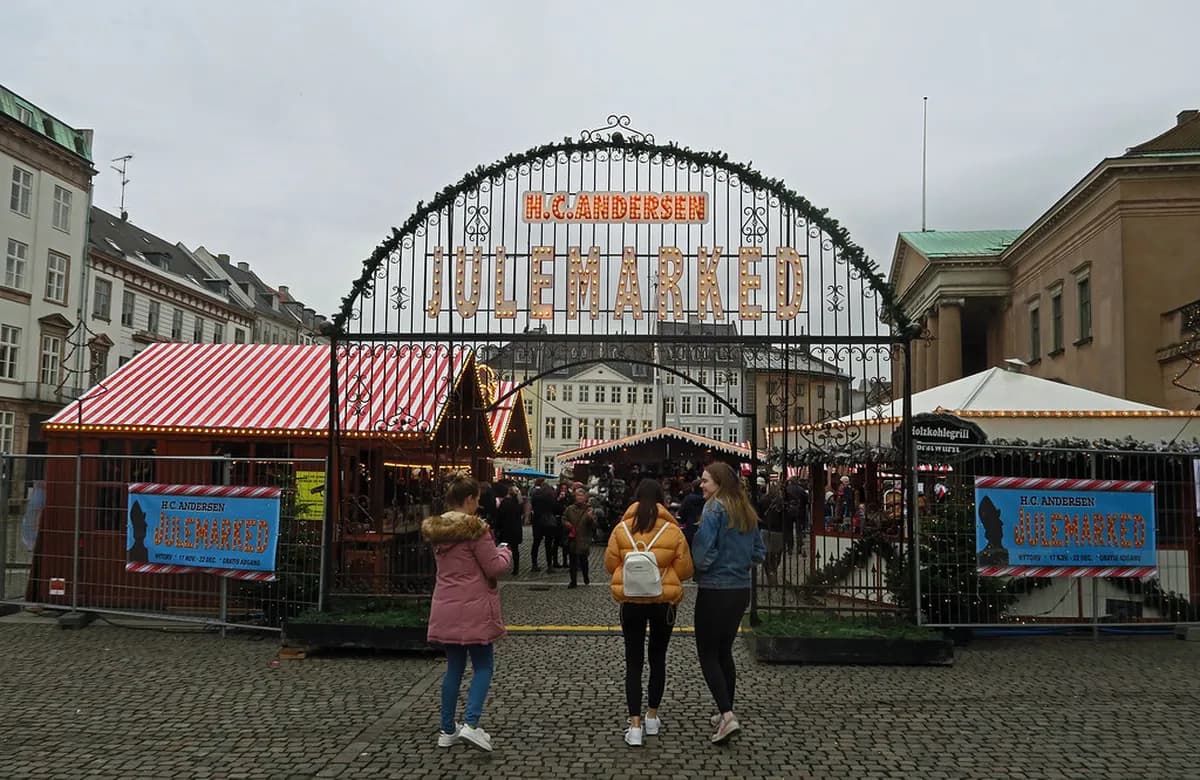
The Hans Christian Andersen Christmas Market at Nytorv is another major highlight. For 2026, this market is expected to welcome guests from mid-November through the days just before Christmas (in 2025 it ran November 14 through December 20); confirm with the official site. Stalls are themed after the author's fairy tales, and a large decorated Christmas tree with a photo tunnel sits at the center. Weekday hours run 11:00–19:00; Friday and Saturday extend to 21:00. The market at Kongens Nytorv (Copenhagen Winter Wonderland) shares Tivoli's dates — expected mid-November 2026 into early January 2027 (the 2025/2026 edition ran November 14, 2025 to January 4, 2026) — with the ice skating rink open daily from 10:00 to 21:00.
Top Christmas Markets in Copenhagen to Visit
Tivoli Gardens is the crown jewel of the city during the winter months. The historic amusement park features thousands of trees covered in frost and sparkling lights, plus full-scale restaurants, a food hall, and rides. You can browse high-quality Danish design items and traditional ornaments in the wooden huts. Most visitors consider the 220 DKK entry fee worth it for the sheer scale of the experience — and the Copenhagen City Card covers it entirely.

Nyhavn offers a picturesque setting with stalls lined up along the historic canal. The colorful 17th-century townhouses provide a stunning backdrop for sipping hot drinks. This market is particularly famous for its maritime atmosphere and typically runs from early November to a few days before Christmas (in 2025, November 4 to December 21). Pro tip: cross to the far side of the canal for the best photo angle of the stalls against the painted houses.
Højbro Plads sits right off Strøget, Copenhagen's main pedestrian street, making it easy to fold into a shopping afternoon. The market is adorned with 80,000 sparkling lights, reindeer, and Santa's sleigh. Food here leans festive and indulgent — potatoes smothered in raclette, churros, hot toddies, and a Nutella crepe station. Families appreciate the Santa meet-and-greet sessions running Thursday through Sunday.
Copenhagen Winter Wonderland at Kongens Nytorv is the market competitors rarely highlight in detail, but it deserves a dedicated visit. The centrepiece is a large track-style ice skating rink encircling the King Christian V statue — free to spectate and very popular with locals. Stalls here lean premium and design-forward, with Hotel d'Angleterre operating its own Christmas booth directly across the square. The hotel's elaborate outdoor decorations are a spectacle in their own right. The winter market portion runs Tuesday through Sunday from 15:00, with earlier opening on weekends.
Market Comparison at a Glance
All five main Copenhagen Christmas markets are within walking distance of each other. The furthest pair — Tivoli Gardens and Nyhavn — takes about 25–30 minutes on foot via Strøget, passing Højbro Plads and Kongens Nytorv along the way. A single afternoon is enough to visit all four open-air markets; budget a half-day for Tivoli alone if you want rides and a proper meal.
| Market | Typical Dates (confirm for 2026) | Entry | Best For |
|---|---|---|---|
| Tivoli Gardens | Nov 14 – Jan 4 | 220 DKK / ~34 USD | Spectacle, families, rides |
| Nyhavn | Nov 4 – Dec 21 | Free | Canal photos, casual browse |
| Højbro Plads | Nov 4 – Dec 21 | Free | Local vibe, street food |
| Kongens Nytorv | Nov 14 – Jan 4 | Free (skate hire extra) | Ice skating, design stalls |
| H.C. Andersen | Nov 14 – Dec 20 | Free | Families, fairy-tale theme |
The dates above reflect the markets' recurring annual windows; the official 2026 dates are usually confirmed in early autumn, so verify them on each venue's site before locking in travel plans. Crowds peak on Friday evenings and throughout weekends in December. Mid-week visits between Tuesday and Thursday offer shorter queues at Tivoli rides and easier browsing at Højbro Plads. If your trip falls in early November, you will catch the markets at their freshest — stalls are well-stocked and the city has not yet hit its tourist peak.
Must-Try Danish Christmas Foods and Drinks
No visit to the markets is complete without tasting Gløgg, a spiced mulled wine made with red wine, cardamom, cloves, and a pinch of orange peel. The Danish version typically includes raisins and almond slivers at the bottom of the cup, adding texture to each sip. Pair your drink with Æbleskiver — small, fluffy round pancake puffs served warm with jam and powdered sugar. These treats are a staple of the holiday season and appear at virtually every stall. A portion of five or six typically costs 45–65 DKK.
Savory lovers should seek out a flæskestegssandwich, which features slow-roasted pork with crackling on a crusty roll. The sandwich is typically topped with red cabbage and pickles for a balanced flavor. Expect to pay around 75–95 DKK for a hearty portion at most stalls. Pebernødder — small, spiced pepper cookies — make an excellent pocket snack and a lightweight souvenir to bring home.
For dessert, look for Risalamande, a cold rice pudding topped with warm cherry sauce that Danes eat on Christmas Eve. It is less common at outdoor market stalls but appears in nearby cafes and bakeries. Roasted almonds wrapped in caramelised sugar fill the air with a sweet aroma that defines the market atmosphere. Denmark is a nearly cashless society, so bring your contactless card — most market stalls prefer card payments even for a single cookie. Budget about 150–200 DKK per person for a main savory item, a sweet treat, and a festive drink.
How to Get Around Copenhagen During the Holidays
Copenhagen is a compact city that is best explored on foot or by public transport. The Metro runs 24/7 and connects the airport to the city center in about 15 minutes. A single ride costs approximately 24 DKK (around 3.50 USD) for most central zones. Walking from Tivoli Gardens to Nyhavn takes about 25 minutes via the decorated Strøget pedestrian street, passing all the other major markets en route — making it the ideal self-guided holiday walk.
The Copenhagen City Card is a valuable investment for those visiting multiple attractions. It covers unlimited public transport and entry to over 80 museums and sites, including Tivoli Gardens. Prices for the card start around 459 DKK for a 24-hour adult pass, making it cost-effective if you plan to use the metro more than twice and visit Tivoli. The card eliminates the need to queue at ticket counters, which saves meaningful time during busy weekends.
Rideshare services like Bolt and Uber are available in Copenhagen if you prefer door-to-door convenience. Cycling is popular with locals even in winter, and several rental operators near Central Station offer bikes by the hour. Note that most smaller museums and independent boutiques close early on December 24 and remain shut through December 26, so plan any non-market activities accordingly.
Unique Holiday Experiences: Santa Lucia and Winter Dips
The Santa Lucia kayak parade on December 13 is one of the most striking free events of the Copenhagen winter season. Hundreds of kayaks decorated with lights and evergreen branches paddle through the city canals at dusk. The best viewing spots are at Nyhavn and along the Højbro bridge near Christiansborg Palace. The parade typically departs around 17:00, so arrive 20 minutes early to secure a canal-side position.
Winter bathing is a deeply rooted local tradition that draws Copenhageners to the harbor even on the coldest mornings. The typical sequence is a brief cold plunge followed by a sauna session — the contrast is said to sharpen focus and lift mood. CopenHot, located on the waterfront near the Meatpacking District, offers outdoor hot tubs and saunas overlooking the harbor and is one of the most atmospheric spots in the city during December. Booking in advance online is necessary as sessions sell out, particularly on weekends.
For a less expected experience, the Meatpacking District Christmas market runs on select weekends and draws a younger, design-forward crowd. The stalls focus on local food producers and independent makers rather than tourist-facing souvenirs. It is a ten-minute walk from Tivoli Gardens and pairs well with a morning visit to the nearby meat hall food market.
Practical Planning: Budget, Language, and Packing
English is widely spoken across Denmark, so communication is rarely an issue for travelers. Learning basic Danish phrases like Tak (thank you) and Undskyld (excuse me) shows genuine respect and is almost universally appreciated by locals. Copenhagen is expensive compared to Southern Europe — budget 800 to 1,200 DKK per day to cover food and activities comfortably. If you are watching costs, the four free outdoor markets and the city's walkable layout mean you can have a full holiday day for the price of a few market snacks.
On payment, Denmark is one of the most cashless countries in the world. Nearly every stall — including the smallest food vendors — accepts contactless card payment. Carrying a card with no foreign transaction fees will save you money across dozens of small purchases over a multi-day visit. Most international Visa and Mastercard debit cards work seamlessly at all market stalls and metro kiosks.
What to Pack for Copenhagen in Winter
Packing correctly will determine how much time you can comfortably spend outdoors at the markets. The wind from the Baltic Sea can make the temperature feel significantly colder than the thermometer suggests, and damp air cuts through thin layers quickly. Focus on high-quality wool base layers and a windproof, waterproof outer shell for the best protection. Waterproof footwear with insulated soles is essential — winter rain is far more common in Copenhagen than heavy snow, and you will be standing on cold pavement for hours.
- Wool or synthetic thermal base layers — moisture-wicking fabrics keep you dry when moving between outdoor stalls and warm interiors
- Waterproof winter boots with insulated soles — prioritise ankle support for long cobblestone walks
- Beanie, gloves, and a thick scarf — wind chill near the canals and harbor drops the felt temperature considerably
- Smartphone-friendly gloves — cold weather drains batteries and bare hands in the cold make market browsing miserable
- A portable power bank — cold temperatures reduce phone battery life by 20–40%, particularly relevant if you are using maps and photography all day
Frequently Asked Questions
Is Copenhagen good for Christmas markets?
Copenhagen is excellent for Christmas markets because of its historic architecture and cozy atmosphere. You can visit several distinct markets within walking distance of the city center. The combination of Tivoli Gardens and the Nyhavn waterfront is world-class.
Is Tivoli Christmas market free?
Tivoli Christmas market is not free and requires a paid entrance ticket. The cost for adults is typically 220 DKK, which is about 34 USD. This fee covers park entry, but rides require separate tickets or a pass.
When do Christmas markets start in Copenhagen?
Most markets start in early to mid-November, specifically between November 4 and November 14. They usually run daily until just before Christmas Day. Tivoli is the only major market that often stays open until early January.
Visiting Copenhagen for more than one festival? See our complete guide to festivals and events in Copenhagen.
Copenhagen offers one of the most magical holiday experiences in Europe. By timing your visit between mid-November and mid-December, you can enjoy all the major markets. Remember to dress in warm layers and carry a contactless card for all your festive purchases. The city's unique blend of tradition and modern design makes it a top winter destination for 2026 and 2027.
Free guide: Europe's Festival Calendar
A month-by-month map of Europe's unmissable festivals — with the best dates to visit each and a local tip you won't find in the guidebooks.
You might also like


Continue reading
More guides you'll find useful