7 Best Places to Stay for the Bonfires of Sant Joan (2026)
Discover where to stay for the Bonfires of Sant Joan. From Alicante's statues to Barcelona's beach parties, we cover the best neighborhoods and booking tips.
On this page
7 Best Places to Stay for the Bonfires of Sant Joan
Last updated June 2026. Our editors have spent years navigating the smoke-filled streets of Alicante and the crowded sands of Barcelona to bring you this guide. The Bonfires of Sant Joan, or Hogueras, is a ritual of fire and water marking the summer solstice across the Mediterranean coast. Choosing where to stay for Bonfires of Sant Joan depends on whether you want organized parades or chaotic beach bonfires.
Finding accommodation during this peak period requires planning at least four to six months in advance. The main events take place on the night of June 23rd, known as the Nit de Sant Joan. We recommend staying within walking distance of the primary bonfire sites to avoid the gridlocked public transport after midnight. This guide breaks down the most strategic neighborhoods and cities to ensure you have a safe and spectacular solstice experience.
Free guide: Europe's Festival Calendar
A month-by-month map of Europe's unmissable festivals — with the best dates to visit each and a local tip you won't find in the guidebooks.
What is the Bonfires of Sant Joan Festival?
The Bonfires of Sant Joan celebrate the shortest night of the year through ancient pagan traditions. While the festival honors Saint John the Baptist, the core rituals focus on the purifying power of fire. Communities gather to burn old furniture or elaborate artistic statues to symbolize the casting away of bad luck. You will see locals jumping over small fires three, seven, or even nine times to ensure protection for the coming year.
Water plays an equally vital role, particularly in coastal cities like Alicante and Valencia. Tradition dictates that a midnight swim in the Mediterranean Sea will provide health and beauty throughout the year. Many participants also collect specific herbs, like thyme and rosemary, to hang over their doors for good fortune. These multisensory elements make it one of the best festivals in Spain for cultural immersion.
In Catalonia, the celebration is often called the Revetlla de Sant Joan and features intense pyrotechnics. The night is famous for its noise, as children and adults alike set off firecrackers until the sun rises. It is a public holiday on June 24th, meaning most shops and businesses will be closed for recovery. Understanding the bonfires of Sant Joan dates is crucial for planning your travel itinerary correctly.
7 Best Places to Stay for the Bonfires of Sant Joan
Selecting the right base for the festival can make or break your trip due to the extreme crowds. We have selected these locations based on their proximity to major bonfires and ease of access to public facilities. Each area offers a different vibe, from high-energy street parties to more traditional neighborhood gatherings. Expect accommodation prices to surge by 40% to 60% during the festival week compared to standard June rates.
Alicante remains the official home of the Hogueras, featuring massive statues similar to those found in Las Fallas. Barcelona offers a more decentralized experience where every neighborhood square hosts its own local flame. Smaller towns like San Sebastián provide a Basque twist on the solstice with traditional dancing and smaller fires. Consider your tolerance for noise and smoke when choosing between a beach-front hotel or a quiet inland apartment.
- The Casco Antiguo Bonfire Circuit (Alicante)
- The historic center of Alicante serves as the primary stage for the largest and most intricate artistic bonfires.
- Staying here puts you steps away from the nightly street parties and the massive Cremà burning on June 24th.
- Boutique hotels in this area typically cost between €150 and €290 per night during the peak festival dates.
- The central bonfires are free to view 24 hours a day, though the main burning events start at midnight.
- Pack earplugs because the Mascletà firecrackers at nearby Plaza de los Luceros reach deafening decibels every afternoon.
- The Gràcia Neighborhood Revetlla (Barcelona)
- Gràcia offers a more authentic and local Catalan experience compared to the tourist-heavy beaches of the city center.
- The narrow streets host communal dinners and small bonfires that feel intimate and community-focused rather than chaotic.
- Mid-range apartments in Gràcia average €130 to €210 per night, offering a better value than waterfront properties.
- Festivities here generally run from 20:00 on June 23rd until the early hours of the following morning.
- Visit the local bakeries to try the Coca de Sant Joan, a traditional sweet bread topped with candied fruit and pine nuts.
- The Malvarrosa Beach Bonfires (Valencia)
- Valencia's main city beach becomes a sea of thousands of small individual fires lit by groups of friends and families.
- It is the best choice for those who want to participate in the midnight sea-dipping ritual in a high-energy environment.
- Beachfront hotels are scarce and expensive, so look for rentals in the nearby Cabanyal district for €100 to €180 per night.
- The beach is open for bonfires all night, but the police typically begin clearing the sand around 04:00.
- Bring your own wood and supplies early in the afternoon to secure a spot before the crowds arrive at dusk.
- The Talamanca Beach Rituals (Ibiza)
- Ibiza Town provides a spiritual and upscale version of the festival with fire-walking ceremonies and live world music.
- Benirràs Beach is also a popular gathering point where locals drum, dance, and welcome the solstice together.
- Expect accommodation costs ranging from €260 to €520 per night in the Eivissa area during June.
- Most organized beach events are free to attend and begin around 21:00 on St John's Eve.
- Book a table at a beach chiringuito weeks in advance if you want to watch the fires while dining.
- The Postiguet Beach Firework Displays (Alicante)
- Postiguet Beach hosts the spectacular international firework competition that follows the main bonfire burnings for several nights.
- Staying in a high-floor hotel here provides a private balcony view of the pyrotechnics launched from the harbor.
- Prices for sea-view rooms can reach €330 per night, reflecting the prime location for the midnight displays.
- The fireworks usually begin at midnight and last for approximately 20 to 30 minutes each evening.
- Walk to the beach at least an hour early if you plan to watch from the sand to find a gap.
- The Poblenou Beach Celebration (Barcelona)
- Poblenou is the best alternative to the overcrowded Barceloneta beach, offering more space and a family-friendly atmosphere.
- The neighborhood maintains a village-like feel with its own Rambla that leads directly to the fire-lit shoreline.
- Modern hotels in this former industrial district cost roughly €140 to €230 per night during the solstice.
- Celebrations on the sand continue until dawn, with public transport running all night on June 23rd.
- Take the L4 metro line to Bogatell or Llacuna for the easiest access to the less-congested bonfire zones.
- The Zurriola Beach Solstice Fire (San Sebastián)
- San Sebastián offers a unique Basque cultural perspective with traditional dancing around a single massive fire on the beach.
- The atmosphere is slightly more reserved and artistic than the explosive celebrations found further south in Spain.
- Guesthouses in the Gros district near Zurriola beach typically range from €120 to €260 per night.
- The main fire lighting ceremony usually occurs at 22:00 on June 23rd following the local dance performances.
- Try the local txakoli sparkling wine and seasonal pintxos at the bars in Gros before heading down to the evening fire.
Alicante: The Heart of the Hogueras de San Juan
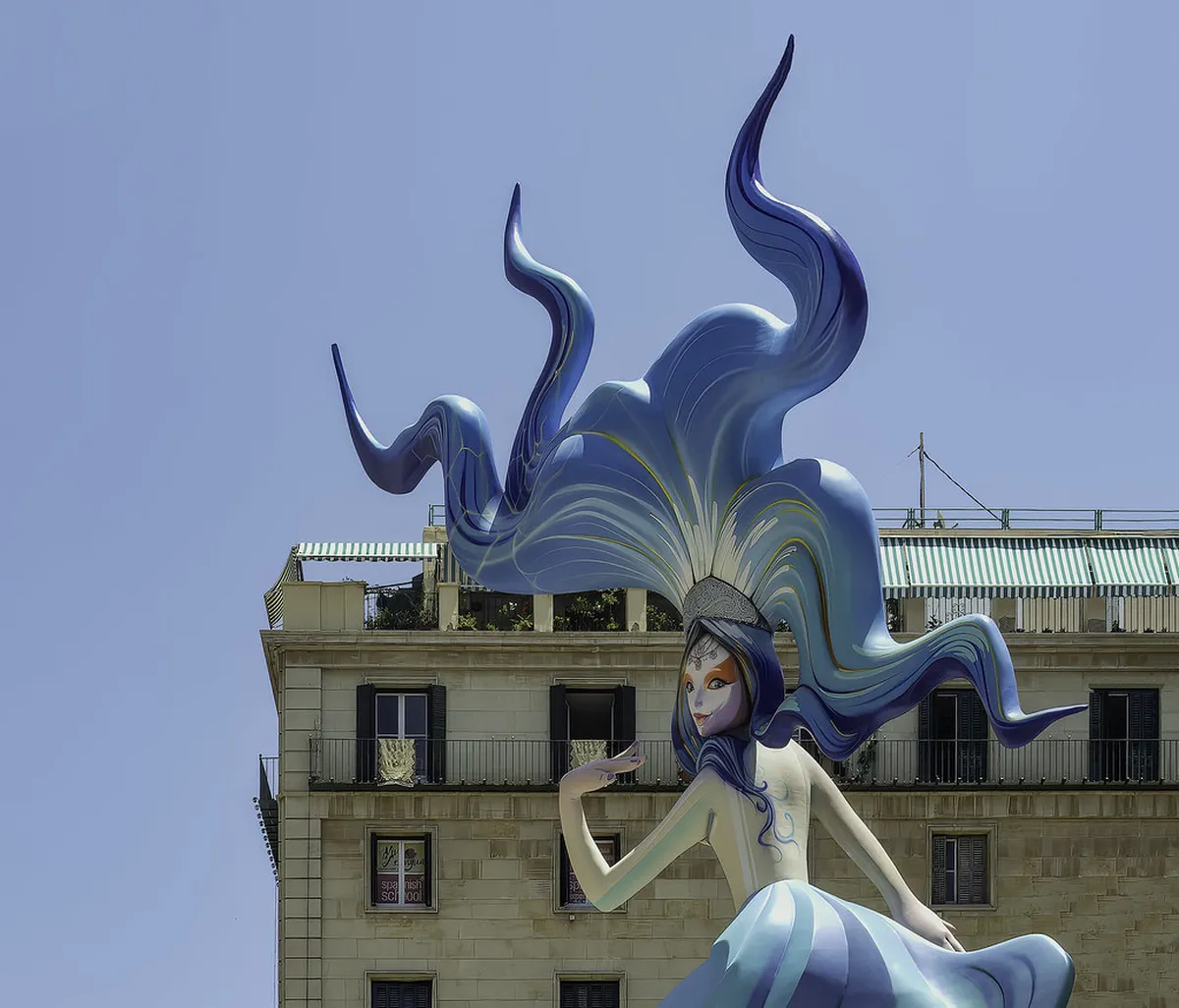
The festival in Alicante was formally constituted in 1928 to provide the city with its own major annual attraction. It has since grown into an event of international interest, drawing hundreds of thousands of visitors to the Costa Blanca. The city is divided into different districts, each competing to build the most impressive and satirical cardboard monument. According to the Spain.info - Alicante Bonfires guide, these structures can reach over 20 meters in height.
Daily pyrotechnic shows known as Mascletàs take place at 14:00 in the Plaza de los Luceros from June 19th. The rhythmic explosions are designed to be felt as much as heard, vibrating through the ground and the spectators' chests. We suggest arriving at the plaza at least 90 minutes early if you want a spot near the safety barriers. The climax occurs on the night of June 24th with the Cremà, where every bonfire in the city is systematically torched.
Firefighters use high-pressure hoses to control the heat and playfully soak the crowds in a tradition called the Banyà. This water relief is essential as the summer heat combined with the massive fires creates an intense local microclimate. Navigating the city during this time is easiest via the Alicante Tram, which connects the center to outlying beach areas. Review the how to get to Bonfires of Sant Joan guide for specific route maps and schedules.
The full Alicante festival runs from June 20th to June 29th, spanning the Postiguet and San Juan beaches. This nine-day structure means you have more flexibility in your travel dates than a single-night visit to Barcelona would require. If you can only attend one night, June 23rd is the emotional peak — but June 24th's Cremà is arguably the more visually spectacular finale. Book Alicante accommodation at least five months in advance, as properties within walking distance of the bonfire circuit sell out almost immediately after the previous year's festival ends.
Barcelona: Celebrating the Revetlla de Sant Joan
Barcelona celebrates the night with a decentralized series of parties known as the Revetlla de Sant Joan. One of the most symbolic events is the arrival of the Canigó Flame at the Plaça de Sant Jaume. The flame is lit at the summit of Mount Canigó in the French Pyrenees and carried by relay runners to light fires across Catalonia. As noted by Official Barcelona Culture - Canigó Flame, this tradition connects hundreds of villages through a single fire source.
Approximately 60,000 people gather on the beaches of Barceloneta alone on the night of June 23rd. The beach is the postcard version of the evening — bonfires along the shoreline, midnight swims, and fireworks over the sea. If you prefer space and a slightly more local feel, the beaches of Bogatell, Mar Bella, and Nova Icària are equally atmospheric and far less congested. All Barcelona city beaches prohibit open fires and fireworks directly on the sand; locals gather around the authorized bonfires set just above the waterline.
If you prefer to avoid the chaos of the beach entirely, the inland neighborhood squares offer a more traditional experience. Places like Plaça de la Virreina in Gràcia host around 60 neighborhood verbenas where residents bring tables into the street for communal dinners. The smell of gunpowder from firecrackers, or petards, fills the air from sunset until the following afternoon. Expect most local restaurants to be fully booked for dinner on the 23rd, so make your reservations at least two weeks in advance.
The traditional dessert for the evening is the Coca de Sant Joan, a flatbread that comes in sweet or savory varieties. Most locals pair this with a glass of chilled Cava to toast to the arrival of the summer season. Buy your coca on the morning of June 23rd — by the afternoon, bakeries across the city sell out completely. The 2026 Revetlla de Sant Joan falls on Tuesday night into Wednesday the 24th, which is a public holiday in Catalonia, so you can plan for a slow recovery day with most sights closed.
Valencia: Beach Bonfires and Mediterranean Vibes
Valencia's Sant Joan celebrations concentrate on the beaches of Malvarrosa and Las Arenas, where groups of friends and families stake out spots from late afternoon onward. The city is famous for its firework displays during the festival, which can last up to an hour and light up the harbor in neon colors. This makes Valencia a particularly strong choice for visitors who want a longer, more sustained firework spectacle than the shorter displays elsewhere. Staying in the Cabanyal district gives you a walkable route to both beaches without the inflated prices of seafront hotels.
The tradition of throwing flowers into the sea at midnight is especially prominent in Valencia. Locals also jump over the fires and share picnics in large groups, making the atmosphere more communal than the individual anonymity of a big city beach party. Accommodation in the city center runs €100 to €170 per night during the festival week, with beach-adjacent options commanding a premium. Book at least three months in advance for the best availability.
Ibiza: A Spiritual Solstice Celebration
Ibiza offers the most distinctive version of Sant Joan outside the mainland. Benirràs Beach — one of the island's most iconic coves — draws large crowds of drummers, dancers, and fire practitioners who gather to welcome the solstice with ritual rather than rave culture. This is a contrast to Ibiza's nightclub reputation: the Sant Joan celebration here leans toward the spiritual and communal, with traditional drumming sessions that continue well past midnight. The beach faces west, which means sunset on June 23rd provides a striking backdrop before the fires are lit.
Ibiza Town (Eivissa) also hosts its own smaller street celebrations, with bars and squares around the old walled city filling up from around 21:00. Accommodation across the island during this period ranges from €260 to €520 per night, reflecting the premium June pricing. If you are already booked into Ibiza for a summer holiday, adding the Sant Joan experience costs nothing beyond a taxi to Benirràs; if you are traveling specifically for the festival, package deals through Ibiza-based hotels often include transport to the beach.
Alternative Destinations: Almeria, Tenerife, and San Sebastián
Almeria stands out for a tradition found nowhere else in Spain: the Battle of the Flowers, where participants throw flowers at each other on the beach as a gesture of good luck. The festival also includes a peculiar local custom called the Bathing of the Goats, where people bring their animals to the sea at midnight for ritual protection. The beaches of Zapillo, La Garrofa, and San Miguel are the main gathering points. Almeria is significantly less crowded than the major cities, making it ideal for travelers who want participation over spectacle.
Tenerife provides a more relaxed southern Spanish take on the solstice. In the north of the island, Las Teresitas beach near Santa Cruz is the focal point; in the south, Playa Enramada offers a quieter setting. San Sebastián rounds out the alternatives with a distinctly Basque version of the celebration: a single large bonfire on Zurriola beach, traditional Basque dancing, and local cider or txakoli shared in groups. The atmosphere in San Sebastián is more reserved and artistic than the explosive noise of Alicante or Barcelona, making it a thoughtful choice for first-timers who want to experience the festival without sensory overload.
What to Bring for the Night of Sant Joan
Most guides focus on where to be, but what you carry matters just as much for a night that runs from sunset to sunrise. A light jacket or layer is essential — even on the warmest June night, the sea breeze off the Mediterranean drops the temperature noticeably after 02:00. Your swimming costume and a compact towel belong in your bag regardless of which city you choose, as the midnight sea swim is a tradition you will almost certainly want to join.
Earplugs are not optional for anyone with noise sensitivity. The petards (firecrackers) in Barcelona run continuously from around 19:00 until well past dawn, and the Mascletà explosions in Alicante are designed to be felt physically. Keep pets indoors or in soundproofed accommodation — the firecracker noise is severe enough to cause real distress. If you plan to make your own bonfire outside a city beach (where open fires are allowed, such as in smaller coastal towns), bring your own firewood, food, and bags for rubbish — Spain's beaches have faced major plastic-waste problems from this festival, and responsible cleanup is expected.
Cash is useful for beach chiringuitos and street vendors who may not have card readers at 02:00. A portable phone charger is worth its weight given how long the night runs. Finally, if you are heading to Alicante specifically, dark clothing that you do not mind getting ash on is a practical choice — the Cremà produces spectacular falling embers that leave a mark.
Essential Booking and Travel Tips for Sant Joan
Transport is the biggest challenge during the early hours of June 24th as thousands of people try to leave the beaches. Taxis are nearly impossible to hail between 03:00 and 06:00, and ride-sharing apps often have massive surge pricing. We recommend staying in a neighborhood where you can walk back to your accommodation without relying on vehicles. The Barcelona Metro runs continuously from the morning of June 23rd through the night of the 24th, providing a reliable escape route.
Our editors suggest skipping the Barceloneta beach if you are looking for anything other than a loud, crowded party. It is often cited as an overrated pick because the sand becomes extremely littered and the density of people is overwhelming. Instead, head to the Bogatell or Mar Bella beaches for a slightly more relaxed atmosphere with better personal space. This is a similar strategy we recommend for other major events like the best fiestas in Spain.
Noise sensitivity is a serious consideration for anyone traveling with pets or young children during Sant Joan. The firecrackers are constant and can be very loud, even in residential areas far from the main bonfires. If you need a quieter experience, consider staying in the hills of Sarrià or Horta in Barcelona, which are further from the coastal noise. Always check the cancellation policy for your hotel, as festival dates often have stricter non-refundable terms.
The 24th is a public holiday across most of Spain. Plan your checkout date accordingly — most tourist sights, museums, and many restaurants will be closed. If you have an early flight on the 24th, confirm taxi or shuttle availability in advance, as driver supply is reduced by the all-night festivities. The smartest move is to build in a recovery day and depart on the 25th when normal service resumes.
Frequently Asked Questions
Is the San Juan festival family-friendly?
Yes, but it depends on the location. Neighborhood celebrations in Gràcia or Poblenou are great for families, while the main city beaches can be too chaotic and loud for small children after midnight.
What is the difference between Sant Joan in Barcelona and Alicante?
Alicante features massive artistic statues and organized parades similar to a museum exhibition. Barcelona is more decentralized, focusing on neighborhood street parties, firecrackers, and individual beach bonfires.
Do I need tickets for the Bonfires of Sant Joan?
No tickets are required for the main street bonfires or beach celebrations as they are public events. However, some private beach clubs and rooftop bars host ticketed parties with views of the fireworks.
The Bonfires of Sant Joan offer a spectacular window into the soul of Mediterranean summer traditions. Whether you choose the artistic grandeur of Alicante or the local charm of a Barcelona neighborhood, the experience is unforgettable. Remember to book your accommodation early and prepare for a night where the sun never truly seems to set.
Free guide: Europe's Festival Calendar
A month-by-month map of Europe's unmissable festivals — with the best dates to visit each and a local tip you won't find in the guidebooks.
You might also like


Continue reading
More guides you'll find useful