
Keukenhof Tulips Guide: 10 Essential Tips for Your 2026 Visit
Plan your trip with our Keukenhof tulips guide. Includes 2026 opening dates, ticket prices, transport from Amsterdam, and tips to avoid the crowds.
On this page
Keukenhof Tulips Guide: 10 Essential Tips for Your 2026 Visit
Visiting the Netherlands in spring means seeing the most famous flower garden in the entire world. This Keukenhof tulips guide helps you plan every detail for a perfect trip to the Lisse region. You will find millions of blooming bulbs across 32 hectares of historic and colorful parkland.
The park showcases the incredible skill of Dutch horticulturists who plant every single bulb by hand. Travelers from across the globe gather here to witness the spectacular colors of the Bollenstreek area. Walking through these manicured paths offers a sensory experience unlike any other botanical garden in Europe.
Free guide: Europe's Festival Calendar
A month-by-month map of Europe's unmissable festivals — with the best dates to visit each and a local tip you won't find in the guidebooks.
Must-See Keukenhof Attractions and Pavilions
The historic windmill dates back to 1892 and offers a stunning vantage point over the nearby flower fields. Climbing to the top provides the perfect opportunity for panoramic photos of the vibrant Dutch landscape. This area remains one of the most popular spots for visitors to capture classic Dutch scenery — arrive right at 08:00 to beat the queue.
Six indoor pavilions are each named after members of the Dutch royal family and host rotating floral exhibitions that change throughout the spring season. The Willem-Alexander Pavilion is the largest and displays over 500 tulip varieties alongside amaryllis and hydrangeas. The Oranje Nassau Pavilion is the first you encounter after the main entrance and typically features weekly themed displays with good photo opportunities.
The Beatrix Pavilion usually houses the orchid and anthurium show, though in recent seasons that exhibition has moved to the Juliana Pavilion — check keukenhof.nl before visiting to confirm the current layout. The Juliana Pavilion has in the past held the history-of-Keukenhof exhibition, which is genuinely worth 20 minutes. The Irene and Wilhelmina pavilions focus on dining and gift shops but the lake views from Wilhelmina make them worth a stop.
Beyond the pavilions, look for the annual flower mosaic between the main entrance and Oranje Nassau, the historical walled garden near the canal, and the decorative sculptures that rotate every season. The stepping stones on the main lake are always crowded but offer one of the most photographed perspectives in the gardens.
The History of Keukenhof: From Kitchen Garden to Icon
The name Keukenhof translates to 'Kitchen Garden' because the estate originally supplied herbs and produce for the castle kitchen at Teylingen, which dates to the 13th century. In 1641 the property passed to Adriaen Maertensz Block, governor of the Dutch East India Company, who built the manor now known as Kasteel Keukenhof. The castle sits just southwest of the current gardens and remains a privately managed estate open to visitors throughout the year.
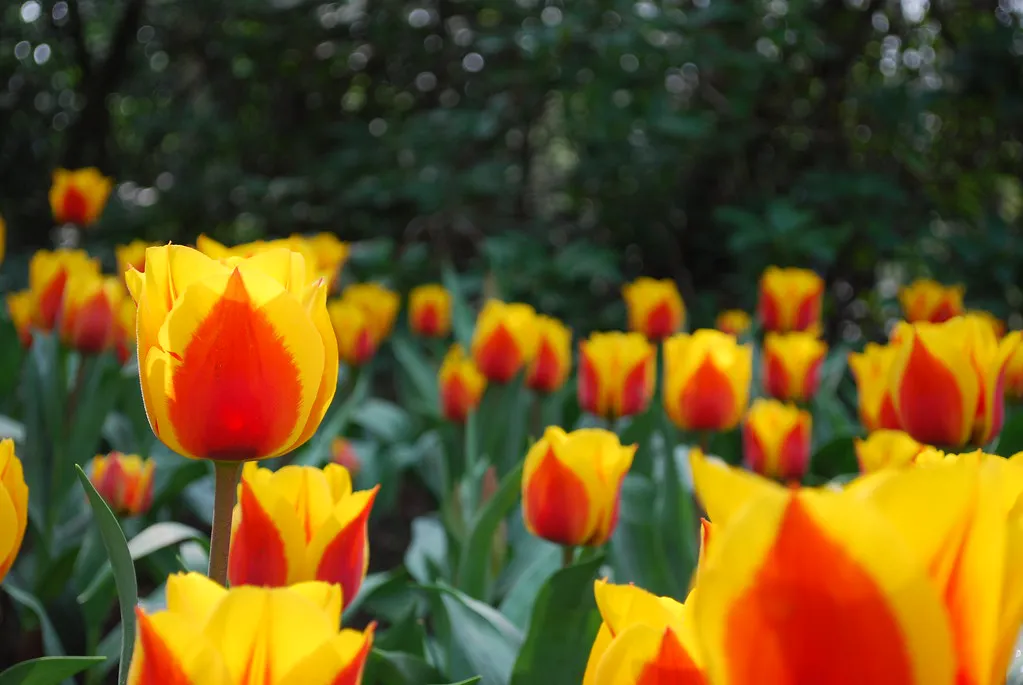
Landscape architects David Zocher and his son Louis Zocher redesigned the grounds in 1857 in the English landscape style. They are the same designers responsible for Vondelpark in Amsterdam. Their system of winding paths and interconnected water features forms the bones of the layout visitors still navigate today.
The first open-air flower exhibition took place in 1949 to promote the Dutch bulb export industry, with the park opening formally to the public in 1950, when it welcomed 200,000 visitors. It now exceeds one million visitors in its eight-week window each spring. Learning about this heritage adds a deeper layer of appreciation to your flower garden tour.
How the Gardens Stay in Bloom: The Lasagne Planting Method
Every September, a team of 40 gardeners begins planting seven million bulbs by hand across the 32-hectare site. The planting season runs from October through early December. Those bulbs are donated by more than 100 Dutch growers, each contributing their own varieties to the display.
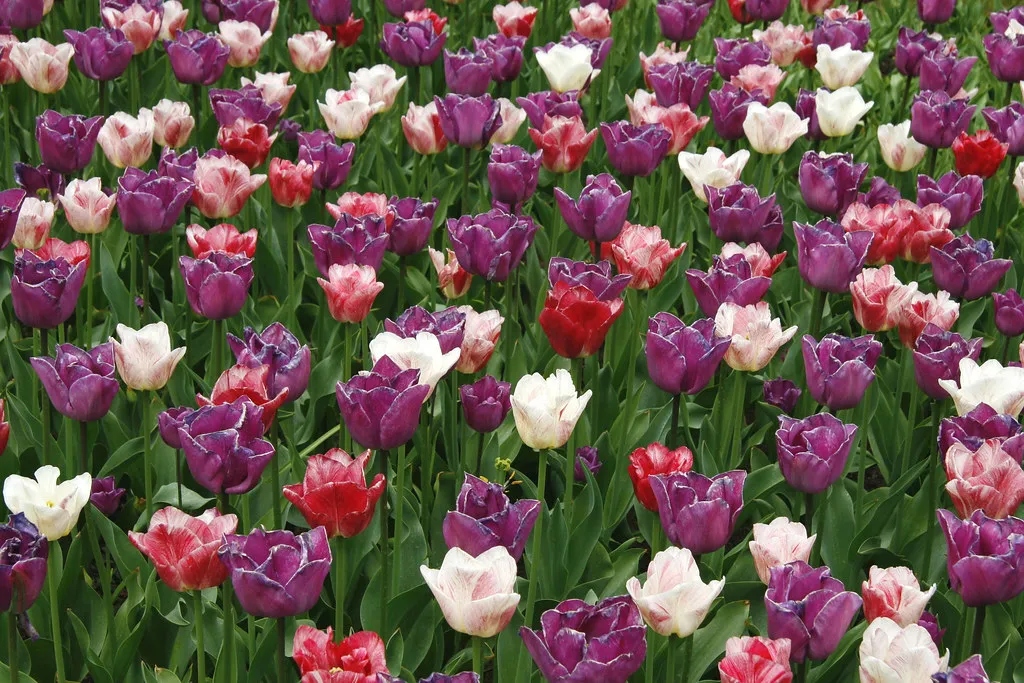
The key technique that keeps Keukenhof in flower from mid-March all the way to mid-May is called lasagne planting. Gardeners layer multiple bulb species at different depths in the same bed, much like stacking pasta sheets. Early bloomers like crocuses and hyacinths sit near the surface; deep-rooted tulip and lily bulbs sit below them. As each layer finishes, the next emerges — so the display is never bare.
What this means practically for visitors is that there is genuinely no bad week to visit. Early-season guests (mid- to late March) see crocuses, daffodils, and cherry blossoms. Mid-April visitors see the tulips at their most intense. Early May visitors see late-flowering varieties and lush greenery. The park looks different every two weeks, which is why many visitors return annually.
2026 Opening Dates and Daily Operating Hours
Planning your visit requires checking the specific calendar dates because the park only opens for eight weeks. The 2026 season officially runs from Thursday, March 19 until Sunday, May 10 for all visitors. Knowing when to visit Keukenhof is the most important part of your spring itinerary.
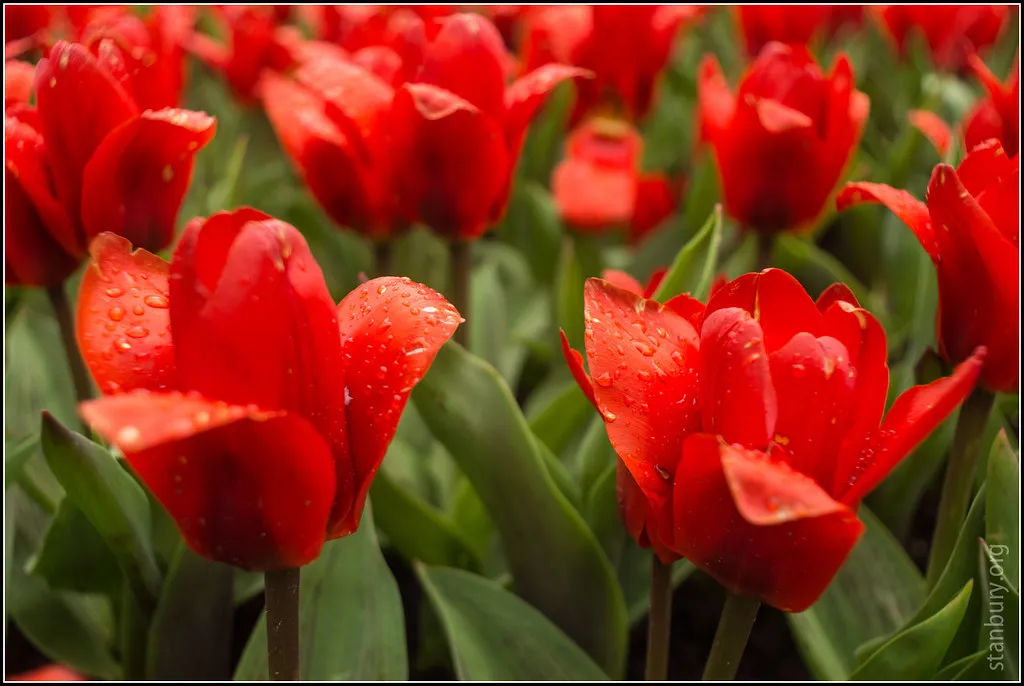
The gates open every morning at 08:00 to welcome the first wave of eager flower enthusiasts. You can stay in the gardens until 19:30 when the park staff begins the daily closing procedures. Arriving early allows you to beat the large tour groups that typically arrive by mid-morning.
The light during the early morning and late afternoon provides the best conditions for high-quality photography. Evening visits offer a more peaceful atmosphere as the daytime crowds return to their hotels in Amsterdam. Always check the Keukenhof Official Site for any last-minute changes to the operating schedule.
Ticket Prices and Booking Information for 2026
Tickets for the 2026 season must be purchased online in advance to guarantee your entry to the park. The park uses a time-slot system to manage the flow of people and ensure a comfortable experience. Adult tickets cost €21 while children between the ages of 4 and 17 pay a reduced rate of €10. Children aged three and under enter free. Group tickets for parties of 20–200 people are priced at €20.50 per person.
Booking early is essential if you plan to visit during the busy Easter weekend or the King's Day holiday. You can easily show your digital ticket on a smartphone at the entrance gate for quick scanning. Check out our guide on Keukenhof tickets for more details on the reservation process. Note that all food and drink outlets inside the park are card-only; bring no cash for those purchases.
If you are driving, you must also purchase a parking permit for €9 per day. The car park closes at 19:30, in line with the gardens. Pre-book online if possible; the lot fills fast during peak April weekends.
Transportation Guide: Getting from Amsterdam to Lisse
Getting to Lisse is very convenient thanks to the specialized Keukenhof Express bus services from major hubs. Bus 852 departs directly from Amsterdam Europaplein station (a 15-minute metro ride from Amsterdam Centraal). Bus 858 departs frequently from Schiphol Airport plaza and takes around 30 minutes to reach the gardens.
The Combi-ticket is the most cost-effective option for most visitors traveling without a car. It bundles your park entry (€21) with return bus travel in a single booking, typically saving a few euros over buying separately. Groups of three or more arriving by car pay €9 for all-day parking split among them — at that point driving is cheaper, but the Combi-ticket eliminates parking stress entirely during busy April weekends when the car park can fill by 10:00.
Travelers staying in nearby Haarlem or Leiden have direct bus connections to the garden entrance and generally reach Keukenhof in under 30 minutes. The journey from central Amsterdam by bus takes 45–60 minutes. Use 9292.nl to plan exact travel times from any Dutch departure point. If you want to combine the visit with a tulip field cycle, you can rent bikes directly at the Keukenhof car park — the surrounding roads are flat and well-signposted.
Exploring the Surrounding Tulip Fields (Lisse Area)
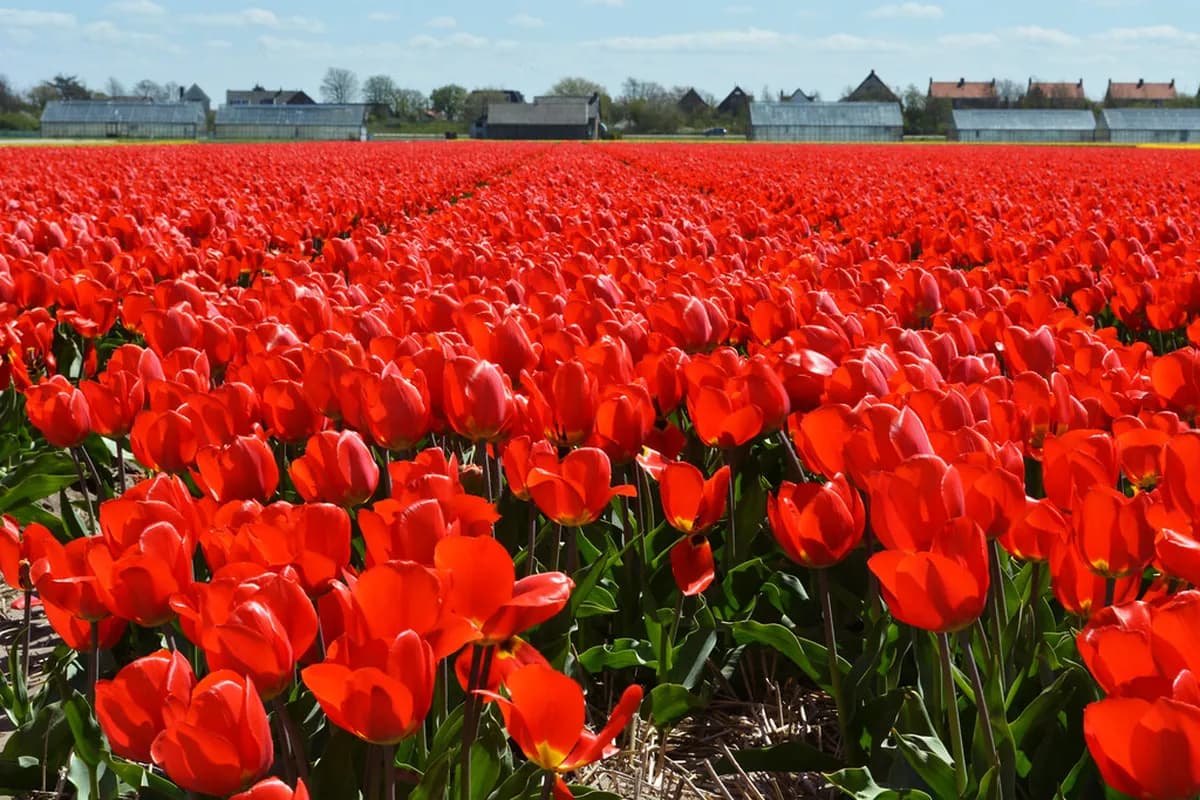
The beauty of the Dutch spring extends far beyond the fenced borders of the official Keukenhof park. The surrounding Bollenstreek region is filled with commercial flower fields that stretch toward the distant horizon. You can find many more tulip fields in the Netherlands by exploring the local Lisse countryside.
Renting a bicycle is the most authentic way to see these colorful rows of tulips and hyacinths. Several rental shops are located right next to the main entrance of the gardens for your convenience. Cycling allows you to stop at small farm stands and buy fresh flowers directly from the local growers. If you prefer guided sightseeing, a Whisper Boat cruise departs from behind the windmill and circles the outside of the park along the tulip fields — it costs an additional fee and queues build quickly, so secure your spot early in the day.
Please remember that these fields are private property and you must never walk between the flower rows. Walking in the fields can damage the bulbs and spread diseases that hurt the farmers' livelihoods. Always take your photos from the edge of the road to respect the hard work of the growers.
Kasteel Keukenhof: The Free Visit Next Door
Directly across the road from the gardens stands Kasteel Keukenhof, the 17th-century manor house built by Adriaen Maertensz Block. Unlike the main park, Castle Keukenhof and its gardens are open year-round and the castle grounds are free to visit. This makes it a natural add-on if you arrive early and have time before the park gates open, or if you want a quieter finish to a busy day.
The castle hosts a dahlia festival every summer, well after Keukenhof's spring season closes. On the grounds you will also find a petting zoo — a useful stop if you are traveling with young children who need a break from walking between flower beds. For a sit-down meal beyond the park's own pavilions, Restaurant de Hofboerderij at the castle serves coffee, cakes, and light lunches in a considerably calmer environment than the Keukenhof restaurants at peak times.
Strategic Timing: How to Avoid the Crowds
Keukenhof is a world-class attraction that can become very crowded during the peak of the spring season. The busiest times are usually between 11:00 and 15:00 when most tour buses arrive. Planning your arrival for exactly 08:00 gives you about two hours of relative peace and quiet.
Mid-week visits on Tuesday or Wednesday are generally much calmer than visiting on a busy Saturday or Sunday. If you can only visit on a weekend, try to arrive after 16:00 for a shorter but quieter trip — the lines for the pavilions are much shorter in late afternoon and the light is better for photography. The further you walk from the two main entrances, the fewer people you encounter; the windmill and lake stepping-stones are always the most congested spots.
The middle of April is widely considered the best time to see the largest variety of tulips in bloom. Early March visitors will see more crocuses and daffodils while May visitors see the late-blooming varieties. Thanks to the lasagne planting method, there are always flowers across the entire 32 hectares regardless of which week you arrive.
Photography at Keukenhof: What to Know Before You Shoot
Drones are prohibited inside the Keukenhof grounds. The park enforces this rule to protect visitor privacy and to preserve the atmosphere of the gardens — attempting to fly one will result in confiscation and removal. Any aerial photography requires prior written permission from park management, which is not granted to individual visitors.
Tripods are technically allowed but become impractical in crowded conditions between 10:00 and 15:00. If you plan to use a tripod for long-exposure or macro work, arrive at opening time (08:00) or stay until the final hour before 19:30 when paths are far less congested. The pavilions offer sheltered light for close-up flower photography on overcast days, which are common in Dutch spring.
For the best natural shots, avoid the stepping-stones on the main lake during peak hours — they are genuinely impossible to photograph without other visitors in frame. Instead, walk deeper into the northwestern and southwestern corners of the park, which see a fraction of the foot traffic near the entrances. Checking current social media tags for Keukenhof before your visit gives real-time information on which beds are at peak bloom and which sections are still coming in.
Family-Friendly Highlights: Miffy Shop and Petting Zoo
Children will love visiting the Nijntje Shop near the Willem-Alexander Pavilion, which is dedicated to the famous Dutch rabbit known as Miffy. The park features a Miffy-themed playground where younger kids can burn off energy between garden walks. This makes the gardens a great destination for families who want to balance nature and play.
The petting zoo is another highlight where children can interact with friendly goats, sheep, and pigs. There is also a fun hedge maze that provides a lighthearted challenge for visitors of all ages. Keukenhof also offers scavenger hunts available from the entrances to keep children engaged throughout a full day of exploring. Live music performances and seasonal events (including stiltwalkers and classical concerts on themed weekends) run throughout the eight-week season.
Dining at Keukenhof: Restaurants and Picnic Spots
There are several large restaurants located within the various pavilions that offer a range of hot meals. You can find traditional Dutch snacks like poffertjes (mini pancakes), stroopwafels, apple pie, and fresh strawberries with cream at small stands throughout the park. All food and drink outlets inside the park are cashless — card payment only.
Many visitors choose to bring their own food and enjoy a picnic in the designated meadow areas. The picnic spots offer a relaxing place to sit down while surrounded by millions of colorful flowers. Bringing your own water and snacks is a great way to save money during your day trip. If you want a proper restaurant meal away from park prices, Restaurant de Hofboerderij at Kasteel Keukenhof across the road is a quieter alternative serving coffee, cakes, and light bites.
Planning Tools: Digital Guide vs. Free Park Map
The Holland Digital Guides app offers detailed information about different flower varieties and pavilion history for €7.50. It is worth the fee if you want in-depth botanical context or audio stories while you walk. For most visitors who simply want to navigate efficiently and find key landmarks, the free paper map at the information desk near the entrance is sufficient.
The €7.50 app does have one clear advantage: real-time bloom spotlights that tell you which specific garden sections are currently at peak color. If you are visiting in early March or late April — when the lasagne planting means some layers are ahead of others — this guidance helps you prioritize. If you are visiting in mid-April at peak season, the free map is adequate because virtually everything is in bloom simultaneously.
Compare this experience to other flower fields in Europe to see why Keukenhof is so unique. No other public garden in Europe coordinates seven million bulbs across 800 tulip varieties with this level of seasonal precision.
Frequently Asked Questions
What is the best month to see tulips at Keukenhof?
Mid-April is generally the best time to see the tulips at their peak. While the park is open from March to May, the middle of the season offers the most reliable full blooms. You can find more details in our guide on when to visit the gardens.
How much time do you need at Keukenhof?
Most visitors spend between 3 and 5 hours exploring the various gardens and pavilions. If you plan to take many photos or enjoy a meal, you should allow for a full day. This gives you enough time to see the windmill and the surrounding fields too.
Can you visit the tulip fields around Keukenhof for free?
Yes, you can see many tulip fields from the public roads in Lisse for free. However, you must stay on the paths and never enter the private fields without permission. Renting a bike is the most popular way to view these commercial blooms safely.
Is the Keukenhof digital guide worth the price?
The €7.50 digital guide is worth it for travelers who want in-depth botanical information and audio stories. If you only need basic navigation, the free paper map provided at the entrance is usually sufficient. The app does offer great real-time updates on the best blooming spots.
A trip to Keukenhof is a bucket-list experience that every nature lover should enjoy at least once. With 7 million bulbs and decades of history, it remains the gold standard for floral exhibitions. Use this Keukenhof tulips guide to ensure your 2026 visit is smooth and full of color.
Remember to book your tickets early and consider arriving at opening time to beat the crowds. Exploring the surrounding Lisse area by bike and stopping at Kasteel Keukenhof will complete your quintessential Dutch spring experience. We hope you enjoy the incredible sights and scents of the world's most beautiful spring garden.
Free guide: Europe's Festival Calendar
A month-by-month map of Europe's unmissable festivals — with the best dates to visit each and a local tip you won't find in the guidebooks.
You might also like

Continue reading
More guides you'll find useful


