7 Best Areas and Tips for the Bordeaux Wine Festival
Discover where to stay for the Bordeaux Wine Festival. From luxury city hotels in the Golden Triangle to vineyard stays in Saint-Émilion and Médoc.
On this page
7 Best Areas and Tips for the Bordeaux Wine Festival
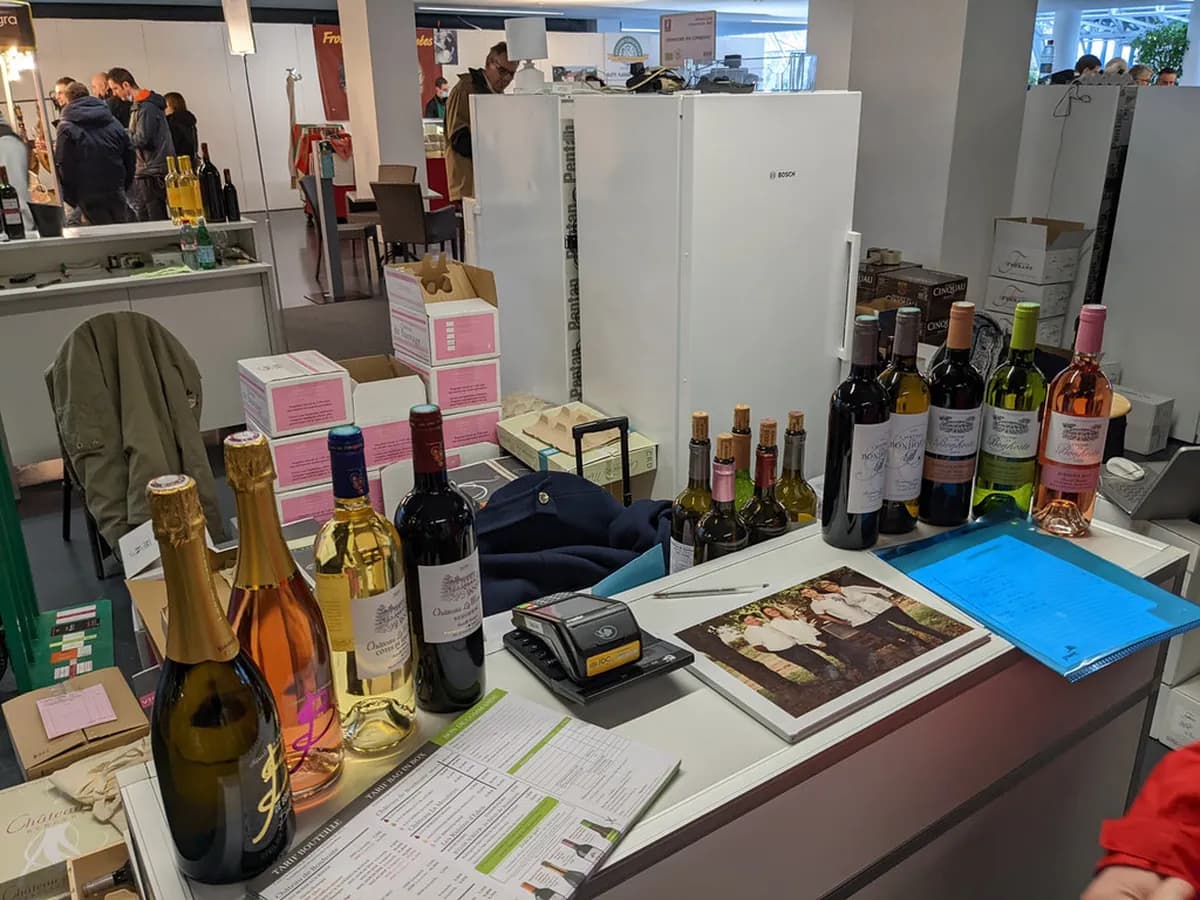
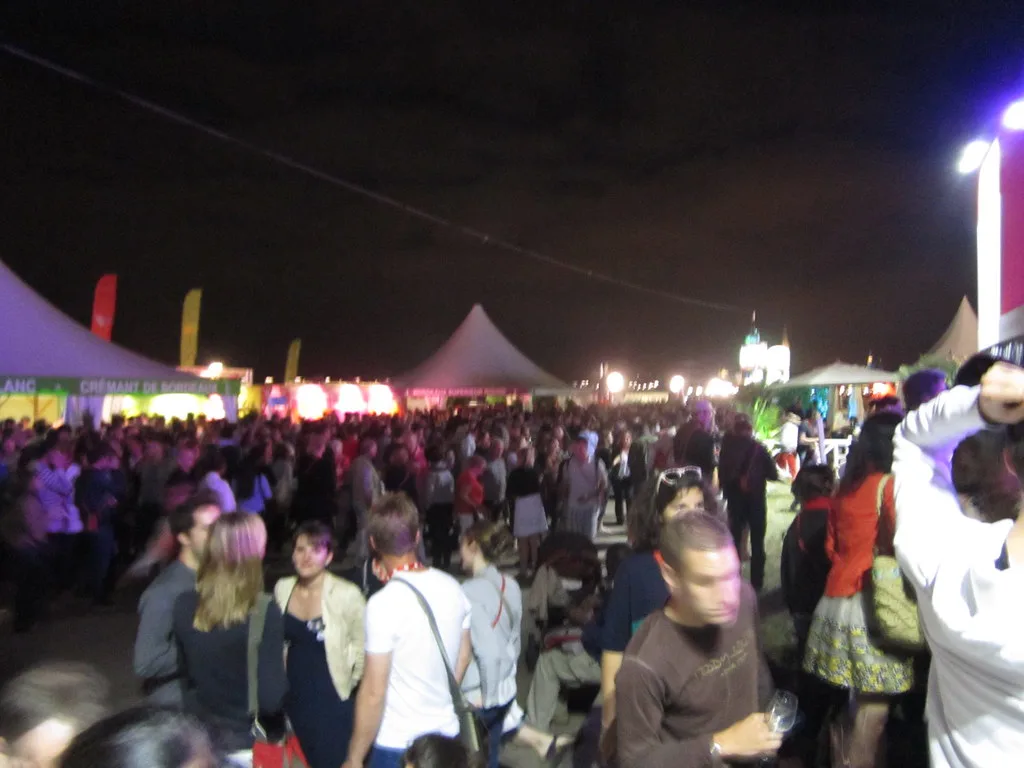
Finding the perfect spot for where to stay for Bordeaux Wine Festival depends on your travel goals. This massive celebration takes place along the scenic Garonne River banks in the historic city center, with the main tasting pavilions concentrated around the Place des Quinconces and the nearby waterfront quays. Deciding between a central urban hotel and a quiet vineyard estate will define your entire trip.
Bordeaux is a stunning UNESCO World Heritage site that offers incredible architecture and world-class dining. The city becomes extremely crowded during the festival in late June 2026, and many travelers wonder is Bordeaux Wine Festival worth it given the premium rates. Planning accommodation at least six to nine months in advance is the single most effective move you can make.
The local tram system makes moving between different neighborhoods efficient and affordable for all visitors. Staying near a tram line can save you significant time when traveling to the tasting pavilions. You might prefer the luxury of the Golden Triangle or the rustic charm of Saint-Émilion. This guide covers all seven key areas and the logistics you need to choose wisely.
Free guide: Europe's Festival Calendar
A month-by-month map of Europe's unmissable festivals — with the best dates to visit each and a local tip you won't find in the guidebooks.
The Golden Triangle: Luxury at the Heart of the Festival
The Golden Triangle is the most prestigious district in Bordeaux for high-end travelers. This area is bounded by the Cours de l'Intendance, Cours Georges Clemenceau, and Allées de Tourny, and features the city's most elegant 18th-century architecture. Staying here puts you within a five-minute walk of the Place des Quinconces festival hub. Luxury boutiques and Michelin-starred restaurants line every street in this upscale neighborhood.
Le Grand Hotel de Bordeaux — the InterContinental — sits directly across from the historic Bordeaux Opera House. This iconic five-star property offers an atmosphere that matches the sophistication of the festival's grand cru pavilions. Guests can walk to the main tasting marquees without using public transport at all. La Grande Maison, a smaller six-room luxury hotel helmed by chef Pierre Gagnaire, is another standout option nearby and offers some of the best dining in the city.
Prices during the festival period can reach double or triple the standard nightly rate for this zone. Availability disappears within days of the official festival dates being announced, which typically happens in autumn of the preceding year. Booking a refundable rate early and then monitoring price drops is the safest strategy. The walkable access to the riverfront pavilions remains the single biggest practical advantage of this neighborhood.
- InterContinental Bordeaux - Le Grand Hotel sits directly opposite the Opera House on Place de la Comédie and remains the closest five-star property to the festival grounds.
- La Grande Maison is a six-room boutique hotel with a Pierre Gagnaire restaurant, ideal for travelers who want a quiet luxury base with exceptional dining.
- Marty Hotel, a Hilton Tapestry Collection property, offers a reliable mid-to-high option in the same central zone at slightly lower festival rates.
Chartrons: Staying in the Historic Wine District
Chartrons served as the commercial engine of the Bordeaux wine trade for three centuries, and today old négociant warehouses have been converted into boutique hotels, antique galleries, and wine bars. The district runs along the Garonne north of the city center, connected to the festival hub by a flat, well-lit riverside promenade. It offers a more local feel while remaining within easy reach of the tasting pavilions at the Quinconces.
The Mondrian Bordeaux Hotel de Carmes is the design flagship of this neighborhood. Philippe Starck-designed, it features 97 rooms and an elegant Japanese restaurant, and its four-star status comes at a slightly lower price point than the five-star options in the Golden Triangle. The Hôtel Seeko'o, an avant-garde white cube on the Quai de Bacalan, is another distinctive choice with rooms starting from around €150 per night during shoulder periods and rising sharply in June. Eco-minded travelers can also consider the Ecolodge des Chartrons, a well-placed B&B with green credentials.
Tram Lines B and C run through Chartrons and stop at Quinconces — the single most useful stop during the festival — every four to six minutes during peak hours. The ride from Chartrons to the festival hub takes roughly seven to ten minutes and costs about €1.80 per journey, or less with a multi-day TBM pass. The Cité du Vin wine museum is also located just fifteen minutes north on foot, giving visitors an easy half-day complement to the festival program. For anyone who wants character, wine history, and convenient access without paying Golden Triangle rates, Chartrons is the best all-round choice.
Gare Saint-Jean: Convenient Access for Regional Tastings
Staying near Gare Saint-Jean is the smartest logistical choice for travelers who plan to combine the city festival with day trips into the surrounding wine regions. The main train station provides rapid TER connections to Saint-Émilion (35 minutes), Arcachon (45 minutes), and the Médoc appellations. A significant investment in the Euratlantique urban renewal project has transformed the station district in recent years, adding contemporary hotels, cafes, and a more welcoming streetscape. It is a practical hub for anyone following a detailed how to get to Bordeaux Wine Festival guide.
Tram Line C connects the station directly to the Quinconces festival hub in under ten minutes. The line runs until around 01:00 during the festival, which is useful when fireworks shows end late. Budget-conscious travelers will find the widest selection of mid-range and affordable hotel chains here, including the Hilton Garden Inn Bordeaux Centre, Novotel, and Ibis brands. Airport shuttles from Mérignac also terminate at the station every thirty minutes, making arrival and departure seamless.
The district still lacks the visual charm of the historic center and Chartrons. However, for travelers prioritizing flexibility over atmosphere, the combination of train access, tram links, and lower hotel rates makes Gare Saint-Jean a genuinely strong option. If you intend to leave Bordeaux for vineyard visits on most days of the festival, basing yourself here will save both time and money compared with the city center.
Saint-Émilion & The Right Bank: Iconic Vineyard Stays
Saint-Émilion offers a magical experience for those who want to base themselves among the vines. This medieval hilltop village is a UNESCO World Heritage site famous for its monolithic church and world-class Merlot-based wines. Staying on the Right Bank provides a peaceful escape from the busy festival crowds, and the scenic contrast with the city festival is part of the appeal. Château Bernateau, a family-owned property in Saint-Etienne-de-Lisse just five minutes from the village center, offers vineyard accommodation from around €6 per adult for tastings, with overnight stays available on estate.
The journey to the Bordeaux city festival takes approximately 45 to 60 minutes each way. Regional TER trains run regularly between the Saint-Émilion station and Bordeaux Gare Saint-Jean, and the fare is low enough to make the daily commute financially reasonable. Visitors can enjoy morning vineyard tours before heading in to the city for festival events. L'Arbe Rouge, located twenty minutes from Saint-Émilion with views over the Dordogne river, is another well-regarded stay for those wanting to combine Right Bank wine exploration with festival attendance.
The ultra-luxury benchmark here is the Hôtel de Pavie in the village center, a five-star property with a Michelin-starred restaurant and views over the medieval rooftops. More affordable village options include Logis de la Cadène and La Porte Brunet. Booking a rental car is recommended if you choose to base yourself in this rural area, particularly for visiting estates that are not served by the train. The experience of waking up to vine-covered hills is unlike anything the city center offers, but be realistic about the daily commute if you want to attend the festival every day.
The Médoc: Staying Among the Grand Cru Classé Estates
The Médoc peninsula is home to some of the most famous wine labels in the world, from Margaux to Pauillac and Saint-Estèphe. Staying here allows you to explore the legendary Route des Châteaux at your own pace rather than on a day-trip schedule. Château Lamothe Bergeron sits perfectly nestled between the Margaux and Saint-Julien appellations, offering an immersive estate experience in a restored 19th-century building. Cordeillan-Bages in Pauillac — a Relais & Châteaux property — is the prestige choice for luxury travelers who want both gastronomy and vineyard surroundings.
Travel times to the festival hub in Bordeaux range from 45 to 75 minutes depending on which part of the Médoc you are staying in. The drive along the D2 Route des Châteaux is beautiful but requires a designated driver or pre-arranged private transfer. Several estates offer high-end guest rooms with views over manicured vine rows, and La Maison d'Estournel in Saint-Estèphe — owned by the Cos d'Estournel estate — is one of the most architecturally striking boutique hotels in the region. The Golf du Médoc Hotel et Spa MGallery, closer to Blanquefort, provides a resort-style alternative with shuttle access toward the city.
Visitors who stay in the Médoc should plan for early morning starts if they intend to attend festival events in the city daily. Local restaurants in Pauillac and Margaux serve traditional Aquitaine cuisine paired with appellation wines, which can be a reward in itself after a day at the festival. Consider the Médoc primarily if you are more interested in château visits than in attending the city festival every single day. A rental car is essentially mandatory here.
Pessac-Léognan: The Closest Vineyard Accommodations
Pessac-Léognan is the most practical vineyard region for festival-goers who want to avoid staying in the city but cannot face a 45-minute commute. Some châteaux here are reachable in roughly 20 minutes by car from the Place des Quinconces, and the Tram B line serves the Talence and Pessac areas with reasonable frequency. The appellation is renowned for producing both exceptional reds and dry whites — it is the only Bordeaux region with a premier cru for both colors — and Château Pape Clément, one of the oldest wineries in Bordeaux with roots in the 13th century, is located here in Pessac and is accessible by public transport.
Les Sources de Caudalie in Martillac is the standout accommodation choice for this zone. This world-famous spa resort sits within the Smith Haut Lafitte estate, 30 minutes south of Bordeaux city center, and offers a high-end wellness experience alongside prestigious wine production. Rates during festival dates typically start above €300 per night, so booking early is essential. For a quieter and more affordable alternative, La Réserve, placed between Talence and Pessac-Léognan, gives good access to both city and vineyard without the premium of the spa resort.
This appellation is consistently overlooked by first-time visitors who gravitate toward the more famous names of Saint-Émilion and the Médoc. That relative anonymity translates to slightly better availability during the festival period. The shorter transit time makes it feasible to attend the city festival in the morning, return for a midday rest, and head back out in the evening — a rhythm that the more distant Right Bank and Médoc options simply cannot support.
Practical Booking Tips and Logistics
Booking accommodation six to nine months in advance is not cautious advice — it is the minimum required for the festival period. Check the Bordeaux Wine Festival dates as soon as they are announced, typically in the autumn before the June event. Central hotel prices often double or triple as availability shrinks. Many experienced festival attendees book refundable rates immediately after the dates are confirmed and cancel only if plans change.
The TBM (Bordeaux Public Transport) tram network is the most reliable way to move during the festival. Tram Lines B and C both stop at Quinconces — the stop immediately adjacent to the main festival grounds — running every four minutes at peak times during the event. A 24-hour TBM pass costs around €5, making it far more economical than taxis, which are scarce and expensive after the evening fireworks. Download the TBM app before you arrive to check live timetables.
The official festival Wine Pass is the core ticketing mechanism for the tasting pavilions. Each pass gives you a glass and a set of tasting tokens, with additional tokens available for purchase. Staying in the Golden Triangle or Chartrons means you can return to your hotel mid-afternoon to rest and collect a fresh glass, maximizing the number of pavilion visits across the day. You should also look at Bordeaux Wine Festival tickets and tours for guided excursions into the surrounding appellations. Always verify the current schedule and pass prices on the Bordeaux Wine Festival Official Site before finalizing your plans.
One detail most visitors miss: the festival runs over four days and the pavilion queues are significantly shorter on the first morning and the final afternoon. If you are staying in the city center and can choose when to use your tokens, target those two windows for the most-sought-after château stands. Vineyard-based guests who face a daily commute tend to arrive mid-morning when queues are already long — arriving by 10:00 is the practical workaround.
Frequently Asked Questions
Where to stay in Bordeaux for wine tasting?
The Golden Triangle and Chartrons are the best urban areas for easy access to wine tasting workshops. If you prefer staying at the source, Saint-Émilion or the Médoc offer authentic vineyard estates. Check the Bordeaux Tourism Office for a full list of certified wine accommodations.
Is it better to stay in St. Emilion or Bordeaux city center?
Stay in the city center if you want to be near the festival pavilions and nightlife. Choose Saint-Émilion for a quiet, romantic experience among the vineyards. The city center is more convenient for those without a car during the festival week.
How do I get to the Bordeaux Wine Festival from the airport?
The most efficient way is the 30-minute direct shuttle or the Tram Line A. The tram is more affordable and connects to the city center where most hotels are located. Taxis are also available but can be expensive during peak festival traffic hours.
What is the best part of Bordeaux to stay in for first-timers?
The historic center near the Place de la Bourse is ideal for first-time visitors. It provides easy walking access to major landmarks and the festival riverfront. You will be surrounded by the city's best architecture and dining options.
Choosing where to stay for Bordeaux Wine Festival is the most important part of your planning. Central districts like the Golden Triangle offer unmatched convenience for the main riverfront events. Vineyard stays in the Médoc or Saint-Émilion provide a deeper connection to the region's heritage. Both options allow you to enjoy one of the best wine festivals in Europe in comfort.
Remember to book your rooms and transport well in advance to avoid the June rush. The combination of world-class wine, historic architecture, and festive energy is truly unique. Whether you choose a luxury hotel or a rural chateau, Bordeaux will exceed your expectations. Start planning now and prepare for an unforgettable celebration of French viticulture.
Free guide: Europe's Festival Calendar
A month-by-month map of Europe's unmissable festivals — with the best dates to visit each and a local tip you won't find in the guidebooks.
You might also like
Continue reading
More guides you'll find useful