
Europe In May: The Ultimate 2026 Travel Guide
Europe in May 2026: Crete hits 23C with swimmable sea by mid-May, Keukenhof tulips and Dubrovnik's walls minus the crowds, plus 20-35% lower prices.
On this page
Planning Your Perfect Trip to Europe In May
Spring transforms the continent into a vibrant landscape of blooming flowers and mild sunshine. Traveling to europe in may offers a perfect balance between pleasant weather and manageable crowds. You can explore famous landmarks without the intense heat of the coming summer months. This guide covers everything from coastal escapes to cultural city breaks for your next adventure.
Part of our European Festival Calendar By Month Travel Guide series.
Many travelers consider this window the most underrated time for a classic grand tour. Flights and hotels often cost significantly less than they do in July or August. Local festivals bring city squares to life with traditional music and seasonal food. Prepare to discover a side of the continent that feels fresh and welcoming.
Free guide: Europe's Festival Calendar
A month-by-month map of Europe's unmissable festivals — with the best dates to visit each and a local tip you won't find in the guidebooks.
Why Visit Europe in May?
The weather across the continent settles into a comfortable range for walking tours. You can sit outside at 10pm and feel warm, not welded to your chair. Daily temperatures in many regions stay between 15 and 25 degrees Celsius. This makes exploring europe in april feel like a distant, cooler memory.
Crowd levels remain low enough to enjoy major attractions without long waiting times. May weather makes those 2–3 hours at a museum genuinely enjoyable and breezy. You will find more availability for boutique hotels and popular local restaurants. Booking your best festivals in europe in spring early ensures the best rates.
The natural scenery reaches its peak beauty as spring greenery fills the valleys. Flowers bloom in every city park, creating stunning backdrops for your travel photos. Outdoor cafes begin their full service, allowing for relaxed people-watching sessions. It is the ideal time for those who enjoy active vacations and nature.
Practically speaking, May falls just before European school holidays begin in earnest. Flights haven't spiralled into school-holiday pricing yet. Hotels still offer early-summer rates. Restaurants are bookable without two weeks' notice, and guided tours feel relaxed rather than rushed.
Southern Europe in Bloom – Colour, Celebration and Heat (But Not Too Much)
Southern regions experience a burst of energy as the Mediterranean sun warms the coast. Córdoba and Seville lead the charge: the Festival de los Patios in Córdoba fills private tiled courtyards with fragrant geraniums and jasmine for a few glorious weeks each spring. In July you would be surviving these cities. In May, you are being welcomed into them. Temperatures hover around 22–26°C — warm enough for evenings outdoors but cool enough for long afternoon walks.
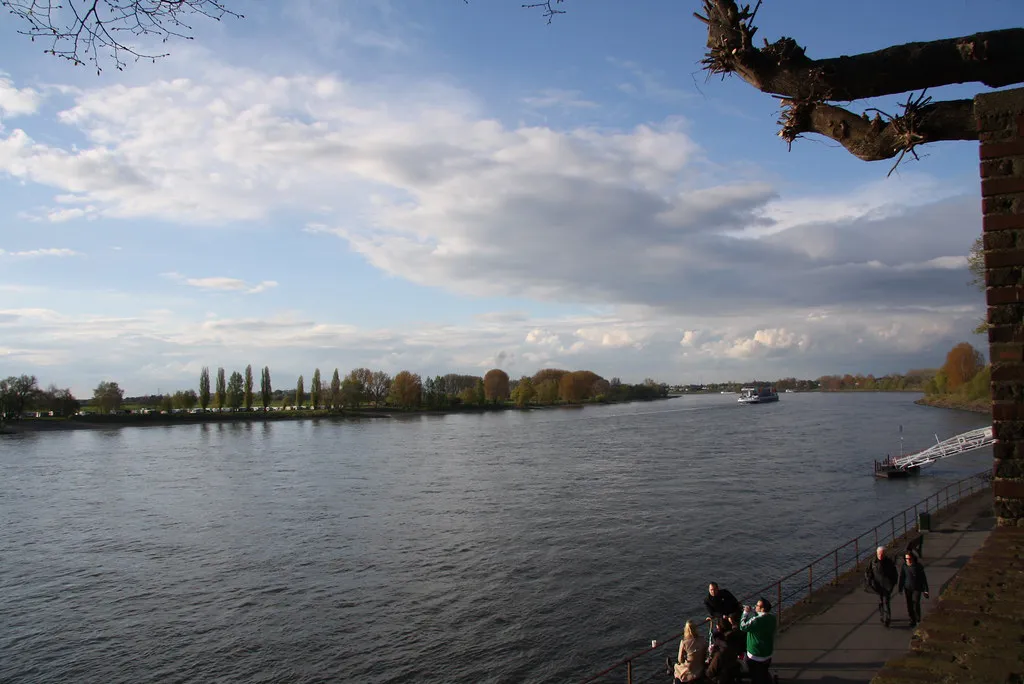
Portugal is particularly stunning this time of year with its lush hillsides. Visiting Sintra in May is borderline unfair because of the magical mist and flowers. The cooler mornings are perfect for climbing the steep hills to various palaces. Afternoons remain warm enough for a glass of wine by the Atlantic shore.
Lisbon takes on a lived-in quality rather than a staged one. Rooftop bars are open but not yet frantic. Miradouros fill with locals holding plastic cups of vinho verde, not just selfie sticks. Cruise traffic hasn't peaked, so Alfama is still explorable without feeling performative.
Spain celebrates spring with massive ferias and colorful street decorations in Andalusia. Seville's Alcázar gardens are at their greenest in May. The heat is present but lacks the punishing intensity of the mid-summer sun. Plan for late dinners and shorter morning queues to match the local rhythm of life. Sicily and Palermo add another option for those who want early beach days alongside rich Baroque history and spring street markets overflowing with artichokes and strawberries.
Adriatic & Balkan Drama – When the Water Shines but the Crowds Haven't Arrived
The Adriatic coast provides a dramatic backdrop for travelers seeking coastal beauty. Croatia's islands are accessible but far less crowded than in later months. The water is clear and begins to warm up for brave swimmers. Dubrovnik's Old Town walls are walkable in May without the cruise-ship shuffle of peak summer. You can complete the full wall loop, stop for photos with actual elbow room, and hear the sea rather than a tour guide's microphone.
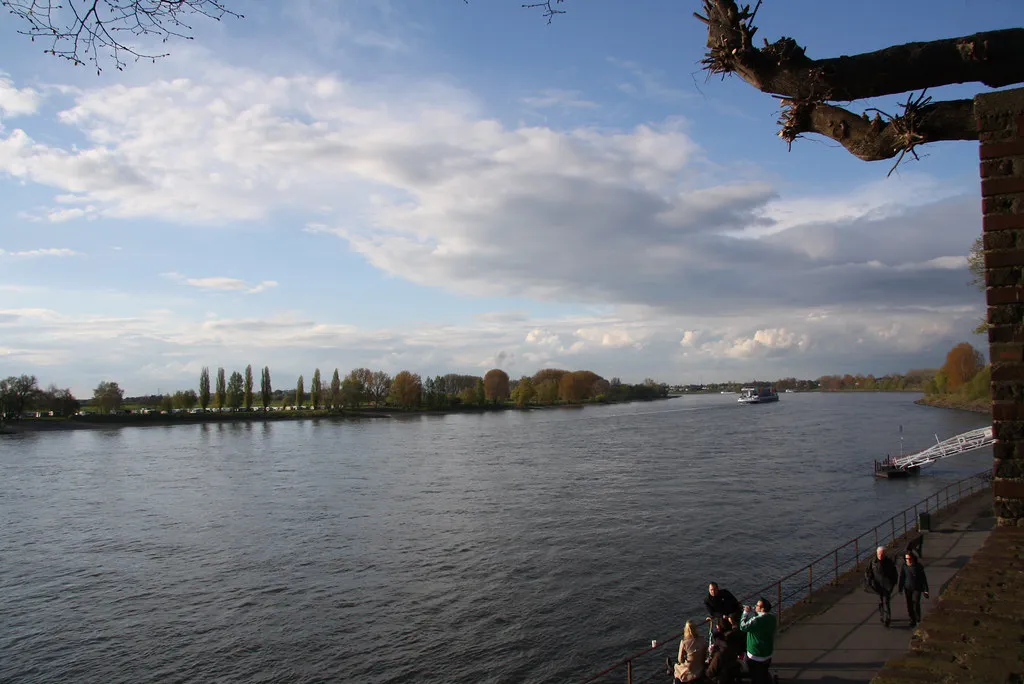
Montenegro offers rugged mountains that meet the sea in the Bay of Kotor. The famous fortress hike above the Old Town is genuinely enjoyable in May — wildflowers line the paths and the air is clear. By July the same climb is a sweaty endurance test. Prices in the Balkans remain some of the most competitive in the region, and local guesthouses provide warm welcomes with homemade breakfasts.
Albania is a rising star for those looking for off-the-beaten-path adventures. The Riviera features pristine beaches that are almost empty during the work week. Inland cities like Berat showcase unique Ottoman architecture under the spring sun. Transport is affordable, though schedules can be flexible and require patience. The Adriatic as a whole benefits most from May timing: the infrastructure is ready, the sea has begun to shimmer, but the chaos has not yet arrived.
Central Europe in Cinematic Mode – Green, Golden and Just Before the Rush
If Southern Europe is about scent and celebration, Central Europe in May is about atmosphere. Castle gardens are surrounded by unapologetic green. Riverbanks fill with people who live there, not just people who Googled there. Beer gardens reopen, outdoor cafés reclaim pavements, and you can walk for hours without needing a survival plan. This is also the moment just before summer tour buses arrive in full formation.
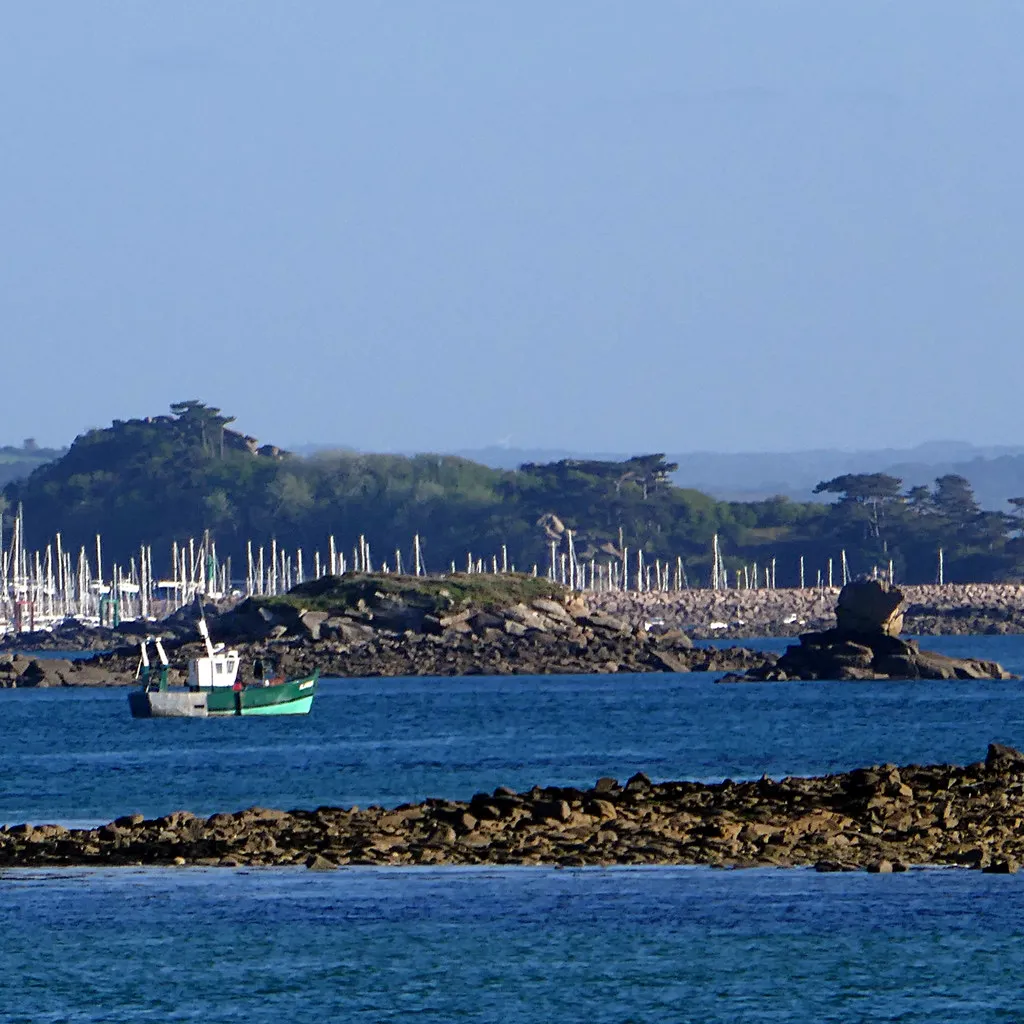
Prague always looks like it's been styled for a period drama — Gothic spires, red roofs, a castle that genuinely looms. May softens it. The castle gardens are open and fully green. The Vltava River reflects a warmer sky. You can cross Charles Bridge without performing a slow-motion shuffle behind fifty umbrellas. Temperature-wise it sits around 18°C, ideal for the cobbled lanes and riverbanks at dusk that Prague demands.
Ljubljana earns equal mention. In May the entire city seems to relocate outdoors. The Ljubljanica River becomes a corridor of café tables. Cyclists glide past. The castle hill above is deep green and a day trip to Lake Bled takes about 45 minutes by bus or car — in May the emerald water reflects snow-dusted Alpine peaks with far fewer tour buses than July or August. It is warm enough to explore and cool enough to wander the Old Town without exhaustion. Central Europe in May doesn't try too hard. It doesn't need to.
Northern Europe's Golden Window – Light, Air and Space to Move
Northern destinations wake up from their long winter slumber with incredible enthusiasm. Daylight hours stretch late into the evening, giving you more time to explore. Copenhagen comes alive as locals flock to outdoor terraces and canal-side parks. The transition into europe in june brings even longer days and midnight sun.
London and the English countryside look their best in the fresh May light. Bluebells carpet the ancient woodlands, and gardens are in full, spectacular bloom. Walking through the Cotswolds is a delight before the summer tourist buses arrive. Pack a light jacket as the evening air can still feel quite crisp.
Scandinavia offers a sense of space and clean air that is hard to match. Stockholm's archipelago is easy to navigate with regular ferry services starting up. Museums are quiet, allowing for a contemplative look at Nordic art and history. The light in May is genuinely extraordinary — soft, golden, lingering — making Scandinavian cities feel like a tourism advert you have accidentally stepped into. Average temperatures in Oslo and Copenhagen sit around 14–17°C, which is perfect for cycling and walking without overheating.
Eastern Europe With Depth – Culture, Perspective and Breathing Space
Eastern Europe in May feels honest. It hasn't been ironed flat for peak-season tourism yet. Student life is still buzzing in university cities. Outdoor cafés reopen without fanfare. Locals reclaim parks and squares because winter has finally loosened its grip. For those combining culture, value, and space to think, this is an underrated region in May 2026.
Kraków in May feels lived-in, not polished for export. The Main Square hums gently. University students are still around, which keeps the energy youthful without tipping into chaos. The Planty Park that circles the Old Town is properly green. Walking through Wawel Castle and cobbled lanes, hours slip past unnoticed. It is also the gateway to Auschwitz-Birkenau Memorial and Museum — May's milder weather makes the long outdoor walks across the vast grounds more manageable, allowing for reflection rather than physical discomfort.
Warsaw offers a moving combination of reconstructed Baroque grandeur and thriving café culture at very budget-friendly prices. Museum entry and guided tours cost far less than equivalent experiences in Western Europe. Spring rain can occur, but the indoor galleries provide excellent shelter, and the city's rebuilt Royal Castle and Palace on the Isle are at their best surrounded by spring foliage. Budget travelers will find that a long weekend in Kraków or Warsaw costs roughly half what the same trip runs in Prague during peak summer.
Parks, Gardens, and Outdoor Spots in Europe
The Netherlands is the undisputed champion of spring gardens during this month. Keukenhof remains open for the first half of May with millions of tulips. Cycling through the surrounding flower fields is a quintessential spring experience. Ensure you book your entry tickets online to skip the main gate lines — they sell out early in the season.
Parisian parks like the Jardin du Luxembourg offer a classic European atmosphere. Locals gather to play chess or sail model boats in the central fountains. The chestnut trees are in bloom, casting a soft light over the gravel paths. It is the perfect setting for a simple picnic of baguettes and cheese, and May afternoons stay light until nearly 21:00.
The Alps begin to shed their snow, revealing lush alpine meadows and wildflowers. Lower elevation hiking trails are perfect for those wanting to see the peaks. Mountain lakes reflect the bright blue skies and surrounding green forests. Check local trail conditions as some high passes may remain closed into mid-May.
Where Is Hot in May? Temperature Guide by Region
If sunshine and warmth are the primary goal, the eastern Mediterranean delivers most reliably. Crete averages around 23°C in May and is considered the hottest destination in the Mediterranean at this time of year. The sea is beginning to warm up — not bathtub temperature yet, but swimmable for those not prone to cold. Cyprus runs a similar average at around 22°C and offers a mix of beach, archaeology, and mountain hiking in one island. Greece across all its islands averages 21°C, with Mykonos, Corfu, and Rhodes all excellent choices before the full summer onslaught.
Turkey sits at approximately 22°C along the Aegean coast in May and is genuinely well-suited to spring travel. Bodrum and Fethiye are the headline destinations. The sea is starting to warm, restaurants and beach clubs are reopening for the season, and the crowds are still manageable. For those considering Sicily and southern Spain, temperatures sit between 20 and 26°C — reliably warm without the brutality of August. Northern and Central Europe (Paris, Prague, London) land between 15 and 18°C, which suits city walking and outdoor café culture rather than beach days.
- Crete / Cyprus / Rhodes: 22–23°C, swimmable sea by mid-May, best for beach-plus-culture
- Southern Spain / Sicily: 22–26°C, warm evenings, flower season and spring festivals
- Turkey (Aegean coast): 22°C, low crowds, early summer season prices
- Lake Como / Italian Lakes: 22°C, lake swims, spring blossoms on lakeside promenades
- Central Europe (Prague, Vienna, Budapest): 17–18°C, castle gardens, outdoor cafés, no beach
- Northern Europe (London, Copenhagen, Stockholm): 14–17°C, long daylight, nature at its best
How to Choose the Right City for You This May
The region that suits you depends on what you are actually optimizing for. If warmth and swimming are essential, go to the eastern Mediterranean — Crete, Cyprus, or the Turkish Aegean. If you want cultural density at low cost, Eastern Europe (Kraków, Warsaw) delivers more per euro than any other region in May. If dramatic scenery with zero crowds is the goal, Montenegro and Albania are the best bets. If food, festivals, and evening atmosphere matter most, Southern Spain and Lisbon are the standouts.
Budget travelers get the most from Eastern Europe and the Balkans. Cities like Kotor, Sarajevo, and Kraków offer comparable cultural depth to Western European capitals at roughly 40–60% lower daily cost. Families traveling in May benefit from the shorter queues and outdoor space that the shoulder season provides — Central Europe (Prague, Vienna, Budapest) works especially well because the castle grounds, riverbanks, and parks absorb children naturally without the claustrophobia of peak-summer crowds.
The key practical question is how much heat you need versus how much culture. May is not July. It is genuinely possible to overdress for southern destinations and underdress for northern ones. Use the temperature ranges above as your planning anchor, and book accommodation before early May — popular boutique hotels in Dubrovnik, Sintra, and Ljubljana sell out well ahead of the season.
What to Wear in Europe in May
May in Europe requires layering rather than committing to summer or spring wardrobes outright. The range between a morning in Scandinavia and an afternoon in Sicily is enormous. The practical approach is to pack for two distinct scenarios: mild afternoons (18–25°C) where a t-shirt or light dress works fine, and cool evenings (10–16°C) in almost any northern or central city where you will want a light jacket or mid-layer. Even in southern Spain, evenings in early May can feel genuinely cool after dark.
Comfortable walking shoes are non-negotiable. Cobblestone streets cover most of southern and central Europe, including Dubrovnik, Prague, Lisbon, and the Adriatic coast towns. Dedicated walking shoes or low-profile trainers will serve better than sandals for a full day of sightseeing. A packable waterproof layer is useful across the board — May is still spring and afternoon showers occur across the UK, France, and Central Europe without much warning.
For the Mediterranean — Crete, Cyprus, Sicily — swimwear is worth packing because the sea is swimmable by mid-May. But the same traveler will want a lightweight cardigan for dinner or air-conditioned museums. Northern Europe (London, Stockholm, Oslo) in May still merits a mid-weight layer even at midday. The safest overall kit: two or three t-shirts or blouses, one or two lightweight long-sleeve pieces, one versatile jacket, comfortable walking shoes, and a compact umbrella.
Museums, Art, and Culture in Europe
May is a fantastic time to dive into the artistic heritage of Central Europe. Graz is a designated UNESCO City of Design with a vibrant creative scene. The city blends historic charm with modern architectural marvels like the Kunsthaus. Walking through the old town reveals hidden courtyards and artisan workshops.
Florence and Rome house some of the world's most significant art collections. Visiting these galleries in May means shorter queues for the Uffizi or Vatican compared to July and August. The cooler indoor temperatures offer a nice break from the afternoon sun. Always check for special evening openings or late-night museum access — Florence regularly runs extended hours in spring.
Budapest offers perhaps the best value for cultural depth in Europe in 2026. The Hungarian National Museum, the Hungarian State Opera, and the thermal bath culture are all accessible without reservation headaches that plague peak season. Admission prices are substantially lower than comparable institutions in Paris, Amsterdam, or London. Prague's underground tours, medieval dungeon spaces, and communism-era bunkers add a different kind of cultural depth that May's mild weather makes particularly comfortable to explore.
Family-Friendly and Budget-Friendly Options in Europe
Families will find May consistently easier than summer for European travel. School-age children in most European countries are still in class through May, so theme parks, beaches, and outdoor attractions operate without the queuing intensity of the school holidays. The Alps are a strong family choice — lower hiking trails are open, mountain lakes are accessible, and the scenery is spectacular. Lake Bled in Slovenia and the Lake District in the Italian Alps offer contained, walkable destinations where younger travelers can manage the distances involved.
Budget-conscious families get the most from Eastern Europe. A family of four can eat very well in Kraków or Budapest for under €40 at a sit-down restaurant. Accommodation in the Balkans — Montenegro, Albania, Bosnia — runs at a fraction of Western European prices while delivering comparable scenery and a quieter atmosphere. May pricing across the continent is typically 20–35% lower than July or August equivalents, which compounds significantly over a week-long trip.
The Keukenhof tulip gardens in the Netherlands offer one of Europe's most accessible and visually spectacular family outings in early May. Tickets cost around €22 for adults and €11 for children aged 4–17 in 2026, and the park is manageable in a single afternoon. Pair it with a cycle through the surrounding flower fields and a night in Amsterdam, and you have a genuinely memorable two-day family itinerary that costs less than comparable outings to Paris or Barcelona in peak summer.
Frequently Asked Questions
Is May a good time to go to Europe?
Yes, May is one of the best months to visit because of mild weather and lower costs. You can enjoy popular cities without the massive summer crowds. It is also the peak season for gardens and outdoor festivals across the continent.
What country in Europe is best to visit in May?
Spain, Italy, and Greece are excellent for warmth and sunshine. If you prefer lush landscapes and flowers, the Netherlands and the United Kingdom are top choices. For a unique experience, consider the Adriatic coast of Croatia.
Is it cheaper to go to Europe in May?
Traveling in May is generally cheaper than the peak summer months of July and August. You will find better deals on flights and accommodation. Check out our blog for more budget-friendly spring travel tips.
What is the warmest part of Europe in May?
Southern Spain, Sicily, and Crete are typically the warmest regions in May. Temperatures here often reach the mid-20s Celsius, which is perfect for sightseeing. The sea also begins to reach a temperature suitable for swimming in these areas.
Visiting Europe for more than one festival? See our complete guide to festivals and events in Europe.
Europe in May is a season of rebirth and vibrant energy that every traveler should experience. From the sunny shores of the Adriatic to the green parks of London, the options are endless. You can see more and spend less by choosing this perfect shoulder season window. Plan your itinerary early to make the most of the long days and mild nights.
The continent offers a variety of experiences that cater to every type of interest. Whether you want art, nature, or food, spring provides the ideal backdrop for your journey. To stay updated on the best travel tips and guides, subscribe now for our newsletter. We look forward to helping you plan your next unforgettable European adventure.
Free guide: Europe's Festival Calendar
A month-by-month map of Europe's unmissable festivals — with the best dates to visit each and a local tip you won't find in the guidebooks.
You might also like


Continue reading
More guides you'll find useful


