7 Best Salzburg Christmas Markets to Visit (2026)
Discover the 7 best Salzburg Christmas Markets, including dates, opening times, what to eat, and essential tips for planning your magical Advent trip to Austria.
On this page
7 Best Salzburg Christmas Markets to Visit (Dates & Tips)
Salzburg transforms into a living fairytale every November, blending Baroque architecture with the scent of roasted almonds and mulled wine. The city's compact Altstadt means you can walk between most of the major markets in under thirty minutes, yet each one feels completely distinct. Unlike the sprawling megamarkets of Vienna or Nuremberg, Salzburg offers an intimate alpine setting where medieval squares, fortress ramparts, and palace courtyards become the backdrop for some of Europe's most atmospheric Advent celebrations. Check the Salzburg Christmas market dates before you book, as individual markets open and close on different days.
Part of our Best Christmas Markets in Austria and Switzerland series.
Salzburg also carries unique historical weight at Christmastime. The carol Silent Night was first performed just 25 kilometres north of the city centre, meaning the region's connection to Christmas tradition runs deeper than any fairy-light display. Whether you want to sip Glühwein under a canopy of stars at the fortress or hunt for handmade crafts in a tucked-away brewery courtyard, Salzburg delivers experiences that feel genuinely local rather than manufactured. For context on how this compares to the capital, our guide to the Vienna Christmas market covers both cities side by side.
Free guide: Europe's Festival Calendar
A month-by-month map of Europe's unmissable festivals — with the best dates to visit each and a local tip you won't find in the guidebooks.
Salzburg Christmas Market Dates 2026
The exact 2026 dates will be confirmed by the city in late summer, but the schedule below reflects the standard pattern from recent years. Most markets open in the third week of November and run through late December, with the Sternadvent staying open longest into January. Always check individual market websites before travel, as public holidays and Mondays often mean reduced hours.
- Salzburg Christkindlmarkt (Domplatz & Residenzplatz): approximately 20 November – 1 January, daily 10:00–20:30 (Fri–Sat until 21:00; 24 Dec until 15:00)
- Mirabellplatz Christmas Market: approximately 20 November – 31 December, Sun–Thu 10:00–20:00, Fri–Sat 10:00–21:00
- Hellbrunn Palace Advent Market: approximately 20 November – 24 December; closed Mondays; Tue–Fri 13:00–20:00, Sat–Sun 10:00–20:00
- Hohensalzburg Fortress Advent Market: weekends only, approximately 21 November – 21 December, 11:00–19:00
- Sternadvent (near Sternbräu): approximately 20 November – 6 January, Sun–Thu 11:00–19:00, Fri–Sat 11:00–20:30
- St. Leonhard Advent Market: Saturdays and Sundays only throughout December, 14:00–20:00
- Silent Night Chapel & Oberndorf: open year-round; the adjacent market runs weekend afternoons in December
The Sternadvent is the only major market that stays open through Epiphany (6 January), making it the best choice if your travel falls between Christmas and New Year. The Fortress market, by contrast, opens on weekends only and closes before Christmas Eve, so plan accordingly if you want to combine it with another market on the same day.
Why Salzburg for Christmas Markets?
Salzburg's geography does the heavy lifting. Baroque domes, the looming Hohensalzburg Fortress, and the Salzach River form a natural theatrical set that no other Austrian city can match. Nearly one million visitors pass through the Christkindlmarkt alone each year, yet the city still manages to feel more intimate than Vienna or Munich. The markets are close enough together that you can cover four or five in a single afternoon on foot, which makes the logistics far simpler than hopping between distant districts.
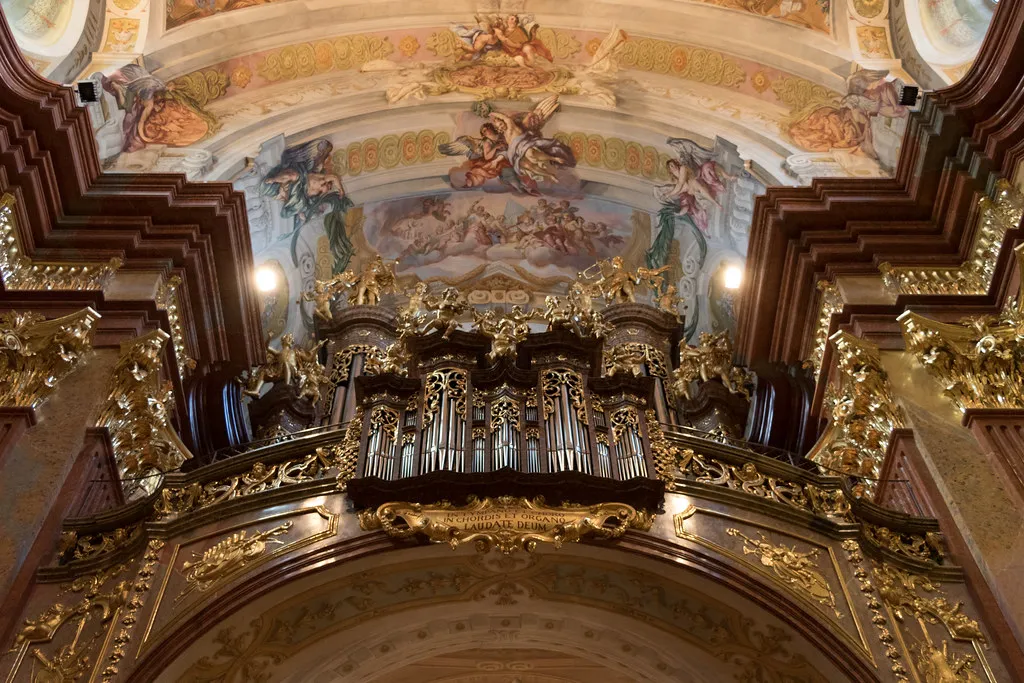
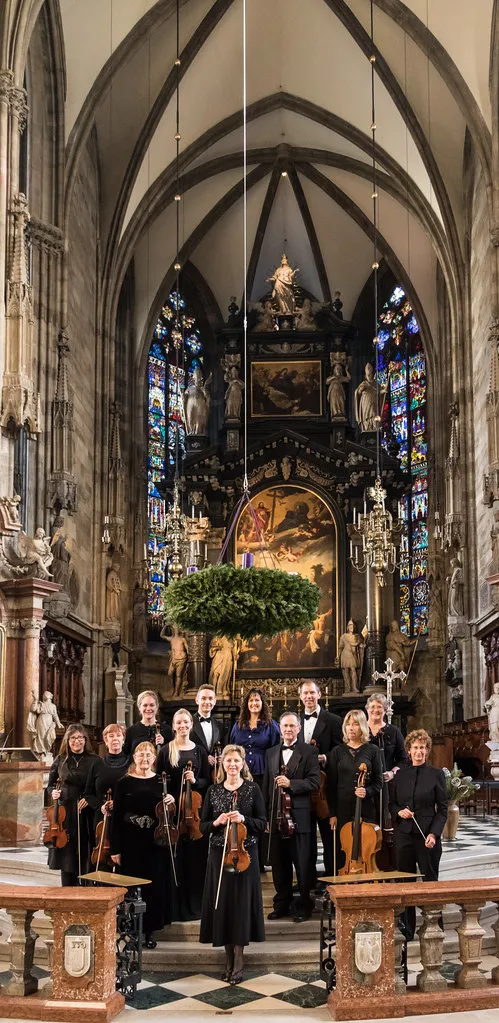
The musical heritage adds a layer that's hard to overstate. Wind players perform carols from the towers above Residenzplatz on Thursday and Saturday evenings. Brass ensembles play under the giant Christmas tree at the Fortress. Choirs gather in the cathedral square. You hear Christmas rather than just see it, which is what separates Salzburg from purely visual market experiences. The fact that Silent Night was composed in this region — and that Oberndorf is a short train ride away — turns what could be a simple shopping trip into something with genuine cultural depth.
Cold is real here. December temperatures average around 2°C during the day and drop sharply after dark. Waterproof boots with grip are essential on the icy cobblestones, and layering is not optional. That said, the cold is part of the atmosphere: steam rising from Glühwein mugs, breath visible in the torch-lit fortress courtyard, chestnuts warming your hands while you browse. Embrace it rather than fight it.
The 7 Best Salzburg Christmas Markets
1. Salzburg Christkindlmarkt (Domplatz & Residenzplatz)
This is the main event and the right starting point for any first-time visitor. The market sprawls across two connected squares — Domplatz, directly in front of the cathedral, and the slightly larger Residenzplatz — with more than 100 traditional wooden stalls selling ornaments, textiles, ceramics, and food. Entry is free. The cathedral façade and the Archbishop's Residence form a backdrop that competitors in other cities simply cannot match. On Thursday and Saturday evenings, wind players perform from the tower arches at 17:30; the sound carries across the entire square and draws a crowd without fail.
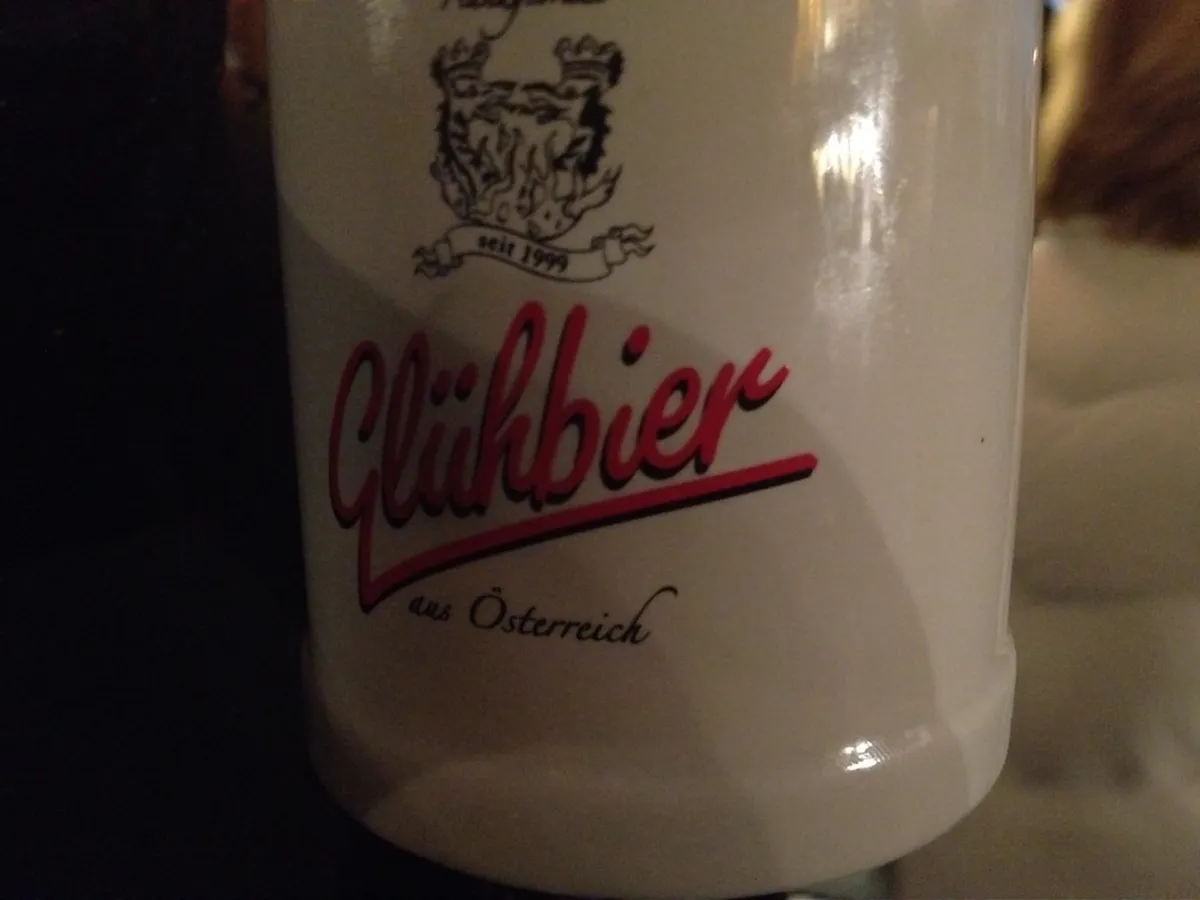
Opening hours run approximately 10:00–20:30 daily, with extended hours Friday and Saturday until 21:00. On Christmas Eve the market closes at 15:00. An ice rink operates just behind Residenzplatz on Mozartplatz until later in the evening, making it a natural last stop on a romantic evening route. Glühwein costs €4–7 including the ceramic mug deposit (Pfand); return the mug to any stall bearing the same logo to recover €2–3.
2. Hohensalzburg Fortress Advent Market
The Fortress market operates on weekends only from late November until around 21 December, 11:00–19:00. It is the highest-altitude market in Salzburg, sitting inside the inner courtyard of the medieval fortress at 120 metres above the city. The views of Salzburg's illuminated spires from the ramparts are arguably the best vantage point in the city at any time of year — with Christmas lights added, they are extraordinary. Entry to the market itself is free; the funicular (Festungsbahn) from Festungsgasse costs approximately €14 return for adults, though you can also walk up for free via the footpath in about 20 minutes.
The market is small — roughly 10–15 chalets — which means it sells out of popular items by mid-afternoon on weekends. Arrive before 13:00 for the best selection. In the afternoons, trumpeters play under a giant Christmas tree decorated by local schoolchildren. The atmosphere is intimate in a way that the main square markets cannot replicate: fewer people, sharper cold, and the feeling of the whole city lit up below you.
3. Mirabellplatz Christmas Market
The Mirabell Square market sits on the New Town side of the Salzach River, directly in front of the Mirabell Palace. It is smaller than the Christkindlmarkt but consistently rated among the most charming by visitors who prefer atmosphere over scale. The adjacent Mirabell Gardens are worth a short stroll before or after the market, especially in the early evening when the palace is lit up. Hours run approximately Sun–Thu 10:00–20:00, Fri–Sat 10:00–21:00, with shorter hours around Christmas.
The stalls here skew toward handmade gifts and artisan crafts rather than mass-produced souvenirs. This is also a good market for hot drinks that go beyond Glühwein: spiked hot chocolate (try it with amaretto) and warm elderflower punch are common finds. Strudel at this market is particularly good — order it warm with powdered sugar. Local families use this market as a neighbourhood fixture, which keeps the atmosphere grounded even during peak weeks.
4. Hellbrunn Palace Advent Market
Hellbrunn sits about 4 kilometres south of the city centre; Bus 25 from the Rathaus stop takes roughly 20 minutes and is free with the Salzburg Card. The market runs Tuesday through Sunday from approximately 20 November to 24 December, closing on Mondays and on Christmas Eve at 14:00. Admission costs approximately €7 per adult, which typically includes a voucher for a hot drink at the main bar. The palace courtyard is transformed by hundreds of decorated fir trees and 10,000 red baubles strung between them; the effect at night, with the Baroque palace façade lit behind, is unlike anything in the city centre.
This is the best market in Salzburg for families with children. There is a Christmas train, pony rides, a petting zoo, a campfire where children can toast sausages, a children's bakery, and a 60-window giant Advent calendar painted across the palace facade — a different window is opened each day of December. Parents can sip Glühwein at standing tables while children explore without the tight crowd pressure of the city-centre markets. The artisan craft offering here is also noticeably stronger than at other locations.
5. St. Leonhard Advent Market
This market near the base of the Untersberg massif opens only on Saturday and Sunday afternoons from 14:00. It focuses on traditional handicrafts and charitable causes, with an emphasis on items made by local artisans rather than commercial suppliers. The atmosphere is quiet and unhurried in contrast to the city-centre markets, making it a good choice for the second half of a day that begins at Hellbrunn. Look for hand-dipped beeswax candles, rustic woodcarvings, and wreath-making demonstrations that children and adults can join.
6. Sternadvent (Near Sternbräu Brewery)
The Sternadvent is the most local-feeling of Salzburg's central markets. It sits in a narrow courtyard between Getreidegasse and Griesgasse, close to the famous Sternbräu brewery, which itself is a fine option for warming up over a plate of Kasnocken. Stalls sell designer crafts and thoughtful gifts rather than mass-produced ornaments, and the food quality is consistently high. The market runs from approximately 20 November to 6 January — the longest run of any Salzburg market — making it the obvious choice for visits between Christmas and New Year when most other markets have closed.
7. Silent Night Chapel & Oberndorf (Festive Day Trip)
Oberndorf is not technically a Salzburg city market, but it belongs on every Salzburg Christmas itinerary. The village is 25 minutes north of Salzburg by regional train (Lokalbahn S1, departing Salzburg Hauptbahnhof roughly every 30 minutes; single ticket approximately €4). The Silent Night Chapel was built on the site of the original St. Nikolaus Church where Franz Xaver Gruber and Joseph Mohr first performed "Stille Nacht" on 24 December 1818. On Christmas Eve, an ecumenical service is held at the chapel at which people from different countries sing the carol simultaneously, each in their own language — one of the most genuinely moving Christmas experiences in Central Europe.
The adjacent Stille-Nacht-Markt runs on weekend afternoons throughout December, focused on hand-crafted regional goods and Silent Night-themed souvenirs. The Stille Nacht Museum next door (free entry) tells the story of the carol's composition and global spread. The post office in Oberndorf applies a special commemorative cancellation stamp to postcards sent from the village during December — bring cards to post while you are there. Half a day is sufficient; combine it with an afternoon at the Christkindlmarkt in Salzburg on the same day.
Beyond Salzburg: The Salzkammergut Lake District Markets
Few guides mention this, but the Salzkammergut lake district — the alpine lake region southeast of Salzburg — hosts its own string of small Christmas markets in the villages of St. Wolfgang, St. Gilgen, and Strobl. These run on weekends in November and December. Each village has a distinct character: St. Wolfgang sits on the Wolfgangsee with a Baroque pilgrimage church as its backdrop; St. Gilgen is the birthplace of Mozart's mother; Strobl is the quietest and most local of the three.
Getting there independently is difficult without a car, and parking in the villages on market weekends is nearly impossible. The most practical option is a guided day tour departing from Mirabellplatz, which handles transport to all three villages and typically includes a brass concert or nativity demonstration at one of the stops. A Krampus run — traditional masked parade featuring the folkloric companion of St. Nicholas — often takes place in one of these villages on the first Saturday in December, which is worth timing your visit around. This circuit offers a side of Salzburg's Advent season that stays almost entirely off the radar of city-only visitors.
What to Eat and Drink at Salzburg Christmas Markets
Food is the soul of the Christmas in Salzburg experience, and you should arrive with a healthy appetite. Glühwein (mulled red wine) is the default drink, but look for alternatives: baked apple schnapps at the Fortress market is a local favourite, spiked hot chocolate with amaretto at the Mirabell market is worth seeking out, and 'Jagatee' — a warming blend of tea and grain spirit — appears at the more rustic stalls. Non-alcoholic hot apple punch and elderflower drinks make the markets accessible for children or non-drinkers.
For food, the regional specialities go well beyond pretzels and sausages. Haunsberger is a savory pork patty served in a crusty roll with sauerkraut — it's a local speciality harder to find in Vienna or Munich. Kasnocken are small dumplings smothered in melted alpine cheese, served in iron pans and best eaten at a standing table with company. Bauernkrapfen are large fried dough rings filled with apricot jam. Apple strudel appears at virtually every market; the version at Mirabellplatz is consistently fresh and warm. Roasted chestnuts are sold at nearly every corner and serve as a practical hand-warmer while you walk.
For something more substantial or for warming up between markets, Café Tomaselli on the Alter Markt is Salzburg's oldest coffeehouse and a fine spot for hot chocolate and pastries. The Sternbräu brewery next to the Sternadvent market serves full Austrian meals including schnitzel and Kasnocken in a vaulted hall. Mozartkugeln — the chocolate-and-marzipan confections associated with the city — make excellent souvenirs but quality varies considerably; buy from established confectioners like Café Fürst (the original) rather than market stalls with generic packaging.
Where to Stay Near the Salzburg Christmas Markets
The key decision is whether to stay in the Altstadt (Old Town) or across the river in the Neustadt (New Town). The Altstadt puts you within a five-minute walk of the Christkindlmarkt and close to the funicular for the Fortress market. This is the right choice if you plan to visit the markets in the evening and want to return easily to your hotel when the cold sets in. The trade-off is price: Old Town hotels cost significantly more during Advent and book out fast. Rooms in September are already scarce for peak December weekends — do not leave this until October.
Neustadt hotels are cheaper and still walkable to the main markets in about 15 minutes, with the Mirabellplatz market even closer. The trolleybus system (Obus) is frequent and covers the gap on cold or wet evenings. Mid-range chain hotels cluster around the Hauptbahnhof, which is convenient for day trips to Oberndorf on the S1 train. For a fuller breakdown of neighbourhood options and specific property picks, our guide to where to stay for the Salzburg Christmas market covers price tiers and proximity in detail.
The Salzburg Card (available in 24h, 48h, and 72h versions) is worth considering if you plan to use public transport frequently. It covers all Obus and bus routes including Bus 25 to Hellbrunn, plus entry to major sights and the Festungsbahn funicular. The 48-hour card pays for itself if you use the funicular once and visit two or three sights with paid entry.
Tips for Visiting Salzburg Christmas Markets
Timing matters more than most guides admit. Weekend afternoons from around 14:00 to 18:00 are the most congested period, particularly at the Christkindlmarkt and Mirabell. Early mornings (before 12:00) and late evenings (after 18:30) offer far better conditions for browsing and photography. The markets are arguably at their most atmospheric after dark, when the lights are fully on and the temperature drop makes a warm drink feel essential rather than optional. If crowds are a concern, a Tuesday or Wednesday visit in the first two weeks of December is the sweet spot before the final pre-Christmas rush begins.
Cash remains preferred at smaller stalls, though card acceptance has improved substantially in recent years. Carry small Euro notes and coins: €5 and €10 notes make transactions faster and avoid the awkward wait while change is found for a €50. The Pfand deposit system applies at most food and drink stalls: you pay €2–3 extra for a collectible ceramic mug and recover it by returning the mug to any stall with the same logo. The designs change each year, so keeping one as a souvenir is a genuinely nice memento.
Book any evening Mozart concerts or Advent choir performances at least three to four weeks in advance. Performances at the Hohensalzburg Fortress or the Mozarteum sell out during peak December weeks. The Getreidegasse shopping street is worth avoiding on Saturday afternoons — the narrow lane becomes impossible to navigate with tour groups. The parallel Linzer Gasse on the opposite bank of the river offers similar shopping in a more relaxed setting. Public restrooms near Domplatz typically charge around 50 cents; keep coins ready.
Getting to Salzburg and Around During Advent
Salzburg is well-connected by rail from Vienna (approximately 2h 30min by OBB Railjet, direct service every hour) and Munich (approximately 1h 30min, direct or one change). Both are fast, frequent, and deposit you directly at the Hauptbahnhof, a 15-minute walk or short bus ride from the Altstadt. Munich Airport (MUC) is often more cost-effective than Salzburg Airport (SZG) for transatlantic travellers, with direct trains to Salzburg taking under two hours. Salzburg Airport handles primarily European routes.
Within the city, the trolleybus (Obus) network is clean and frequent. A 24-hour transport pass costs around €4 and covers all routes including Bus 25 to Hellbrunn. Most of the historic centre is pedestrianised, so comfortable waterproof boots with grip are a practical necessity rather than a luxury — cobblestones become slippery when wet or icy. Walking between the Christkindlmarkt, Mirabellplatz, and Sternadvent takes under 20 minutes in total, making a self-guided evening circuit realistic without any public transport at all.
Frequently Asked Questions
When do the Salzburg Christmas markets open in 2026?
Most markets in Salzburg are scheduled to open on November 19, 2026. The main Christkindlmarkt at Domplatz typically runs until December 26, while smaller markets like Hellbrunn may close earlier.
Are the Christmas markets in Salzburg free to enter?
Yes, the majority of markets including the main Domplatz and Mirabell Square locations are free to enter. The Hellbrunn Palace market and the Hohensalzburg Fortress market may require a small admission or transport fee.
Is Salzburg worth visiting for Christmas markets compared to Vienna?
Salzburg offers a more traditional and intimate alpine atmosphere compared to the grand, sprawling markets of Vienna. Both are excellent, but Salzburg is better for those seeking Baroque charm and mountain views.
Salzburg remains one of the most evocative destinations in Europe for a winter getaway. The combination of the looming fortress, the ringing cathedral bells, and the festive stalls creates an atmosphere that is hard to replicate elsewhere on the continent. By combining the Christkindlmarkt with one or two of the smaller neighbourhood markets — and adding a half-day trip to Oberndorf — you will experience the full range of what makes the Austrian Advent season genuinely special.
Remember to dress warmly in layers and keep your schedule flexible enough to enjoy a spontaneous concert or parade. Whether you are sipping Glühwein at the fortress or sending a postcard from Oberndorf with the commemorative stamp, the memories will last far longer than the season. For further planning, our guide on where to stay for the Salzburg Christmas market covers the best neighbourhoods and properties at every price point. Safe travels and enjoy the magic of the Austrian Advent season.
Free guide: Europe's Festival Calendar
A month-by-month map of Europe's unmissable festivals — with the best dates to visit each and a local tip you won't find in the guidebooks.
You might also like


Continue reading
More guides you'll find useful