Innsbruck Christmas Market Guide: 7 Essential Markets & Tips
Plan your Innsbruck Christmas market trip with 2026/2027 dates, transport guides, and a breakdown of the 7 best markets from the Old Town to Hungerburg.
On this page
Innsbruck Christmas Market Guide: 7 Essential Markets & Tips
Innsbruck runs seven distinct Christmas markets across a compact city center, all backed by the Nordkette mountain range. The scale is smaller than Vienna or Salzburg, but the concentration of markets per square kilometer is unmatched in Austria. You can walk between five of the main sites in under twenty minutes. This guide covers every market, the 2026/2027 dates, and the practical logistics you need to plan the trip.
The city transforms into a layered winter experience: traditional medieval atmosphere in the Altstadt, modern lighting along the main shopping street, and panoramic mountain views from Hungerburg above. Planning ahead matters here — accommodation fills fast for the December bridge holidays. A look at the best christmas markets in austria and switzerland will help you decide whether to combine Innsbruck with Salzburg or Vienna on the same trip.
Free guide: Europe's Festival Calendar
A month-by-month map of Europe's unmissable festivals — with the best dates to visit each and a local tip you won't find in the guidebooks.
2026/2027 Official Opening Dates and Hours
The Old Town market (Altstadt) is expected to open in mid-November 2026 and run through late December 2026 (in the 2025/2026 edition it ran 15 November – 23 December). Hours are daily from 11:00 to 21:00. The Marktplatz Family Market generally shares the same mid-November opening date. Check the Official Innsbruck Christmas Markets website for the confirmed 2026/2027 dates before you travel, as hours on Christmas Eve are reduced.
Maria-Theresien Straße opens later, in late November 2026, and stays open until early January 2027 — the longest run of any market in the city (in the 2025/2026 edition it ran 25 November – 6 January). The Hungerburg Panorama Market generally operates on weekends from mid-November onward. The St. Nikolaus and Wilten markets are smaller and follow similar schedules to the Old Town, typically closing by December 23.
Visiting on a weekday morning gives you the quietest experience for browsing stalls and buying gifts. Evening visits from 17:00 onward bring the light projections, the tower musicians, and the full festive atmosphere. Crowds peak on weekends and during the first two weeks of December around the Saint Nicholas holiday on December 6.
Old Town Christmas Market (Altstadt)
The Old Town market is the historic anchor of the Innsbruck Christmas season. Around seventy stalls spread through the medieval square directly in front of the Goldenes Dachl — the Golden Roof that has defined this city's skyline since the late 1400s. The backdrop of the building's gilded tiles against the lit Christmas tree and the Nordkette peaks behind it is the postcard image most visitors are chasing.
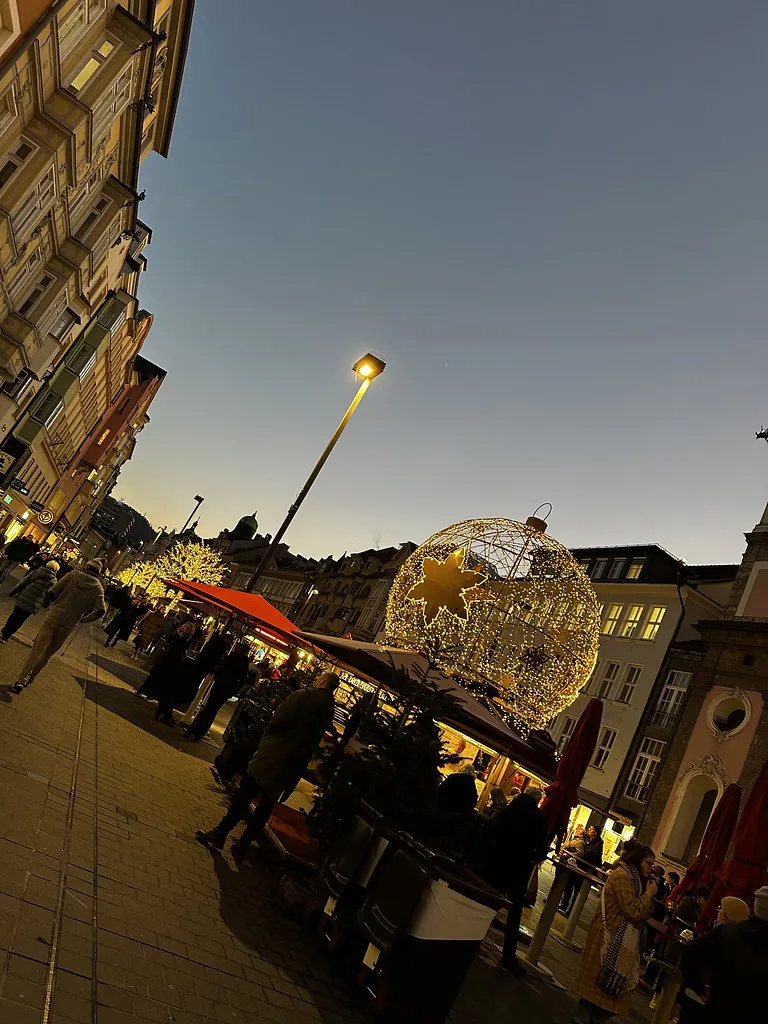
Tower musicians perform live from the Golden Roof balcony each evening, playing traditional brass and wind instruments. The sound carries across the square in a way that no recording fully replicates. On the building facades around the market, projections of dancing snowflakes appear at dusk. Plan to be there for the blue hour between 16:30 and 17:30 for the best combination of natural and artificial light.
Food stalls here lean strongly toward Tyrolean tradition. Try Kiachl, a fried dough pastry served either savory with sauerkraut or sweet with cranberry jam — the cranberry version is the more popular order. Krapfen, the doughnut filled with vanilla or chocolate, appears at several stalls as well. Ceramic ornaments, hand-carved wooden figures, and locally made candles dominate the craft stalls. Compare this traditional market to the vienna christmas market if you want a sense of how the alpine and imperial styles differ.
Maria-Theresien Straße Modern Market
Maria-Theresien Straße is Innsbruck's main shopping boulevard, and during Advent it hosts around thirty stalls between the permanent retail shops. The aesthetic here is deliberately modern — twinkling light trees, illuminated arches, and a mix of international gift vendors alongside Austrian food producers. It is the least traditional of the central markets and the right choice for visitors who want variety beyond Tyrolean handicrafts.
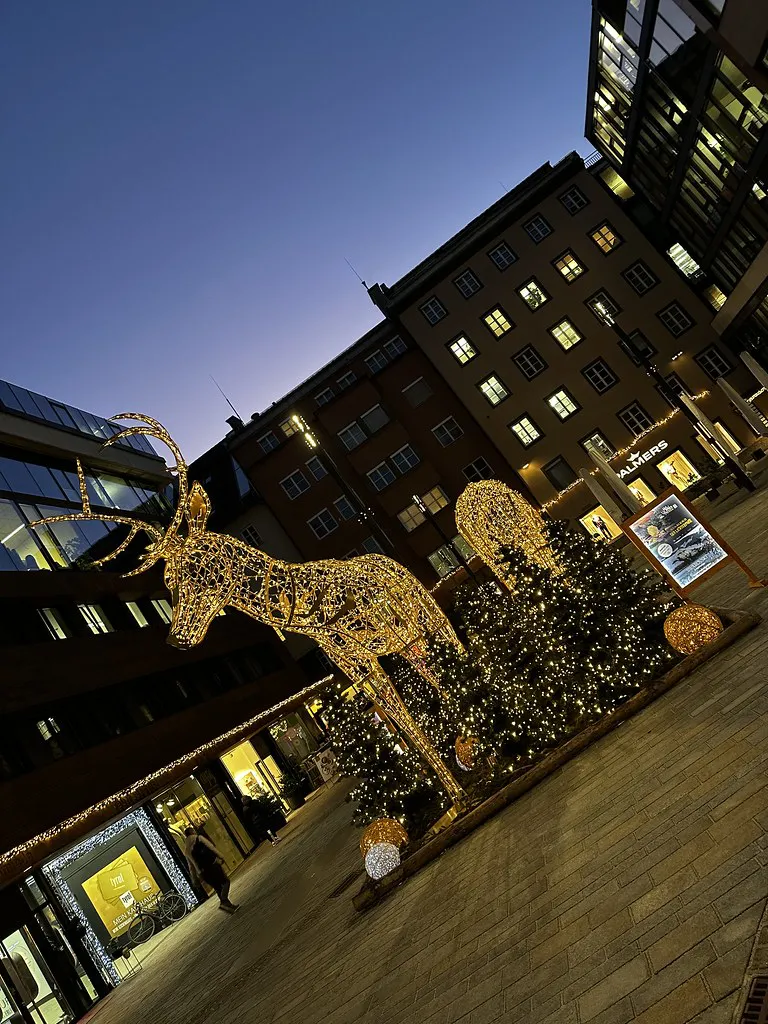
This market opens in late November 2026, roughly ten days after the Old Town market. It is also the only central market that runs past Christmas, staying open into early January 2027. If you are visiting in early January after the main holiday rush, Maria-Theresien Straße is your only option for an outdoor market atmosphere. Keep an eye out for Käthe Wohlfahrt on the street — the German Christmas decoration brand has a shop here that is worth a stop if you want high-quality tree ornaments to take home.
The street connects naturally to the Old Town at its northern end, so most visitors walk between the two markets in a single afternoon circuit. Walking the full length of Maria-Theresien Straße and back to the Goldenes Dachl takes under ten minutes.
Marktplatz Family-Friendly Market
The Marktplatz market sits beside the Inn River at Market Square and is designed explicitly for families with young children. It has a petting zoo, a traditional carousel, game stalls, a puppet theatre, and a 3D sleigh ride where visitors put on glasses and sit inside a projected winter scene. The children's programming runs on a daily schedule — check the noticeboard at the market entrance for that day's puppet show times.
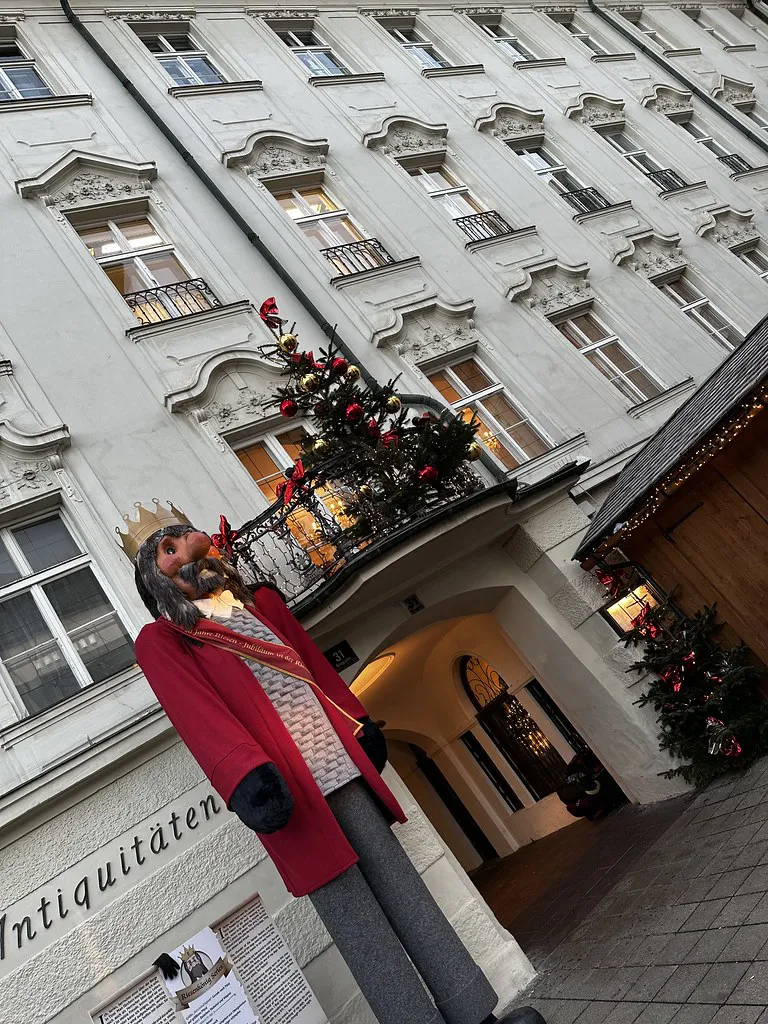
The centerpiece of Marktplatz is the Swarovski Christmas tree: 17.5 meters high, decorated with 112,400 Swarovski crystals, and programmed to shift color every few minutes. It is the single most-photographed object at any Innsbruck market. Come here after dark for the full visual effect; the tree in daylight is impressive but loses its defining quality without the illumination. The market connects to a riverside walkway that gives you the panoramic view of the colorful historic houses with snow-capped mountains as the backdrop.
Marktplatz is a short walk from the Old Town — roughly five minutes east along the river. If you are visiting with children, budget at least ninety minutes here. For adults without kids, the Swarovski tree and a Glühwein at one of the stalls easily justify a thirty-minute stop on the way to or from the Altstadt.
Panorama Market on Hungerburg
The Hungerburg Christmas Market is a small cluster of stalls set on the mountainside above Innsbruck, accessible only by the Hungerburgbahn funicular. The ride starts at the Congress station, one stop east of the Old Town, and takes you up through the residential hillside neighborhood in just a few minutes. Check the Hungerburgbahn funicular pricing before you go — a round-trip costs around €14, which is the main reason many visitors treat the Hungerburg trip as an optional extra rather than a must-do.
The market itself is tiny. There are fewer stalls here than at any of the valley markets, and the food and drink selection is limited. What you are paying for is the view: the entire Innsbruck basin spread out below you, framed by the Nordkette range above. Glühwein at this altitude feels different in the best possible way. Temperatures up here run two to three degrees colder than in the city center, and the wind is sharper, so dress accordingly.
The souvenir mugs sold at Hungerburg feature a different design from those sold at the Old Town or Marktplatz markets — if you are collecting them, this is the one you cannot buy anywhere else in the city. Arrive by 15:00 to have enough daylight for the panoramic views before the sun drops behind the mountains.
St. Nikolaus and Wilten Markets
St. Nikolaus is a small, quiet market located across the Inn River from Marktplatz. It sits in the residential neighborhood of the same name and draws a more local crowd than the central markets. There are fewer stalls here, but the atmosphere is noticeably calmer and the vendors tend to be independent artisans rather than the food-and-souvenir operators that dominate the larger sites. If you cross the river on foot from Marktplatz, St. Nikolaus adds twenty minutes to your route without significant backtracking.
The Wilten market is located near the main train station and takes a deliberately different tone from the other markets. It curates a mix of handcrafted jewelry, artistic one-of-a-kind decorative pieces, and both regional and international food specialties. The atmosphere has been described as romantic with a slightly unconventional edge — less traditionally alpine than the Altstadt, more design-conscious than Maria-Theresien Straße. It is the market that local residents with an interest in independent craft work tend to prefer.
Neither St. Nikolaus nor Wilten are necessary stops on a one-day visit, but both reward a second day in the city. For the graz christmas market comparison, Graz concentrates its markets in a similar radius with a comparable variety of character between sites.
Krampus Runs and Tyrolean Advent Traditions
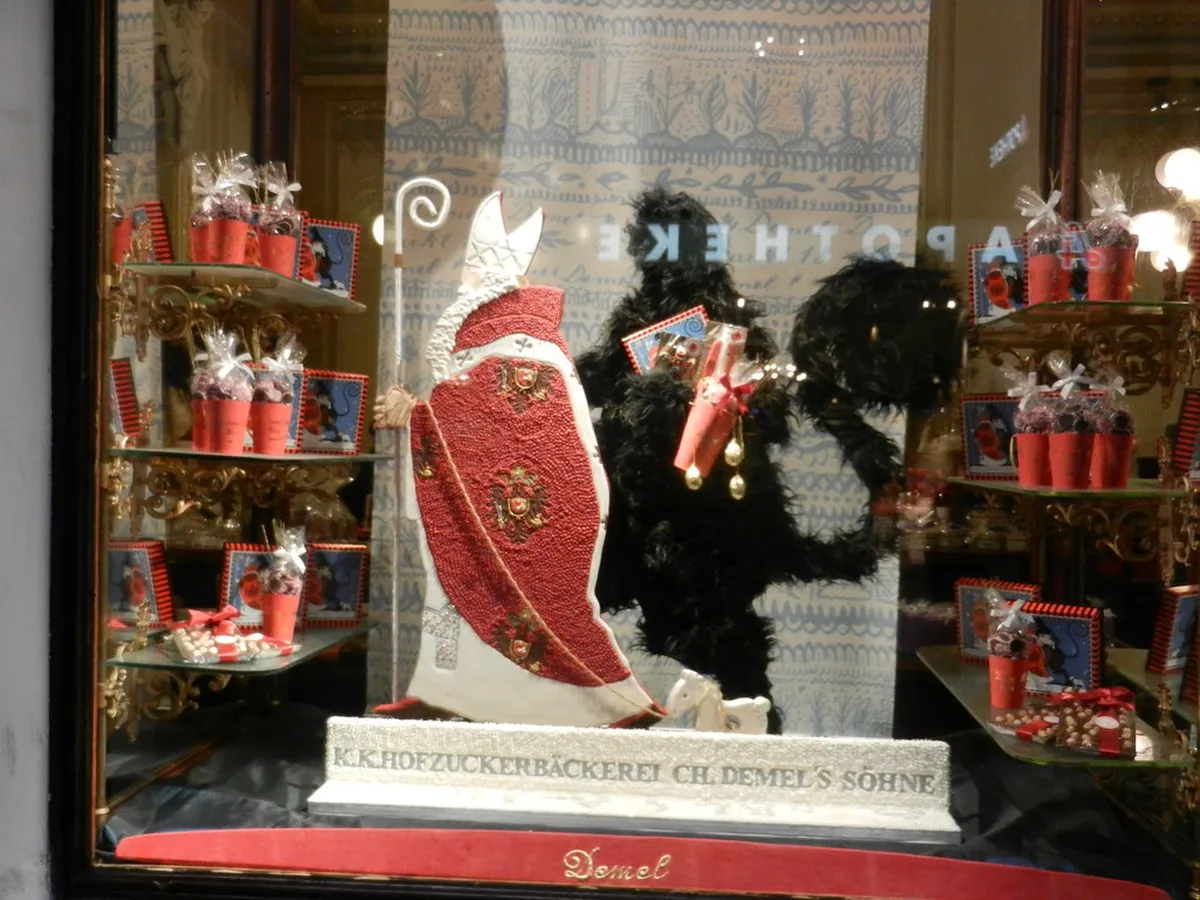
Something most Christmas market guides skip entirely is the Krampus tradition, which is woven into the Advent calendar in Tyrol in a way that is entirely unlike anything in Germany or Switzerland. From late November through early December, groups of performers dressed as Krampus — the horned, chain-dragging companion to Saint Nicholas in Alpine folklore — parade through the streets of Innsbruck in organized Krampuslauf (Krampus runs). The figures are costumed in elaborate hand-carved wooden masks, animal furs, and bells, and they move through the crowds in genuinely theatrical fashion.
The Krampus runs are not staged for tourists in a controlled setting. They happen on specific evenings in the Old Town and surrounding neighborhoods, and the crowds who gather are a mix of locals and visitors. Children are simultaneously terrified and fascinated. Adults tend to find the spectacle genuinely striking. The tradition predates Christmas markets in the region by several centuries — it is part of the original Tyrolean Advent cycle that the markets grew up around.
The runs happen most frequently in the first ten days of December, leading up to Saint Nicholas Day on December 6. There is no single official program — the Innsbruck tourism office publishes dates on its events calendar as they are confirmed. If your visit falls between November 28 and December 6, check the local events listing before you arrive. Witnessing a Krampus run on the same evening you walk the Old Town market is one of the genuinely unrepeatable experiences Innsbruck offers that larger cities simply cannot provide.
Essential Logistics: Transport, Hotels, and Mug Deposits
Getting to Innsbruck is straightforward from most of central Europe. Bus Line F connects Kranebitten Airport (INN) to the city center and main train station in 15 minutes; the airport is only 4 km from the Old Town. The high-speed ICE train from Munich takes 1.5 to 2 hours and deposits you at Innsbruck Hauptbahnhof, which is within walking distance of all the central markets. From Salzburg, the ÖBB train runs in about 2 hours; from Vienna, the journey is roughly 4.5 hours. If you are combining cities, check the salzburg christmas market dates to sequence the two stops efficiently.
The Innsbruck Card is worth calculating before you buy. The 24-hour card covers unlimited public transport, the Hungerburgbahn funicular, entry to the Hofburg palace museum, the City Tower, and the shuttle to Swarovski Kristallwelten. If your day includes the funicular (around €14 round trip) plus one or two museums, the card pays for itself. The pass activates on first use, so you can time it to a full-day itinerary. It does not cover the Nordkette gondola above Hungerburg — that is a separate ticket.
The Glühwein mug deposit is €4–€5 per cup at most stalls. Critically, you can return the mug and collect your deposit at any drink stall in the city, not just the one where you bought it. This matters if you are moving between markets and don't want to carry a cup from the Old Town all the way to Marktplatz. Many visitors keep one mug as a souvenir — the designs vary by market, with Hungerburg, Old Town, and Marktplatz each using distinct styles. Cash is still the dominant payment method at food and small craft stalls throughout Innsbruck. Carry €20–€30 in small notes and coins. ATMs are located throughout the Old Town but have queues in the evening peak hours. Most larger permanent shops on Maria-Theresien Straße accept cards normally.
What to Pack
Temperatures at the Innsbruck markets typically run between -2°C and 4°C during the day in December. The mountain valley setting creates a specific microclimate: the Föhn wind can push temperatures up unexpectedly during the day, but evenings drop fast once the sun clears the Nordkette. Layering is more important here than in a flat city because the temperature swing between a sunny afternoon and a 19:00 market visit can be six to eight degrees.
Sturdy waterproof boots matter more than almost anything else you pack. The cobblestones in the Altstadt become slippery when snow melts and refreezes overnight. You will spend several continuous hours standing and walking. Thermal socks and a waterproof outer layer for the feet will determine how long you stay comfortable at the stalls. For the Hungerburg visit, add an extra wind-resistant layer — conditions there are consistently sharper than in the valley.
- Thermal base layers and moisture-wicking underlayers
- Insulated, waterproof winter coat
- Woolen hat, gloves, and a scarf — cold air in the valley hits at street level
- Waterproof boots with grip soles for cobblestones
- Portable power bank — cold weather drains phone batteries fast
- Small cash wallet with easy access — fumbling with a large bag slows stall transactions
Frequently Asked Questions
Is the Innsbruck Christmas market worth visiting?
Yes, it is highly worth visiting for its unique alpine setting. The city offers seven distinct markets within walking distance. You get a blend of traditional Tyrolean culture and modern light displays.
When are the 2026 dates for the markets?
The markets generally open in mid-November 2026, with the Old Town market closing in late December (in 2025 it opened 15 November and ended 23 December). Check the official Innsbruck Christmas Markets website for confirmed 2026/2027 dates. You can find more details in the vienna christmas market dates guide for comparison.
Do stalls in Innsbruck accept credit cards?
Most market stalls are cash-only for small purchases. You should carry enough Euros for food, drinks, and small gifts. Larger shops in the city center will accept cards normally.
Innsbruck provides one of the most scenic holiday experiences in Europe. The combination of mountain views and medieval architecture is truly special. Visiting between late November and mid-December ensures you see the best markets. You should consider a trip to the salzburg christmas market to complete your journey.
Remember to dress warmly and carry cash for the best experience. The Swarovski tree at Marktplatz remains a must-see highlight for every visitor. Plan your route to include both the valley and the mountain markets. Innsbruck will leave you with lasting memories of a traditional Austrian Christmas.
Free guide: Europe's Festival Calendar
A month-by-month map of Europe's unmissable festivals — with the best dates to visit each and a local tip you won't find in the guidebooks.
You might also like


Continue reading
More guides you'll find useful