7 Best Christmas Markets in Austria and Switzerland Itinerary
Plan the best christmas markets in austria and switzerland with our 7-day itinerary. Find costs, transit tips, and must-see stalls for a magical trip.
On this page
7-Day Itinerary for the Best Christmas Markets in Austria and Switzerland
Planning a winter trip to Central Europe is a dream for many travelers. We believe the best christmas markets in austria and switzerland offer unmatched holiday magic. This guide is designed for first-timer visitors looking for a seamless cross-border experience. Last updated February 2026.
We recommend starting in the imperial streets of Vienna before heading west. The route follows the snowy Alps through Salzburg and Innsbruck into the heart of Switzerland. You will experience everything from giant wooden pyramids to lakeside artisan stalls. Our plan ensures you see the highlights without feeling rushed or overwhelmed.
In our view, seven days is the perfect duration for this specific route. We have included typical costs, transit durations, and essential booking tips for 2026. You can expect crisp mountain air, warm spiced wine, and festive lights everywhere. Let us help you navigate the logistics of this enchanting winter wonderland.
Free guide: Europe's Festival Calendar
A month-by-month map of Europe's unmissable festivals — with the best dates to visit each and a local tip you won't find in the guidebooks.
Must-See Christmas Markets in Austria and Switzerland
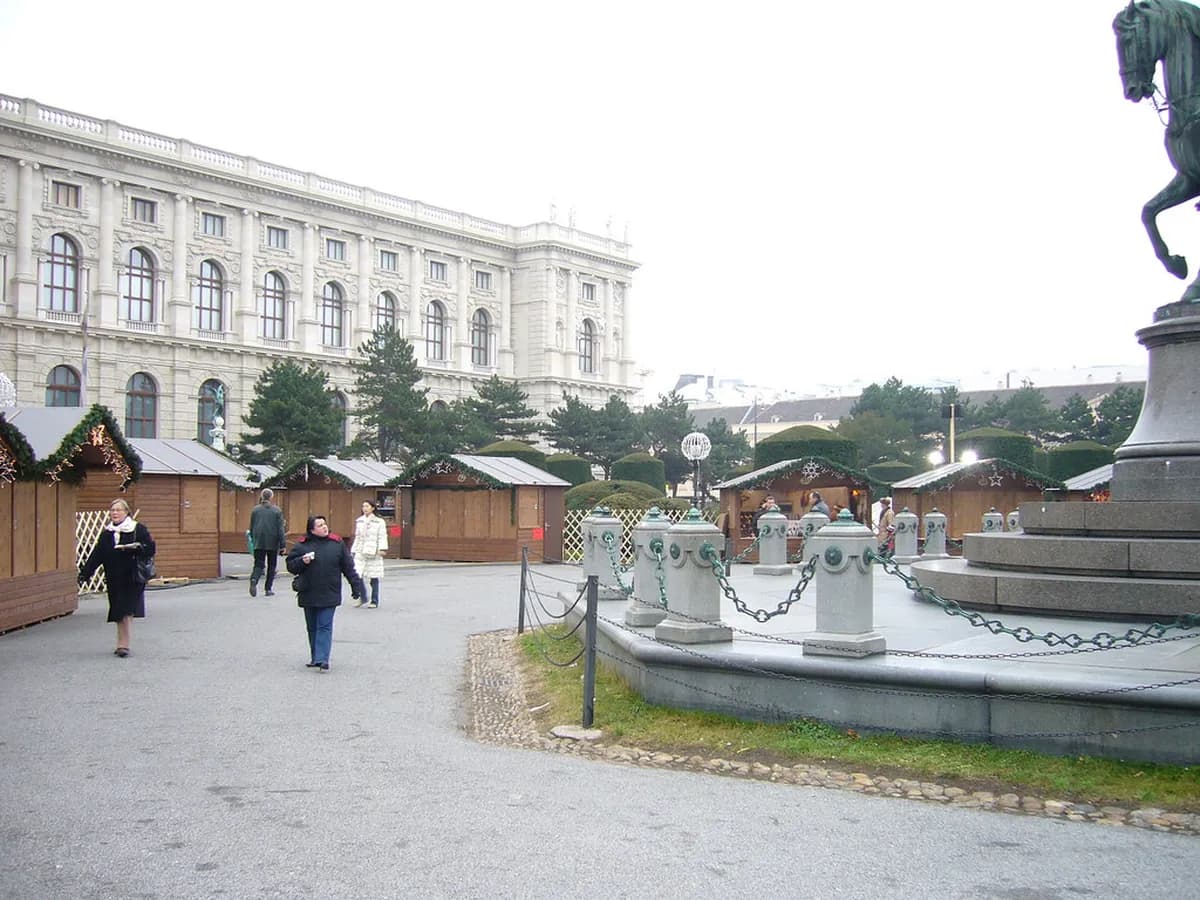
Vienna anchors the Austrian side of this route with the largest concentration of markets in the country. The Rathausplatz market in front of City Hall is the obvious centerpiece — over 150 stalls sell everything from hand-dipped candles to liqueur chocolates, and the neo-Gothic City Hall lights up dramatically at dusk. A few blocks away, the Belvedere Palace market is smaller but more photogenic, with a pond filled with floating stars and the green baroque roof as backdrop. If you want something genuinely local, Spittelberg in the 7th district is the artisan quarter market — fewer tourists and more handmade jewelry and ceramics.
Salzburg is the emotional peak of the Austrian leg. The Residenzplatz and Domplatz markets are essentially one continuous space flanked by the cathedral and the fortress hill — both are among Austria's oldest markets, and the combination of church bells and choir music is hard to match. Innsbruck then delivers the Marktplatz Swarovski tree, a crystal-encrusted installation that lights up brilliantly enough to be seen from across the Inn river.
On the Swiss side, Basel's Barfüsserplatz and Münsterplatz markets are consistently ranked among the best in the country. The Münsterplatz market is famous for its decorated forest of trees and opens daily 11:00–20:30 during the season. Zurich's main station market, featuring a massive suspended Swarovski tree, draws the biggest crowds — arrive before 17:00 on weekdays to explore without shoulder-to-shoulder congestion. The montreux christmas market adds a completely different dimension: a lakeside promenade setting with the Alps reflected in Lake Geneva at sunset.
7-Day Christmas Market Route At a Glance
This high-level summary helps you visualize the entire week-long journey. We have grouped activities by neighborhood to keep your walking time low. Each day focuses on a different city to maximize your festive variety. Check the specific vibe tags to see which days match your interests.
Most markets open around 10:00 and close by 21:00 or 22:00. We suggest arriving at the larger markets just before dusk for photos. This allows you to see the lights flicker on without the heaviest crowds. Keep some small euro and franc coins ready for mug deposits.
- Day 1: Imperial Vienna lights
- Morning: Rathausplatz Dream Market
- Afternoon: Belvedere Palace stalls
- Evening: Stephansplatz cathedral atmosphere
- Day 2: Alpine Salzburg carols
- Morning: Train to Salzburg
- Afternoon: Residenzplatz historic market
- Evening: Hohensalzburg Fortress views
- Day 3: Golden Innsbruck peaks
- Morning: Hellbrunn Palace adventure
- Afternoon: Train to Innsbruck
- Evening: Old Town Golden Roof market
- Day 4: Sparkling Zurich crystals
- Morning: Hungerburg funicular views
- Afternoon: Train to Zurich
- Evening: Sechseläutenplatz Wienachtsdorf
- Day 5: Historic Basel charms
- Morning: Bahnhofstrasse window shopping
- Afternoon: Train to Basel
- Evening: Barfüsserplatz and Münsterplatz
- Day 6: Lakeside Montreux magic
- Morning: Basel Old Town walk
- Afternoon: Train to Montreux
- Evening: Lakeside promenade stalls
- Day 7: Swiss mountain goodbyes
- Morning: Chillon Castle visit
- Afternoon: Lakeside farewell fondue
- Evening: Departure from Geneva airport
7-Day Itinerary: Best Christmas Markets in Austria and Switzerland
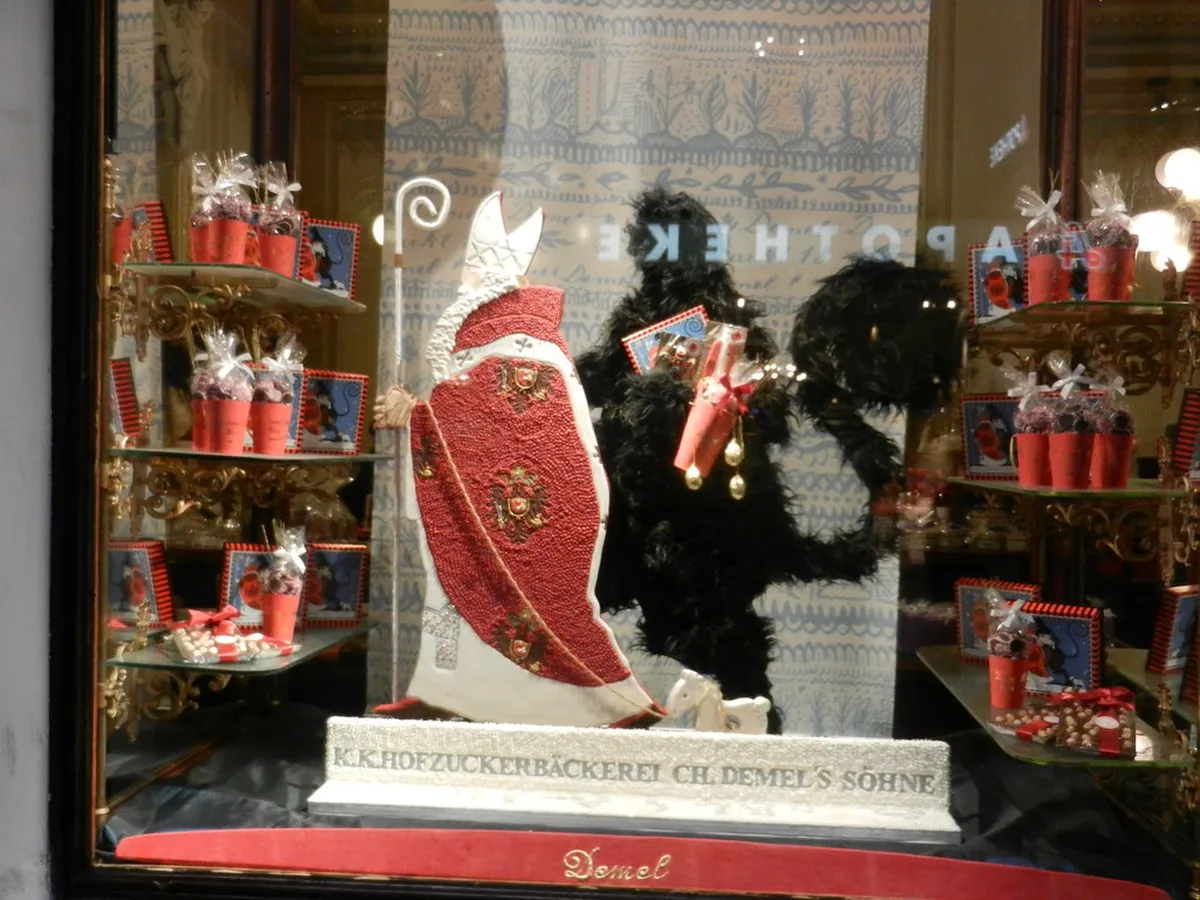
The vienna christmas market scene is arguably the most grand in Europe. We suggest starting at Rathausplatz where the City Hall provides a stunning backdrop. Most visitors find the 18:00 rush is too crowded for easy walking. Try to visit the smaller markets like Spittelberg for a more local feel.
Moving into the Alps, the salzburg christmas market feels like a fairy tale. The sound of church bells and choir song fills the crisp mountain air. We recommend taking the funicular up to the fortress for a panoramic view. The stalls here offer high-quality wood carvings and traditional pewter ornaments.
Crossing into Switzerland introduces a different style of festive celebration. The zurich christmas market at the main station features a massive Swarovski tree. In Basel, the markets are spread across two historic squares with giant lanterns. We love the lakeside setting of the montreux christmas market for its unique sunset views.
- Day 1: Explore the Grandeur of Vienna
- Morning: 10:00 – 13:00, Rathausplatz Market
- Afternoon: 14:00 – 17:00, Belvedere Palace stalls
- Evening: 18:00 – 21:00, Stephansplatz lights
- Time: ~8 hours exploring
- Logistics: Use U-Bahn lines U2 or U3
- Optional: Swap Belvedere for Spittelberg artisan stalls
- Day 2: Historic Charm in Salzburg
- Morning: 09:00 – 11:30, Railjet to Salzburg
- Afternoon: 13:00 – 16:00, Residenzplatz Market
- Evening: 17:00 – 20:00, Hohensalzburg Fortress
- Time: ~2.5 hours transit
- Logistics: Walkable city center from station
- Optional: Add a Mozart concert evening
- Day 3: Mountain Magic in Innsbruck
- Morning: 10:00 – 12:00, Hellbrunn Palace
- Afternoon: 13:00 – 15:00, Train to Innsbruck
- Evening: 16:00 – 20:00, Old Town Market
- Time: ~2 hours transit
- Logistics: Bus 25 to Hellbrunn (~20 min)
- Optional: Swap Hellbrunn for Mirabell Gardens
- Day 4: Urban Sparkle in Zurich
- Morning: 09:00 – 11:00, Hungerburg Funicular
- Afternoon: 12:00 – 15:30, Train to Zurich
- Evening: 17:00 – 21:00, Sechseläutenplatz
- Time: ~3.5 hours transit
- Logistics: Railjet from Innsbruck Hbf
- Optional: Visit the Christkindlimarkt at the station
- Day 5: Artisan Craft in Basel
- Morning: 10:00 – 12:00, Bahnhofstrasse walk
- Afternoon: 13:00 – 14:30, Train to Basel
- Evening: 16:00 – 20:00, basel christmas market
- Time: ~1 hour transit
- Logistics: Frequent SBB trains from Zurich
- Optional: Swap Basel for a Lucerne day
- Day 6: Lakeside Dreams in Montreux
- Morning: 10:00 – 12:00, Basel Münsterplatz
- Afternoon: 13:00 – 15:30, Train to Montreux
- Evening: 17:00 – 21:00, Lakeside Promenade
- Time: ~2.5 hours transit
- Logistics: Scenic SBB train via Lausanne
- Optional: Visit the Flying Santa show
- Day 7: Medieval History and Departure
- Morning: 09:30 – 12:00, Chillon Castle
- Afternoon: 13:00 – 15:00, Farewell lakeside meal
- Evening: 16:00 – 18:00, Train to Geneva
- Time: ~1 hour transit
- Logistics: Direct trains to Geneva Airport
- Optional: Swap Chillon for Gruyères village
What to Eat and Buy at Austrian and Swiss Markets
Austrian markets run on a short list of essentials you should not miss. Glühwein (mulled red wine) is ubiquitous — a standard mug costs EUR 4–6, with a EUR 2–3 deposit on the branded cup. In Innsbruck, try Kiachln, which are deep-fried yeast doughnuts dusted with powdered sugar and served hot. Salzburg is the place to pick up Mozart Chocolates, the marzipan and nougat rounds that are sold at Residenzplatz stalls in decorative tins. Roasted chestnuts (Maroni) are sold from street carts throughout Vienna for around EUR 3–4 a bag and are ideal for keeping your hands warm while walking between markets.
On the food side, look for apple strudel (Apfelstrudel), bread dumplings (Semmelknödel), and Wienerschnitzel at Austrian stalls. These are filling and cost EUR 8–14 per serving at most market restaurants. For gifts and souvenirs, hand-painted glass baubles, intricate carved wooden ornaments, and pewter decorations are the strongest buy — these are genuinely artisan-made at the better Austrian markets, not mass-produced imports.
Swiss markets skew toward a different culinary register. Raclette — melted cheese scraped over potatoes — runs CHF 10–15 per portion at most Basel and Zurich stalls. Fondue chalets at Montreux offer sit-down dinners for CHF 30–45 per person and should be booked a few days ahead during peak weekends. Swiss markets also stock a higher proportion of luxury goods: Lindt and local chocolatiers sell advent calendars and gift boxes, and hand-blown glass ornaments from local craftspeople make excellent gifts that pack flat.
Family-Friendly and Budget-Friendly Options
Families traveling with children have strong options in both countries. Vienna's Rathausplatz market has a dedicated children's zone where kids can learn to make candles and decorate cookies — a rare hands-on activity at a major European market. The Prater amusement park in Vienna keeps some rides operational through winter, including the historic giant wheel, and costs nothing to enter the grounds. Hellbrunn Palace near Salzburg transforms its trick fountains into an Advent market with illuminated window calendars that children find genuinely magical.
Budget-conscious travelers can cover both countries without spending heavily on admissions. Market entry is free at every market on this route — the cost is entirely in what you eat and buy. A realistic daily market spend is EUR 20–35 per person in Austria (Glühwein, a meal, a small souvenir) and CHF 25–45 in Switzerland. Long-distance rail is the biggest variable: OeBB Railjet tickets from Vienna to Salzburg bought 60 days ahead cost as little as EUR 19 in second class. SBB trains within Switzerland are more expensive but the Swiss Travel Pass covers unlimited rides if you are spending five or more days on Swiss rails.
One underused budget move: the Vienna City Card (EUR 17/24h or EUR 29/48h) covers all U-Bahn, tram, and bus rides and pays for itself quickly when visiting markets across the city's different districts. Similarly, Basel and Zurich hotels typically provide a free public transport guest card at check-in — confirm this when booking, as it saves CHF 4–7 per journey.
Making the Most of Short Winter Days
The single fact that most first-timers underestimate is how short daylight hours are in December across Austria and Switzerland. The sun rises close to 08:00 and sets by around 16:00 — which means you have roughly eight hours of daylight per day. This changes how the itinerary should actually be structured. Spend mornings on daytime-only attractions: palace interiors, viewpoints, and any hike or funicular ride. Markets genuinely come alive at dusk, so plan your market arrivals for 15:30–16:00 to catch the lights switching on before the peak evening crowd arrives around 18:00.
The 15:30–17:30 window is also the best time for market photography. The sky holds a blue hour glow behind the city silhouettes and market stalls, and crowds have not yet hit their evening density. In Innsbruck, the Swarovski tree at Marktplatz is most impressive in this window. At the Salzburg Domplatz, the combination of the fortress lit on the hill and the cathedral behind the stalls is a scene that disappears by 18:30 when artificial light drowns the ambient glow.
Pack accordingly for the cold. Temperatures across the route regularly drop to -5°C or lower after dark, and cobblestone standing is far colder than walking. Waterproof boots with grip matter more than warmth alone — Austrian and Swiss old-town streets get icy overnight and are only treated with grit, not salt. Keep hand warmers in your coat pockets for the evening sessions.
Where to Stay for the Best Market Access
Choosing the right base is vital for a smooth winter trip. In Vienna, we recommend staying in District 1 or near Rathausplatz. This allows you to walk to several major markets without using transit. Hotels near the Westbahnhof are also convenient for early morning trains.
Salzburg is best experienced by staying in the historic Altstadt area. You will be steps away from the Residenzplatz and the cathedral stalls. If you prefer a quieter stay, look across the river in Schallmoos. This area is closer to the main train station for your departures.
Swiss cities like Zurich and Basel have excellent public transport networks. We suggest staying within a 10-minute walk of the main train stations. This makes hauling luggage between cities much easier during the snowy months. Many hotels offer a free local transport pass upon check-in.
Book in Advance: Timed Entry and Reserved Seats
The holiday season is the busiest time for Central European travel. We recommend booking your long-distance train tickets at least 60 days ahead. This secures the lowest fares on OeBB and SBB rail networks. Seat reservations are highly recommended during the peak advent weekends.
Many top attractions now require timed entry tickets to manage crowds. The Schönbrunn Palace in Vienna often sells out several days in advance. We suggest booking your slot at least two weeks before your visit. This prevents waiting in long outdoor queues during freezing temperatures.
Evening events like concerts or dinner shows also require early planning. A typical Viennese Mozart and Strauss concert dinner experience costs around $84–$101 per adult depending on the operator. We advise booking these performances at least 30 days before arrival. This ensures you get a seat in the more intimate historic venues.
Christmas in Switzerland: Traditions and Flavors
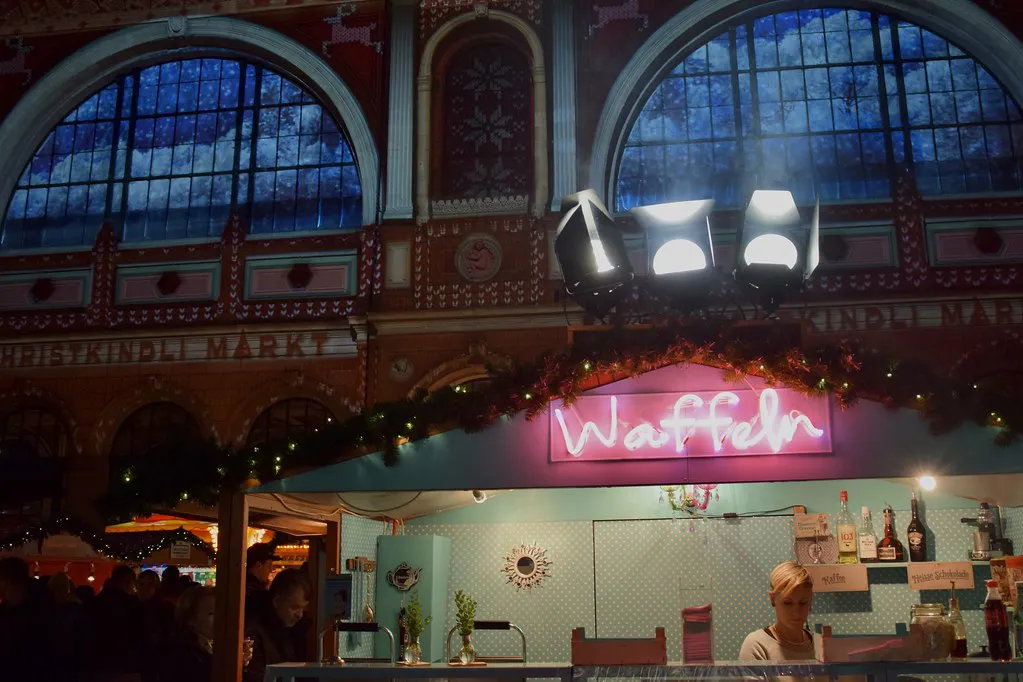
Swiss markets offer a distinct culinary experience compared to Austrian ones. You must try the raclette, which is melted cheese scraped onto potatoes. A portion typically costs between CHF 10 and CHF 15 at stalls. We also recommend the fondue chalets for a cozy sit-down dinner.
Basel's market is famous for its beautifully decorated forest of trees and hand-painted glass baubles. You will find intricate wooden toys and artisan crafts that justify a separate shopping budget. The Münsterplatz market is famous for its beautifully decorated forest of trees. It opens daily from 11:00 to 20:30 during the season.
Zurich's Singing Christmas Tree is a unique tradition you cannot miss. Choirs stand on a tiered, tree-shaped stage to perform carols nightly. We suggest checking the performance schedule on the official city website. Most shows take place between 17:30 and 18:30. Swiss Christmas also has a strong tradition of handmade candles and decorated gingerbread, both of which make far better gifts than mass-produced ornaments.
Is 7 Days Enough for Austria and Switzerland?
Many travelers wonder if one week is sufficient for two countries. In our view, seven days allows for a focused and enjoyable pace. You can see the major highlights without feeling like you are rushing. However, you must be disciplined with your morning transit schedules.
If you prefer a slower pace, consider skipping one of the smaller cities. Focusing only on Vienna, Salzburg, and Zurich can reduce your travel time. This gives you more hours to linger over a hot mug of glühwein. Trade-offs are necessary when trying to cover significant geographic distances.
For those who want more, adding an extra day is always beneficial. You could include a stop in hallstatt christmas market for a day trip. This village is incredibly picturesque but can be very crowded at midday. We recommend arriving by 09:00 to beat the large tour buses.
Frequently Asked Questions
Where are the best Austrian Christmas markets?
The best markets are in Vienna, Salzburg, and Innsbruck. Vienna offers grand imperial settings like Rathausplatz. Salzburg provides an intimate alpine atmosphere in its historic Old Town squares.
What is the most beautiful Christmas market in Switzerland?
Basel is often cited as the most beautiful Swiss market. It features over 150 stalls across Barfüsserplatz and Münsterplatz. The city's historic architecture and giant lanterns create a magical glow.
Is Vienna or Salzburg better for Christmas markets?
Vienna is better for variety and scale with over a dozen major markets. Salzburg is better for traditional atmosphere and mountain scenery. We recommend visiting both for the full experience.
Related: festivals and events in Zurich.
Exploring the best christmas markets in austria and switzerland is a bucket-list experience. Our 7-day itinerary balances the grand city lights with cozy alpine traditions. We hope this plan helps you navigate the logistics with ease and confidence. Remember to pack warm layers and comfortable walking shoes for the cobblestones.
Whether you are sipping cider in Vienna or eating cheese in Basel, the magic is real. Safe travels and enjoy the most wonderful time of the year in Europe. We look forward to hearing about your festive adventures across the Alps.
Explore More Festival Guides
Keep planning with our other in-depth festival guides across Europe.
- Basel Christmas Market Guide
- Bern Christmas Market
- 11 Best Graz Christmas Markets to Visit
- Hallstatt Christmas Market
- Innsbruck Christmas Market Guide
- 8 Best Things to Do at the Lucerne Christmas Market
- Montreux Christmas Market Travel Guide
- 7 Best Salzburg Christmas Markets to Visit
- 10 Best Salzburg Christmas Market Dates & Guide
- 10 Best Vienna Christmas Markets to Visit
- 11 Essential Vienna Christmas Market Guides and Dates
- 10 Best Areas & Hotels Where to Stay for Salzburg Christmas Market
- 6 Best Areas and Hotels for Vienna Christmas Markets
- 9 Essential Highlights of the Zurich Christmas Market
Free guide: Europe's Festival Calendar
A month-by-month map of Europe's unmissable festivals — with the best dates to visit each and a local tip you won't find in the guidebooks.
You might also like


Continue reading
More guides you'll find useful