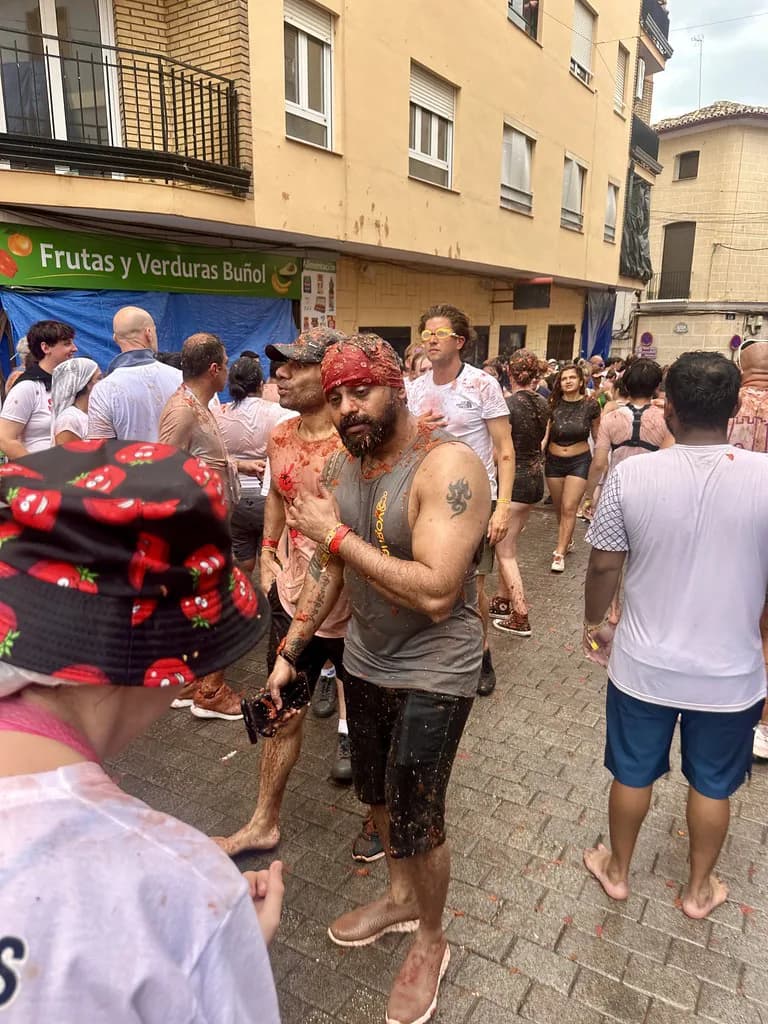
How to Watch La Tomatina: 2026 Survival Guide
Master the world's biggest food fight with our guide on how to watch La Tomatina. Includes ticket booking, transport from Valencia, and 10 survival tips.
On this page
10 Essential Tips for How to Watch La Tomatina
La Tomatina is the world's most famous food fight held annually in Buñol on the last Wednesday of August. Last updated April 2026, this guide covers every logistical detail for your trip. You will join roughly 22,000 people throwing 150,000 kilos of ripe tomatoes through narrow streets for exactly one hour. It is one of the best festivals in Spain for adventurous travelers.
Planning how to watch La Tomatina requires careful preparation months in advance. The town of Buñol transforms into a red, pulpy sea that you need to see to believe. Participants must follow strict safety rules to keep the chaos fun rather than dangerous. This guide takes you through tickets, transport, the pre-fight pole tradition, and the messy aftermath — in the order you will actually need the information.
Free guide: Europe's Festival Calendar
A month-by-month map of Europe's unmissable festivals — with the best dates to visit each and a local tip you won't find in the guidebooks.
Understanding the La Tomatina Schedule and Timing
The main events follow a strict chronological order that rewards early arrivals. Crowds begin gathering in the narrow streets of Buñol around 8:00 AM, and the atmosphere is already electric by then. Local residents toss water from balconies to cool participants and add to the chaos. This pre-fight energy is part of the experience — budget time for it.
The first major event is the Palo-Jabón, which starts at 10:00 AM. Participants attempt to climb a heavily greased wooden pole to reach a Spanish ham tied to the top. The tomato trucks officially cannot enter until someone retrieves the ham, though in practice the fight begins at 11:00 AM regardless of whether the ham has been taken. If you want a good viewing spot near the pole, position yourself before 9:30 AM.
A loud firework signal marks the start of the fight at exactly 11:00 AM. Six massive trucks roll through the crowd and dump the tomatoes into the street. The chaos lasts sixty minutes until a second firework sounds the ceasefire. Stop throwing the moment you hear the second bang — the rules and the local police both take this seriously.
How to Get to Buñol from Valencia
Most visitors stay in Valencia and travel out on festival morning. The journey is straightforward but demands an early start because roads into Buñol close to private vehicles at 07:00 AM. This catches DIY travelers off guard every year — if you are driving, you must park on the town outskirts and walk in, which can add 30 to 45 minutes to your arrival time. Plan your transport to La Tomatina with that hard cut-off in mind.

The C3 Cercanías train line from Valencia Nord to Buñol station is the cheapest independent option. A round-trip ticket costs about €8 per person. You should be on the platform by 06:30 AM to board a reasonably uncrowded train — by 07:30 the carriages are packed solid. The journey takes 50 to 60 minutes, and the walk from the station to the town centre takes a further 15 minutes.
Organized bus tours from Valencia depart between 06:00 and 07:00 AM and guarantee both a seat on the way there and luggage storage on the bus while you fight. Tour operators also drop you close to the entry zone, shaving time off the walk. The trade-off is cost: bus-and-entry packages start around €50 to €65 per person for a day package. If you are traveling solo or are unsure about navigating Spanish train services in a festival crush, a package is worth the premium.
- Step 1: Arrive at Valencia Nord Station early.
- Reach the station by 06:30 AM to beat the largest crowds.
- A round-trip train ticket costs about €8 per person.
- Trains after 07:30 AM are standing-room only with festival-goers.
- Step 2: Board the C3 Cercanías train.
- The journey to Buñol takes approximately 50 to 60 minutes.
- Trains run on an enhanced festival schedule with more frequent departures.
- Keep your ticket — you need it to exit the station on return.
- Step 3: Walk to the ticket exchange hub.
- Follow the crowd for about 15 minutes from the station to the town centre.
- The route is clearly marked and staffed by volunteers.
- Do not stop for a long breakfast yet — the queues at exchange kiosks move quickly early.
- Step 4: Exchange your voucher for a wristband.
- Present your printed ticket and a physical ID at the official kiosks.
- Forgetting your ID is the most common reason for entry rejection.
- Arrive before 09:30 AM to clear this step without long waits.
- Step 5: Enter the restricted security zone.
- Pass through the bag check before 10:00 AM.
- Secure your wristband tightly — it cannot be replaced if lost.
- You are now inside: enjoy the Palo-Jabón and find your spot.
DIY vs. Organized Tour: The Real Cost Comparison
The choice between going independently and booking a package comes down to two things: budget versus convenience. On paper the DIY route is cheaper. In practice, a string of small forgotten costs — replacement goggles, a locker, an overpriced post-fight sandwich, a taxi because you missed the last train — can close the gap fast.
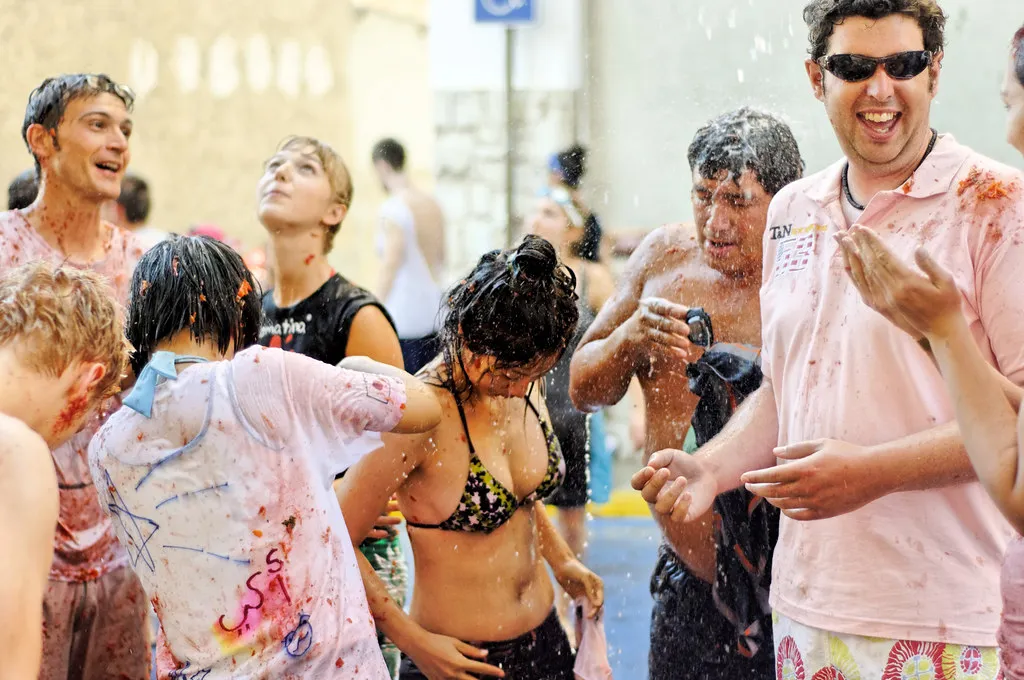
- DIY train route: C3 train return approximately €8, official entry ticket approximately €10, locker rental at Buñol approximately €5, post-fight food and drink approximately €10, cheap backup sunglasses in Valencia approximately €5. Total: roughly €38 to €45 per person if everything goes to plan.
- Day tour package: All-in packages from Valencia (transport, entry, guide, after-party access) start at €50 to €65. The premium buys you bag storage on the bus, a meeting point if your group splits up, and pre-arranged after-party entry. For groups of two or more, the coordination savings are real.
- When DIY makes sense: You speak some Spanish, you are comfortable navigating crowded Spanish train stations at dawn, and you want flexibility on where to eat and drink before and after.
- When a tour makes sense: You are solo, you are arriving from outside Valencia, or you want to guarantee a spot at the official after-party without buying a separate ticket in advance.
One thing both routes share: neither guarantees a smooth return journey. Trains back to Valencia fill within minutes of the second firework. If you are on a tour bus, the driver sets the departure window — usually 13:30 to 14:30. Build that into your plans and you will not be stranded.
Securing Your Official Entry Tickets
Since 2013, the festival has restricted total attendance to around 22,000 people. Of those, 5,000 spots are reserved free for Buñol residents, which means only roughly 17,000 tickets go on general sale. The standard base entry fee is currently €10, though all-in packages that bundle transport and after-party access cost more. Check the tickets and tours page for current package options.
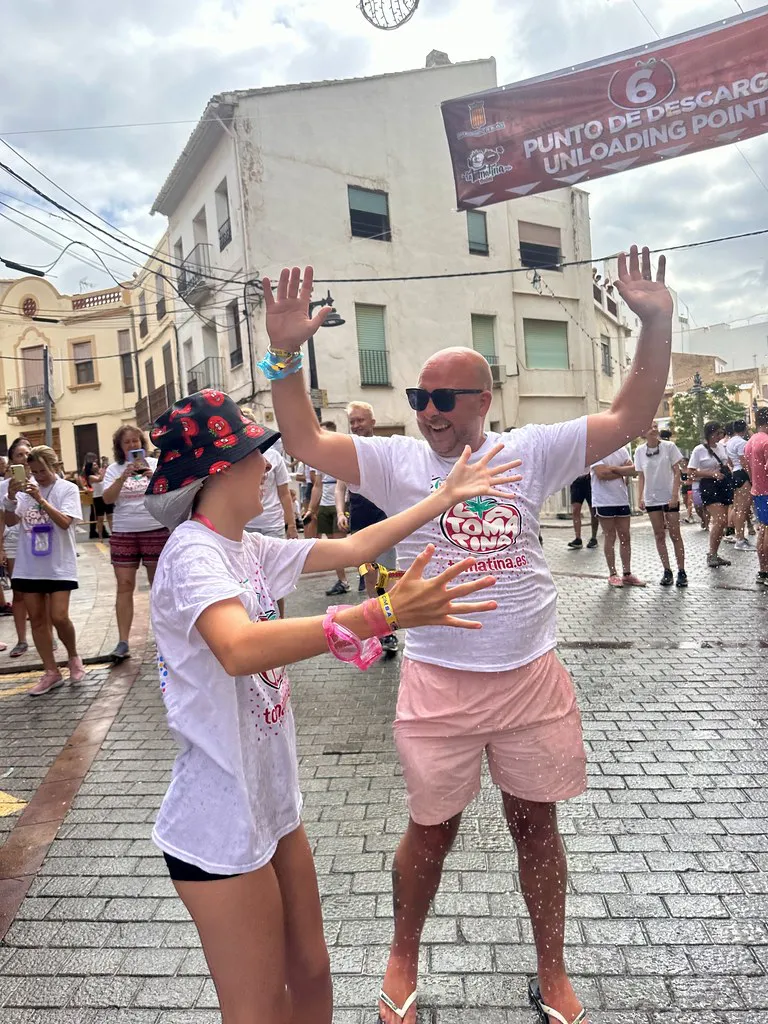
Official tickets regularly sell out several weeks before the August date. Secondary markets frequently overcharge and sometimes sell invalid or fake vouchers. Visit the official site at tomatina.es to buy directly and always print your confirmation — digital copies can fail to scan in bright sunlight. If you are booking a tour package through a local agency such as Festivals All Around, the entry ticket is typically included in the package price.
If you prefer a hands-off approach, full-day tour packages include transport, a guide, and often a pre-party with sangria and food. Prices for these packages range from €50 to €95 depending on inclusions. This is the best option for those who do not want to navigate early-morning Spanish trains in a festival crowd.
Essential Rules of the Tomato Fight
Safety is the top priority for the Buñol local government. You must squash every tomato in your hand before throwing it — this prevents hard, unripened fruit from hitting someone with enough force to cause injury. The rule is well-known but widely ignored in the heat of the moment, which is why it matters that you follow it even if others do not.
Glass bottles and hard objects are strictly forbidden inside the zone. Security staff will confiscate anything that could cause harm at the entry checkpoint. Do not tear or throw t-shirts during the main event, and avoid throwing tomatoes directly at the faces of people who are not looking your way. Respect the residents by keeping tomatoes off the private balconies and house facades above the street.
The fight ends the moment the second firework is launched. You must stop throwing immediately — the cleaning trucks enter the streets within minutes of the signal. Local police enforce compliance. Anyone still throwing after the ceasefire can be removed from the zone.
The Palo-Jabón: Watching the Pole Dash for Ham
The Palo-Jabón is the hilarious tradition that formally precedes the fight and sets the tone for the whole event. A tall wooden pole is coated in thick, slippery grease, and a large leg of Spanish jamón is tied to the very top. Locals and tourists compete to climb the pole and grab it — the prize is the ham itself, which the winner keeps.
Watching the struggle is a highlight even for people who came purely for the tomatoes. Competitors form human ladders to push climbers higher, the crowd sings and dances, and the grease makes every attempt briefly spectacular before the inevitable slide back down. Position yourself in the area around the pole before 09:30 AM if you want a clear view.
Stand back from the immediate base if you want to stay relatively clean for the pole event — the area gets very slippery from water being sprayed on the climbers. The pole section is also the most densely packed area of the whole festival grounds. Once the trucks appear on the street, the crowd naturally spreads out along the route, giving you more room to maneuver.
What to Wear: The White Shirt and Shoe Strategy
Choosing the right outfit matters for both comfort and safety. Most participants wear a basic white t-shirt — the tradition comes from the fact that white shows the bright red tomato stains most dramatically, and it has become part of the visual identity of the event. Review the guide on what to wear to La Tomatina for a detailed breakdown by item.
Footwear is the most important gear decision. Flip-flops will be sucked off your feet within minutes and represent a real safety hazard once the streets turn into a red slush. Wear old trainers with laces tied tight, or cheap closed-toe water shoes. Plan to discard these shoes after the fight — washing tomato pulp out of fabric trainers is rarely worth the effort. Budget around €5 to €10 for a cheap pair of imitation crocs or canvas shoes from a Valencia market to use and throw away.
Avoid any jewelry or accessories you would miss. Tomato acid degrades delicate metals and leather quickly, and the crowd density means bracelets and necklaces can snag. A pair of cheap sunglasses — available for about €5 in Valencia souvenir shops — is worth picking up on your way to the station if you do not want to bring goggles.
What to Pack: Goggles, Cash, and Waterproof Gear
Swimming goggles are the most underrated item on this list. Tomato juice is mildly acidic and the sting in unprotected eyes can be genuinely unpleasant during a 60-minute fight. You will notice the difference between people wearing goggles and those who are not — the goggle wearers are throwing while the others are wiping their eyes. If you buy cheap ones in Valencia the morning of the event, expect to pay €5 to €8.
Keep your money and ID in a waterproof neck pouch worn under your t-shirt. Standard trouser pockets fill with tomato within minutes. Carry at least €20 in cash for street food and post-fight basics — most vendors in Buñol on festival day do not accept cards. A waterproof phone case is worth having if you want photos, but accept that anything you take into the fight zone will come out covered in red.
- Essential Festival Survival Checklist
- Tight-fitting swimming goggles — buy in Valencia the morning of the event if needed.
- Old white t-shirt you are happy to discard afterwards.
- Closed-toe trainers or cheap water shoes with laces tied tight.
- Waterproof phone case or leave the phone in a locker.
- At least €20 in cash for food, lockers, and extras.
- Full change of clothes and shoes stored in a locker or on your tour bus.
- Physical copy of passport or ID for the ticket exchange kiosk.
- Small bottle of water for the train or bus journey to Buñol.
How to Get Clean: Showers and Fresh Clothes Logistics
Cleaning up after the fight is where most DIY plans fall apart. The town provides public showers near the river, but the queues form immediately after the second firework — expect a 20 to 40 minute wait depending on how fast you move. Local residents often hose down participants from doorways at no charge, which is typically faster and more pleasant than the official shower area. Either way, the water is cold.
The key decision is where to leave your clean clothes. Do not carry a full backpack into the fight zone — it will be destroyed and it limits your movement. Lockers are available near the station for about €5, but the cloakroom queues before and after the event are notoriously long and can absorb 30 to 45 minutes of your day. If you are on a tour bus, the operator will store bags in the coach luggage hold — this is the fastest and most stress-free option, which is one practical reason to book a package even if you could manage the train independently.
- Troubleshooting Common Post-Fight Problems
- Tomato pulp in ears and nose rinses out with water — the public showers handle this well.
- Lost shoes are common; bring an old pair you are fully prepared to leave in the street.
- Stained skin fades after a couple of thorough showers; tomato acid is mild on skin but stings cuts.
- Missed trains: check the last return departure time before you go in — trains back to Valencia run until late afternoon, but the early ones sell out.
- Lost friends: agree on a meeting point (the Buñol train station is standard) before entering the fight zone.
Joining the Official Tomatina After-Party
The celebration continues well after the streets are hosed clean. Most participants head back to Valencia in the early afternoon, clean up at their accommodation, and regroup for the official after-party. These events start around 20:00 in large Valencia venues and typically run until the early hours. They are organized by local agencies (Festivals All Around runs one of the biggest) and are a genuine extension of the festival rather than a generic nightclub night.
Access works differently depending on how you booked your day. If you came on a full-day tour package, after-party entry is often included or sold as an add-on at the time of booking. Independent travelers need to buy a separate ticket in advance — prices run around €20 to €25, and these also sell out before the event date. Do not expect to buy at the door. Ticket links appear on the organizer's website and social channels a few weeks before the August date.
If you prefer a quieter end to the day, Valencia has plenty of options. The El Carmen neighborhood is ideal for a relaxed sit-down dinner. Many restaurants run tomato-themed menus on festival night, and booking a table for the early evening (around 19:00) puts you ahead of the returning festival crowd.
Safety Tips for Crowds and Children
La Tomatina is an intense physical experience with very high crowd density. Children under 18 are not permitted in the main fight zone. There is a separate Tomatina Kids event held earlier in the day in a controlled area, which lets younger fans join in safely. If you are traveling with mixed-age groups, plan for two separate schedules.
Dehydration is a real risk in the August heat. Drink plenty of water before entering the restricted zone, because access to hydration once you are inside the fight area is limited. Move toward the side streets if you feel overwhelmed or overheated — the center of the plaza near the tomato trucks is the most densely packed and hottest point. The side streets offer a slightly calmer experience while still putting you in the action.
Always keep your hands visible while moving through the crowd and avoid pushing when the tomato trucks arrive. The trucks move slowly but require a clear path. Follow instructions from local police and security marshals — they know the crowd dynamics and their directions are practical, not bureaucratic.
Frequently Asked Questions
What time does La Tomatina start?
The official tomato fight begins at 11:00 AM after the first firework. You should arrive in Buñol by 8:00 AM to clear security. The event lasts exactly one hour.
Is La Tomatina free to attend?
No, the festival is a ticketed event with a €15 / ~$16 entry fee. You must book your tickets in advance through official channels. Capacity is strictly limited to 22,000 people.
Can you take a phone into La Tomatina?
You can take a phone if it is in a waterproof pouch. Tomato juice is highly acidic and will damage unprotected electronics. Most participants leave valuables in lockers.
Related in Bunol: What Is La Tomatina And How Did It Start.
Attending La Tomatina is a bucket-list experience for many global travelers. Following these tips ensures you stay safe and have maximum fun. You will leave Buñol with red-stained clothes and incredible memories. Prepare your white t-shirt and get ready for the world's biggest fight.
Free guide: Europe's Festival Calendar
A month-by-month map of Europe's unmissable festivals — with the best dates to visit each and a local tip you won't find in the guidebooks.
You might also like


Continue reading
More guides you'll find useful