Durham Lumiere Guide Travel Guide
Durham Lumiere is the UK's biggest light festival: four mid-November nights, free peak tickets, plus 40+ cathedral and riverside installations.
On this page
Durham Lumiere Guide
Durham Lumiere is the UK's biggest light festival, commissioned by Durham County Council and produced by arts company Artichoke. It has run biennially since its debut in 2009 and has now welcomed over one million visitors. The festival transforms the city's medieval streets, riverside paths, and iconic cathedral into a four-night trail of international light art. Planning ahead on tickets and transport is the single most important step for a smooth visit.
Many travelers wonder is Durham Lumiere worth it given the crowds and winter conditions. The short answer is yes — but only if you arrive knowing how the ticketing zones and travel options work. This guide covers every practical detail alongside the standout installations so you can make the most of your evening in Durham.
Free guide: Europe's Festival Calendar
A month-by-month map of Europe's unmissable festivals — with the best dates to visit each and a local tip you won't find in the guidebooks.
Dates, Times, and Tickets
The festival runs for four nights, typically Thursday through Sunday in mid-November. Installations switch on at 16:30 and run until 23:00, with last entry to Durham Cathedral at 22:30. Peak hours run from 16:30 to 19:30 each night. During those peak hours, a free ticket is required to enter the city centre zone.
Tickets are free but carry a £1.50 booking fee per order. They sell out fast — if you cannot book a peak-time slot, the 19:30 onwards period is ticket-free and still features most of the programme. Book through the official Lumiere website as soon as dates are announced, which usually happens several weeks before the event opens.
In recent editions, the festival has extended beyond Durham city itself. Bishop Auckland hosted four installations as part of the wider county programme, with those illuminations running from 17:00 to 22:00. Getting to Bishop Auckland takes roughly 30 minutes by car from Durham, or you can take a bus or train to Bishop Auckland station and walk 15 minutes to the Market Place.
Getting to Durham and Park and Ride
The festival strongly encourages visitors to leave their cars at home or use one of the official park-and-ride sites. Regular shuttle buses run from these sites into the city centre every 15 minutes. The first pick-up from the King William bus stop is at 17:00 and the last is at 21:15. If you are coming from Locomotion, the last pick-up is at 21:45. Shuttle services continue until 23:30 each night.
Return park-and-ride tickets cost £2.20 per person. Concessionary pass holders and under-16s accompanied by an adult travel free. For those who prefer to arrive by bus from further afield, adult single fares in the North East range from £1.60 to a maximum of £2.50. Young people aged 21 or under can buy a single for £1 or a day ticket for £3 covering unlimited bus travel across Tyne and Wear.
Two day-ticket options offer particularly good value if you are combining travel across the region. The Durham Day Rover costs £5 and covers unlimited bus travel throughout County Durham for the day. For broader coverage, a £7.50 ticket covers unlimited travel across Tyne and Wear, County Durham, and Northumberland, and is also valid on the Metro and the Shields Ferry. Neither of these tickets is widely advertised at the festival itself, so it is worth checking in advance.
Must-See Durham Lumiere Attractions
The cathedral projection is the centrepiece of every edition. Artists use the massive stone facade to project intricate stories through shifting colors and layered shapes, drawing the largest crowds of the evening. Palace Green fills up quickly between 17:00 and 19:00, so consider visiting the cathedral first and working outward to the riverside. Walking through the Market Place offers a central hub where several major installations usually cluster.
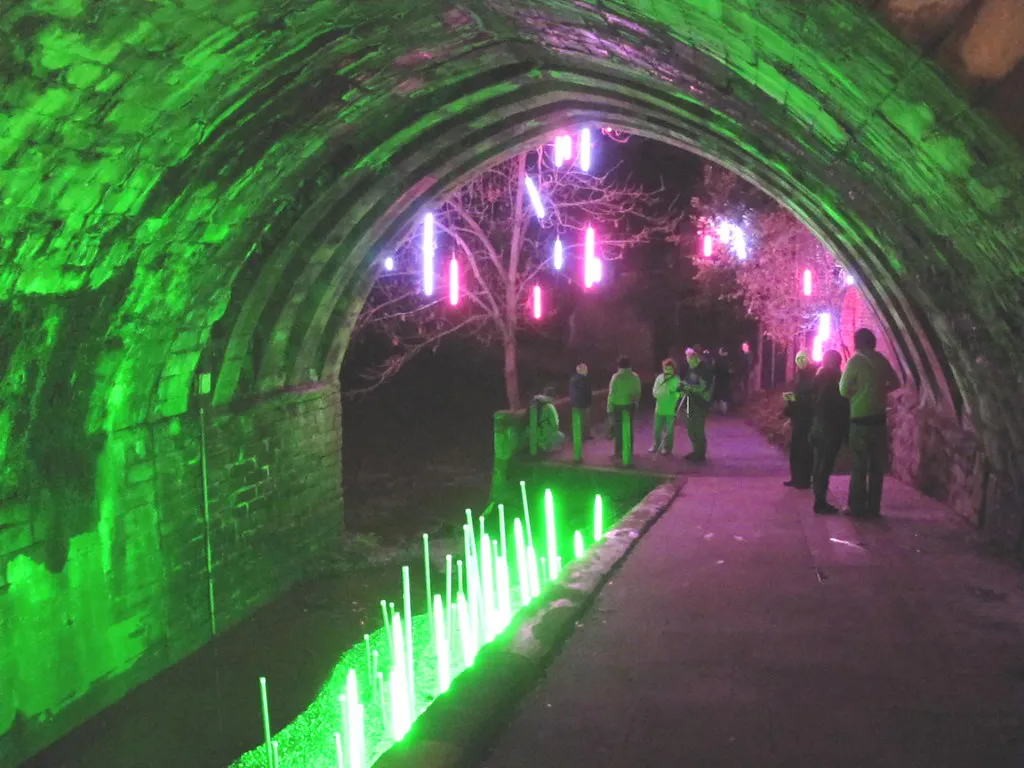
The riverside paths provide a more atmospheric experience than the central squares. Light pieces often float on the River Wear or hang from the ancient bridges, giving excellent photography angles without the squeeze of the narrow medieval lanes. In past editions, Javier Riera's geometric projections into the trees above Prebends Bridge and Fujiko Nakaya's fog-and-light sculpture beneath the cathedral were among the most memorable riverside moments. Wear sturdy shoes, as the river banks become slippery on damp November nights.
The festival map is your essential navigation tool. A printed programme costs £3 from the Lumiere Visitor Hub in Millennium Place, which opens from 11:00 daily and extends to 23:00 from Wednesday through Sunday. A free Lumiere Durham app is also available on Google Play and the App Store — enable location services for live updates and an interactive map showing all 40 or more installations. Pink-vested festival volunteers are posted throughout the city and can redirect you quickly if you get turned around.
Museums, Art, and Culture in Durham Lumiere
Durham's heritage buildings give international artists an unusually powerful canvas. The Palace Green Library regularly hosts indoor installations that offer a brief warm shelter from the cold, with smaller and more delicate light sculptures than you will find on the exterior facades. These indoor pieces tend to reward a slower viewing pace and can be an excellent choice for families with young children who need a break from the cold. For comparison with a similar heritage-focused festival, our Lyon Festival of Lights guide shows how city-centre landmarks can anchor an art trail.
Nina Dunn and John Del' Nero have previously contributed works that blend the spiritual and academic history of Durham with contemporary projection technology. Their collaborative pieces often appear on or near the cathedral, using its verticality to dramatic effect. Art lovers should look for the Global Durham strand in the official programme, which spotlights diverse international perspectives and tends to include artists from countries not typically represented at European festivals.
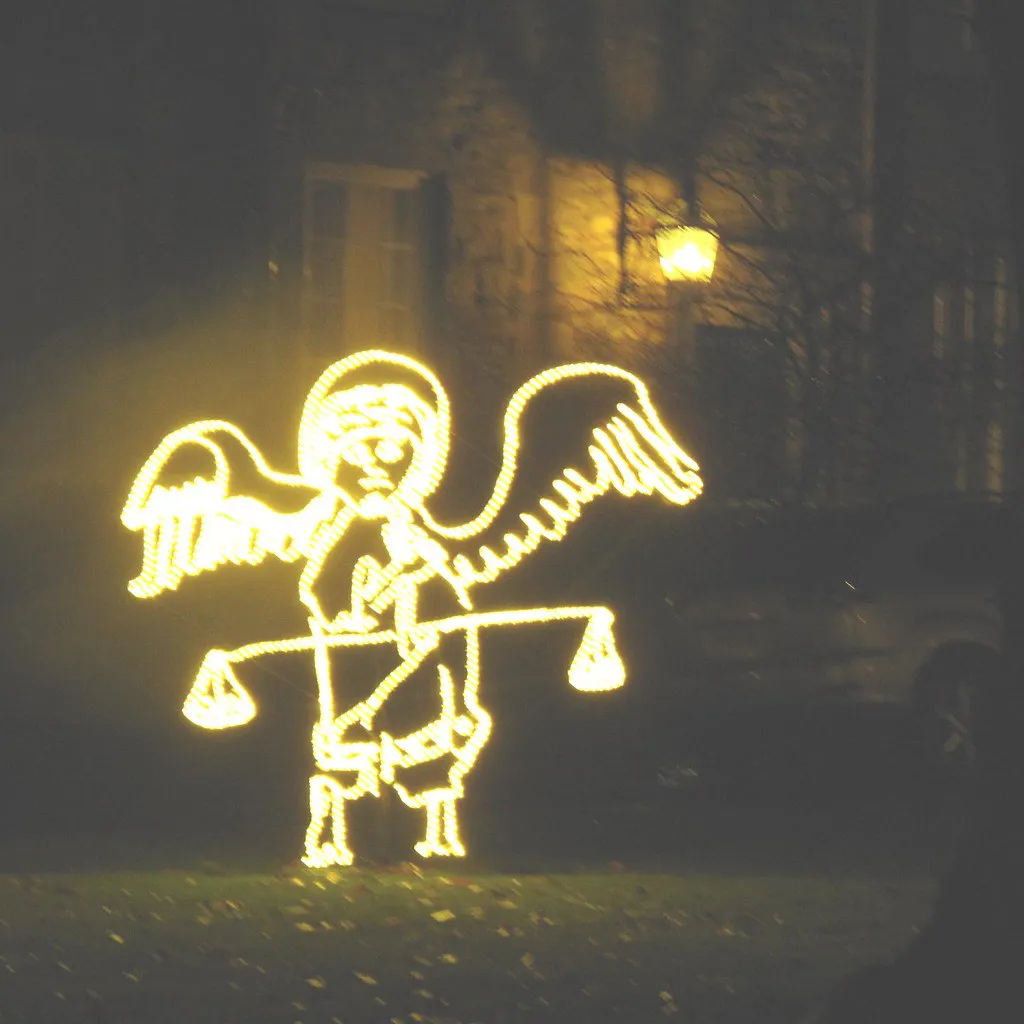
Bernd Spiecker's light bench objects (LBO LichtBankObjekte) are a recurring fixture that many visitors overlook. These illuminated functional sculptures are placed in public spaces where people actually sit on them, turning the act of resting into participation. They are accessible at all hours of the festival and require no ticket to view, making them an ideal stop during the ticket-free late period after 19:30.
Parks, Gardens, and Outdoor Spots in Durham Lumiere
The University Botanic Garden becomes a glowing sanctuary on festival nights. Trees and flower beds are illuminated to create an ethereal environment that feels detached from the main peninsula crowds. This area is consistently less busy than the city centre, making it a better choice for a relaxed stroll. Confirm specific opening times via the official programme, as garden hours sometimes differ from the main festival schedule.
Compagnie Carabosse often fills outdoor spaces with thousands of real flames and fire sculptures. The warmth from these fire installations provides a genuine contrast to the cold evening air and draws visitors who would not otherwise linger outdoors. Walking through a fire garden is one of the most distinctive moments at Lumiere — it does not translate well to photographs and is best experienced in person. Check the weather forecast before your visit, as high winds can affect these fire-based pieces and occasionally require them to be scaled back.
Caitlind r.c. Brown and Wayne Garrett have contributed participatory outdoor works that use light as a collaborative medium between artist and audience. Their installations typically involve large-scale structures where visitors directly change the artwork by their presence or movement. These pieces work best when a small group arrives together, so coordinate with your companions before joining the crowd.
Family-Friendly and Budget-Friendly Options in Durham Lumiere
Families can enjoy Lumiere without significant expense by focusing on the free zones. While the city centre requires a ticket during peak hours, many installations outside that zone remain open to everyone at all times. Interactive pieces that respond to movement or touch are consistently popular with younger children and are usually located outside the ticketed area. Similar free-to-view approaches work well at the Amsterdam Light Festival, where outdoor installations run along public waterways.
Public transport is the most budget-friendly way to reach the city. Under-16s travel free on the park-and-ride shuttles when accompanied by an adult. Young people aged 21 or under pay only £1 for a single bus journey or £3 for a full-day unlimited travel ticket across Tyne and Wear. The Durham Day Rover at £5 unlocks unlimited County Durham bus travel for the full day, covering travel to and from accommodation in nearby towns.
Arriving just after 19:30 on any festival night removes the ticket requirement entirely and cuts queuing time significantly. The installations remain lit until 23:00, giving you three and a half hours of unobstructed access. Many experienced Lumiere visitors deliberately skip the peak rush and arrive at 19:30 for a much calmer experience. Carry a fully charged phone if you have e-tickets for any part of the evening.
How to Plan a Smooth Durham Lumiere Visit
Managing your route in advance is as important as managing your ticket. The festival covers a wide area, from the peninsula and city centre to the university campus and outlying parks. Download the free Lumiere Durham app before you travel and mark the installations you most want to see. Walk the route in roughly geographic order rather than jumping between zones, which wastes significant time on festival nights when streets become congested.
Leave umbrellas, buggies, and pets at home — they create unnecessary friction in narrow medieval streets. Wear warm waterproof layers and footwear with grip. Bring a reusable cup for the food and drink vendors located throughout the trail. Phone signal can be poor in the tightest parts of the peninsula, so screenshot your tickets and map before entering the city centre.
Book accommodation months in advance, as hotels in Durham city sell out weeks ahead of the festival. Many visitors base themselves in Newcastle and take the short train ride into Durham for the evening — Newcastle Central to Durham takes under 15 minutes and trains run frequently late into the night. Travelers interested in the wider European winter festival circuit will find useful comparison in the best light festivals in Europe roundup.
Durham University at Lumiere
Durham University is a core partner of the festival, providing venues, volunteer stewards, and artistic contributions from its student body. The Wider Student Experience programme brings hundreds of students into the event as volunteers, giving the festival a distinct local energy that sets it apart from purely commercial events. Academic research into light technology and perception has also directly inspired several installations across the programme.
The university campus hosts installations that are physically separate from the main peninsula loop. These are worth the short walk because the sites tend to be quieter and the art tends to be more experimental. The campus buildings provide a modern architectural counterpoint to Durham's medieval stone, and the contrast between the two settings makes the walk between them worthwhile. Check the official map to confirm which specific university buildings are open for each edition.
Community and Collaboration Highlights
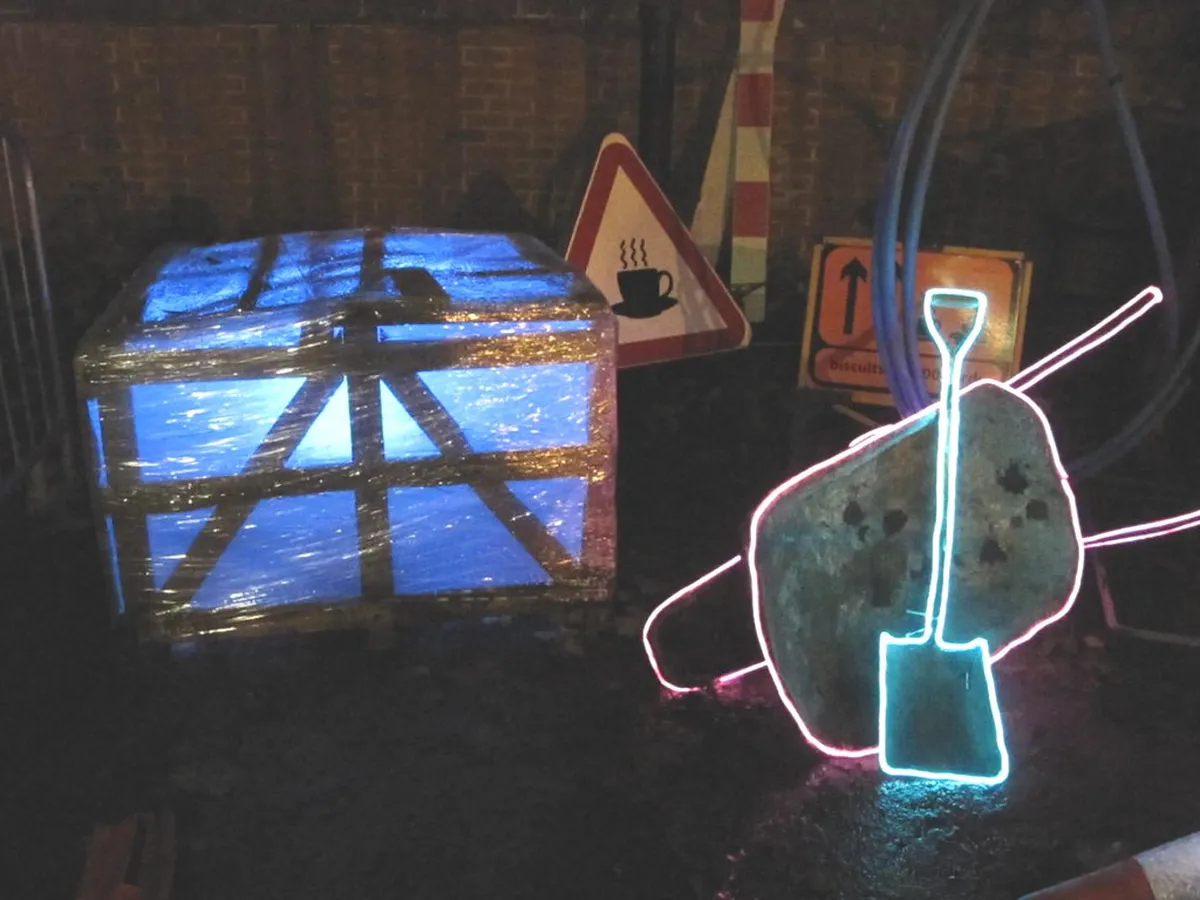
Some of the most affecting work at Lumiere comes from collaborations between professional artists and local communities. Hannah Jane Walker worked with residents at HMP Low Newton to create neon artworks featuring personal written statements. The resulting pieces — including the permanent installation The Next Page on the back of Clayport Library — carry a weight that purely decorative installations rarely achieve. These neon text works are accessible to all visitors and are located outside the main ticketed zone.
Dan Shorten from the Guildhall School of Music and Drama has presented immersive walkway installations such as Light Tunnel, located in Crown Court Gardens. These are reliably crowd-pleasing because they place visitors inside the artwork rather than outside it. East Durham College students have collaborated on video projection projects displayed across the Dunelm House building, giving young local artists a genuinely large-scale audience. These student-led works are highly accessible and close to main transport links.
Jony Easterby, Kathy Hinde, Mark Anderson, Pippa Taylor, and Ulf Pedersen have contributed collaborative works focused on the natural world, combining soundscapes and shifting light in wooded areas near the river. These installations require standing still for several minutes to absorb fully. Bring a small torch and waterproof boots if you plan to access the less-lit park paths where their work is typically sited.
What to Wear and Practical Tips
November in Durham is cold and wet. Average evening temperatures sit between 2°C and 8°C during festival week. Dress in thermal base layers, a waterproof mid-layer, and a wind-resistant outer layer. Waterproof boots with ankle support are essential — cobblestones and riverside paths become extremely slippery after rain, and you will walk far more than you expect.
Avoid umbrellas entirely. In a crowd of thousands in narrow medieval streets, open umbrellas become a hazard to other visitors and will be politely but firmly redirected by stewards. A waterproof hat or hood is the practical alternative. Hand warmers are a worthwhile small purchase for the colder nights, particularly if you plan to stand and watch a long projection sequence.
Frequently Asked Questions
Do I need tickets for Durham Lumiere?
You only need tickets for the city center zone during peak hours from 4:30 PM to 7:30 PM. Outside of these times and locations, the festival is free and open to everyone. Check the comparison with other festivals to see how Durham's ticketing works differently.
How long does Lumiere last?
The festival typically runs for four nights, from Thursday through Sunday. Installations are usually switched on at 4:30 PM and remain lit until 11:00 PM each night. This gives you plenty of time to explore the various zones across the city at your own pace.
Why has Durham Lumiere been cancelled?
Durham Lumiere has not been cancelled; it follows a biennial schedule, meaning it happens every two years. The next major event is planned for 2025, continuing its tradition of lighting up the city. Always check the official website for any rare weather-related updates during the festival weekend.
Durham Lumiere remains one of the UK's most impressive free cultural events, combining international light art with genuinely intimate community-made work. The key to a good visit is simple: book your peak-time tickets the moment they open, choose your transport option in advance using the day rover tickets, and build your route around the app map before you arrive. Layer up, skip the umbrella, and plan to stay until at least 21:00 when the crowds thin and the installations feel entirely different.
Free guide: Europe's Festival Calendar
A month-by-month map of Europe's unmissable festivals — with the best dates to visit each and a local tip you won't find in the guidebooks.
You might also like


Continue reading
More guides you'll find useful


