Milan Design Week Travel Guide
Plan your Milan Design Week visit with top district picks, neighborhood context, 2026 timing tips, and practical booking advice for a smoother trip.
On this page
Milan Design Week: A Complete Guide
Milan Design Week turns the entire city into a working showroom each spring. The 2026 edition runs from April 19 to April 26, anchored by the Salone del Mobile.Milano trade fair at Rho Fiera. Hundreds of open studios and installations then spread through neighborhoods far beyond the fairground gates.
Every district brings its own personality, from industrial halls in Tortona to quiet courtyards near the Quadrilatero. This guide breaks down the top districts, the free versus paid events, and the logistics that keep a day on track. Pair the trip with the wider Festivals and Events in Milan: 2026 Guide calendar to catch extra dates worth planning around.
Free guide: Europe's Festival Calendar
A month-by-month map of Europe's unmissable festivals — with the best dates to visit each and a local tip you won't find in the guidebooks.
Must-See Milan Design Week Highlights
Milan Design Week 2026 centers on the theme Be the Project, running Fuorisalone-wide from April 19 to 26. The concept shifts focus away from finished objects and toward design as an ongoing, human-centered process. Organizers describe it as an invitation to treat every visitor as an active participant rather than a passive viewer.
Salone del Mobile refers specifically to the trade fair at Rho Fiera, while Fuorisalone covers free city installations. Milano Design Week serves as the umbrella term for both combined.
The official trade show, Salone Internazionale del Mobile, fills Rho Fiera Milano with industry showcases and new product launches. Fuorisalone, the citywide fringe program, spreads across dozens of neighborhoods with mostly free installations and open studios. Knowing which half you want shapes how you plan transport, timing, and which map to follow that day.
Brera alone lists more than 300 planned initiatives, from permanent showrooms to short-run pop-up exhibits. Other districts add their own scale, so no single day covers the entire program comfortably. Picking two or three neighborhoods per visit tends to work better than chasing every open studio in town.
The terms Milano Design Week, Fuorisalone, and Salone del Mobile often get used interchangeably, which confuses first-time visitors. Salone del Mobile specifically means the trade fair at Rho Fiera, while Fuorisalone covers the free city program. Milano Design Week works as an umbrella term for the whole week, fair and fringe events combined. Keeping these three terms straight makes it easier to read maps, schedules, and ticket pages without confusion.
- Superstudio Più in Tortona
- Theme: SuperNova large-scale installations
- Highlight: Moooi 25th-anniversary show
- Best for: industry insiders and photographers
- Brera Design Week citywide showcase
- Dates: April 20 to 26, 2026
- Scale: over 300 planned initiatives
- Best for: gallery-hopping in the historic core
- Isola Design Festival near Porta Nuova
- Theme: TEN, the evolving now
- Setting: Piazza Gae Aulenti and nearby streets
- Best for: families and casual visitors
- 5Vie district exhibitions near Castello
- Theme: QoT, Qualia of Things
- Setting: Palazzo Litta and surrounding lanes
- Best for: quieter, artisan-style browsing
Design Districts in the Historic Center
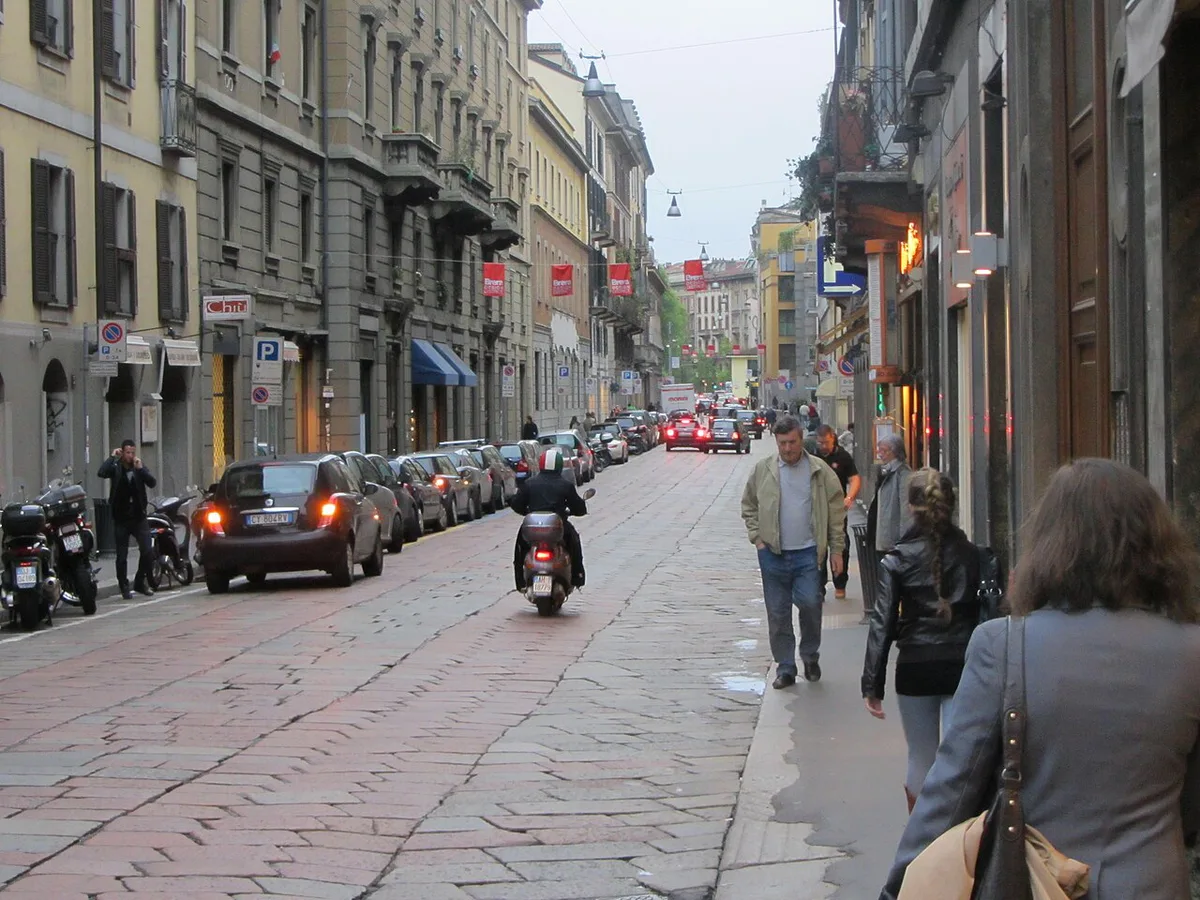
The 5Vie district threads through medieval lanes between Magenta and Castello Sforzesco. Palazzo Litta anchors the area, with the 2026 theme QoT, Qualia of Things, guiding many of its installations. Narrower streets mean smaller crowds than the big industrial venues, which suits visitors who prefer a slower pace.
Centro Storico and the Quadrilatero della Moda blend design with the city's fashion-district heritage. Interni MATERIAE and the Moda Milano Design program both use showrooms stretching toward Via Durini and the university district. Boutique window displays and courtyard exhibits sit side by side here, so a walk covers both worlds at once. Confirm which showrooms are open to the public and which stay trade-only before building a route through this stretch.
Triennale Milano adds a museum anchor to the historic core, publishing its own editorial program each edition. It gives visitors a fixed cultural venue to return to between the more scattered street installations. Checking its schedule before setting out can save a wasted trip if a specific exhibit is only open certain hours.
Choosing between 5Vie and the Quadrilatero comes down to pace and interest. 5Vie rewards travelers chasing quieter, artisan-style installations tucked into old palazzi. The Quadrilatero suits anyone who wants design paired with flagship fashion stores and faster foot traffic. Budget at least half a day for either one, since both areas reward slow walking over rushing between stops.
Isola, Porta Nuova, and Sarpi Chinatown Design Areas
Isola and Porta Nuova sit side by side but feel like different cities entirely. Porta Nuova's skyscrapers frame Piazza Gae Aulenti, an open plaza that hosts large outdoor installations during the week. Isola keeps its lower-rise, neighborhood character, with the Isola Design Festival running under the theme TEN, the evolving now.
Sarpi, often called Chinatown, sits just north around Piazzale Baiamonti and the Chinese Cultural Centre. This year's local theme, Shared Vision, Do it Better, Together, runs through Via Verga and the Teatro del Borgo. Fabbrica del Vapore adds music and installations nearby, giving the area an evening-friendly draw the other zones lack.
Design-forward architecture fans usually gravitate toward Porta Nuova's plaza-scale installations. Visitors wanting a quieter, more cultural mix tend to prefer Sarpi's blend of galleries and community events. Both areas sit within easy walking distance of Milano Porta Garibaldi, one of the city's main rail hubs.
Plan roughly two to three hours to cover Isola and Porta Nuova without rushing between installations. Add another hour if Sarpi is on the same route, since the walk between zones takes about fifteen minutes. Evenings tend to bring smaller crowds here than in the historic center, which helps with photos and casual browsing.
Sarpi rewards travelers who want cultural context alongside design objects, not just installations. Access is straightforward by tram, and the area stays cheaper for food and coffee than the central districts. It suits a slower afternoon better than a rushed morning stop between two other neighborhoods.
Porta Venezia, Tortona, and Navigli Design Zones
Porta Venezia sits beside Milan's Central Station and keeps one of the week's most open, mixed-crowd atmospheres. DropCity's workshops and Elle Decor installations in historic buildings anchor the neighborhood's program. A collaboration between Sabato De Sarno and JR at the Cozzi Swimming Pool adds an unusual, art-meets-architecture stop.
Tortona and the Navigli area shifted from an industrial district into one of the city's creative hubs. Superstudio Più, known this year for its SuperNova program, headlines the zone with large-scale brand installations. BASE and Opificio 31 fill out the rest of the district with independent studios and collaborative projects. Independent studios throughout Navigli reopen their doors specifically during Design Week, a detail many first-time visitors miss.
| Zone | Character & Main Venues | Best For | Notes |
|---|---|---|---|
| Porta Venezia | Open, mixed-crowd atmosphere with DropCity workshops, Elle Decor installations, and Cozzi Swimming Pool art collaboration | Shorter, walkable stops between other plans | Located beside Milan's Central Station |
| Tortona | Creative hub with converted industrial blocks featuring Superstudio Più SuperNova program and large-scale brand installations | Longer visits; comfortable shoes required due to spread across blocks | Shifted from industrial district into creative hub |
| Navigli | Independent studios and collaborative projects with canal-side bars and restaurants open late into the evening | Evening finish after a full day; extended visits with dining options | Studios reopen specifically during Design Week |
Most open studios and street installations across these three zones stay free to enter. The Salone Internazionale del Mobile trade fair at Rho Fiera is the main ticketed exception, aimed more at industry visitors. Families on a budget can build a full day here without paying for anything beyond transport and food.
Porta Venezia suits a shorter, walkable stop between other plans. Tortona and Navigli reward a longer visit, since the installations spread across several converted industrial blocks. Comfortable shoes matter more here than almost anywhere else on the map.
Navigli specifically adds canal-side bars and restaurants that stay busy well past most installations' closing times. That makes it a strong pick for an evening finish after a full day of design-hopping elsewhere. Access from the historic center takes about twenty minutes by tram or a brisk half-hour walk.
How to Plan a Smooth Milan Design Week Day
Decide upfront whether a day belongs to the Rho Fiera trade show or a city-district route. Trying to cover both in one day usually backfires, since travel between the fairground and central Milan eats hours. Most repeat visitors pick one focus per day and treat the rest of the week as flexible. Locking in that choice the night before helps avoid backtracking across the city midday.
Decide upfront whether a day focuses on Rho Fiera or city districts—not both. Travel between the fairground and central Milan consumes hours, so most repeat visitors dedicate one focus per day.
Public transit gets congested during peak event hours, especially around Tortona and the fairground shuttle stops. The city's transit operator, ATM, publishes live Info on road closures and altered routes during the week. Checking that page before leaving accommodation can save real time on a packed schedule.
Rooms near the main districts book up well ahead of the event, especially in Brera and Tortona. Comparing options through a dedicated Where To Stay Milan Design Week Travel Guide guide helps match a base to the districts on the itinerary. Booking closer to Porta Nuova or Isola suits anyone prioritizing the outdoor plaza installations.
The Fuorisalone Passport, new for 2026, bundles event access into a single digital QR code. Major sponsors, including brands like Valcucine and Grand Seiko, help fund the free installations that fill sponsor-backed venues. That sponsor support is part of why so much of the citywide program stays free for visitors.
Family-Friendly and Budget-Friendly Design Week Tips
Milan Design Week works on a real budget if the plan sticks mostly to Fuorisalone's free city venues. Skipping the ticketed Rho Fiera trade show entirely still leaves dozens of neighborhoods worth exploring. Food and transport end up as the main costs for most self-guided routes through the city. A modest daily budget covers little more than coffee, a metro pass, and maybe lunch.
Piazza Gae Aulenti in Porta Nuova works well for families, with open plaza space around the installations. Superstudio Maxi's SuperCity program in Barona uses a barrier-free layout built for easy wandering with kids. Both spots let children move around freely without navigating tight gallery corridors.
The 2026 edition spans eight days, running from April 19 through April 26 citywide. Brera's district program specifically runs April 20 to 26, one day inside the wider window. Exact hours vary by venue, so confirming a specific stop's schedule before visiting avoids wasted trips.
Design Week returns every spring, so a missed edition this year just means better planning for the next one. Following official district pages ahead of time helps confirm which venues run annually versus as one-off additions. For more Milan trip ideas beyond design season, the festivian.com blog covers other seasonal events worth building a visit around.
Getting to Rho Fiera for the Salone del Mobile
Rho Fiera Milano sits well outside the city center, away from the Fuorisalone districts covered elsewhere in this guide. The fastest route is the M1 (red) metro line, which runs directly from downtown stops like Duomo and Cadorna to the Rho Fiera stop just outside the fairground gates, a ride of roughly 30 to 40 minutes depending on the starting point. Suburban rail via the Passante also connects Milano Centrale and Cadorna to a Rho Fiera station, and Trenord typically adds extra services timed around the fair's opening hours during the event. Because the venue sits apart from the citywide program, treat a Rho Fiera visit as its own half- or full-day trip rather than a stop tacked onto a district route.
- Buy trade or public tickets in advance through the fair's official booking channel rather than at the gate
- Expect the longest queues on opening mornings and the Saturday before closing
- Budget extra transfer time if combining Rho Fiera with a same-day Tortona or Brera stop, since the commute back into the center eats into the afternoon
Frequently Asked Questions
What is the theme of Milan Design Week 2026?
The 2026 theme is Be the Project, which reframes design as an ongoing human process instead of a finished object. Brera Design Week uses the same theme, running April 20 to 26 alongside the wider Fuorisalone program. The idea centers on active participation over passive viewing, according to organizers. It applies across most districts, not just the trade fair itself.
What is Milano Design Week?
Milano Design Week is the citywide creative program that runs alongside the Salone Internazionale del Mobile trade fair each spring. It fills neighborhoods like Tortona, Brera, and Isola with mostly free installations, open studios, and pop-up exhibits. Most visitors treat it as a mix of trade event and public design festival, split across roughly a week in April.
What is happening in Milan in April 2026?
Milan hosts its 2026 Design Week from April 19 to 26. The Salone Internazionale del Mobile runs at Rho Fiera while Fuorisalone events spread across the city. Districts including Brera, Tortona, and Porta Venezia run their own parallel programs that same week. Expect crowded transit and fully booked hotels citywide throughout this stretch.
What is the criticism of Milan Design Week?
Some critics feel the event's rapid growth has pushed central venues toward a more commercial feel than in its early years. That concern is part of why organizers added the newer Bovisa location, built specifically as a less commercial, more experimental space. It aims to recapture some of Fuorisalone's original grassroots spirit for emerging designers.
Is Milan Design Week free to attend?
Most Fuorisalone installations, open studios, and street exhibits across the city stay free to enter. The Salone Internazionale del Mobile trade fair at Rho Fiera is the main ticketed exception, aimed mainly at industry visitors. Budget travelers can build a full itinerary around the free citywide program alone, adding only transport and food costs.
Milan Design Week rewards travelers who pick a focus instead of trying to see everything at once. A couple of well-matched districts, one cultural anchor like Triennale, and a loose schedule usually beat an overpacked itinerary. Free citywide installations mean the event stays accessible even without a Rho Fiera ticket.
Book accommodation early, track transit updates, and treat each neighborhood as its own half-day trip. That approach turns a packed week into a manageable, genuinely enjoyable design tour of the city.
Confirm exact hours and locations on official district pages before finalizing a route, since some venues shift year to year. A flexible plan built around two or three neighborhoods usually delivers more than an ambitious citywide checklist.
Free guide: Europe's Festival Calendar
A month-by-month map of Europe's unmissable festivals — with the best dates to visit each and a local tip you won't find in the guidebooks.
You might also like


Continue reading
More guides you'll find useful