10 Best Ways to Experience Lavender Fields Provence Tours (2026)
Lavender tours in Provence from Avignon and Aix: 2026 peak bloom dates, top-rated operators, photo spots, and the best walking trails.
On this page
10 Best Ways to Experience Lavender Fields Provence Tours From Avignon and Aix
After years of scouting the Luberon and Valensole, our editors have mapped the most efficient ways to see the 'blue gold'. Last updated June 2026, this guide reflects current harvest patterns and updated tour schedules from the two major regional gateways. We have curated this list to help you navigate the short but spectacular blooming window.
Choosing between Avignon and Aix-en-Provence as your base significantly changes which fields you will encounter first. Avignon offers quicker access to the higher altitude fields of Sault and the Luberon, while Aix sits closer to the iconic Valensole Plateau. Our comprehensive lavender fields Provence guide provides the essential foundation for your planning.
Timing remains the most critical factor for success. Weather shifts each spring can push the bloom forward or back by nearly two weeks. We recommend checking local tourism reports daily during the second half of June.
Free guide: Europe's Festival Calendar
A month-by-month map of Europe's unmissable festivals — with the best dates to visit each and a local tip you won't find in the guidebooks.
Avignon vs. Aix-en-Provence: Which Gateway Suits You?
The two most popular departure cities for lavender tours serve different parts of the region. From Avignon, you are roughly 90 minutes from the Sault plateau and 75 minutes from the Luberon villages including Gordes and Roussillon. From Aix-en-Provence, the southern Valensole Plateau is just 45 to 60 minutes away — the faster transit makes half-day tours a realistic option.
Tour pricing from both cities is broadly similar. Half-day small-group minivan tours from Aix typically run €85–€95 per person for a 4-hour Valensole circuit. From Avignon, a 5-hour Luberon or Sault morning tour starts around €85, while a full-day circuit including Senanque Abbey runs from €135. Private tours from either city cost €180–€250 per person for groups of two to four.
If your priority is volume — the flat, horizon-filling rows seen on every postcard — leave from Aix. If you want mountain scenery, a more relaxed atmosphere, and the walking trail through Sault village, Avignon is the better base. Both cities have high-frequency TGV connections, so the gateway choice often comes down to where you are already sleeping.
The Lavender Season in Provence: Peak Bloom Dates
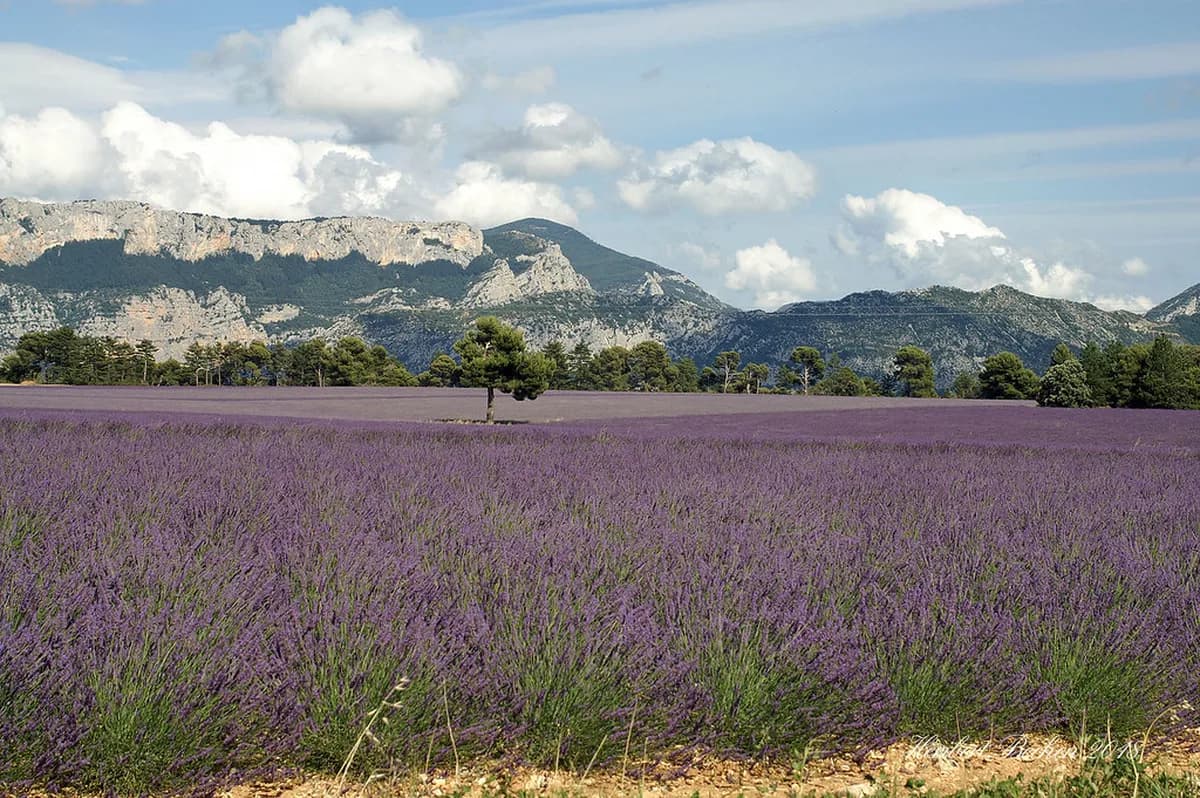
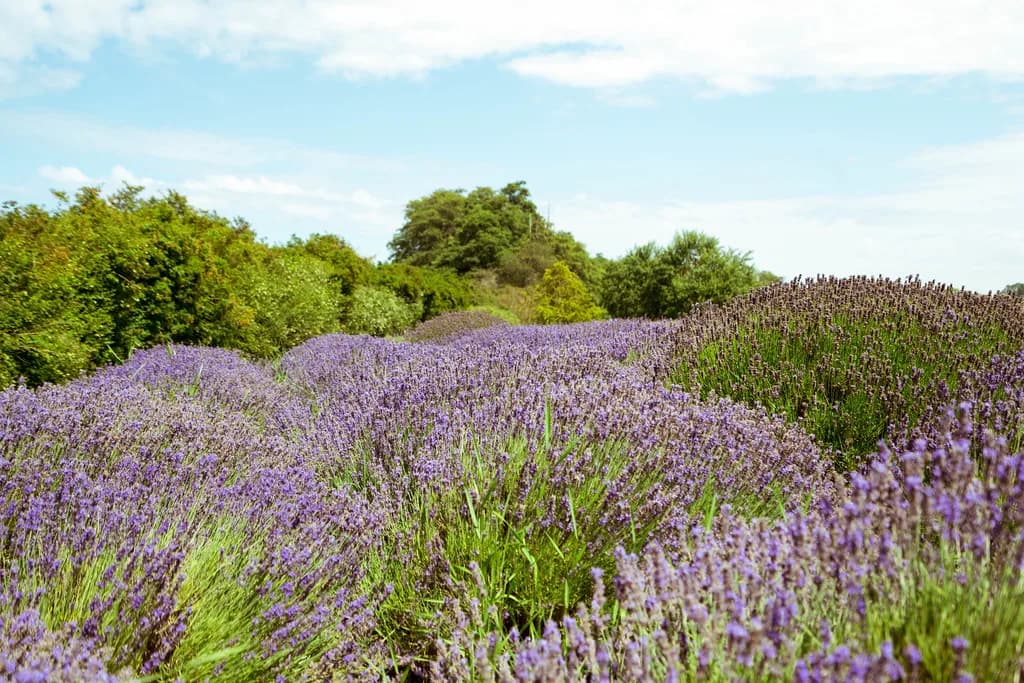
The lavender season in Provence generally spans from mid-June to early August. Lower altitude areas like the Valensole Plateau begin their show around June 15th each year. We often see the most vibrant purple hues in these southern fields during the last week of June.
Sault and the higher reaches of the Luberon follow a slightly different schedule due to cooler temperatures. These northern fields typically peak in mid-July and remain unharvested until the first week of August. Planning your visit for the first two weeks of July gives the best chance to see both regions in simultaneous bloom.
Harvesting is a swift process that can change the landscape overnight once it begins. Farmers usually start cutting the lavender as soon as the flowers begin to wilt to preserve oil quality. Once the mechanical harvesters move in, a field that was glorious on Tuesday may be stubble by Thursday — keep this in mind if you are arriving in late July.
True Lavender vs. Lavandin: What the Fields Are Actually Growing
Most visitors do not realise they are looking at two entirely different plants in Provence. True lavender (Lavandula angustifolia) grows only above 800 metres, which is why the fields around Sault and the high Luberon produce a finer, more complex fragrance. Lavandin is a sterile hybrid cultivated for industrial oil yield and dominates the lower Valensole Plateau — it is taller, blooms slightly earlier, and accounts for roughly 90% of the region's production by volume.
The Coustellet Lavender Museum near Gordes explains this distinction with live samples and chemical analysis displays. Entry is €8 per adult and the museum is open daily from 09:00 to 18:00. If you want to buy essential oil to take home, ask specifically for "lavande fine" or "lavande vraie" from the Sault plateau — the aroma is noticeably more refined than lavandin-based products sold in roadside tourist shops.
This matters practically for photographers as well. Lavandin on Valensole tends to be a slightly bluer-purple, while true lavender near Sault has a softer, more violet hue. The two palettes photograph very differently under the same light conditions.
Top Lavender Tours Departing from Avignon
Tours from Avignon split into two main routes: the Luberon circuit (Gordes, Roussillon, Senanque Abbey) and the direct Sault plateau run. A 5-hour morning Luberon tour typically departs around 08:30, reaches the lavender rows by 09:45, and returns by 13:30 — from €85 per person in a small-group minivan. A full-day Avignon tour including the Abbey of Senanque and the Sault village runs approximately 8.5 hours from €135 per person.

The Abbey of Senanque is an Avignon-exclusive highlight. Cistercian monks still cultivate lavender in front of this 12th-century Romanesque church near Gordes, creating one of the most-photographed compositions in France. Interior guided tours cost approximately €8.50 per adult and run from 10:00 to 17:00; book at least two weeks ahead in July as spots sell out. The exterior lavender rows and abbey facade are visible from the road at no charge.
For self-drive visitors based in Avignon, the D950 from Apt to Sault is the most scenic approach. Allow 90 minutes of driving time each way and plan to arrive at the plateau before 09:00 to secure roadside parking before the tour buses arrive.
Top Lavender Tours Departing from Aix-en-Provence
Aix-en-Provence is the logical base for the Valensole Plateau, which covers approximately 800 km² and is the largest dedicated lavender-growing zone in France. Half-day morning and afternoon tours from Aix each run around 4 hours and cost from €85 per person; a full-day Valensole circuit runs 9 hours from €140. Sunset tours (departing ~17:00) tend to command a small premium of €10–€15 over the morning equivalent but deliver dramatically warmer light for photography.
Terre Ugo is a standout stop on the Aix circuit. This estate sits just minutes from the city centre and offers a calmer, private-garden lavender experience compared to the open plateau. Entry is €7 per person; the estate is open daily from 10:00 to 18:30 throughout the summer season. Pétanque courts and sun umbrellas make it an excellent choice for families or anyone who wants to linger without the plateau's exposure to heat and wind.
Full-day Sault tours are also available from Aix, though the drive is longer (around 1 hour 40 minutes each way). These 9-hour itineraries typically include a farm visit to a distillery such as Aroma'plantes, where you can watch essential oil extraction and purchase organic products directly. Expect to pay around €140 per person for a guided full-day Sault trip from Aix.
The Chemin des Lavandes: A Walking Tour in Sault
The Chemin des Lavandes is a 4-kilometre interpretive loop that passes through fields of both true lavender and lavandin varieties just outside Sault village. The trail takes approximately 1 hour 40 minutes at a leisurely pace and is free to access. Waymarkers are clear and the elevation gain is gentle, making it suitable for most fitness levels including older travellers and families with children aged 8 and up.
The path starts at the Sault tourist office on Avenue de la Promenade and winds through working agricultural land before returning via a ridge with panoramic views over the Nesque gorge. Wear closed-toe shoes as the terrain is dusty and occasionally stony in July. Carry at least 1 litre of water per person since there are no fountains on the route.
Within Sault village itself, several lavender shops sell products from local producers at prices notably lower than those in tourist-heavy Gordes. The weekly market on Wednesday mornings sells fresh-cut bunches, lavender honey, and soap made on-farm. This village market is one of the few places in the region where you can buy direct from the grower rather than a reseller.
Family-Friendly and Budget-Friendly Lavender Options
The majority of the Valensole Plateau is free to view from public roads, specifically the D8 and D6 corridors. Arriving before 08:00 and parking on the verge before the tour buses arrive costs nothing and delivers the same purple horizons as any paid excursion. The plateau has no fences or entry barriers — the entire agricultural landscape is open to view.
For families wanting more than a drive-by, Aroma'plantes distillery in Sault offers free guided tours of their organic production facilities and fields daily from 10:00 to 19:00. Children enjoy watching the copper distillation equipment and sampling the on-site lavender lemonade. The farm shop is also open daily and sells affordable soap and sachets starting from €3–€5.
The Plateau d'Albion, near Sault, is a less-visited high-altitude alternative with wilder landscapes and virtually no crowds even in peak July. It is free to visit and typically reaches bloom in late July, extending the season window. Traditional stone bories (dry-stone shepherd huts) dot the landscape and give the area a distinctly more rugged character than the manicured Valensole rows. Our lavender fields Provence photography tips include several specific compositions from this plateau that are harder to find at the main sites.
Hidden Gems: Luberon Valley and Terre Ugo
The Luberon valley running south and west of Apt contains smaller, less-photographed lavender patches scattered between hilltop villages. These fields rarely appear on tour itineraries focused on Valensole, yet they offer intimacy that the plateau simply cannot deliver in July when tour bus traffic peaks. Gordes village provides panoramic viewpoints over the valley floor at no charge, though parking in the village centre costs €5–€10 in summer.
Roussillon, 10 kilometres east of Gordes, sits above ochre cliffs and overlooks lavender-dotted terraces on its southern slopes. The village is a natural addition to any Avignon Luberon tour and is typically included in full-day circuits. Sunset from the Roussillon belvedere, with purple fields in the foreground and orange cliffs in the background, is one of the most distinctive views in the entire region.
Terre Ugo near Aix is the best option for visitors who want a private garden atmosphere rather than an open agricultural plateau. The estate keeps numbers low, provides shade structures, and stocks a wider range of estate-made cosmetics than most roadside farm stalls. It is also the most wheelchair-accessible lavender site in the greater Aix area, with paved paths between the lavender rows.
On the Route de la Lavande: Coming from Manosque
The Route de la Lavande is a self-drive circuit that links Manosque on the southern edge of the Valensole Plateau to Digne-les-Bains to the north. The full route is approximately 100 kilometres one-way and passes through the heart of lavandin country before climbing into true-lavender altitude near Sisteron. Most visitors only drive the southern Manosque-to-Valensole section, which takes about 45 minutes and delivers the densest concentration of field views per kilometre of road.
The L'Occitane en Provence factory and museum is located in Manosque at 310 Route des Fonts. Free guided factory tours run Monday to Friday (booking recommended); the boutique is open daily. This is the most internationally recognised lavender brand in the region, and the factory visit provides useful context on how lavandin oil is processed into finished cosmetic products at industrial scale.
If you are driving the Route de la Lavande independently, late June is the optimal window for the Manosque-Valensole stretch because lavandin peaks earlier than the Sault true lavender. Combine the southern drive in late June with a second visit to Sault in mid-July if your schedule allows — the contrast between the two landscapes and the two plant varieties is one of the highlights of a thorough Provence lavender itinerary.
Is a Morning or Afternoon Lavender Tour Best?
Lighting conditions dictate both the quality of your photos and your overall comfort. Morning tours (departing 08:00–09:00) benefit from cooler air, soft golden sidelight, and significantly fewer people at the most photographed spots on the Valensole Plateau. We recommend morning departures for families with young children and for anyone whose primary goal is uncrowded, well-lit photography.
Afternoon tours often culminate in a sunset viewing, turning the purple rows into deep violet shades under warm orange light. The 'golden hour' before dusk (around 20:00–21:00 in July) is the most coveted window for professional photographers. However, afternoon temperatures regularly exceed 35°C on the open plateau, and the most popular roadside spots will be busy with selfie-takers until the last light fades.
Midday (12:00–15:00) is the worst time to visit the fields regardless of your base. Overhead sun flattens the colour contrast, heat rises intensely from the bare plateau, and tour bus volume peaks. Use these hours instead to visit an indoor museum such as the Coustellet Lavender Museum, or take a long lunch in a shaded village square in Gordes or Moustiers-Sainte-Marie.
How to Plan a Smooth Lavender Attractions Day
Preparation is the key to avoiding the common frustrations of peak summer travel in Provence. Wear white, pale yellow, or light blue clothing to the fields for the best visual contrast against the purple rows — dark colours and busy patterns disappear into the texture of the plants. Closed-toe shoes are essential for any walking in or around the fields.
We suggest avoiding the main Valensole-Manosque road on the first weekend of July. Traffic congestion during this peak window can turn a short drive into a multi-hour ordeal. Instead, use the smaller backroads near Puimoisson for a quieter and more authentic approach to the same fields.
Remember that these are active agricultural sites and the primary livelihood of local farming families. Never pick the lavender or walk on the plants, as foot traffic compacts the soil around the root systems and can damage the crop. Provence is one of the best flower fields to visit in Europe — responsible visits ensure these landscapes remain open to the public for seasons to come.
Frequently Asked Questions
What is the best month to see lavender in Provence?
July is the best month to see the lavender fields in full bloom. Most fields in Valensole peak in late June, while Sault peaks in mid-July. Always aim for the first two weeks of July to see both areas.
Are the lavender fields free to visit?
Most lavender fields on the Valensole Plateau are free to access from public roads. Some private estates like Terre Ugo charge a small entry fee of around €7. Always respect private property and avoid trampling the plants.
Can I visit the lavender fields by train?
No, you cannot reach the lavender fields directly by train. You should take a train to Avignon or Aix-en-Provence and then join a guided tour or rent a car. Local buses are infrequent and do not stop at the fields.
Seeing the lavender fields of Provence is a bucket-list experience that rewards careful coordination. By choosing the right gateway — Avignon for Sault and the Luberon, Aix for Valensole — and timing your visit to the specific bloom cycles of either true lavender or lavandin, you can avoid the worst of the crowds and see the fields at their peak.
Whether you choose a guided tour from Avignon or a self-drive from Aix along the Route de la Lavande, the fragrance and colour of the Provençal countryside will stay with you long after you leave. Support the local economy by purchasing authentic lavender products directly from the farm distilleries rather than roadside souvenir shops. Safe travels as you explore the stunning landscapes of southern France in 2026.
Free guide: Europe's Festival Calendar
A month-by-month map of Europe's unmissable festivals — with the best dates to visit each and a local tip you won't find in the guidebooks.
You might also like


Continue reading
More guides you'll find useful