10 Lavender Fields Provence Photography Tips for Professional Results
10 lavender photography tips for Provence: the best Valensole spots, peak bloom timing, camera settings, and gear for stunning purple fields.
On this page
10 Lavender Fields Provence Photography Tips for Professional Results
Capturing the endless purple rows of Southern France requires more than just a camera and a flight. You need to understand the light, the bloom cycles, and the unique landscape of the Plateau de Valensole.
This guide provides 10 essential lavender fields provence photography tips to help you master your shots. From gear selection to composition, these insights ensure your portfolio stands out during the peak 2026 season.
The fragrance of the flowers and the hum of the bees create a sensory experience like no other. Preparing for technical challenges now allows you to focus on the beauty once you arrive in the fields.
Free guide: Europe's Festival Calendar
A month-by-month map of Europe's unmissable festivals — with the best dates to visit each and a local tip you won't find in the guidebooks.
Peak Bloom: When to Photograph Provence Lavender
Timing is the most critical factor for any photographer visiting the South of France. The bloom generally starts in late June and lasts until mid-August, depending on the altitude of the fields.
Fields on the Valensole Plateau usually reach their peak in early July before the harvest begins. You can find more details on when to see the bloom to help plan your specific dates.
Higher altitude areas like Sault bloom later, often peaking in late July or early August. Check local weather reports as extreme heat can cause farmers to harvest earlier than expected. The ideal window for most visitors is the last days of June through the first week of July — visit then and you should not have to worry about arriving to bare, harvested fields.
Iconic Locations: The Valensole Plateau
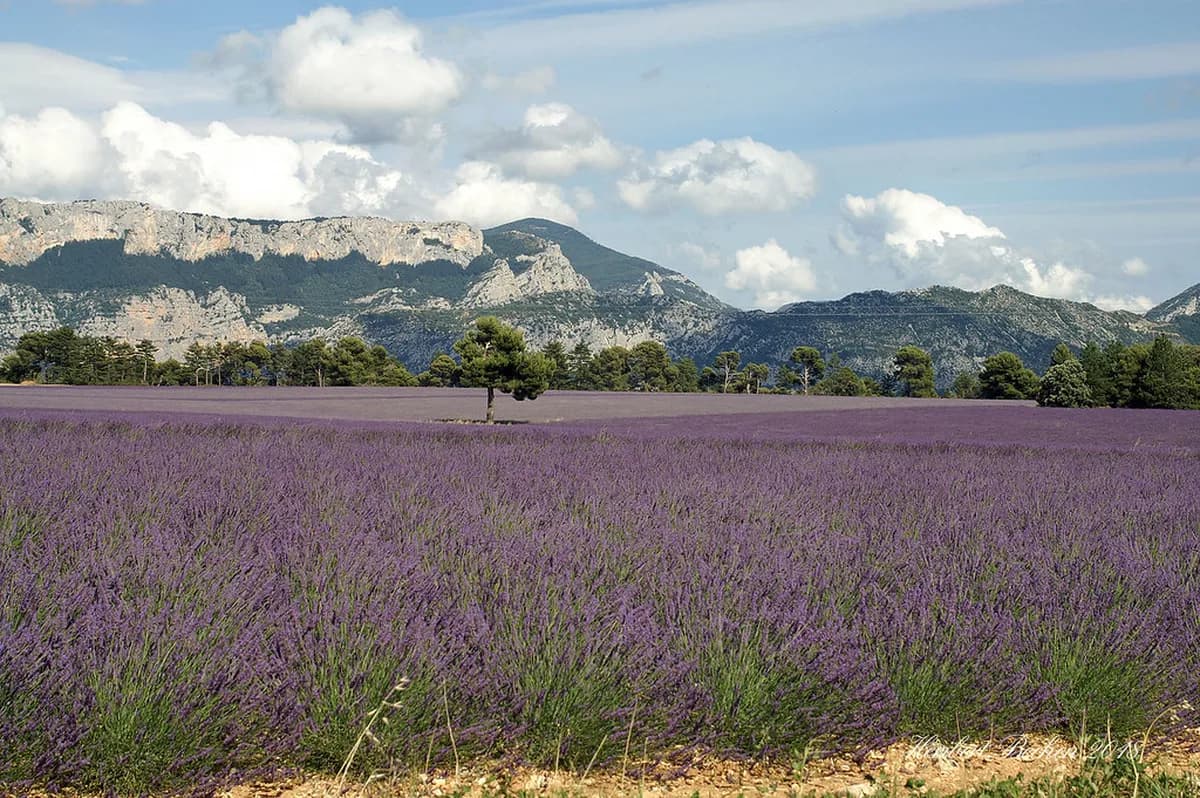
The Valensole Plateau offers the most expansive and famous vistas in the entire region. You will find perfectly straight rows that seem to stretch toward the distant mountains, all within a roughly 15 km radius of the village of Valensole itself.
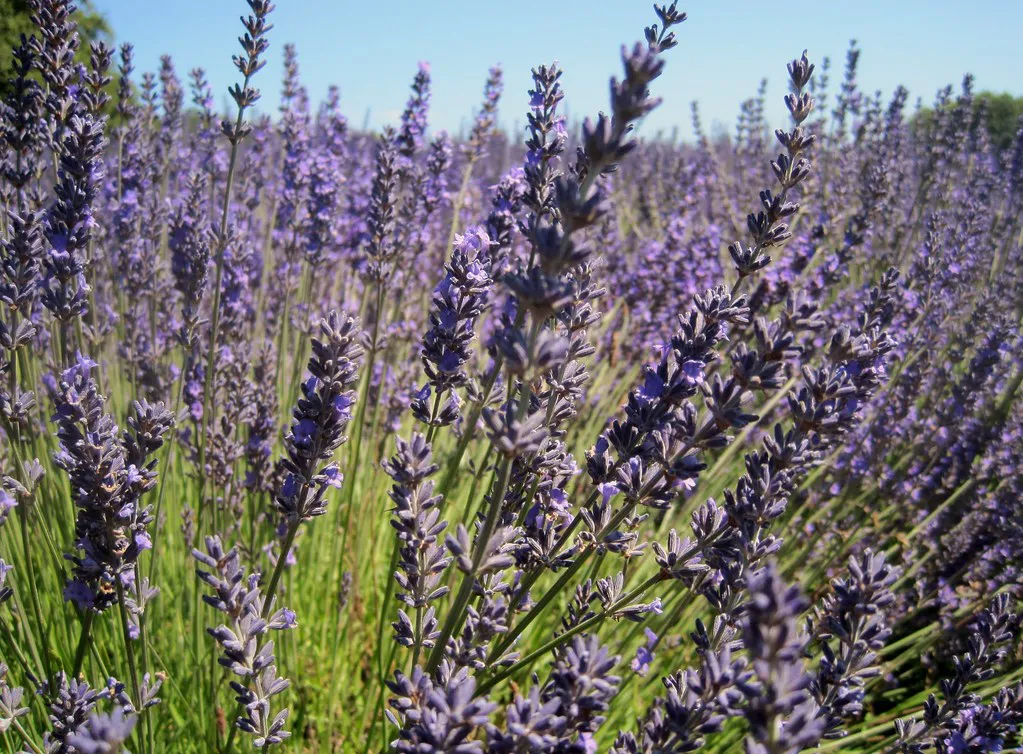
One of the most popular photography routes starts between Valensole and Puimoisson along the D8 road. The coordinates 43.89145N, 6.0668E mark a field with distant tree lines that create strong linear perspective — ideal for long-lens compression shots facing east.
Many of the best fields in Valensole are easily accessible from the main road. The D6 road west from Valensole leads past the famous Angelvin farmhouse (coordinates 43.82234N, 5.93658E), where two landmark trees sit beside sweeping rows that face west — perfect for sunset shooting. Arrive early to secure a parking spot near the most photographed lone trees and stone farmhouses, as the popular spots fill by early evening in peak season.
Hidden Gems: Photography in the Luberon Valley
While Valensole is famous for scale, the Luberon Valley offers charm and historic architecture. The Abbaye de Sénanque, built in the 12th century, is a must-visit location where rows of lavender lead the eye toward a stone monastery — a composition unlike anything on the plateau.
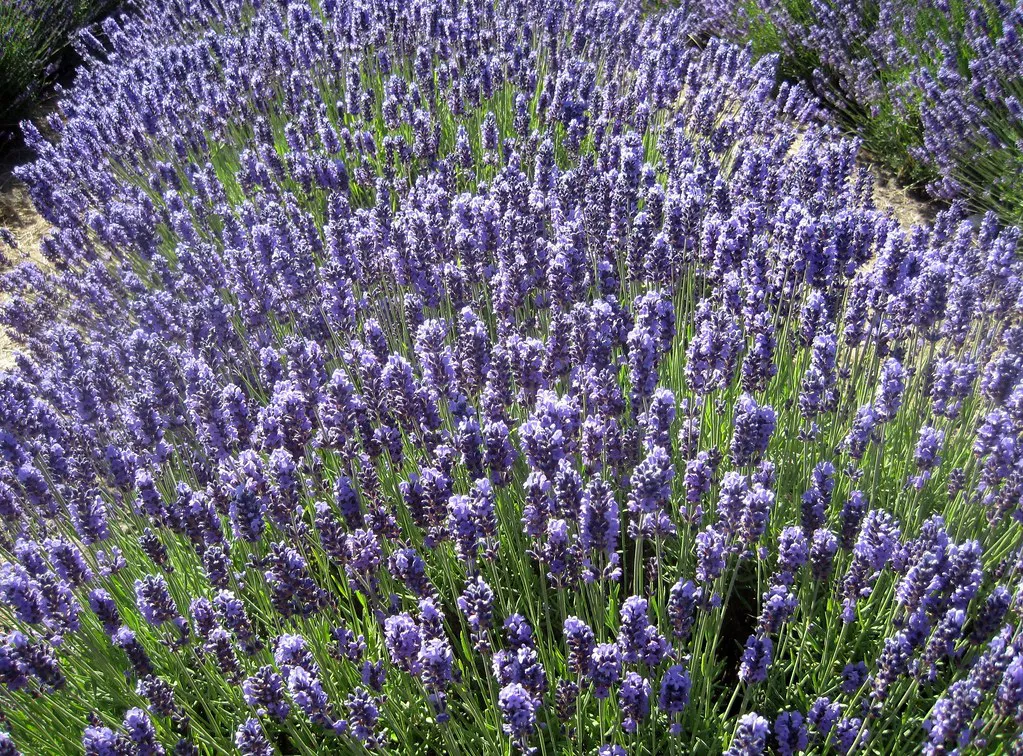
You should consider taking tours from Avignon or Aix to find smaller, secluded fields across the Luberon. These hidden spots often have fewer tourists and offer a more peaceful shooting environment than the crowd-heavy Valensole plateau on weekend mornings.
Villages like Gordes and Bonnieux provide elevated viewpoints overlooking the valley floor. These spots are ideal for capturing the patchwork of purple and gold during the late afternoon sun. The drive between them is itself a slow photographic route worth planning time for.
Essential Camera Gear for Purple Landscapes
Selecting the right equipment is vital for capturing the texture and scale of the Provence landscape. A sturdy tripod is essential for shooting during the low light of dawn and dusk, and for the long exposures that let you photograph the Milky Way rising above the fields on clear summer nights.
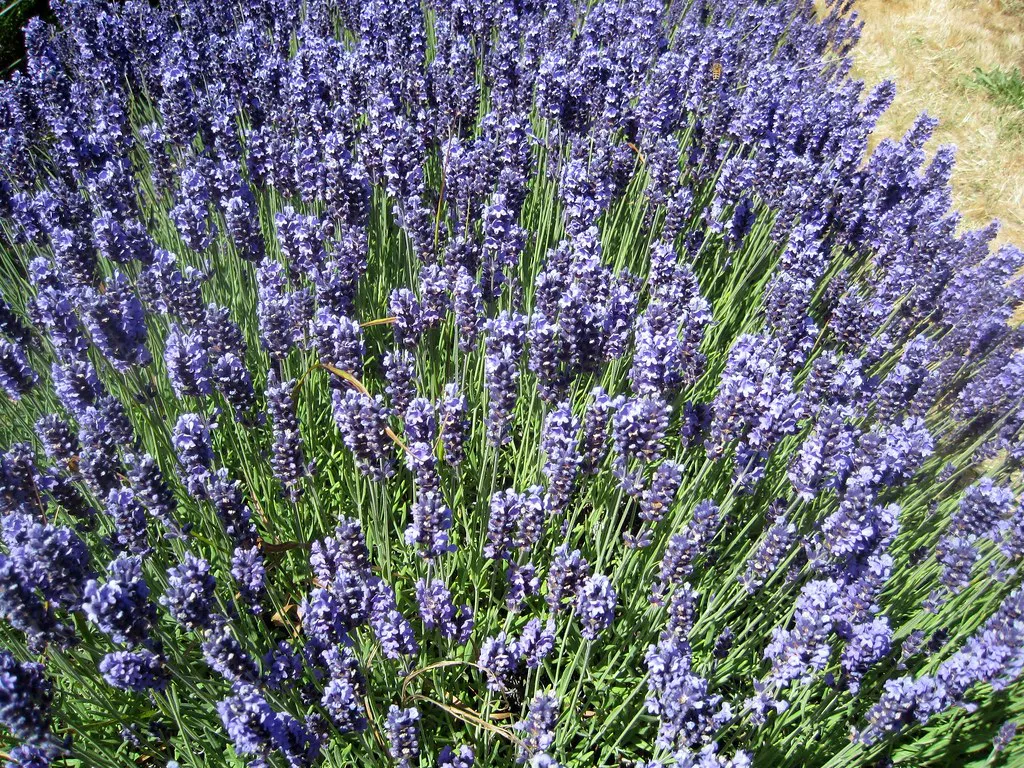
Provence's mild summer weather means you do not need weather-sealed gear, but you do want both a wide-angle lens (14–24 mm) and a telephoto (at least 200 mm, ideally 300 mm). Wide glass captures the full sweep of the plateau; the telephoto is what creates the compressed, dense row effect you see in the most iconic shots. Circular polarizers help manage reflections on the waxy lavender leaves and deepen the blue of the sky.
You might also compare these needs with other flower fields in Europe to see how gear requirements vary. Provence often requires a mix of wide and tight shots to tell the full story. Bring a remote shutter release to prevent camera shake during longer exposures, and pack a small reflector card if you plan to include people in the frame.
Recommended Camera Settings for Lavender Fields
Achieving a sharp image from the foreground to the background requires careful attention to your aperture. A mid-range setting usually provides the best balance between sharpness and diffraction. For creative foreground bokeh with a blurred background, open up to f/2.8–f/4 — this works especially well when you fill the near foreground with a single row of flower heads.
Keep your ISO as low as possible to maintain maximum image quality and reduce noise in the shadows. Manual white balance settings can help you capture the true hue of the lavender. Auto white balance sometimes struggles with the dominant purple tones and may shift toward a yellow tint.
- Optimal Aperture for Sharp Landscapes: f/8 to f/11 for maximum depth of field; focus one-third into the frame for sharp foreground textures and crisp distant rows.
- ISO for High Quality: ISO 100 on a tripod gives clean shadow detail and professional print quality.
- Shutter Speed for Moving Flowers: 1/125 sec or faster during breezy afternoons freezes the gentle motion of the flower heads and keeps detail crisp.
- Night Photography: For Milky Way shots, raise ISO to 3,200–6,400, open to f/2.8, and use a 15–25 second exposure. Check the moon calendar beforehand — a full moon reduces the ISO needed but also softens star contrast.
Composition Techniques for Infinite Rows
Leading lines are your most powerful tool when photographing the lavender rows. Position your tripod low to the ground to emphasize the rows stretching toward the horizon. The key choice is between wide and telephoto: a 16–24 mm lens at ground level exaggerates the sweep of the rows and gives a sense of immersion, while a 70–200 mm telephoto compresses the landscape and makes the rows look far denser than they appear to the naked eye. The telephoto technique produces that iconic "infinite row" look you see in professional shots — the rows stack together and the space between plants disappears entirely.
Look for a secondary focal point such as a stone hut, a lone tree, or a distant mountain to give the viewer somewhere to rest their eye. A field of just lavender can sometimes lack a sense of scale without one of these anchors in the frame.
If you include people or family members, wardrobe color matters more than most photographers expect. White and cream tones create the cleanest contrast against the purple and give a timeless, editorial look. Light yellow and soft sky blue also work well. Avoid purple, red, and busy patterns — they fight the lavender rather than complement it. A simple white linen dress or neutral cream shirt is the most reliable choice for portraits in the rows.
Lighting Mastery: Golden Hour and Sunset Tips
The best light occurs during the hour before sunset when the sun is low in the sky. In Provence during summer the sun sets around 21:20, so arrive by 20:30 to work the glowing pre-sunset light and stay for the blue hour. Fields facing east offer beautiful blue sky and open sky to work with between 18:00 and 20:00; fields facing west — like the Angelvin location on the D6 — are better reserved for the final golden window.
Side-lighting is particularly effective for lavender as it highlights the round shape of the individual plants. This creates a sense of three-dimensional texture that front-lighting often flattens. Shooting into a low sun also introduces lens flare that, when controlled, can add a dreamlike warmth to the purple tones.
Stay for the blue hour after the sun disappears to capture soft, ethereal tones. The purple of the lavender often takes on a deeper, more mysterious glow during this 20–30 minute window. Plan your locations so you can move between an east-facing and west-facing field in a single evening to double the shooting opportunities without losing the best light.
Shooting in Overcast and Midday Conditions
Not every morning in Provence delivers a glowing golden sky. Overcast light, far from being a disappointment, can produce some of the most saturated and even purple tones of any lighting condition. Without harsh shadows, every row reads clearly from foreground to background, and you can push the saturation in post without the highlights blowing out.
Passing storm clouds are the hidden jackpot. A darkening sky behind an illuminated field creates dramatic contrast that flat midday sun can never achieve. If you see storm light building in the afternoon, get out to the fields immediately regardless of the clock.
For forced midday shooting, switch your approach entirely: use a telephoto to fill the frame with texture, shoot details like individual flower clusters, or use the harsh vertical shadows to add graphic structure to abstract compositions. Avoid trying to replicate the wide, sweeping golden-hour shots in overhead light — they will always look flat. Save those compositions for the morning or evening and use midday for detail and macro work that golden-hour skies tend to oversaturate.
Practical Field Etiquette: Bees, Private Property, and Drones
The lavender fields are home to millions of honeybees during the peak bloom season. These bees are docile and almost entirely focused on the flowers, but you should move slowly and calmly through the rows. Avoid wearing strong perfume or cologne near the hives — bees are attracted to floral scent and you will accumulate a distracting escort. If a bee lands on you, stay still and it will move on within seconds.
Most fields are private property and represent a farmer's livelihood for the year. The key distinction is between roadside verges — which are public land — and the planted rows themselves. Standing at the edge of a field to shoot along the rows is almost always acceptable; walking deep into the rows is not, and in recent years several Valensole farmers have installed signs and begun requesting identification from photographers who damage the plants. Always stay in the tractor paths between the rows, never pick the flowers, and if a farmer asks you to leave, do so immediately.
French drone regulations are among the most detailed in Europe and carry real consequences in rural agricultural areas. Recreational drone flights require prior declaration through the Géoportail Drone service and are prohibited within 1 km of populated areas without a specific waiver. Many lavender field locations fall within agricultural drone restriction zones. Flying without proper authorization risks fines of up to €75,000 and equipment confiscation. Check the Géoportail map and register your flight before leaving home, not on-site the morning of the shoot.
Post-Processing: Enhancing the Purple Tones
Editing lavender photos requires a delicate touch to avoid making the colors look artificial. The single most common mistake is over-saturation: because the purple tone is so dominant, even a small bump on the saturation slider pushes the image into unrealistic territory. Instead, work in the HSL panel and target only the purple and magenta hue sliders specifically.
Reducing the yellow saturation can help the purple pop without making the entire image look oversaturated. This creates a cleaner look that emphasizes the natural beauty of the crop. Dodging the light source in Photoshop or Lightroom — brightening the direction the sun comes from — adds depth and drama without touching the color balance.
Adding a small amount of clarity or texture can help define the individual rows. Be careful not to overdo this effect, as it can make the sky look grainy or unnatural. For overcast shots, a gentle luminosity mask to brighten midtones while protecting the highlights will lift the image without losing the soft, even quality that overcast light delivers.
Photographer-Friendly Accommodations in Provence
Staying close to the fields allows you to reach the best spots before the morning light fades. The logistical reality is that Valensole is remote — the nearest large city, Avignon, is a two-hour drive away, and the only practical way to get between fields is by car. Book a rental in advance for the peak July window, as demand is high and drop-off locations near the plateau are limited.
Many photographers choose to base themselves in the Luberon for easy access to multiple valleys. You can find luxury options like Coquillade Provence Resort, which sits near prime shooting locations and provides local maps for quiet fields. For budget-conscious stays, Riez — located about 20–30 minutes from Valensole and along a road lined with its own fields — offers smaller guesthouses at a fraction of the resort price.
Consult a guide on where to stay to find boutique guesthouses that cater to creative travelers. Book any accommodation at least three to four months ahead of your visit — the best spots fill up well before the summer season begins, and the demand in 2026 is expected to be as strong as ever.
Frequently Asked Questions
What are the best lavender fields provence photography tips for beginners?
Start by focusing on composition and lighting. Use the rows as leading lines and shoot during the golden hour for soft, warm light. You can find more inspiration on the Festivian blog for seasonal travel photography. Always respect the farmers by staying on the paths.
When is the best time of day to photograph lavender?
Sunrise and sunset offer the most dramatic lighting for lavender fields. The low sun creates long shadows that emphasize the texture of the rows. Midday light is often too harsh and flattens the vibrant purple colors of the plants.
What colors should I wear for photos in lavender fields?
Choose colors that contrast well with purple for the best visual impact. White, light yellow, and soft blue are excellent choices for clothing. These colors pop against the lavender without clashing with the natural environment or the green stems.
Is a tripod necessary for lavender photography?
A tripod is highly recommended for shooting during dawn and dusk. It allows you to use low ISO settings and small apertures for maximum sharpness. Using a tripod also helps you slow down and carefully compose your leading lines.
Photographing the lavender fields of Provence is a dream experience for any landscape enthusiast. By following these 10 tips, you can capture the essence of this stunning region with professional results.
Remember to prioritize the health of the fields and respect the local farming community. For even more detailed location guides, check out The Wandering Lens - Provence eBook for expert insights.
The 2026 season promises to be another spectacular display of nature's beauty in Southern France. Pack your gear, plan your route, and prepare to capture the purple magic of Provence.
Free guide: Europe's Festival Calendar
A month-by-month map of Europe's unmissable festivals — with the best dates to visit each and a local tip you won't find in the guidebooks.
You might also like


Continue reading
More guides you'll find useful