
15 Best Places to See Cherry Blossom in Europe (2026)
Discover where to see cherry blossom in Europe with our 2026 guide. Includes peak bloom forecasts for Bonn, Paris, Stockholm, and hidden gems like Karlovy Vary.
On this page
15 Best Places to See Cherry Blossom in Europe (2026)
Last updated June 2026. While Japan remains the historic home of hanami, Europe offers equally spectacular pink canopies without the long-haul flight. From the narrow streets of Bonn to the royal parks of Stockholm, spring transforms the continent into a floral paradise. We have tracked the bloom cycles across dozens of cities to help you find the best flower fields to visit in Europe this year.
Timing these blossoms requires precision as the peak window often lasts only ten to fourteen days. Warmer winters in southern Europe mean earlier starts, while Scandinavian displays often wait until late April. Our guide focuses on reliable locations that offer high-density blooms and strong cultural experiences alongside the flowers.
Free guide: Europe's Festival Calendar
A month-by-month map of Europe's unmissable festivals — with the best dates to visit each and a local tip you won't find in the guidebooks.
Cherry Blossom Forecast 2026: Timing Your Trip
The 2026 season is expected to follow its familiar northern trajectory, starting in late March in southern Spain and Portugal. Central European cities like Bonn and Paris typically reach peak bloom during the second week of April, though a wet spring can shift that by five to seven days. Northern destinations like Stockholm and Copenhagen often peak in late April or early May. For the widest variety of blooms in a single trip, the last ten days of April hit the sweet spot across four or five countries simultaneously.
Build at least two buffer days into your itinerary to account for unexpected weather shifts. A single windstorm can strip the blossoms overnight, ending the season before you arrive. We recommend checking dedicated bloom-tracking sites at least three weeks before departure and again two days out. If you miss peak bloom at one city, heading north to Edinburgh or Oslo can extend your season by another two weeks thanks to the cooler temperatures.
Bonn, Germany: The Iconic Cherry Blossom Avenue
Bonn is Europe's undisputed capital for urban cherry blossom viewing. Japanese cherry trees were first planted in the Nordstadt district in 1980 as part of a post-war urban reconstruction project, and they now create one of the most photographed floral tunnels on the continent. The trees along Heerstrasse — known locally as Cherry Blossom Avenue — arch completely overhead to form a dense pink corridor stretching several hundred metres. Breite Strasse offers a similar effect just a few minutes' walk away.
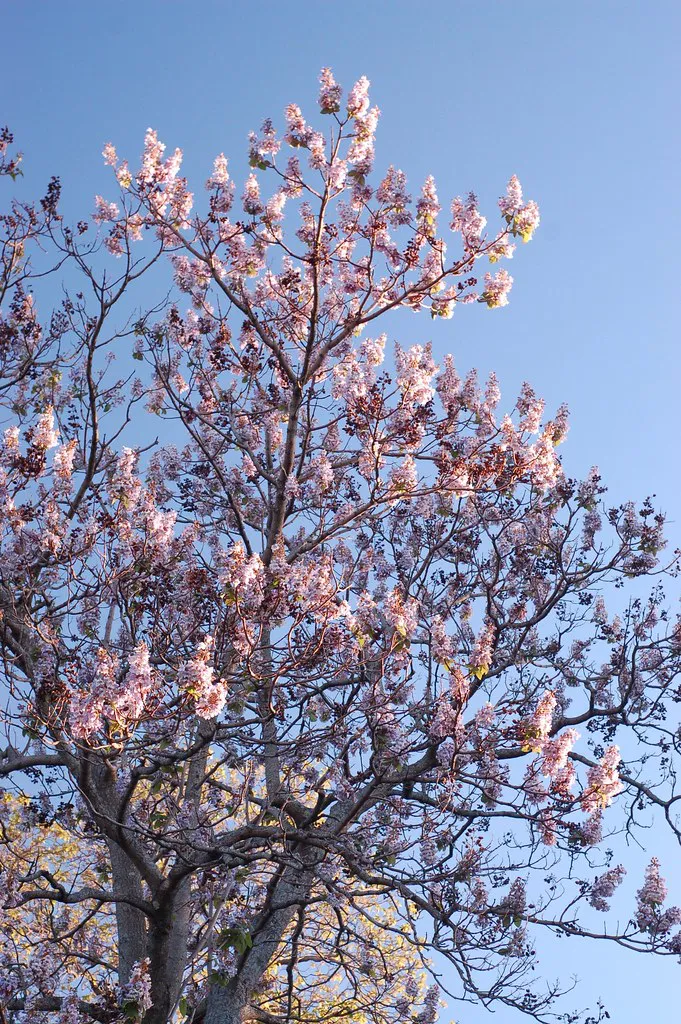
Secondary streets worth exploring include Dorothenstrasse, Michaelstrasse, and Maxstrasse, all within easy walking distance of the main avenues. The whole Nordstadt area is free to access at any hour, though morning light between 07:00 and 09:00 produces the best photography conditions before the crowds arrive. Bonn's main train station is under an hour from Cologne Bonn Airport, and the blossom streets are a short walk from the station. Peak bloom usually falls in the first two weeks of April.
We also recommend checking in on cherry blossom in Bonn forecasts specifically, as the Nordstadt micro-climate can run a few days ahead of broader regional predictions.
Stockholm, Sweden: Kungsträdgården's Pink Canopy
Stockholm takes its cherry blossom season seriously. Japan gave sixty trees to King Carl XVI Gustaf in 1998, and the city has cultivated them into one of Scandinavia's most celebrated spring events. The trees in Kungsträdgården, the royal garden in the heart of the city, typically bloom in late April. Sweden's relationship with Japan runs deep, and the annual Cherry Blossom Day in Kungsträdgården reflects that — the day-long event includes martial arts demonstrations, origami and calligraphy workshops, and traditional Japanese food stalls.

The garden is free to enter and sits in the city centre, making it the easiest high-density blossom experience in northern Europe. Arrive early on Cherry Blossom Day as the park fills quickly by mid-morning. On ordinary days outside the festival, the garden is peaceful and walkable year-round. Stockholm's cooler climate means the display often holds for two full weeks, longer than many central European locations.
Paris, France: Trocadéro and Parc de Sceaux
Paris offers cherry blossom at multiple scales. The Trocadéro Gardens deliver the classic postcard moment — pink petals against the Eiffel Tower — though the area is predictably busy. Jardin des Plantes in the 5th arrondissement is a quieter alternative with some of the oldest cherry trees in the city, planted in a formal botanical garden that dates to the 17th century. The Tuileries and Petit Palais also have clusters of mature trees worth a detour if you are already in the centre.
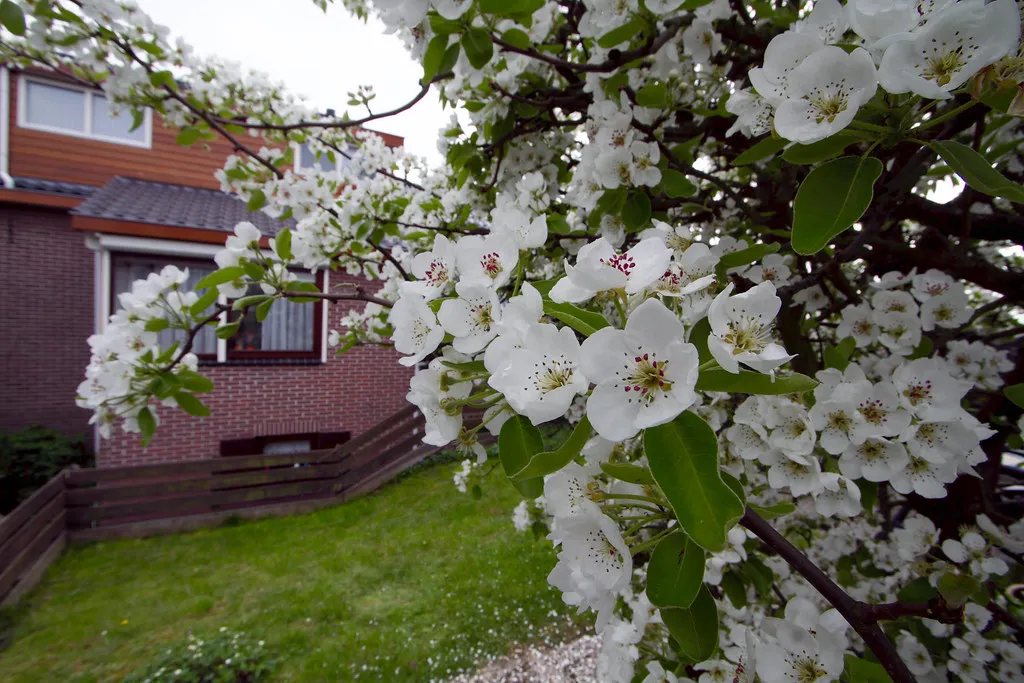
For the most spectacular display, take the RER B south to Parc de Sceaux. This grand estate contains two distinct orchards — one with white-blossom varieties and another with deep pink petals — spread across formal grounds that are open daily from 07:30 until sunset. Entrance to the park is free. On a clear April morning with the allées of trees at full bloom, Parc de Sceaux is genuinely one of the finest cherry blossom experiences in Europe. Peak bloom in Paris typically falls in late March to early April.
Amsterdam and Amstelveen, Netherlands: Kersenbloesempark
Most visitors to the Netherlands in spring think tulips, but the cherry blossom display in the suburb of Amstelveen is quietly extraordinary. Kersenbloesempark contains 400 thriving trees that were donated by the Japanese Women's Club in 2000. In a detail that no other European blossom park can claim, each tree carries a Japanese or Dutch female name — a living tribute to the friendship between the two communities. The park blooms from mid-March to early April, running slightly ahead of most central European sites.
Access is free, and the park is easily reached by metro from Amsterdam central. On weekdays outside the peak weekend, it is quiet enough to picnic under the canopy — something the park rules permit in designated areas to protect the root systems. Jozef Israëlskade, a canal-side street lined with cherry trees near the Museumplein, offers an urban complement if you want to stay within the city limits.
Copenhagen, Denmark: The Bispebjerg Cemetery Tunnels
Denmark may be Europe's most committed cherry blossom nation. Every April, Copenhagen's Bispebjerg Kirkegård transforms into one of the continent's most photographed floral settings — long avenues of cherry trees forming a perfect architectural arch over the cemetery paths. The combination of solemn setting and erupting pink colour creates an atmosphere unlike any other blossom spot in Europe. Entry is free, and the grounds are typically open from 07:00 to 19:00.
The city also hosts a formal Sakura Festival at Langelinie park each year, usually scheduled for the last weekend of April. The festival runs for two days and features tea ceremonies, haiku workshops, sushi tastings, and access to the 200 cherry trees planted along the path to the Gefion Fountain. Arrive before 09:00 at Bispebjerg to beat the crowds that peak from 10:00 onwards on sunny April mornings.
London, England: Kew Gardens and Greenwich Park
London spreads its cherry blossom across dozens of parks, giving visitors more options than almost any other city. Kew Royal Botanic Gardens holds a scientific collection of Prunus species that bloom at slightly staggered times, effectively extending the visible season. Adult entrance costs approximately £15 to £22 for 2026 — book online in advance for a morning slot when the light is softest for photography. The sheer variety at Kew, from weeping pink varieties to upright white ones, rewards a half-day visit.
Greenwich Park offers a free alternative that many London visitors overlook. A steep path leading toward the Ranger's House is flanked by heavy-blooming trees, and the hilltop position gives views over the city. The park opens at 06:00 for pedestrians. Kensington Gardens, St James's Park, and Regent's Park also have cherry trees, though none match the density of Kew or Greenwich. For those short on time, Greenwich is our pick: free, uncrowded before 09:00, and genuinely beautiful.
Edinburgh, Scotland: Meadows and Princes Street Gardens
Edinburgh blooms later than most of Europe. The cooler Scottish climate means cherry trees here peak from late April into early May, making the city an ideal destination for travellers who have missed the season further south. The Meadows is the most popular spot — a large public park south of the old town with mature trees lining its walking paths, and views toward the craggy silhouette of Arthur's Seat adding drama to the backdrop. Access is free and the park is open around the clock.
Princes Street Gardens, directly below Edinburgh Castle, combines the city's most dramatic landmark with clusters of blossom trees. The castle framed through pink branches is a genuinely memorable sight. Lauriston Castle's Kyoto Friendship Garden — gifted by Kyoto in 1994 when the two cities became sister cities — rounds out the Edinburgh circuit with some of the best-curated Japanese-style planting in Scotland. The later bloom date also means Edinburgh's flowers often hold for a full two weeks without the risk of early heat shortening the display.
Prague, Czech Republic: Petřín Hill Blooms
Prague is one of the most affordable cities in Europe, and its cherry blossom display matches any capital at zero cost. Petřín Hill is the centrepiece — hundreds of fruit and cherry trees cover the slopes, and the pink colour is visible from across the Vltava River when the trees are at full bloom. The funicular ride to the top costs around 60 CZK per person, or you can walk the winding paths for free. The lower orchards near the Memorial to the Victims of Communism are significantly less crowded than the upper terraces.
Kampa Island at the foot of the hill offers blossom against a river backdrop, and Prague Castle — the ninth-century hilltop complex — is surrounded by gardens that fill with cherry trees in April. Riegrovy Sady on Malá Strana is another large park where blossoms appear among the first in the city. Prague typically peaks in the second week of April, and the combination of Gothic spires and pink canopies makes this one of the most visually dramatic blossom cities in Europe.
Karlovy Vary, Czech Republic: Spa Town Springtime
Karlovy Vary is primarily known for its thermal springs and the elegant pastel architecture lining the Teplá River, but spring adds another dimension entirely. Cherry trees transform Theatre Square Park and the quieter residential streets into something worth the detour from Prague — about ninety minutes by bus or train. The trees usually peak from mid-April onwards, framing the town's ornate colonnades with pale pink petals. Walking through the spa district is free, and the juxtaposition of the historic healing architecture with the ephemeral blossoms is one of the more underrated sights in central Europe.
Combining Karlovy Vary with Prague on a single trip is straightforward and adds a distinctly different character to the blossom experience — spa resort versus urban capital. We recommend Karlovy Vary for travellers who want to avoid the Instagram crowds of the main Prague spots while still getting a high-quality Czech Republic blossom experience.
San Sebastian, Spain: Coastal Blossoms in the Basque Country
San Sebastian is already a paradise for food lovers and beach visitors, but its spring blossom season is an underrated bonus. The maritime climate of the Basque Country allows blossoms to appear as early as mid-March, running several weeks ahead of most of Europe. The neighbourhood of Old Amara in the city's downtown area is the focus — pedestrian streets and small squares are lined with white-blooming trees that create an airy canopy above the boutiques and cafes. The square around De Bilbao is particularly photogenic, with a full ring of pale white blossom surrounding the space.
San Sebastian's position on the Bay of Biscay means the blossoms appear against a dramatically different backdrop compared to inland cities — sea air, green hills, and Art Nouveau architecture. Access to the streets is free, and the bloom window here can stretch from mid-March through early April. Combining a blossom walk with the city's famous pintxos bars makes for a highly practical day out.
Óbidos, Portugal: Medieval Streets in Bloom
Óbidos is a small fortified town north of Lisbon that makes an easy day trip from the capital. Its whitewashed walls and narrow cobblestone alleys are well known among Portugal visitors, but the cherry blossom season adds a layer of colour that transforms the already-photogenic streets. The town sits within traditional cherry-growing country — the same orchards that produce the local ginja liqueur — and the Judas trees immediately outside the western gate produce vivid pink flowers in early to mid-April. Cherry orchards at the base of the hill bloom at roughly the same time.
Village entrance is free, though parking nearby costs around €5 for the day. The alleys can get congested on weekends; we suggest a Tuesday or Wednesday morning for the quietest experience. Staying overnight in Pousada Castelo Obidos, a converted 700-year-old castle, allows you to walk the walls at dawn before the day-trippers arrive — a worthwhile upgrade for those who want the blossom experience without the crowds.
Hallerbos Forest, Belgium: The Blue Forest Alternative
Hallerbos is not, strictly speaking, a cherry blossom destination. This beech forest south of Brussels — about thirty minutes by car from the city — is famous for its annual bluebell carpet, which turns the forest floor a vivid purple-blue from mid-April to early May. But wild cherry trees scattered across the forest add a white canopy overhead, creating a layered floral effect that appeals directly to the same audience seeking that immersive bloom experience. The combination of blue floor and white blossom above is unique in Europe.
Access to Hallerbos is free, though getting there without a car requires a bus to nearby Halle and a walk. The forest can get very busy on sunny April weekends — arriving by 08:00 gives you the first hour of light with almost no other visitors. This is our pick for travellers who want something genuinely different from urban avenues, and who are willing to trade a city-centre location for a wild, atmospheric alternative.
Hardangerfjord, Norway: The Luxury Fruit Blossom Alternative
Norway's Hardangerfjord in May is one of the most visually spectacular flowering events in Europe, and almost no mainstream cherry blossom guide covers it adequately. The fjord region is one of Norway's most important fruit-growing areas, and when thousands of apple and cherry trees bloom simultaneously against snow-capped mountains and deep blue water, the scale dwarfs any city park. The blooms typically peak in mid-to-late May, making Hardangerfjord the logical final destination for travellers chasing spring northward through the continent.
The Hardangerfjord Blossom Route is a free scenic driving circuit connecting villages like Ulvik, Eidfjord, and Lofthus. Ferry crossings across the fjord cost around 100 to 200 NOK per vehicle depending on the crossing. Accommodation in the region runs significantly higher than in central European cities, but the combination of luxury scenery — flowering orchards, reflective water, dramatic peaks — is worth the premium for travellers who want a blossom experience that cities simply cannot replicate.
Expert Tips for Crowd-Free Blossom Viewing
The most iconic spots like Bonn's Heerstrasse and Copenhagen's Bispebjerg cemetery can become overwhelmingly crowded during peak weekends. Arriving at sunrise is the single most effective strategy — you gain an hour of good light with almost no other visitors. Mid-week visits are also significantly quieter, as day-trippers from major cities are far fewer on Tuesday and Wednesday than on weekends. For a more relaxed experience, consider the best places to see flowers in Europe that sit outside the most famous city centres.
Public transport is essential near popular blossom parks, as parking is often restricted or expensive during the season. Stockholm and Amsterdam both provide direct metro access to the main viewing areas. If you miss peak bloom at your planned destination, the northern latitude gradient gives you options: Edinburgh and Oslo can extend your season by two weeks compared to Paris or Bonn. Always carry a portable battery — the soft pink light of a blossom avenue typically produces far more photographs than travellers plan for.
Frequently Asked Questions
When is the best time to see cherry blossoms in Europe?
The peak season generally falls between late March and early May. Southern regions like Spain bloom first, while northern cities like Stockholm peak in late April. We recommend checking local forecasts three weeks before travel.
Are cherry blossoms in Europe free to visit?
Most urban avenues and public parks, such as those in Bonn and Stockholm, are entirely free. However, botanical gardens like Kew in London require a paid ticket. Expect to pay around £15 to £22 for these managed sites.
How long do the blossoms actually last?
The peak bloom usually lasts between seven and fourteen days depending on the weather. Heavy rain or strong winds can significantly shorten this window. It is best to plan for the middle of the predicted period.
Visiting Europe for more than one festival? See our complete guide to festivals and events in Europe.
Seeing the cherry blossoms in Europe is a bucket-list experience that rewards careful timing and local knowledge. Whether you choose the iconic tunnels of Bonn's Nordstadt, the royal canopy of Stockholm's Kungsträdgården, or the fjord-side orchards of Norway's Hardangerfjord, the ephemeral beauty is worth the effort. We hope this 2026 guide helps you navigate the season with ease.
Remember to respect the local environment and the trees themselves during your visit. For more spring inspiration, explore our other guides on European floral displays and seasonal festivals.
Free guide: Europe's Festival Calendar
A month-by-month map of Europe's unmissable festivals — with the best dates to visit each and a local tip you won't find in the guidebooks.
You might also like


Continue reading
More guides you'll find useful


