
European Christmas Market Itinerary: 8 Essential Planning Tips
A European Christmas market itinerary with 2-week train and road-trip routes, plus tips on costs, timing, and the top markets in France and Germany.
On this page
European Christmas Market Itinerary: 8 Essential Planning Tips
Last updated April 2026. We believe planning a european christmas market itinerary is the ultimate winter bucket list experience. This guide serves both first-time visitors seeking the classic magic and repeat travelers looking for hidden village gems. Whether you arrive by train, rental car, or river cruise, the core question is always the same: which markets, in what order, and how long do you need?
Our editorial team has analyzed the best routes to minimize backtracking and maximize your time in the festive glow. You will find that the most successful trips balance the grand city markets with quiet, half-timbered villages. We cover the classic 4-day Alsace route, the 2-week Interrail circuit, the road trip approach, and the all-in-one river cruise option — so you can pick the format that suits your pace and budget.
Free guide: Europe's Festival Calendar
A month-by-month map of Europe's unmissable festivals — with the best dates to visit each and a local tip you won't find in the guidebooks.
What to Expect at European Christmas Markets
Christmas markets in Europe open during Advent, typically from late November through December 24th. The tradition began in the German-speaking world — Dresden's Strietzelmarkt dates to 1434, Vienna's to 1296 — and today the markets number in the thousands across Germany, France, Switzerland, Austria, and beyond. Each city puts its own stamp on the format, but the core experience is always festive stalls, regional food, mulled wine, and handmade crafts.
Markets typically open around 11:00 AM and stay lit well after dark. The sweet spot for visiting is between 13:00 and 20:00: you arrive after the morning coach groups thin out and stay long enough to see the stalls glow in full darkness. Expect weekday crowds to be lighter than weekends, with Mondays and Tuesdays being the calmest days across Germany and Alsace. Temperatures regularly drop below freezing once the sun sets around 16:30, so thermal layers and waterproof boots are not optional on cobblestone streets.
The Pfand (mug deposit) system is universal across Germany and common in Alsace. You pay a €3 to €5 deposit for your ceramic Glühwein mug on top of the drink price (usually €4 to €6 per cup). Return the mug to any stall at any point to get the deposit back, or keep it as a souvenir stamped with the city and year. Cash is still king at most stalls, so carry at least €50 in small notes each day.
Best Christmas Markets in France: The Alsace Route
The Alsace region offers the most efficient european christmas market itinerary by train for new visitors. We recommend staying in Colmar as your central base to avoid moving luggage between hotels. The local TER train lines are frequent and connect major hubs in under 30 minutes. Strasbourg to Colmar is a 30-minute ride costing roughly €15 to €20 each way.
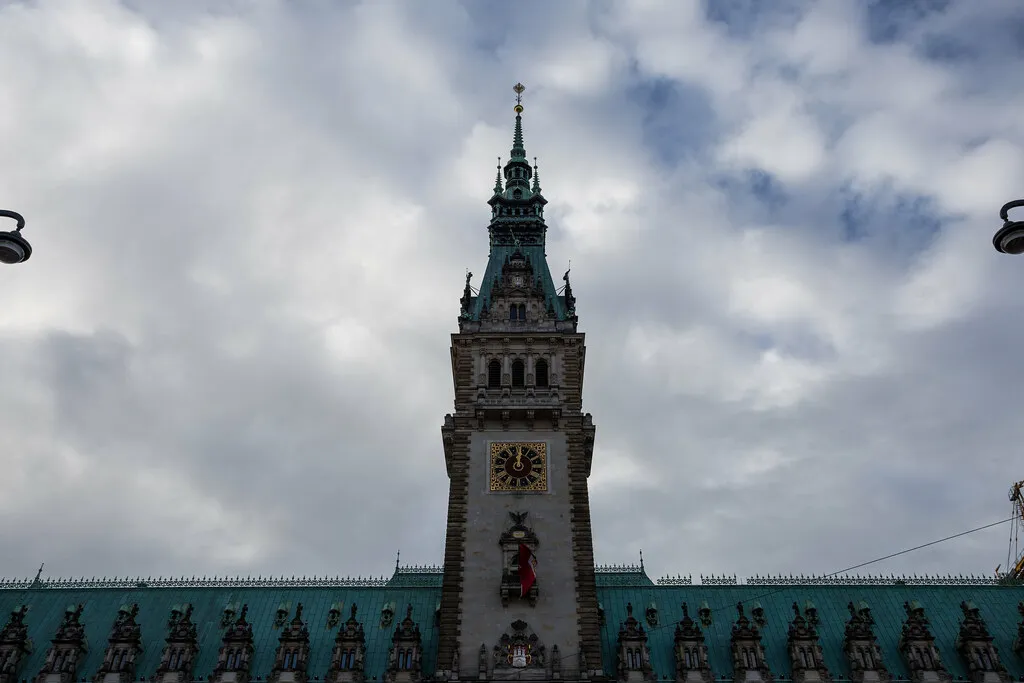
Strasbourg earns its title of Capital of Christmas: markets are scattered across six distinct squares, with the 30-metre Christmas tree at Place Kléber as the centrepiece. The Cathedral market at Place de la Cathédrale is the oldest, while the market at Place Broglie focuses on Alsatian crafts. Arrive by 10:00 on weekday mornings to beat the coach tours; the cathedral square fills completely by midday on weekends. Colmar layers its markets by theme across five zones in the old city — Place des Dominicains covers regional produce, while the Little Venice district along the Lauch river is the most photographed.
One planning trap that catches many visitors: the smaller Alsace villages are not open daily. Kaysersberg runs weekends only across the four Advent weekends. Riquewihr operates Fridays through Sundays only — the 2026 edition is expected to run on the Advent weekends from late November to late December 2026 (the 2025 season ran 28 November to 21 December 2025); confirm the exact dates on the official Alsace tourism site before you book. Ribeauvillé holds just two medieval weekends in December. If you build your itinerary assuming all villages are open every day, you will arrive to closed stalls. Check the opening schedule for each village before you finalise your days, and anchor your mid-week nights to Strasbourg or Colmar where markets run daily.
- Day 1 (Strasbourg): Cathedral and Broglie markets 10:00–13:00; Petite France 13:30–16:30; Place Kléber tree lighting from 17:00
- Day 2 (Colmar): Place des Dominicains 10:00–12:30; Little Venice walk 13:00–16:00; Gourmet market tasting from 17:00
- Day 3 (Village day — Friday to Sunday only): Eguisheim circular streets; Riquewihr stalls; Kaysersberg artisanal market — use the Navette de Noël bus (around €10)
- Day 4 (Basel, Switzerland): Barfüsserplatz and Münsterplatz markets; 45-minute train from Colmar SBB
Christmas Market Road Trip: Germany, France, and Switzerland
A car gives you the highest flexibility of all travel modes — you can stop in a village you spot on the map, leave an overcrowded market early, or follow better weather. The standard road trip arc for this region runs Frankfurt → Heidelberg → Strasbourg → Colmar → Basel → Bern, and can be done comfortably in 7 days. Fly into Frankfurt Airport, which has a rental car centre directly inside the terminal, and return the car in Bern or Zurich before flying home.
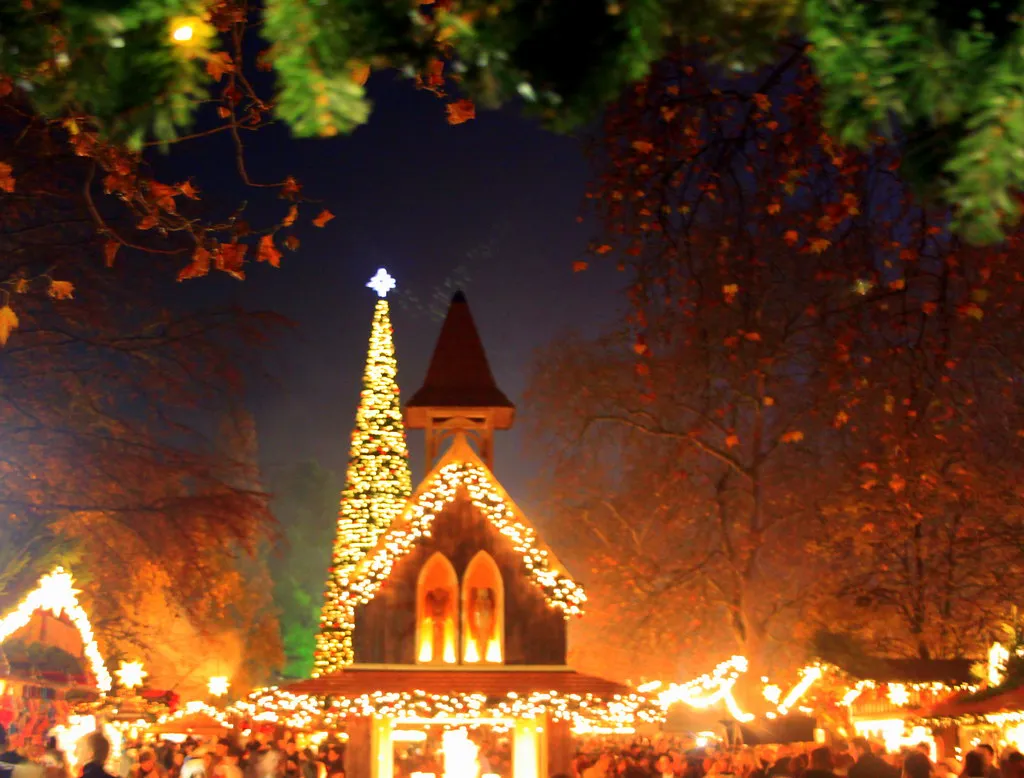
Car rental for two weeks in this region typically runs under €500 total, which can make a road trip cheaper per person than point-to-point rail tickets when two or more people share the cost. You do not need an International Driving Permit for Germany or France. However, some historic city centres — including Strasbourg's — are car-restricted zones. Book a hotel with private parking in Strasbourg and ask reception about the access permit for your vehicle; they handle this routinely. In Colmar, paid parking garages on the edge of the old city cost roughly €15 to €20 per night.
The main downside of driving is that you cannot drink freely at the stalls if you are the driver. Travel with a companion so you can rotate. The other practical issue is luggage: unlike a train where you stow bags overhead, a car lets you pile in as many bags as you like — which encourages overpacking. Keep gifts and fragile ornaments in a hard-sided bag or wrap them in clothing; market ornaments are thinner glass than you expect and break on roads that are bumpier than you expect.
2-Week European Christmas Market Train Itinerary (Interrail Focus)
For a multi-country sweep, a 2-week Interrail Global Pass is worth calculating. Passes range from roughly €150 for 4 days of travel within a month to €500+ for continuous first-class travel. For a 14-day Christmas market trip visiting 5 to 7 countries, a continuous 2-nd-class pass in the €280 to €350 range is typically the break-even point against point-to-point tickets. If you plan to visit fewer than 3 distant cities, buy point-to-point instead — for example, the Zweisimmen to Montreux leg on its own costs as little as €17.
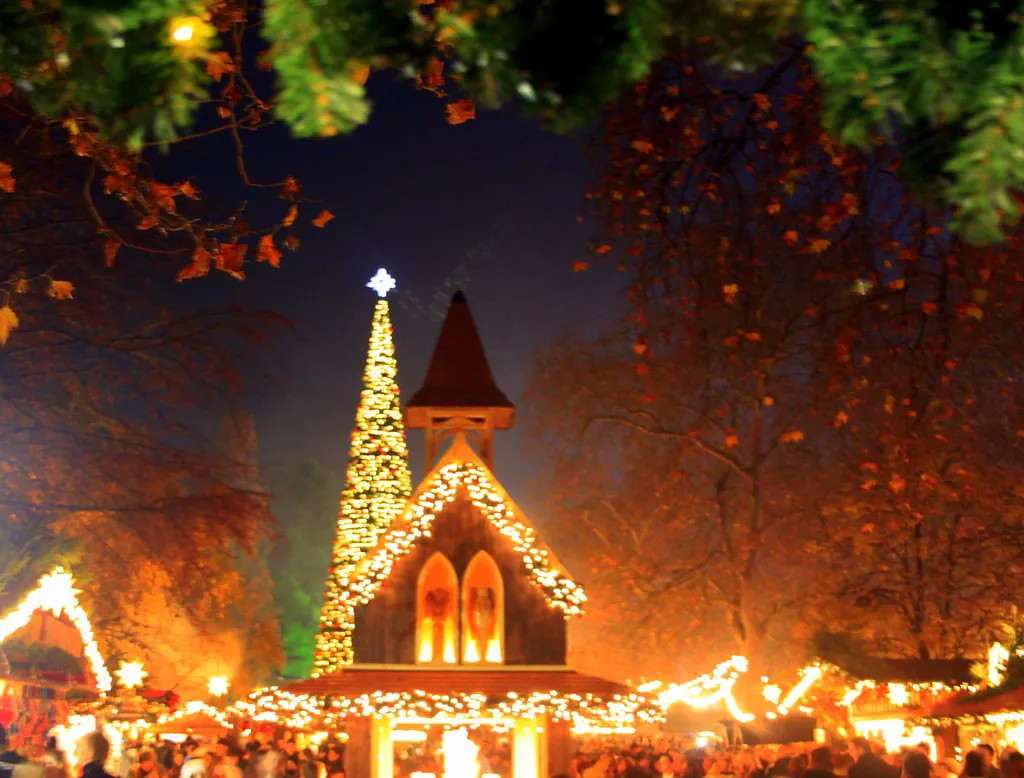
A practical 2-week circuit from Vienna to London covers the key markets in logical geographic order: Vienna (3 nights) → Salzburg (1 night) → Munich (2 nights) → Nuremberg (1 night) → Frankfurt (1 night) → Strasbourg (2 nights) → Colmar day trip → Cologne (2 nights) → Brussels (1 night) → London (arrival). Each leg is under 4 hours by direct or one-change rail. Book seat reservations separately on high-speed trains like the TGV and ICE — Interrail covers the base fare but not the reservation fee, which is €5 to €29 depending on the route and country.
Train delays and strikes are a real consideration in December. Deutsche Bahn operates reliably most years, but weather events and labour actions can disrupt entire networks at short notice. Build one buffer day into a 14-day itinerary — schedule it before a flight home rather than mid-trip. Use the DB Navigator app or Omio to monitor live delays and rebook connections. Luggage lockers (Gepäckschließfächer) at major train stations cost €3 to €6 per day and are available at Vienna Hauptbahnhof, Munich Hauptbahnhof, Frankfurt Hbf, and Cologne Hbf — use them on arrival days so you can go straight to the markets without dragging bags.
We suggest reviewing when do christmas markets open in europe to align your rail bookings with actual market dates before you finalise the Interrail itinerary.
Comparing River Cruises vs. Land Travel: Which is Better?
River cruises on the Rhine and Danube cover 8 to 10 cities in a single week with no itinerary planning required. You book the cruise, show up, and everything — cabin, all meals, beer and wine at dinner, and at least one guided excursion per port — is included. River cruise ships carry 160 to 190 passengers, far smaller than ocean liners, and your cabin travels with you so you unpack exactly once. The all-in cost for a 7-night Rhine Christmas market cruise typically runs €2,000 to €4,000 per person including flights.
The trade-offs are real. The cruise line sets your port arrival times, which means you sometimes visit the most atmospheric smaller towns in the middle of the afternoon rather than the magical evening hours. Smaller stops like Rüdesheim am Rhein can feel crushingly crowded when several ships dock simultaneously and hundreds of passengers converge on a single medieval street. You also cannot spontaneously extend a stay or skip a city you dislike. And docking positions are not always central — some ports require a 15-minute walk or taxi to reach the market.
Land travel by train or car costs considerably less and gives you full control over timing. You can find cheapest christmas markets in europe by venturing off the cruise path into smaller towns that river itineraries skip entirely. Train travelers can stay at any market until 21:00 without a ship departure deadline. The 'magic' factor — lingering over a second Glühwein, wandering empty back streets after the tour groups leave — is higher when you set your own schedule.
- River cruise: best for first-timers who want zero logistics, couples celebrating a special occasion, or anyone who hates managing luggage
- Train itinerary: best for independent travelers, Interrail enthusiasts, and anyone who wants to control their exact market arrival time
- Road trip: best for groups of 2 to 4 sharing costs, travelers who want to reach villages with no rail connection, and those who prefer flexibility over a fixed route
The Hybrid Strategy: Combined Train and Car Trips
The most practical approach for the Alsace region is to use the train between major cities and rent a car for 2 days to reach the villages that have no direct rail connection or very limited schedules. Take the TGV from Paris to Strasbourg (1 hour 45 minutes, from €29 if booked 60 days out), use the TER between Strasbourg and Colmar (30 minutes, €15 to €20), and then pick up a rental car in Colmar for a day or two to loop through Eguisheim, Riquewihr, Kaysersberg, and Obernai. Drop the car back in Colmar or Strasbourg and continue by train to Basel or Zurich.
A 2-day car rental in Colmar typically costs €60 to €100 including insurance. This approach eliminates the parking stress in Strasbourg's restricted centre while giving you total freedom in the village loop. It also means the non-driving passenger can drink freely at the village stalls. Base yourself in Colmar during the car days to avoid daily check-ins and check-outs, and use the hotel's parking for free or at a lower rate than city-centre garages.
What to Eat and Buy at Christmas Markets
Food is central to every market visit, and each region has its specialities. In Germany, bratwurst (Rostbratwurst) roasting over open grills is the entry-level staple — try it in a bread roll with mustard and onions. Kartoffelpuffer (fried potato pancakes) served with applesauce are addictive at €2 to €3 each. Schokokuss (chocolate-covered marshmallow) is the sweet grab-and-go treat. Germknödel — a steamed yeast dumpling filled with plum jam and topped with vanilla cream sauce — is popular in Austrian-influenced markets. In Alsace, look for Bredele (small butter cookies in festive shapes) and tarte flambée (a thin-crust flatbread with cream and onions) served hot from wood-fired ovens.
For drinks beyond Glühwein, look for Feuerzangenbowle (punch with a rum-soaked flaming sugar cone) at German markets and Vin Chaud (the French equivalent of mulled wine, usually slightly lighter in spice) in Alsace. Non-drinkers can order Kinderpunsch, a warm non-alcoholic fruit punch, which is sold at virtually every stall. Budget €15 to €25 for a generous market dinner including two drinks and a dessert.
For souvenirs, hand-blown glass ornaments are the standout purchase across all markets — prices range from €3 for simple baubles to €20+ for hand-painted collector pieces. Sheepskin gloves and hats are a practical buy in Swiss and Austrian markets. Nutcracker figures are associated with Nuremberg and Dresden. Bring a foldable duffel bag or a padded tote for fragile ornaments — wrap each one in a sock or a layer of clothing immediately after purchase. Do not leave them loose in a backpack overnight; you will find shards by morning.
Practical Logistics: Budget, Timing, and Mug Deposits
Daily costs for a Christmas market trip typically range from €60 to €100 per person. This covers mid-range accommodation outside peak pricing, two market meals, local transport, and three or four festive drinks. Markets in smaller Alsace villages are cheaper than central Strasbourg or Vienna. We recommend carrying cash as many small stalls do not accept cards. Check our european christmas market food and drink guide for specific prices per city.
Understanding the Pfand system is essential for every visitor to Germany and France. You pay a small deposit of €3 to €5 for your ceramic mug on top of the drink price. Returning the mug to any stall gets your deposit back instantly. You can cross markets and even cities — returning a mug you got in Cologne at a stall in Düsseldorf is accepted practice. Many travelers choose to keep one mug from their favourite city as a unique souvenir stamped with the location and year.
One practical note specific to Germany and Austria: most regular shops and supermarkets close on Sundays. The Christmas markets themselves remain open, but if you need to stock up on snacks, buy paracetamol, or grab cash from a specific bank, do it on a Saturday. Plan your grocery shopping days around Sundays, especially if you are self-catering or relying on supermarkets for breakfast provisions.
We suggest reviewing what to wear to a christmas market before you pack. Temperatures often drop below freezing once the sun sets at 16:30. Wool socks and thermal layers are non-negotiable for standing on cobblestones for 4 to 6 hours. Comfortable, waterproof boots will save your feet during long walking days.
Add an Extra Day: The Black Forest Extension
If you have an extra day, we highly recommend crossing into Germany from Alsace. The town of Gengenbach features the world's largest advent calendar house — a ritual lighting occurs every evening at 18:00 in the main square. The train from Strasbourg to Gengenbach takes only 40 minutes by regional rail.
Another stunning option is the Ravennaschlucht market under a high stone viaduct near Freiburg. This market requires a pre-booked shuttle bus from Hinterzarten or Himmelreich and the atmosphere is genuinely unlike any other market in Europe. Check the Interrail Global Pass Pricing if you plan many cross-border trips. We recommend this extension for those who love dramatic, forest-themed atmospheres.
Frequently Asked Questions
What is the best way to travel between European Christmas markets?
We recommend using the regional train network for the best balance of cost and speed. High-speed lines connect major cities like Paris and Strasbourg in under two hours. Local TER trains are perfect for hopping between smaller Alsace villages.
How many days do you need for a European Christmas market trip?
A 4-day itinerary is ideal for focusing on a specific region like Alsace. If you wish to visit multiple countries, we suggest planning for 10 to 14 days. This allows for travel time without feeling rushed between stalls.
Is an Interrail pass worth it for Christmas markets?
An Interrail pass is worth it if you plan to visit three or more distant cities. It offers great flexibility for spontaneous day trips across borders. For a single-region trip, point-to-point tickets are usually more cost-effective.
Visiting Europe for more than one festival? See our complete guide to festivals and events in Europe.
Creating a european christmas market itinerary requires balancing logistics with festive spontaneity. We hope this guide — covering Alsace, the Interrail circuit, the road trip approach, and the cruise comparison — gives you a solid foundation for your winter adventure. Remember to book accommodation early, check village market opening schedules before you travel, and pack for the biting cold. The memories of sparkling lights and warm spiced wine will last a lifetime.
Free guide: Europe's Festival Calendar
A month-by-month map of Europe's unmissable festivals — with the best dates to visit each and a local tip you won't find in the guidebooks.
You might also like


Continue reading
More guides you'll find useful


