New Years Eve In Vienna Travel Guide
New Year's Eve in Vienna: walk the free 8-zone Silvesterpfad, waltz on the Graben, and watch the Eurovision Countdown Clock unveiled at midnight 2026.
On this page
New Years Eve In Vienna
Last updated June 2026. Vienna transforms completely on December 31. The inner city becomes one of Europe's largest street parties, drawing close to one million people to the Silvesterpfad each year.
Events range from free outdoor stages to black-tie gala dinners and opera performances. The 2026 celebration carries an extra layer of excitement: Vienna is hosting the Eurovision Song Contest this year, and New Year's Eve marks the official start of the ESC countdown.
This guide covers the Silvesterpfad in detail, the New Year's Concert, dining options with real prices, and what makes this one of the top choices for New Year's Eve in Europe. Book accommodation and restaurant tables by early November — the city fills fast.
Free guide: Europe's Festival Calendar
A month-by-month map of Europe's unmissable festivals — with the best dates to visit each and a local tip you won't find in the guidebooks.
Vienna New Year's Eve Trail
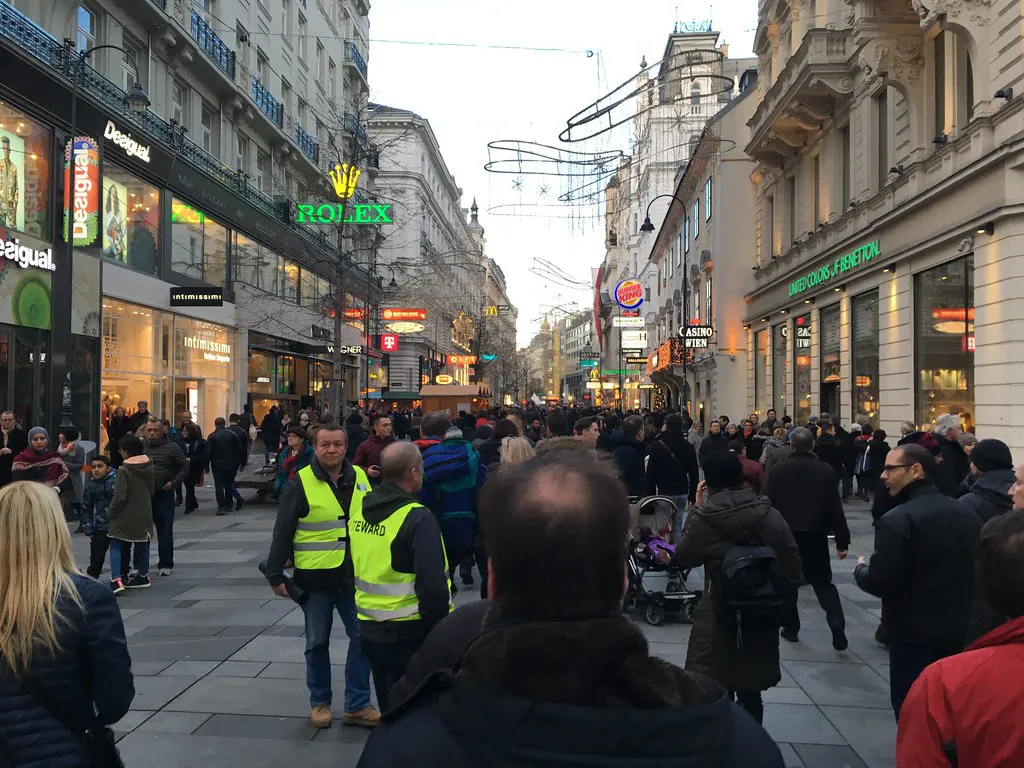
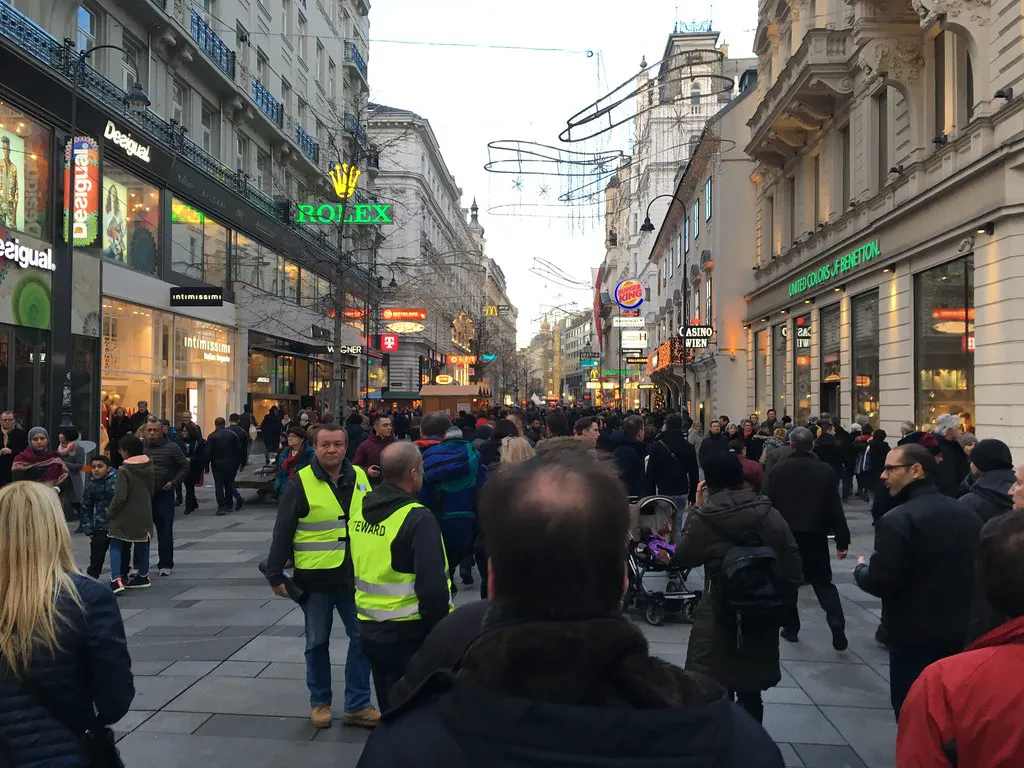
The Silvesterpfad is the centerpiece of new years eve in Vienna. This trail runs from 14:00 on December 31 to 02:00 on January 1, with food and drink stalls open from 11:00 AM. It covers the entire city center — from Freyung through Am Hof, along the Graben, through Stephansplatz, down Kärntner Strasse to Neuer Markt. Entry to all eight celebration zones is free.
The Graben is the classical music hub of the trail. Vienna's dance schools set up here in the afternoon for crash waltz lessons, turning the street into an open-air ballroom. By early evening it is packed. If you want a spot close to the front, arrive before 16:00.
At midnight, the Pummerin bell at St. Stephen's Cathedral rings — one of the few occasions it tolls each year, broadcast live on Austrian radio and TV. The crowd dances the Blue Danube Waltz on the street. It is a genuinely communal moment. The city center reaches its peak density around 22:00, so plan your position well before then.
One fact many visitors miss: rockets and firecrackers from category F2 upward are banned throughout Vienna. The "fireworks" on the Silvesterpfad are light installations and sparklers, not the aerial displays you might expect in other cities. Prater has some pyrotechnics at midnight, but the inner city celebration is deliberately low-fireworks. Manage expectations accordingly — it is atmospheric rather than explosive.
Countdown to the Eurovision Song Contest
In 2026, Vienna is hosting the Eurovision Song Contest, making New Year's Eve the symbolic start of the ESC year. At Rathausplatz — City Hall Square — a live band performs the greatest Song Contest hits of all time from midnight onward. At the stroke of midnight, the official Eurovision Countdown Clock is unveiled and begins counting down to the ESC Grand Final on May 16, 2026.
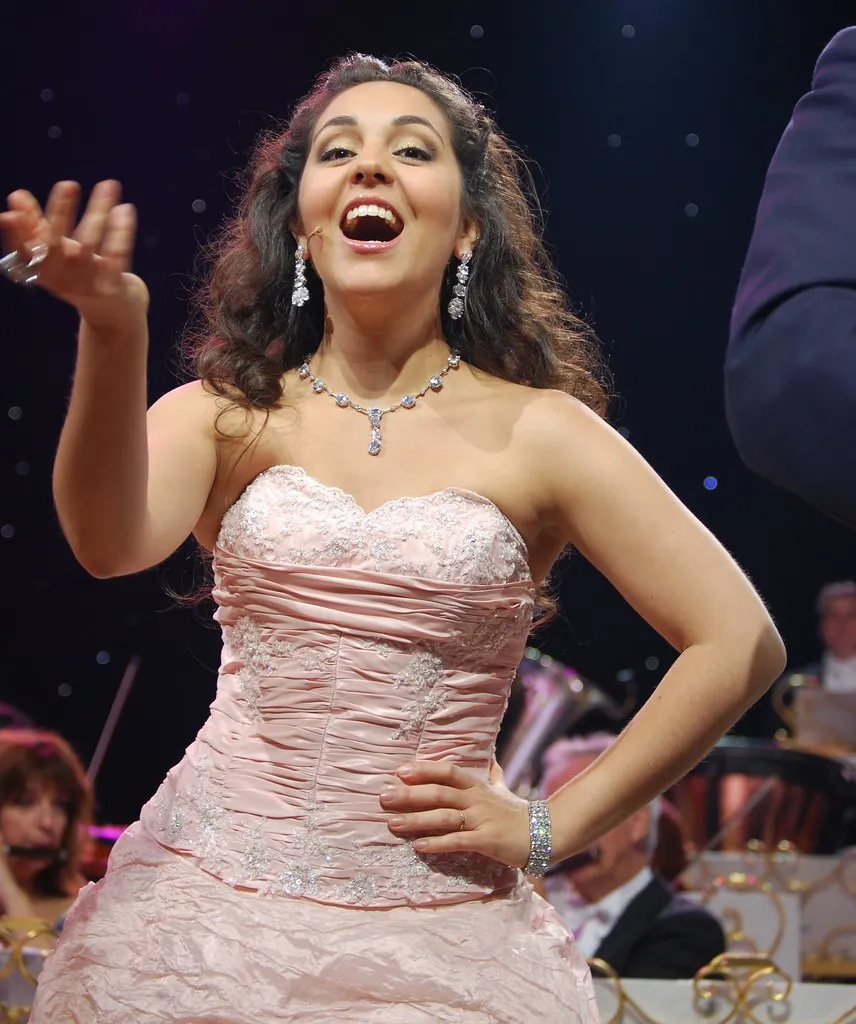
This makes Rathausplatz a particularly good zone to position yourself for the midnight moment if you are an ESC fan or simply want something beyond the standard Silvesterpfad route. The square holds a large crowd and has its own stage program throughout the evening. The Silvesterpfad also extends to Riesenradplatz in the Prater, giving you a third distinct zone outside the inner city.
The Eurovision connection adds a European-pop energy to what is usually a classical-music-dominated evening. Expect flags, themed decorations around the Rathaus, and a noticeably international crowd in that zone. If you are splitting time between multiple locations on the trail, factor in transit time — the Rathausplatz and the Graben classical zone are a 15-minute walk apart.
The Vienna New Year's Concert
On January 1, the Vienna Philharmonic's New Year's Concert is broadcast live from the Musikverein to around 50 million viewers in more than 90 countries, including on PBS and BBC Two. It is one of the most widely watched classical broadcasts in the world. Getting a ticket to attend in person is extraordinarily difficult — demand far exceeds the roughly 300 seats available for the lottery, which you register for each February through the Philharmonic's official site.
For most visitors, the concert is a New Year's Day experience rather than a ticket-buying challenge. In 2026, the broadcast is screened publicly from 11:15 at Stephansplatz and at the Riesenradplatz Giant Ferris Wheel Square in the Prater. For the first time, a public screening is also taking place at the MAK – Museum of Applied Arts, where the ballet segment of this year's concert was filmed. Guided tours in German and English of the filming locations run after the screening.
Many Viennese hotels lay on a live-broadcast brunch on January 1 — this is arguably the most comfortable way to watch the concert. Prices vary widely by hotel; expect €45–€90 per person for a full brunch spread with the concert on screen. Book these well in advance as they sell out in November.
New Year's Eve in the Kleinwalser Valley — Without Fireworks
For a quieter experience, the Kleinwalser Valley in Vorarlberg has built a deliberate alternative to the city fireworks tradition. The valley hosts an open-air party without pyrotechnics, positioning itself as an environmentally conscious celebration that is easier on animals and people sensitive to loud noise. It attracts a growing number of visitors specifically for this reason.
Local huts serve hearty Austrian dishes like käsespätzle and strudel. Torchlight hikes through the snowy mountain landscape are a common activity in the early evening. Traditional Perchten mask parades bring in regional folklore that is completely absent from the urban Vienna experience. The pace is slow and the atmosphere is communal rather than spectacular.
Public transport in the valley runs on a reduced holiday schedule. If you are staying in a village hotel rather than driving, check bus times in advance. Most hotels offer their own small NYE celebration packages — booking two to three months ahead is realistic for the more popular properties. This suits families, pet owners, or anyone who finds the scale of the Silvesterpfad overwhelming.
Food and Drinks for New Year's Eve
Traditional Viennese restaurants offer a range of set-menu options for December 31. The New Year's Eve Gala at Vienna City Hall is one of the flagship events, combining multi-course dining with waltz performances in one of the city's grandest spaces. The Wiener Rathauskeller hosts a goose brunch on New Year's Day starting at €98 per person, with a service fee of €2 per person added. A dinner option is available from around €120. Reserve early — these events book out by late October.
Along the Silvesterpfad itself, food stalls sell glühwein, hot punch, and krapfen (jam-filled doughnuts). Expect to pay €5–€8 for a mug of punch; a small deposit covers the ceramic mug, which you return or keep as a souvenir. For something more formal, the New Year's Eve Gala at the House of Strauss pairs gourmet dining with live music in a historic venue — a good option for those who want an indoor, seated celebration away from the street crowds.
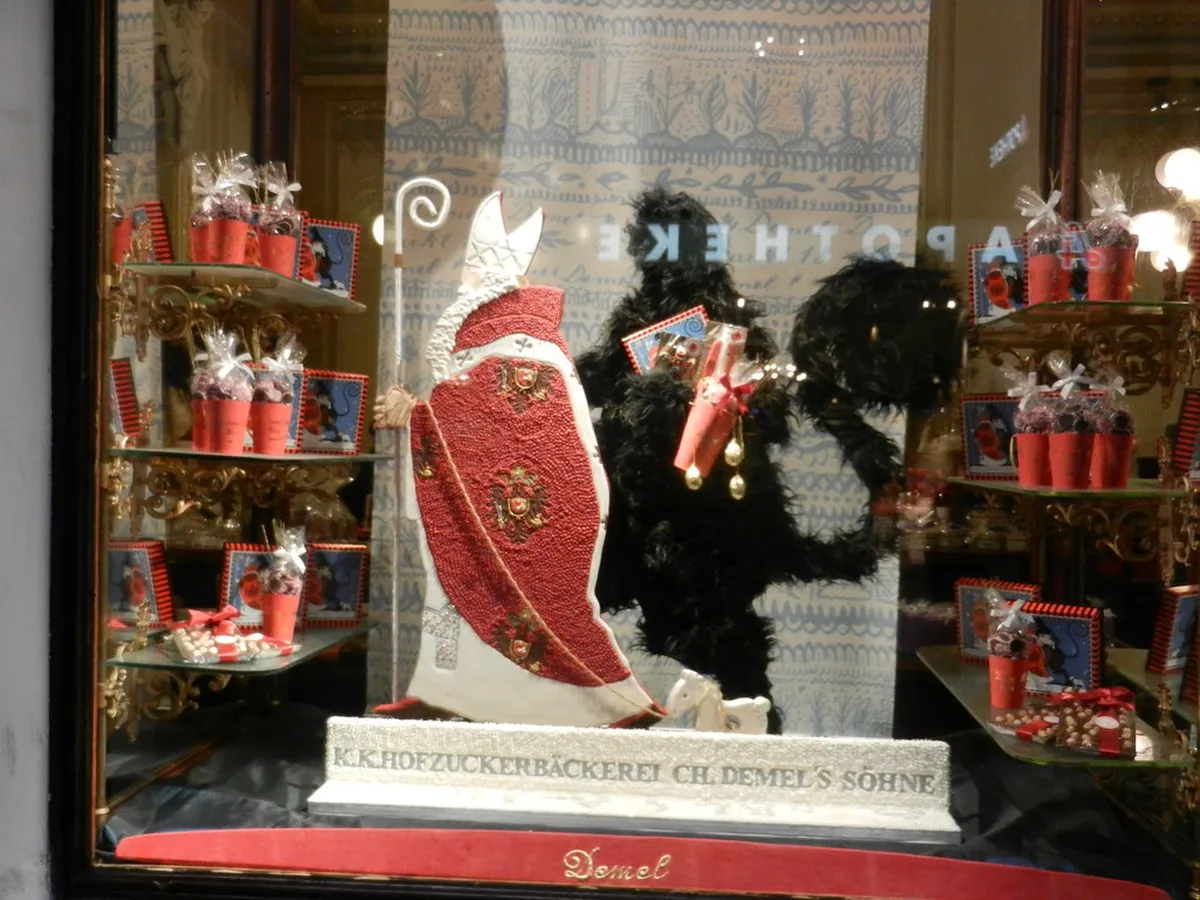
Austrian New Year's lucky charms are everywhere in the city from mid-December onward. Marzipan pigs, chocolate chimney sweeps, and small horseshoe-shaped treats are sold at markets, bakeries, and Christmas stalls. Giving these as small gifts is a genuine local custom, not a tourist gimmick. The Sekt (Austrian sparkling wine) toast at midnight is universal — every restaurant and stall participates.
On New Year's Eve, the Viennese State Opera and the Volksoper both perform Johann Strauss' "Die Fledermaus" as a traditional gala production. Tickets are far easier to obtain than Philharmonic concert seats and the evening combines dinner at a nearby restaurant with an operetta — a more attainable version of the black-tie Vienna experience.
New Year's Traditions in Austria
Vienna's New Year's Eve is shaped by a tradition of waltz dancing that dates to the early 19th century. The Viennese waltz was recognised as UNESCO Intangible Cultural Heritage in 2017. Johann Strauss — who composed his first waltz at age six and led all imperial court balls from 1863 onward — is the reason the Blue Danube still plays at midnight in the street rather than a pop countdown. This is not performance for tourists; it is genuinely how Viennese people ring in the year.
Beyond the waltz, Austrian New Year customs involve specific lucky symbols. The marzipan pig (Glücksschwein) is the most common gift, but you will also see chimney sweeps, four-leaf clovers, and horseshoes represented in chocolate and candy form. Receiving one from a stranger at midnight is considered good luck. The symbolism dates back centuries and is woven into the market stalls throughout the Silvesterpfad.
The ringing of church bells at midnight is coordinated across the city — not just the Pummerin at St. Stephen's but dozens of parish churches simultaneously. If you are standing anywhere in the inner city at midnight, the sound is overwhelming. It is one of those moments that does not translate well to video but is immediately striking in person.
What to Pack for Vienna New Year's Eve
December 31 in Vienna averages -2 to 4°C. You will be outside for several hours on the Silvesterpfad, so dressing in proper thermal layers is not optional. A heavy wool or down coat, insulated gloves, and a hat that covers your ears are essentials. Waterproof boots matter because the streets can have slush or ice by late evening, and you will walk several kilometers across the trail.
If you are attending a gala dinner or the opera, check your venue's dress code carefully. Many high-end events enforce black-tie or cocktail dress standards. Pack your formal wear separately and plan to change at the hotel — you do not want to wear a full evening gown on the street in sub-zero temperatures. A small backpack for layers works better than a large bag, which will slow you down in crowds.
- Thermal base layers and a heavyweight outer coat
- Waterproof boots with grip soles for icy streets
- Scarf, gloves, and a hat that covers ears
- Formal wear if attending a gala or the opera (check venue dress code)
- Small backpack for carrying extra layers through the evening
What's Closed on New Year's Eve and New Year's Day
Most retail shops in Vienna close by 14:00 on December 31. Supermarkets have limited hours, so buy any supplies you need before noon. Public transport runs through the night on a holiday schedule — check the Wiener Linien timetable in advance, particularly for U-Bahn and tram lines in the outer districts.
On January 1, almost all shops and many smaller restaurants remain closed. It is a public holiday for rest. Some museums open later than usual or on reduced hours. The MAK, for instance, has specific New Year's Day programming linked to the New Year's Concert screening in 2026. Always verify opening times on official websites rather than relying on usual schedules. Planning for these closures prevents unnecessary frustration after a late night.
Tourist Info and Practical Details
The main Tourist Info office is at Albertinaplatz in the city center. Staff speak multiple languages and can help with maps, event tickets, and last-minute Silvesterpfad questions. A second information point is at Wien Hauptbahnhof (Vienna Main Station), useful for those arriving by train from Prague, Budapest, or Salzburg.
The Vienna City Card covers unlimited travel on public transport and includes discounts at major attractions. Pick it up at the main station or online. For the New Year's Concert public screenings, no ticket is required — the Stephansplatz and Riesenradplatz screens are free and open to anyone. The official Wiener Silvesterpfad site (wienersilvesterpfad.at) publishes the final stage program and map each December.
Emergency numbers: police 133, fire 122, ambulance 144. The city app (Wien) provides real-time public transport updates and event maps. Keep it installed for the evening — the Silvesterpfad can shift crowd density quickly and knowing which stage is less packed saves time. For a broader overview of New Year's Eve across Europe, we have a full comparison guide.
Frequently Asked Questions
Is Vienna good for new year's Eve?
Yes, Vienna is one of the best cities for New Year's Eve. It offers a unique mix of street parties, waltz dancing, and elegant galas. The festive atmosphere is welcoming for all ages.
Where can I watch the fireworks in Vienna?
The best views are at the City Hall and the Prater amusement park. Many people also gather near the Danube for a clear view of the sky. Note that the city center is very busy.
How much do tickets cost for Vienna's new year's concert?
Tickets for the Philharmonic concert are very expensive and sold via lottery. Prices can range from €20 for standing to over €1,000 for seats. Most people watch the live broadcast on giant screens.
What is the main place for a new year celebration in Vienna?
The Silvesterpfad in the Old City is the primary celebration area. It stretches through the narrow streets and features multiple music stages. Stephansplatz is the heart of the midnight countdown.
Visiting Vienna for more than one festival? See our complete guide to festivals and events in Vienna.
Vienna is a world-class destination for celebrating the arrival of the new year. Whether you prefer the energy of the Silvesterpfad, the ESC countdown at Rathausplatz, or a quiet mountain retreat in the Kleinwalser Valley, Austria delivers on every style. Book accommodation and dining by early November.
From the sound of the Pummerin bell to the live waltz on the Graben, the traditions here are specific and worth experiencing. We hope this guide helps you plan a memorable new years eve in Vienna for 2026.
Free guide: Europe's Festival Calendar
A month-by-month map of Europe's unmissable festivals — with the best dates to visit each and a local tip you won't find in the guidebooks.
You might also like

Continue reading
More guides you'll find useful