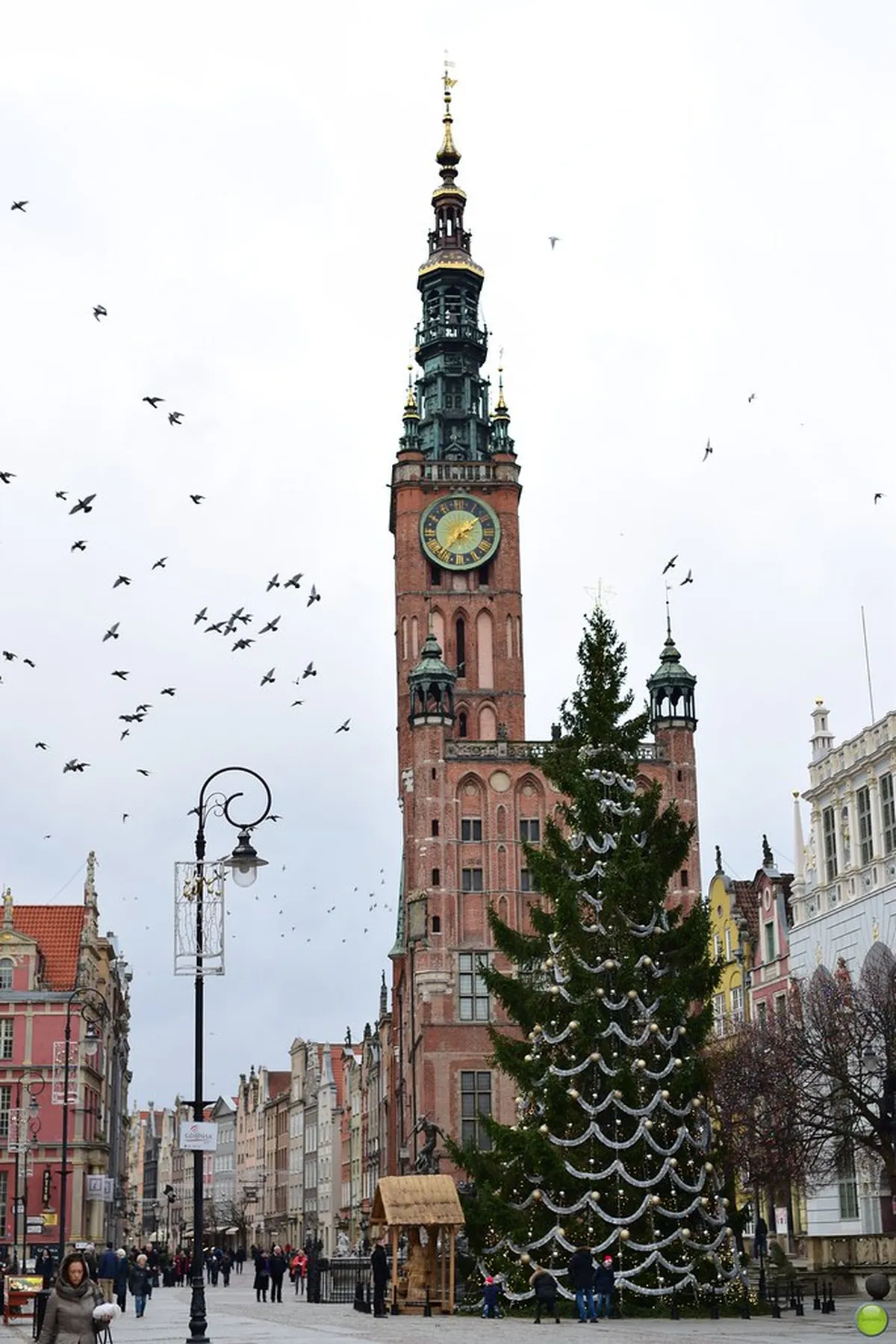
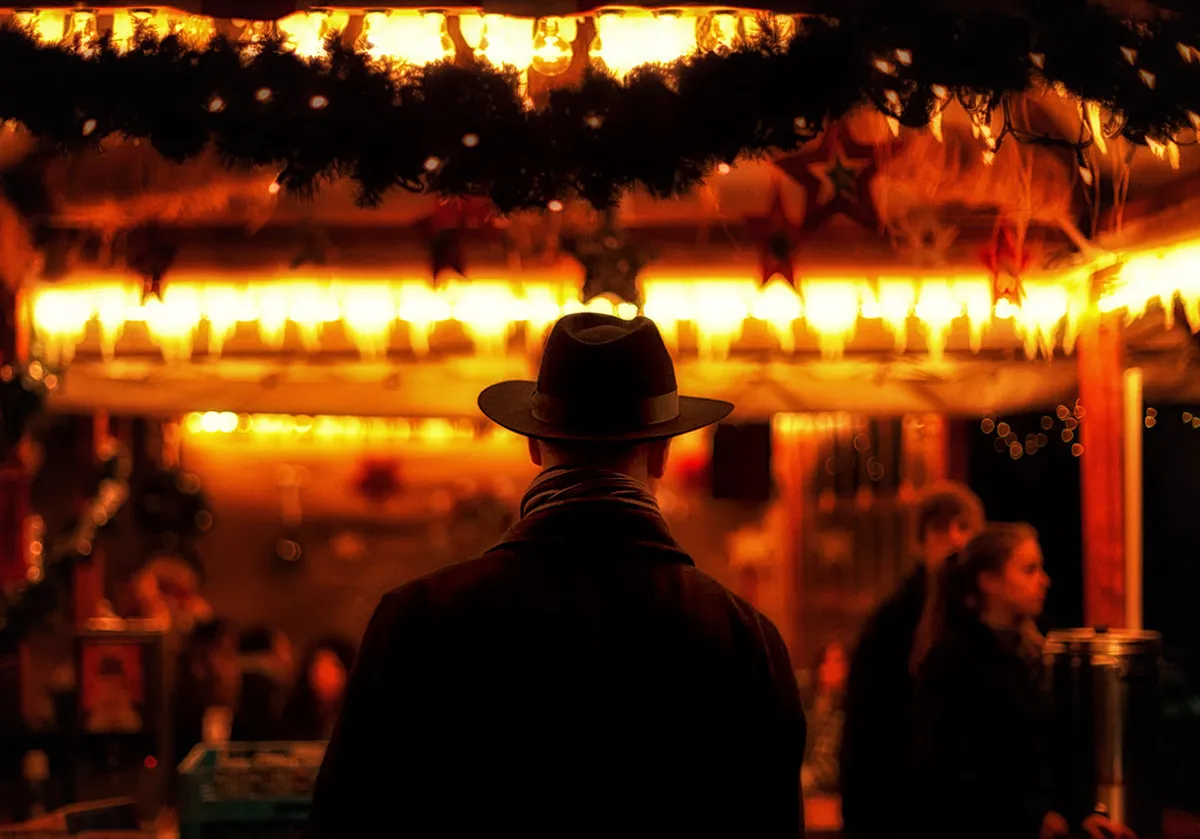
Brussels Christmas Market Guide: Dates, Locations & Tips
Plan your visit to the Brussels Christmas Market (Winter Wonders) with 2026-2027 dates, a map of the 2.5km light trail, and local food recommendations.
On this page
Brussels Christmas Market Guide: 2026 Dates & Tips
Late November to mid-December is the best time for visiting the Brussels Christmas market to avoid peak crowds. Last updated May 2026, this guide reflects the latest schedules for the city's famous Winter Wonders event. The festivities transform the historic center into a glowing trail of over 200 wooden chalets and attractions. Visitors can enjoy Belgian treats and unique shopping across several iconic city squares.
Brussels offers a more expansive experience than many other best christmas markets in belgium and the netherlands nearby. The event is officially known as Plaisirs d'Hiver (Winter Wonders in English, Winter Pret in Flemish) by local residents. It features a 2.5-kilometer light trail that connects the Grand Place to the Vismet fish market area. This guide covers everything needed to plan a rewarding visit: dates, market locations, food, shopping, family attractions, and transport.
Free guide: Europe's Festival Calendar
A month-by-month map of Europe's unmissable festivals — with the best dates to visit each and a local tip you won't find in the guidebooks.
Brussels Christmas Market 2026-2027 Dates and Times
The Brussels Christmas market officially runs from Friday, November 27, 2026, until Sunday, January 3, 2027. Most chalets and attractions open daily at 12:00 noon and close at 22:00 each evening. On Christmas Eve (December 24) and New Year's Eve (December 31), the markets close early at 18:00. Checking the official plaisirsdhiver.be website is recommended for any last-minute schedule changes.
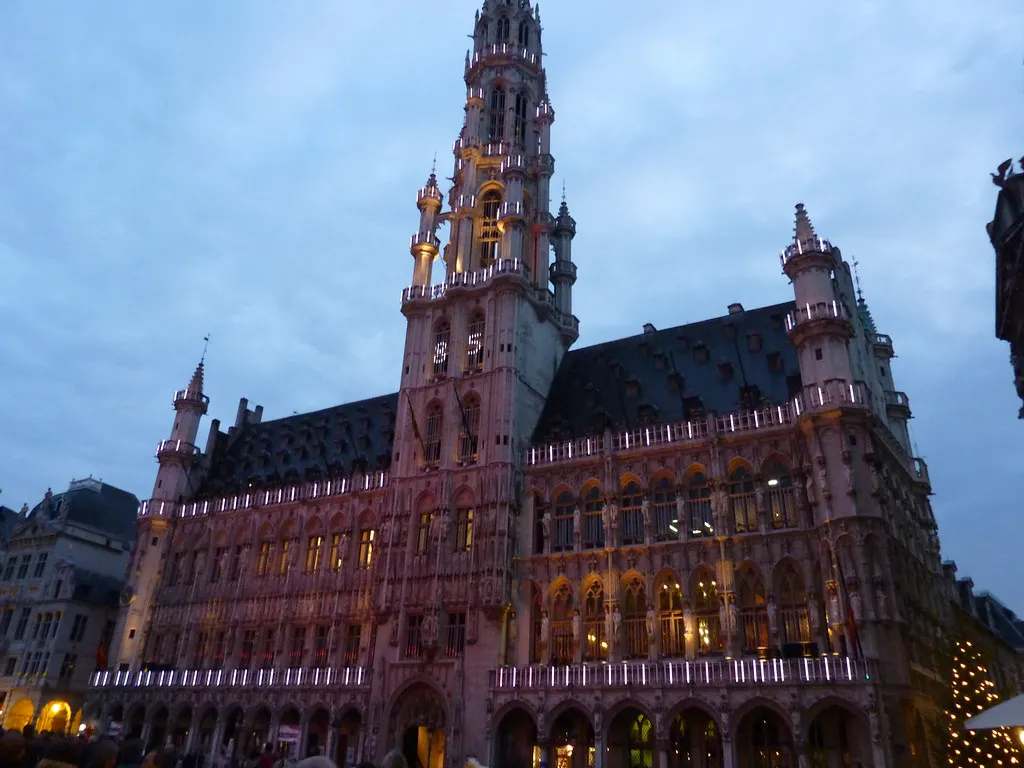
The Grand Place sound and light show is a major draw during these dates. The 360-degree projection runs from 17:00 to 22:00 on weekdays and until 22:30 on Fridays and Saturdays. Performances loop continuously throughout the evening, so you can catch the show without waiting for a scheduled slot. Arriving at the Grand Place before 17:00 lets you secure a good position before the evening crowds arrive.
Crowd levels vary sharply by week. The opening weekend in late November is lively but manageable. Mid-December brings the highest influx of international visitors, with the heaviest congestion on Friday and Saturday evenings. Weekday mornings from 12:00 to 15:00 remain the quietest window for exploring stalls at a relaxed pace.
Top Locations: Exploring the Winter Wonders Trail
The 2.5 km trail connects four main squares, each with a distinct character. Starting at the Grand Place is the natural choice: the UNESCO-listed guild houses form a gold-leaf backdrop to a towering Christmas tree and a nativity scene. From there, the trail moves north to De Brouckère, where a covered ice-skating rink (with a separate beginner section for children) anchors a cluster of decorated stalls selling ornaments and treats.
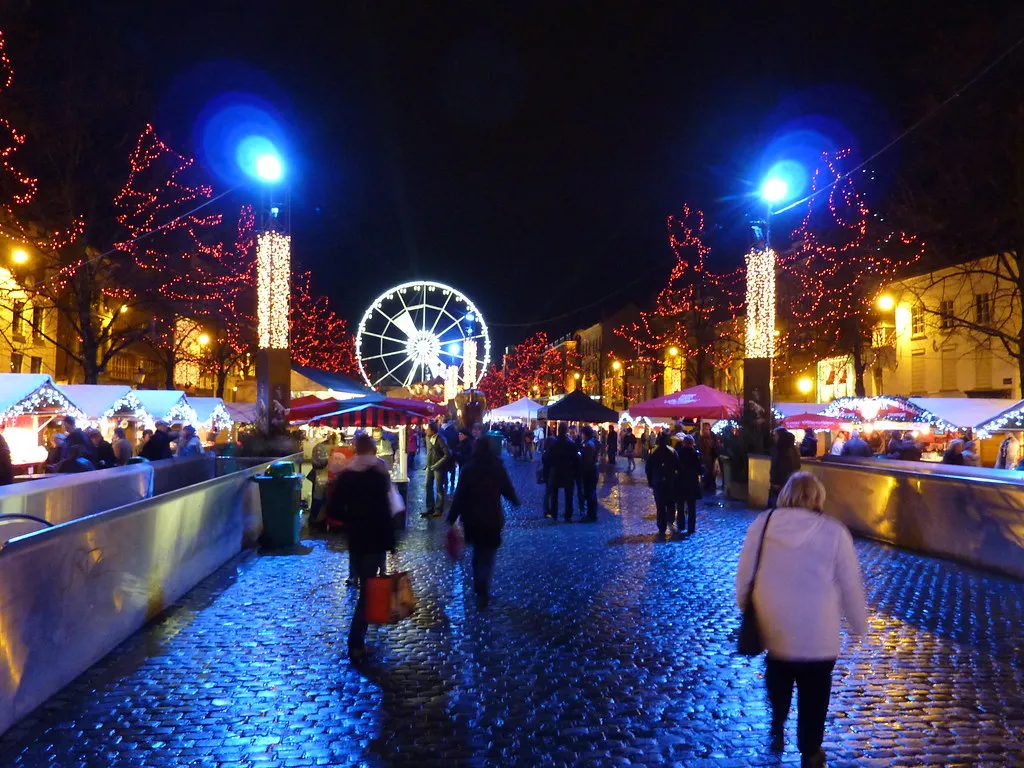
Place Sainte-Catherine — locals still call it Sint-Kathelijn — is the market's culinary heart. About a dozen food chalets line the square around the church, and colored light projections animate the stone facade after dark. The final major node is Vismet (officially Marché aux Poissons), the former fish market whose long rectangular layout fits rows of souvenir and gift stalls. The giant Ferris wheel at Vismet is the visual landmark of the whole event and a useful orientation point.
One stop that sits just off the official trail but is worth the detour is the Galeries Royales Saint-Hubert. These three covered 19th-century glass arcades — King's Gallery, Queen's Gallery, and Princes' Gallery — house chocolate boutiques, art galleries, and the Tropismes bookshop. On a rainy December evening the arcades offer a warm, dry route between the Grand Place and Place Sainte-Catherine. The chocolate shops inside dress their windows in elaborate Christmas displays and are among the best places in the city to buy gift boxes.
Must-Try Treats: Waffles, Chocolate, and Beyond
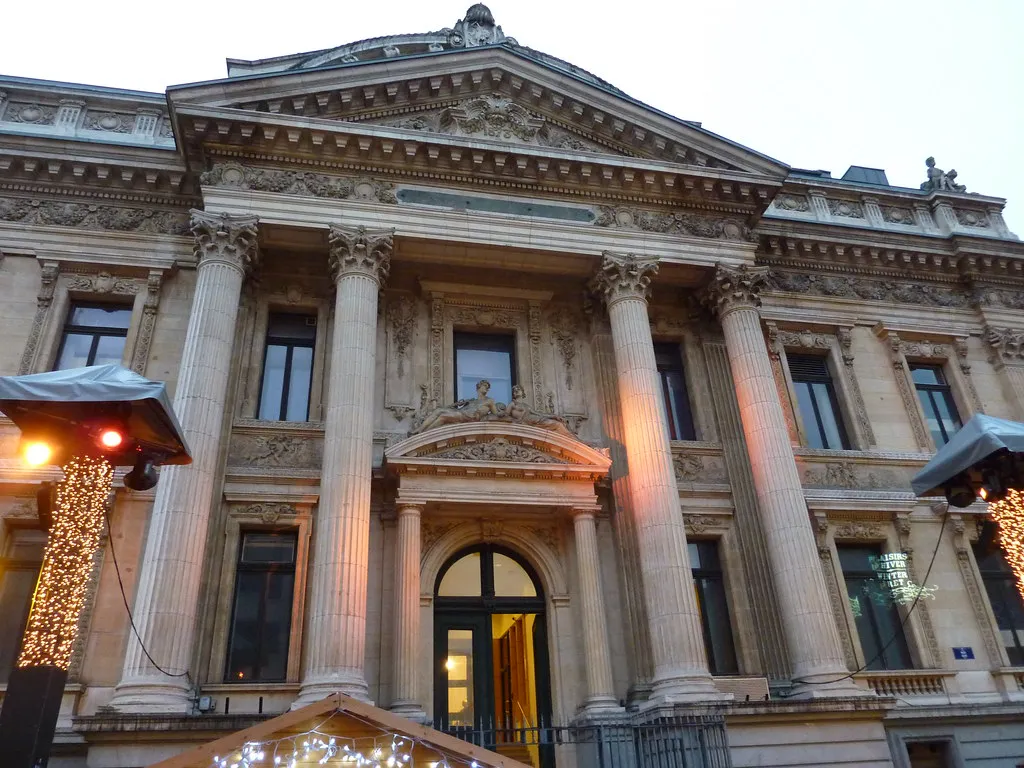
Belgian waffles are available at stalls across all four market squares. The liège waffle — denser, caramelised, eaten hot from the iron — is the version to seek out at the chalets rather than the thinner Brussels waffle. Speculoos biscuits (a spiced shortcrust made with white pepper, cloves, cardamom, and nutmeg) are a winter-specific Belgian treat you will not easily find outside the country; look for them at bakery stalls near the Bourse.
Mulled wine and warm spiked apple cider are the standard cold-weather drinks. The cider is particularly popular at stalls near Place Sainte-Catherine. Fritland fries — double-fried in beef tallow and served in a paper cone with a choice of sauces — are a Brussels staple and a filling option between squares. For something more substantial, oysters and tartiflette (a Savoyard potato and cheese gratin) appear regularly at the food chalets in Vismet.
Belgian chocolate shops around the Grand Place run Christmas-themed packaging throughout December. Bûche de Noël — a chocolate buttercream log cake rolled into a cylinder — is the classic Belgian festive dessert and is sold at patisseries near the market. On the evening of December 5, Sinterklaas (Saint Nicholas) celebrations mean the shops also fill with marzipan and chocolate figurines of the saint and his Pieten companions, which make unusual gifts to bring home.
Brussels Christmas Shopping: Chalets and Boutiques
Over 200 wooden chalets spread across the four market squares, selling handmade Christmas ornaments, candles, leather goods, scarves, and decorative crafts. The Vismet section concentrates the souvenir and gift stalls, while the De Brouckère area leans toward ornaments and tree decorations. Quality varies considerably between chalets; the handcraft vendors from Poland, Germany, and the Czech Republic that rotate each year tend to carry more distinctive pieces than the generic souvenir stalls.
For permanent boutiques that join in the festive mood, three shops in the city center are worth a specific visit. New De Wolf on Rue Haute carries Belgian design objects and homeware. Flamant on Place du Grand Sablon specialises in high-end décor with strong seasonal collections. Søstrene Grene in the City 2 Mall near De Brouckère offers affordable Danish-designed Christmas decorations and makes a practical stop for last-minute gifts.
Most chalets accept contactless card payments in 2026, but carrying €20–30 in cash is still practical for small food purchases, public restrooms (typically €0.50), and the handful of stalls that remain cash-only. The main cash machines near the Grand Place can develop queues on weekend evenings, so withdrawing money earlier in the day saves time.
Family Fun: Santa, the Ice Rink, and Festive Attractions
The main Santa (and Sinterklaas) meet-and-greet point is at Place de la Monnaie (Muntplein), the square in front of the Brussels Opera House. The Dome installation here runs immersive 360-degree short-film shows and performances throughout the market period. Children typically bring drawings and receive candy; arrival times around 14:00–15:00 on weekdays tend to be less congested than weekend afternoons.
The covered ice-skating rink at De Brouckère operates daily during market hours and has a dedicated beginner section for young children. Skate hire is available on-site. The merry-go-round at Place Sainte-Catherine is a classic choice for younger visitors. Mini-Europe, the park near the Atomium featuring scale models of European landmarks, adds festive lighting and miniature winter scenes throughout December and is a popular half-day add-on for families staying for the weekend.
The Wonder Woods at Bois de la Cambre is a newer addition to the Brussels winter calendar. Set in a wooded park a short tram ride from the city center, it offers ice skating, curling, and sledding alongside light installations. It typically opens from early December and runs a separate ticketing system from the main Winter Wonders market. Check plaisirsdhiver.be for 2026 dates and opening hours as they are confirmed closer to the season.
The Winter Pop program runs on rotating weekends across several city districts including Laeken, Neder-Over-Heembeek, and Molenbeek. These are community pop-up markets with live concerts, craft workshops, and small food stalls aimed primarily at local families. Crowds are a fraction of the city-center market, the atmosphere is notably more relaxed, and entry is free. The schedule of districts and dates is published on the plaisirsdhiver.be Winter Pop page a few weeks before the season opens.
Practical Planning: Getting There and Where to Stay
The train is the most practical way to reach the market. Brussels-Central station (Bruxelles-Central / Brussel-Centraal) sits a five-minute walk from the Grand Place. From Brussels Airport in Zaventem there is a direct train to Brussels-Central taking roughly 17 minutes. Arriving from Brussels South (Charleroi Airport) requires a bus to Charleroi-South station followed by a train to Brussels-Midi, then a connecting four-minute train to Brussels-Central. Eurostar and Thalys trains arrive at Brussels-Midi (the south side of the city); take the short connecting train to Brussels-Central rather than walking from Midi to the market.
The two best districts for accommodation close to the market are the Sablon and Dansaert. Both sit within a 10–15 minute walk of all four market squares while sitting slightly away from the noisiest tourist corridors, which helps with sleep on busy December nights. The Sablon is also home to antique dealers and art galleries that make the surrounding streets worth exploring beyond market hours.
Museum opening hours shift during the holiday period: most Brussels museums are closed on Mondays, Christmas Day (December 25), and New Year's Day (January 1). Many also close early on December 24 and December 31. If a specific museum visit is part of the trip, confirming hours directly with the venue before travel is worth the time.
Is the Brussels Christmas Market Worth It?
Brussels offers one of the largest and most varied holiday events in Europe, with over 3 million visitors attending each year. The combination of the Grand Place setting, the continuous light show, the Galeries Royales, and the range of food makes it a genuinely strong destination rather than a generic market. It is particularly rewarding for first-time visitors to Belgium who want a concentrated experience of the country's festive traditions in one central location.
The main drawback is crowd density on mid-December weekends. The narrow streets between the Grand Place and Place Sainte-Catherine become very congested on Friday and Saturday evenings. A weekday visit in late November or the first two weeks of December significantly reduces that pressure while still offering the full market experience.
Travelers often combine Brussels with a visit to the bruges christmas market on the same trip, with the train taking about an hour each way. The ghent christmas market is another strong alternative that sits 30 minutes from Brussels by train. Brussels is larger and more urban; Bruges is more compact and medieval in character; Ghent sits between the two in both size and atmosphere. All three are reachable in a single multi-day itinerary based in Brussels. The antwerp christmas market adds a fourth option, 35 minutes away by train and notable for its cathedral setting.
Beyond Brussels: Other Belgian Christmas Markets
Belgium is one of the most compact countries in Europe for market-hopping, with all major cities reachable by direct train from Brussels in under an hour. Bruges runs its market around the Markt and Simon Stevinplein from late November to January, and its medieval canal setting gives it an atmosphere that is distinctly different from the capital. Ghent's market centres on the Korenmarkt and extends along the Graslei quay, with the St Bavo's Cathedral providing a dramatic backdrop.
For visitors who want to see several markets in one trip, a two-night base in Brussels with day trips to Bruges and Ghent covers the main Belgian options without changing hotel. The amsterdam christmas market is also reachable on a day trip from Brussels by Thalys in under two hours, making a cross-border extension practical for travelers with more time.
Frequently Asked Questions
Is Brussels Christmas Market worth it?
Yes, the market is worth visiting for its unique 2.5km light trail and Grand Place show. It offers over 200 chalets and a vibrant international atmosphere. Travelers enjoy the mix of traditional Belgian treats and modern attractions.
What date does Brussels Christmas Market start?
The market officially begins on November 27, 2026. It runs daily through the holiday season until January 3, 2027. Most stalls open at noon and close late in the evening.
Is Bruges or Brussels Christmas Market better?
Brussels is better for size, light shows, and variety of food. Bruges offers a more intimate and medieval atmosphere that many find romantic. Both are easily accessible by train for a combined trip.
The Brussels Christmas market is a premier winter destination for travelers in 2026. With its expansive light trail, historic setting, and range of food and shopping across four connected squares, it provides a full festive experience in a compact city center. Planning for weekdays in late November or early December delivers the best balance of atmosphere and manageable crowds. Brussels also works as a base for reaching Bruges, Ghent, and Antwerp's markets by train, making it a practical hub for a broader Belgian Christmas itinerary.
Free guide: Europe's Festival Calendar
A month-by-month map of Europe's unmissable festivals — with the best dates to visit each and a local tip you won't find in the guidebooks.
You might also like


Continue reading
More guides you'll find useful