Menton Lemon Festival Tickets and Tours: 10 Essential Tips
Plan your visit with our guide to Menton Lemon Festival tickets and tours. Includes 2026 prices, parade seating tips, and how to avoid the crowds.
On this page
Menton Lemon Festival Tickets and Tours: 2026 Planning Guide
The Menton Lemon Festival is a unique celebration on the sunny French Riviera. This vibrant event features massive sculptures made entirely from lemons and oranges. Last updated June 2026, this guide covers everything you need for a perfect trip. Be sure to check the Menton Lemon Festival dates before booking your flights.
Securing Menton Lemon Festival tickets and tours early is vital for the best experience. Thousands of visitors flock to this coastal town every February for the citrus parades. Planning ahead ensures you get the best views of the Golden Fruit Parade. You will find various ticket tiers ranging from simple garden entry to premium seating.
Free guide: Europe's Festival Calendar
A month-by-month map of Europe's unmissable festivals — with the best dates to visit each and a local tip you won't find in the guidebooks.
What is the Fête du Citron?
Menton has grown lemons since 1341, and by the 19th century the town had earned the title of Europe's Lemon Capital. The Mediterranean microclimate here gives Menton lemons a distinct fragrance and flavour that sets them apart from any other citrus in the world. That reputation is precisely why the Fête du Citron was born — a celebration of the town's most iconic export.
Here is a detail that surprises most first-time visitors: the real Menton lemons are too precious and too few to be used in the festival itself. Instead, around 140 tonnes of lemons and oranges are imported from elsewhere to build the sculptures and parade floats. The irony adds a charming layer to the whole event.
Each year the festival is built around a single theme. The sculptures, floats, and costumes all reflect that concept, making every edition feel distinct. The festival runs for roughly two weeks starting mid-February, overlapping with the Nice Carnival nearby. If you are travelling from abroad, combining both events in a single weekend trip is very doable.
What Happens at the Festival: Three Core Experiences
The Fête du Citron is built around three distinct activities. The free sculpture gardens in the Biovès Gardens are open every day of the festival period. Giant 11-foot citrus structures — built from thousands of lemons and oranges attached to wire frames — line the central gardens. You can visit these any time without a ticket, and a bridge in the middle of the park lets you look down over the full display.
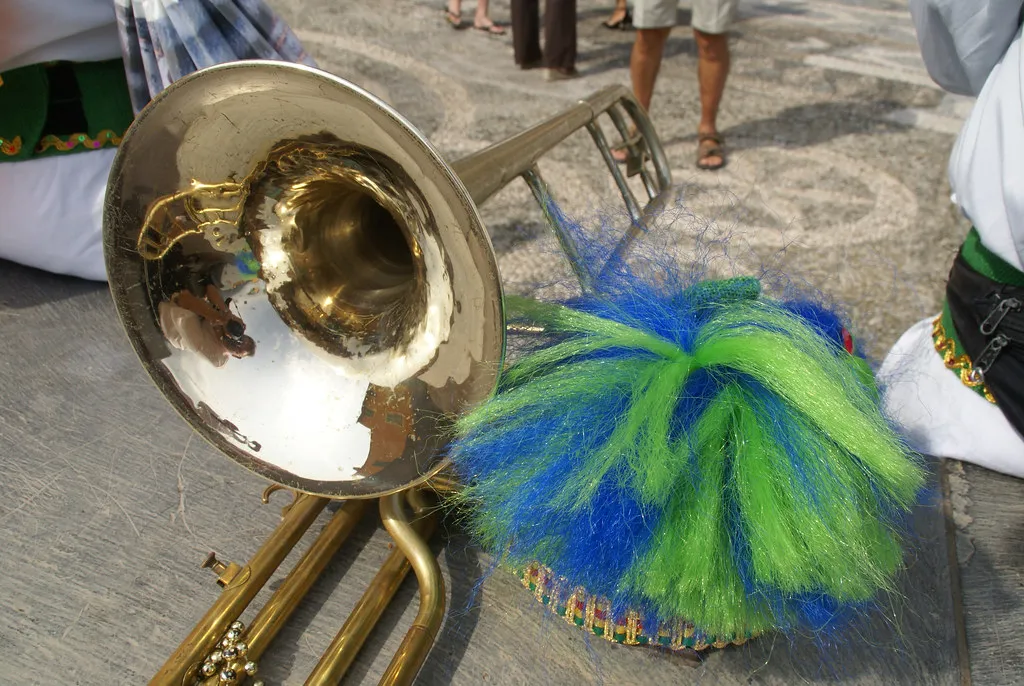
The Golden Fruit Parades (Corsos) are the main ticketed events. These are daytime carnival processions along the seafront with themed floats, dancers, and performers — lasting around one hour. Night-time parade versions also run on specific dates, with illuminated floats and a very different atmosphere. Both require advance tickets.
A third option that many visitors miss entirely is the Festival of Orchids inside the Palais de l'Europe. It costs just €2 and sits right next to the sculpture gardens. The indoor floral display is calm, rare, and a smart escape from the outdoor crowds. Visit it before the parade rather than after, when queues grow long.
How to Buy Menton Lemon Festival Tickets
Purchasing your tickets through the official portal is the most reliable method. You should decide if is Menton Lemon Festival worth it for your specific travel style before committing to grandstand or standing options. Official prices are fixed, but third-party resellers may add convenience fees. Always verify the exact time of the parade you wish to attend.
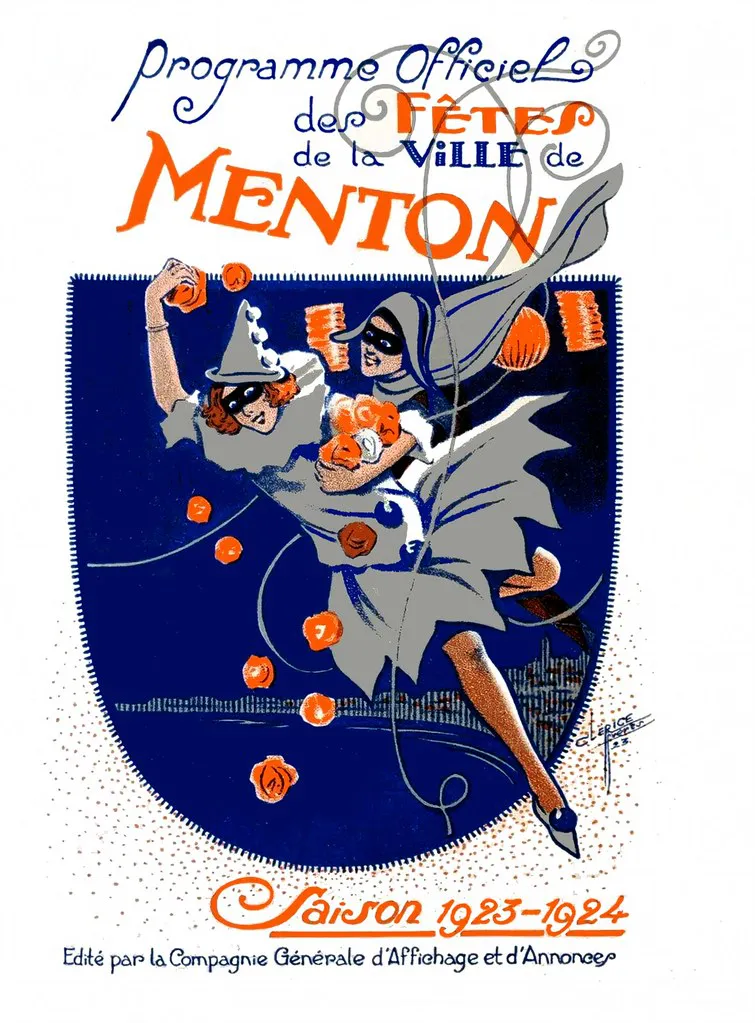
The ticketing system allows you to choose between individual events or combined passes. Most travellers prefer a pass that includes both the parade and the gardens. Children under six years old enter free but still require a physical ticket — the same applies to CMI disability card holders in the standing areas. You can collect tickets at the main tourism office or print them at home.
Security at the gates is strict during the entire festival period. The organizers enforce a firm rule: no entry is permitted 15 minutes after the parade starts. Missing this window means you lose your seat without a refund. Arriving early lets you clear the bag checks without rushing.
If the main grandstands are sold out, check for standing room availability. Local hotels sometimes hold small ticket allocations for guests. Always keep a digital copy of your confirmation on your mobile phone, plus a printed backup in case of battery failure.
Grandstand vs. Standing: Which Ticket Should You Buy?
The Golden Fruit Parade is the highlight of the festival, and the choice between grandstand and standing is the decision most visitors agonise over. Grandstand seats cost €30 per adult and offer an elevated, numbered position with a clear sightline over the floats. They are ideal if you want guaranteed comfort for the full two-hour duration and the best angles for photography of the tall structures.

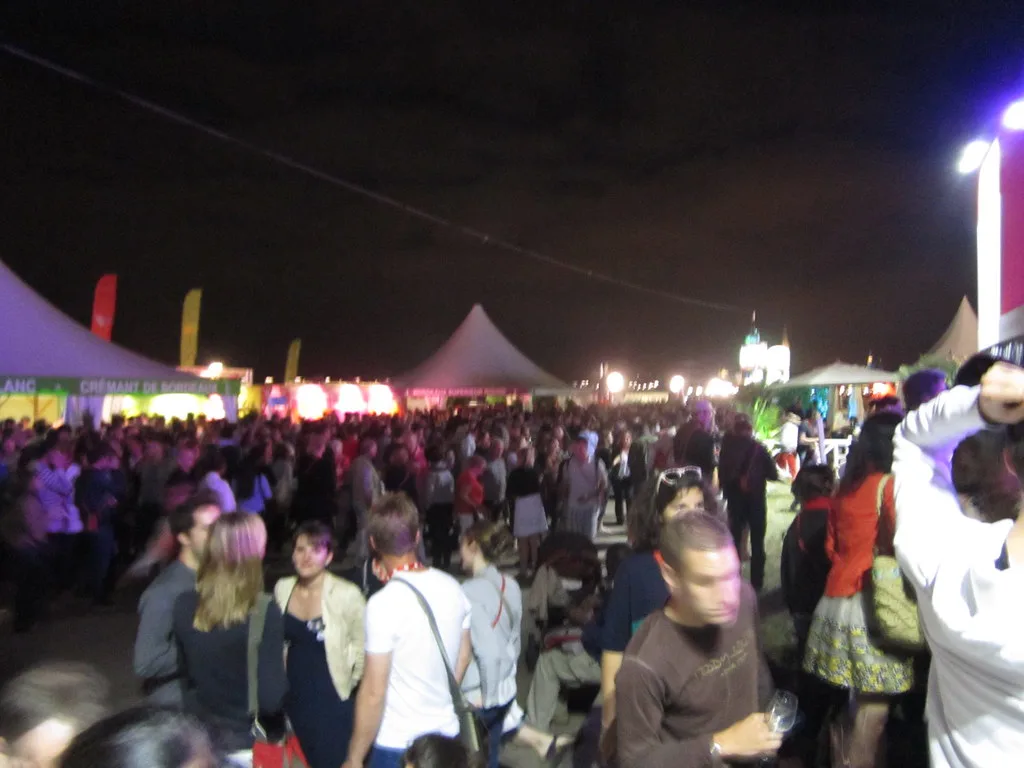
Standing tickets cost €16 per adult and let you move freely along the route. The downside is that crowds build up five or six people deep along popular stretches. Small children will struggle to see from the standing sections unless you arrive very early and claim a front spot. However, the atmosphere in the standing areas is louder and more energetic — confetti, citrus-scented air, and direct contact with performers.
One practical standing tip: the space directly in front of the grandstands near the entrance often stays empty even when the rest of the route is packed. Arriving an hour before the parade starts and positioning yourself there gives you a surprising amount of room. Corners of the route are also good because floats slow down at turns, giving you more time for clear photos.
Night parade grandstand tickets are typically the first to sell out. February evenings in Menton can be cold, so bring a warm layer if you plan to sit still for the evening show. Children aged 6–12 pay €8 for standing and €14 for grandstands. Children under 6 enter free with a ticket. CMI disability card holders pay €14 for grandstands or enter the standing area free.
- Adult grandstand: €30 — reserved seat, elevated view, full comfort for long parades.
- Adult standing (promenoir): €16 — first-come-first-served, street level, high mobility.
- Group discount: €25 grandstand / €14 standing per person (contact organizers for group sizes).
- Children 6–12: €8 standing / under 6 free (ticket still required).
- Children under 14: €14 grandstand.
- CMI disability card: €14 grandstand / free standing (ticket required).
Exploring the Biovès Gardens and Citrus Sculptures
The Biovès Gardens host the free sculpture exhibition every day of the festival period. You can see these works as part of the best food festivals in Europe circuit without spending anything beyond the optional parade ticket. Artists use thousands of lemons and oranges to create intricate themed designs. The gardens are open daily, but weekend afternoons are extremely crowded.
A hidden gem is the Orchid Festival held at the Palais de l'Europe adjacent to the gardens. Entry costs only €2 extra and offers a peaceful escape from the loud music outside. You can find rare species and local floral arrangements. Visit before the parade while the queue is short — it stays open until 19:00 but crowds spike after the daytime Corsos end.
Night visits to the gardens fall under the Gardens of Light experience. The sculptures are illuminated with coloured spotlights after dark, creating an atmosphere that reads very differently from the daytime version. The area also gets quieter in the evening, making this the best time for unhurried photography. You do not need a separate ticket for the free sculpture gardens at night.
Plan to spend at least one hour walking through the sculpture area during the day. The path is one-way to keep visitor flow steady. Staff are positioned throughout to prevent people from touching the fruit. Visit on a weekday morning for the quietest experience — Sunday afternoons are the busiest window of the entire festival.
When to Arrive and Where to Stand for the Best Views
Timing is the single biggest factor in how much you enjoy the parade. For Sunday daytime Corsos, festival organisers officially recommend arriving in Menton before 11:00. That sounds early for a 14:30 parade, but it gives you time to visit the sculpture gardens, have lunch, and position yourself before the crowd thickens. Trains from Nice fill up fast — if you leave Nice at 11:30 you may be standing on a packed carriage.
For Thursday night parades, the official recommendation is to arrive before 18:00. Evening crowds build earlier than you expect because many day visitors stay on to catch both the afternoon gardens and the night show. Getting to the standing area entrance by 17:30 gives you first choice of position.
Inside the standing zone, the area directly in front of the grandstand structure near the main entrance is often underutilised even when the rest of the route is shoulder-to-shoulder. It is one of those festival quirks that most visitors discover by accident. Corners of the parade route are another strong choice — floats pause or slow at turns, giving you an extended window for photos and better interaction with performers.
If you are visiting with children under 12, the grandstands are the more practical option over standing, purely because of sightlines. From street level, children simply cannot see above the adult crowd in the busiest sections.
Best Menton Lemon Festival Tours and Guided Walks
Many visitors choose guided tours to simplify their travel logistics. Tours often include transport from nearby cities like Nice or Monaco, which removes the stress of navigating packed trains. Look for tours that combine parade entry with a walking history of Menton's old town — the citrus heritage adds real context to what you are watching.
If you prefer independence, research where to stay for Menton Lemon Festival early. Hotels in the town centre book up six months ahead. Staying in nearby Roquebrune-Cap-Martin is a smart budget alternative — local trains run frequently and stop a short walk from the festival gates.
Lemon farm tours and lemon tart-making workshops are a popular add-on that sells out quickly. These are bookable through the official festival website and give you hands-on access to the actual Menton lemon orchards that the festival celebrates. They run throughout the festival fortnight, not just on parade days.
Group tours usually provide a meeting point near the train station. Check whether your tour package includes the €2 orchid festival entry and the sculpture gardens, or only the parade ticket. Some premium tours offer private balcony access overlooking the parade route — expensive, but the view and crowd-free atmosphere justify it for special occasions.
Budgeting for Your Visit: Prices and Free Activities
The Fête du Citron has a genuine free tier that many visitors overlook. The Exhibition of Citrus Patterns in the Biovès Gardens is open-access for the entire festival period — no ticket required. You can spend several hours exploring the sculptures, the market stalls selling lemon-infused oils and soaps, and the bridge viewpoint without spending a cent on entry.
When you do pay, here is what to expect for 2026. A full day that includes one grandstand parade seat and garden entry costs roughly €46 per adult. Replacing the grandstand with a standing ticket brings that to about €32. Children under 6 enter everything free (ticket still required). Families with children aged 6–12 benefit from the reduced rate of €8 for standing areas.
The lemon-themed shops in town are worth budgeting a small amount for souvenirs. Everything from lemon-print clothing to lemon-scented candles and fresh produce is available. Many lemon shops stay open on Sundays during the festival even when other local retailers close. Supermarkets also remain open and are a practical stop for water and snacks before a long afternoon in the sun.
All prices listed on the official site are marked subject to change — confirm current rates at fete-du-citron.com before booking. Prices have been stable in recent years but the 2026 edition schedule may introduce revised group rates.
Practical Details: Security Rules and What Not to Bring
The festival schedule is strictly enforced. Security guards check all bags and coats at every entrance point. Large suitcases and bulky backpacks are not permitted inside the venue — use the left-luggage lockers at Menton train station if needed. No glass bottles or alcohol are allowed into the festival zone. Plastic water bottles are permitted and strongly recommended for long days.
Animals are strictly prohibited on all parade routes and inside the Palais de l'Europe. The only exceptions are certified assistance dogs with proper documentation. The 15-minute cut-off rule is enforced without exception — once the parade starts, no new entries are permitted after that window closes, and tickets are non-refundable if you miss it.
Weather in February on the Riviera can shift quickly. Bright sunshine and cool sea breezes can alternate within hours. Layers work better than a single heavy coat because midday can feel genuinely warm while evening drops sharply. Comfortable walking shoes are non-negotiable — you will be on your feet for several hours across uneven surfaces.
If you lose your physical ticket, go to the Palais de l'Europe ticket office. They can sometimes reprint lost passes with valid ID, but the process is slow and you may miss the entry window. Always keep your digital QR code accessible on your phone, with a screenshot saved offline as backup.
- Prohibited: glass bottles, alcohol, large bags, animals (except assistance dogs).
- Allowed: plastic water bottles, small day bags, printed or digital tickets.
- Hard cut-off: no entry 15 minutes after parade start — no exceptions, no refunds.
- Lost ticket: Palais de l'Europe ticket office can sometimes reprint with ID.
- Medical: Red Cross stations are positioned near all main entrance gates.
Getting to Menton: Transport and Parking Tips
The train is the best way to reach Menton. You can read the full breakdown of how to get to the Menton Lemon Festival via the SNCF network. Trains from Nice take around 35–50 minutes and run every half hour, depositing you five minutes' walk from the Biovès Gardens. Book an earlier train than you think you need — festival weekend services fill up completely.
Driving to the festival is not recommended. Most roads in the town centre close for the parades, and parking is very limited. If you must drive, use the Park and Ride lots on the outskirts of town. Shuttle buses connect these lots to the main gates and run throughout the day.
Take some time to explore Menton's historic Old Town beyond the festival footprint. The Basilica of Saint Michael offers harbour views that justify the short uphill walk. The Jean Cocteau Museum near the waterfront provides a calm cultural break from the festive noise — check opening hours as they sometimes adjust during the festival period.
If you are in the region for more than one day, the Nice Carnival runs on overlapping dates. Many visitors combine a Saturday in Nice with a Sunday in Menton, getting two entirely different festival experiences in one weekend without additional travel costs beyond the local train fare.
Frequently Asked Questions
How much are tickets for the Menton Lemon Festival?
Adult grandstand tickets cost €30, while standing area tickets are €16. Children aged 6 to 12 pay €8 for standing; children under 14 pay €14 for grandstands. Children under 6 enter free but still need a ticket. CMI disability card holders enter the standing area free or pay €14 for grandstands.
Do you need to book Menton Lemon Festival tickets in advance?
Yes, booking in advance is highly recommended for all weekend parades. Grandstand seats often sell out several weeks before the event begins. Standing tickets are more flexible but can also reach capacity during peak times.
Is the Menton Lemon Festival worth visiting?
The festival is definitely worth visiting for its unique citrus art and lively atmosphere. It is one of the most famous events on the French Riviera. The sheer scale of the lemon sculptures is unlike anything else in Europe.
The Menton Lemon Festival is a spectacular event that rewards careful planning. Secure your tickets early, understand the difference between grandstand and standing options, and arrive well before the 11:00 AM recommended time for Sunday parades. The free sculpture gardens alone justify the trip — the ticketed parade is simply the high point of an already generous festival experience.
Free guide: Europe's Festival Calendar
A month-by-month map of Europe's unmissable festivals — with the best dates to visit each and a local tip you won't find in the guidebooks.
You might also like

Continue reading
More guides you'll find useful